Table of Contents
- What Makes 100% Agave Tequila Different
- Sugar Content and Blood Sugar Impact
- Congeners, Hangover Symptoms, and Spirit Quality
- Best Flavoured Tequila UK: Choosing Additive-Free Options
- Reposado Tequila Cocktails and Moderate Consumption
- Thiago Tequila Minis Bundle: Premium Quality On the Go
- The Reality: Is 100% Agave Tequila Healthier?
- Conclusion
Last Updated: August 27, 2026
What Makes 100% Agave Tequila Different
Is 100% agave tequila healthier? The question itself assumes a straightforward answer, but the reality is more nuanced. What matters isn't whether 100% agave tequila is inherently "healthy", alcohol is alcohol, but rather how it compares to alternatives in terms of purity, additives, and what your body actually processes when you drink it.
At Thiago Tequila, we've built our entire range around 100% Blue Agave Reposado, and the distinction between this and mass-market alternatives reveals something important about spirit quality that extends beyond marketing claims.
100% Agave vs Mixto: Production and Purity
The difference between 100% agave and mixto tequila is foundational. By law, tequila labelled "100% agave" must be made entirely from Blue Weber agave (the CDC). Mixto tequila only requires 51% agave; the remaining 49% can be any fermentable sugar, typically cane sugar or high-fructose corn syrup.
This distinction matters for three reasons. First, the fermentation process differs. Pure agave fermentation produces a cleaner spirit with fewer unwanted byproducts. Mixto production, blending agave with cheaper sugars, creates more complexity in fermentation that often results in higher congener levels, compounds linked to harsher hangovers and lower overall quality (peer-reviewed research).
Second, 100% agave spirits tend to have a smoother mouthfeel. Agave's natural sugars ferment differently than refined sugars, producing a spirit with better balance. Mixto tequilas often compensate for this with added flavourings and additives to mask roughness.
Third, transparency matters. When you buy 100% agave, you know exactly what you're getting. Mixto producers aren't required to disclose what that other 49% is, it could be anything fermentable. For consumers seeking additive-free options, this opacity is a red flag.
Our Thiago Organico Blanco exemplifies this purity. It's 100% Certified Organic Blue Weber agave, grown without pesticides or chemicals in the highlands of Jalisco, with zero additives. That clarity of ingredient list is something mixto producers simply cannot match.
Additives and Distillation Quality
Beyond the agave itself, how tequila is distilled and finished determines its additive profile. Many commercial tequilas add caramel colouring, oak extract, glycerin, or sugar syrups post-distillation to achieve a desired flavour profile. These additives don't appear on labels in most cases, they're considered "processing aids" rather than ingredients.
High-quality 100% agave tequilas, particularly reposados aged in oak barrels, derive their colour and flavour from the ageing process itself, not from added compounds. When you age tequila in white oak for six months (as with our reposado range), the spirit naturally picks up vanilla, caramel, and spice notes from the wood. No additives required.
Distillation quality also affects congener content. Congeners are compounds produced during fermentation and distillation, they're not inherently bad, but excessive levels contribute to harsher spirits and worse hangovers. Premium distilleries use copper pot stills and careful temperature control to minimise unwanted congeners. Budget producers often use industrial stills and cut corners, resulting in spirits that require heavy additives to become palatable.
For someone asking whether 100% agave tequila is healthier, the additive angle is where the real answer lives. A pure, additive-free 100% agave spirit gives your body less to process than a mixto loaded with syrups and unknown additives.
Sugar Content and Blood Sugar Impact
Here's where the health conversation actually gets interesting: agavins, the naturally occurring sugars in agave plants, behave differently in your body than refined sugar or high-fructose corn syrup.
Agavins are a type of fructan, a complex carbohydrate that your body doesn't absorb the same way it absorbs glucose or table sugar (peer-reviewed research). When you ferment agave to make tequila, most of the agavins are consumed by yeast during fermentation, converting them into ethanol and CO2. What remains in the finished spirit is negligible.
This is the critical distinction: a 50ml serving of tequila contains virtually no residual sugar, regardless of whether it started as 100% agave or mixto. The fermentation process eliminates it. Where 100% agave spirits gain an advantage is that they don't have added sugars or syrups introduced post-distillation, which some lower-quality tequilas do.
The real difference in blood sugar impact comes from what you mix your tequila with. A margarita made with fresh lime juice and agave nectar behaves very differently from one made with sugary mixers. If you're sipping neat or over ice, your blood sugar response is minimal regardless of the spirit's origin.

Agavins vs Agave Syrup: What You Need to Know
This is where marketing gets confusing. Agave syrup (sometimes called agave nectar) is not the same as agavins. Agave syrup is a processed sweetener extracted from the agave plant, concentrated, and sold as a sweetening agent. It's higher in fructose than table sugar and behaves more like high-fructose corn syrup in your body.
Agavins, by contrast, are the complex carbohydrates naturally present in raw agave plants. During fermentation, yeast metabolises these into alcohol. In the finished tequila spirit, neither agavins nor agave syrup are present in meaningful quantities, they've been converted or removed.
The confusion matters because some brands market tequila as containing "agavins" for health benefits, when in reality the fermentation process has already eliminated them. It's technically accurate but misleading. What you're actually drinking is ethanol, water, and congeners, not agavins.
If you're specifically seeking products marketed around agavin content, you're looking at agave syrup products or raw agave preparations, not tequila. For spirits, the health conversation should focus on purity, additives, and what you mix it with, not on sugars that fermentation has already processed away.
Congeners, Hangover Symptoms, and Spirit Quality
Congeners are organic compounds produced during fermentation and distillation, acetaldehyde, tannins, methanol in trace amounts, and other byproducts. They're present in all alcoholic spirits, but their concentration varies dramatically.
Clear spirits like blanco tequila have fewer congeners because they're bottled immediately after distillation. Aged spirits like reposado and añejo pick up congeners from oak barrels, which is partly why they taste more complex, but also why they can contribute to harsher hangovers in some people.
The relationship between congeners and hangover severity is real but often overstated. Hydration, alcohol quantity, and individual metabolism matter far more than congener levels. That said, spirits with excessive congeners, often a sign of poor distillation or heavy additives, do tend to produce worse hangovers.
100% agave tequilas, particularly those from quality producers using proper distillation techniques, have lower congener levels than mixto alternatives. This isn't because agave itself prevents congeners; it's because premium producers invest in better distillation equipment and processes that minimise unwanted byproducts.

Where quality really shows is in the smoothness of the spirit itself. A well-made reposado like Thiago Black Cherry tastes silky neat because it's been aged in oak and crafted with precision, not because it's magically "healthier," but because the production process has been executed to minimise harsh compounds and maximise flavour balance.
The hangover prevention angle is simple: drink less, stay hydrated, and choose spirits from producers who prioritise quality distillation. A premium 100% agave reposado will feel smoother and produce fewer harsh aftereffects than a cheap mixto, but that's about craftsmanship, not health claims.
Best Flavoured Tequila UK: Choosing Additive-Free Options
When you're shopping for flavoured tequila in the UK market, the additive question becomes critical. Many flavoured spirits rely on synthetic flavourings, added sugars, or colouring agents to achieve their taste profile. You're not just choosing a flavour; you're choosing a production philosophy.
try all three minis · £15.99 →
Additive-free flavoured tequila means the flavour comes from real ingredients infused after distillation, not from syrups or chemical compounds. This approach is more expensive, real Mexican vanilla bean costs more than vanilla flavouring, but it's the only way to maintain the integrity of the base spirit.
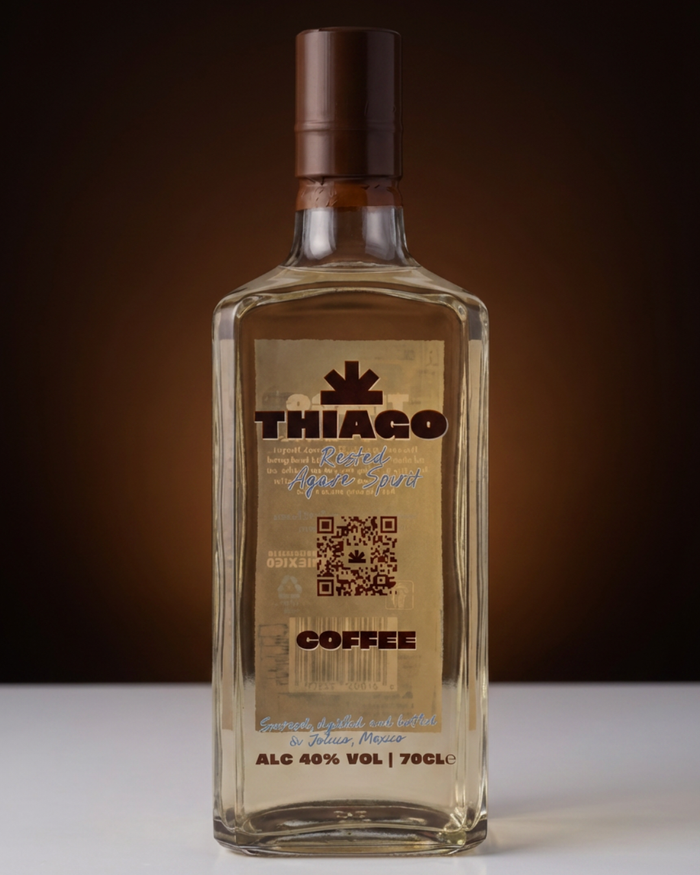
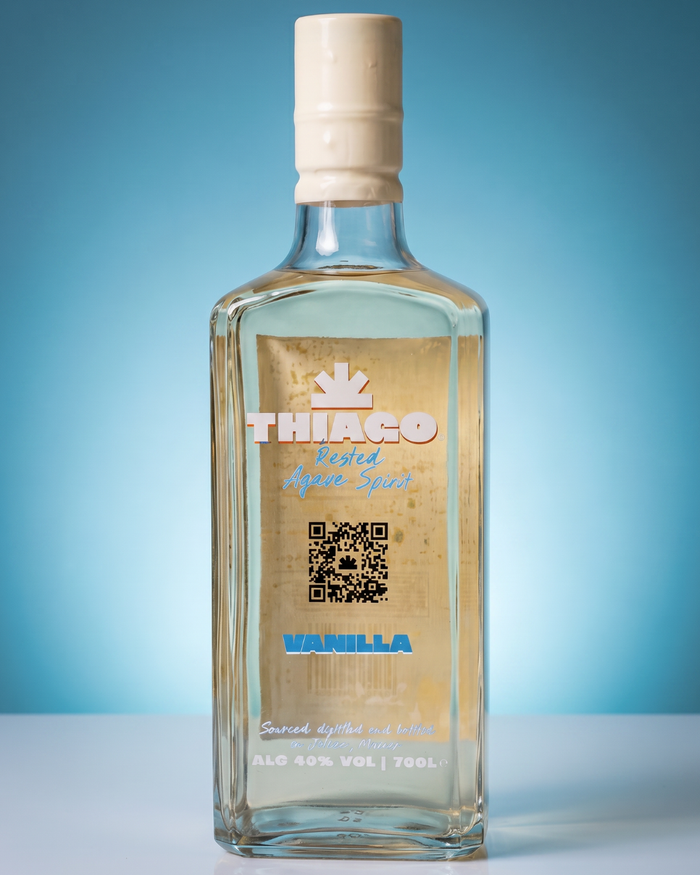
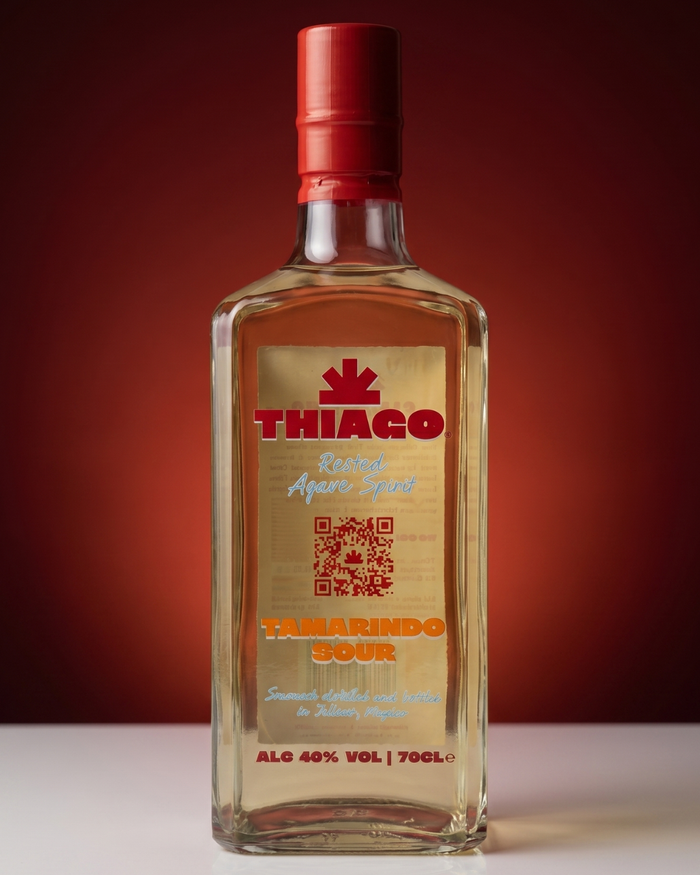
Our range demonstrates this commitment. Thiago Vanilla uses natural Mexican vanilla bean infused into 100% Blue Agave Reposado. No added sugar, no synthetic flavourings, no colour additives. You taste the vanilla and the tequila, nothing else. Same with Thiago Coffee, made with locally sourced coffee, and Thiago Black Cherry, infused with real black cherry.

The practical difference: additive-free flavoured tequilas taste cleaner and mix better in cocktails. When you're building a margarita or a spritzer, you're not fighting against artificial sweetness or synthetic notes. The spirit itself becomes the foundation rather than a vehicle for additives.
For UK consumers, checking the label for "no added sugar" and "natural flavouring" is your best filter. If a flavoured tequila lists "flavouring compounds" or "caramel colour" without specifying the source, it's using additives. Transparent producers will tell you exactly what went into the bottle.
Reposado Tequila Cocktails and Moderate Consumption
The health conversation around tequila ultimately comes down to how you drink it. A reposado tequila, aged six months in oak, smooth enough to sip neat, encourages moderate consumption in a way that rough, cheap spirits don't.
When you're drinking something genuinely good, you tend to drink less of it. A quality reposado invites you to slow down, taste it, and savour it. That's fundamentally different from knocking back shots of harsh mixto because you need the alcohol to make the experience tolerable.
Reposado cocktails showcase this balance. A Thiago Vanilla Mexican Mule, tequila, ginger beer, fresh lime, a touch of agave, is refreshing without being cloying. The spirit's smoothness means you don't need excessive sugar in the mixer to balance it. A Thiago Black Cherry Margarita tastes sophisticated because the cherry infusion is real, not synthetic, allowing the tequila's complexity to shine through.
Moderate consumption guidelines suggest 14 units of alcohol per week for adults in the UK. One 50ml serve of 40% ABV tequila is approximately one unit. The health benefit, if there is one, comes from drinking less overall, not from the tequila itself being "healthy."
The psychology matters, though. When you're drinking something you genuinely enjoy, you're more likely to pace yourself, eat food, stay hydrated, and make better decisions overall. Premium tequila encourages that behaviour in a way that cheap alternatives don't.
Thiago Tequila Minis Bundle: Premium Quality On the Go
Here's where premium tequila meets practical lifestyle. The Thiago Minis Bundle, three 50ml bottles for £15.99 with free delivery, changes how you can experience quality spirits without committing to full-size bottles.
For party goers and festival goers, 50ml serves are plane-baggage friendly and perfectly portioned for sampling. You get to try Thiago Black Cherry, Thiago Vanilla, and Thiago Coffee without waste. Each serve is clean, additive-free, and crafted to the same standard as the full-size bottles.
The bundle approach also solves the health angle elegantly. A 50ml serve is a single unit of alcohol, enough to enjoy a quality spirit without excessive consumption. You're not forced to choose between "having a drink" and "staying within moderate consumption guidelines." The portion size makes moderation built-in.
For home entertaining, the minis work as tasting flights. Set out all three flavours, let guests experience the range, and start conversations about which one they'd want in a full-size bottle. It's a smarter approach than opening three large bottles and hoping people finish them.
The free delivery matters too. You're not paying extra for convenience; you're getting premium, additive-free tequila delivered to your door at a fair price point.
The Reality: Is 100% Agave Tequila Healthier?
Let's be direct: 100% agave tequila is not inherently "healthier" than other spirits. Alcohol is alcohol. Your liver processes ethanol the same way regardless of whether it came from agave, grain, or grapes.
What 100% agave tequila offers is purity and transparency. You know what's in the bottle. You know it hasn't been cut with cheaper sugars or loaded with additives. You know the spirit was crafted with intention rather than produced at industrial scale with cost-cutting shortcuts.
For someone asking whether 100% agave tequila is healthier, the honest answer is: it depends on what you're comparing it to. Versus mixto tequila loaded with syrups and additives? Yes, 100% agave is the better choice. Versus other premium spirits? They're roughly equivalent, the health profile comes down to how much you drink, not what you drink.
The real advantage of premium 100% agave tequila is that it encourages better drinking habits. It tastes good enough to sip neat or with minimal mixers. It's smooth enough that you don't need to chase it or mask it. It's complex enough that you pay attention to it rather than treating it as a vehicle for intoxication.
That's not a health claim. That's a lifestyle claim. And that's where the conversation actually matters.
The question of whether 100% agave tequila is healthier reveals something deeper: most people asking it are really asking whether they can enjoy premium spirits without guilt. The answer is yes, but only if you're honest about consumption. Quality matters. Purity matters. Moderation matters most of all.
For UK drinkers seeking additive-free, premium flavoured tequila, try the Thiago Minis Bundle, three 50ml serves of 100% Blue Agave Reposado for £15.99 with free delivery. Experience the difference between real ingredients and synthetic shortcuts. That clarity of choice is where the real health conversation begins.
Frequently Asked Questions
What's the difference between 100% agave tequila and mixto?
100% agave tequila contains only agave sugars and fermentation byproducts, while mixto blends 51% agave with other sugars like cane or corn. Mixto production allows more additives during distillation to mask harsh flavours. The distinction matters because 100% agave spirits typically contain fewer additives and lower congener levels. Transparent producers will tell you exactly what went into the bottle.
Does 100% agave tequila have less sugar than other spirits?
Most spirits contain negligible residual sugar after fermentation and distillation, typically under 1 gram per 50ml serving. The real difference lies in agavins, a type of inulin found in agave. During fermentation, yeast metabolises these into alcohol, so they are not present in meaningful quantities in the finished spirit. This doesn't make tequila a health drink, but 100% agave varieties avoid the added syrups and sugars that lower-quality producers use to mask harsh flavours.
Is 100% agave tequila actually healthier to drink?
Healthier is relative. 100% agave tequila offers specific advantages: fewer additives, lower congener levels (which contribute to hangovers), and no added sugars or artificial sweeteners. However, alcohol itself carries health risks, liver metabolism, dehydration, and dependency potential remain unchanged regardless of tequila type. Moderate consumption (one to two drinks per occasion) is the deciding factor, not the spirit's purity. Quality matters for taste and hangover severity, not for transforming alcohol into a health product.
What should I look for when choosing premium 100% agave tequila?
Check the label for '100% Agave' or '100% Agave Azul' certification. Avoid products listing added sugars, caramel colouring, or glycerin. Reposado tequilas (aged 2-12 months in oak) develop smoother profiles. Additive-free production using real ingredients, not syrups, ensures authentic flavour. Thiago's range, for example, uses locally sourced Mexican ingredients with zero added sugar across all expressions.