Order a tequila soda at a good bar and the label matters more than the garnish. If the bottle says 100% blue agave tequila, you are starting from a different standard altogether - cleaner, more characterful, and far closer to what tequila should taste like.
That phrase gets thrown around a lot, but it is not marketing fluff when it is used properly. It tells you the spirit has been made entirely from sugars derived from blue Weber agave, the plant at the heart of genuine tequila production. For drinkers who care about flavour, provenance and a smarter pour, it is one of the clearest signals of quality on the bottle.
What 100% blue agave tequila actually means
Tequila can only be called tequila if it is produced in authorised regions of Mexico and follows strict production rules. But within that category, there is a significant difference between tequila made from 100% blue agave and tequila made with a mix of agave sugars and other fermentable sugars.
When a bottle is labelled 100% blue agave tequila, every bit of fermentable sugar used to make the spirit comes from blue Weber agave. No cane sugar. No shortcuts. No diluting the core identity of the liquid before flavour even enters the conversation.
That matters because agave is not a neutral raw material. It brings earthiness, pepper, citrus, herbal lift, minerality and sweetness that feels natural rather than sticky. If you strip that back or blend it with other sugar sources, you often lose some of the depth that makes tequila distinctive in the first place.
Why 100% blue agave tequila tastes better
Better is always subjective, and taste depends on the producer, the region, the cooking method and the barrel programme. Still, 100% blue agave tequila usually gives you a purer expression of the category. You get more agave presence on the nose, more structure on the palate and a finish that feels cleaner and more deliberate.
That does not mean every 100% agave bottle will automatically be excellent. Poor distillation can still flatten a spirit. Heavy-handed additives can still cover the agave. Yet if you are choosing between a bottle built entirely on blue agave and one that is not, the 100% route gives you a stronger foundation.
For casual drinkers, the difference often shows up in how the tequila sits in a simple serve. In a Paloma, tequila soda or neat pour over ice, 100% blue agave tequila tends to carry itself with more confidence. It does not need to hide behind sweetness.
The difference between mixto and 100% blue agave tequila
This is where the category separates quite sharply. Tequila that is not labelled 100% blue agave is often known as mixto. That means at least 51% of the fermentable sugars come from agave, while the rest can come from other sugar sources.
Mixto tequila has its place in some high-volume settings where price drives the decision. It can be lighter in agave character and is often used where the spirit is expected to disappear into mixers. If the goal is the cheapest possible shot on a crowded night, some venues will still lean that way.
But premium drinking has moved on. People want cleaner labels, stronger provenance and more honest flavour. They want a bottle that can work neat, in a short serve, or in a cocktail without becoming anonymous. That is exactly why 100% blue agave tequila continues to pull ahead.
Why origin still matters
Tequila is not just a recipe. It is a place product. Soil, altitude, climate and local production knowledge all shape the final spirit. Blue agave grown in the highlands of Jalisco, for example, is often associated with fruit-forward sweetness and a softer floral lift, while lowland expressions can lean more herbal, peppery and earthy.
That regional identity is part of what makes tequila compelling right now. Drinkers are not only chasing strength or trend value. They are paying attention to where a bottle comes from and whether the story in the glass feels real.
For a modern premium brand, authenticity is not about looking traditional for the sake of it. It is about respecting the fundamentals - proper agave, proper production, proper origin - and then building something current on top of that. That is a much stronger proposition than dressing up a sweetened spirit and hoping the branding does the work.
100% blue agave tequila and the flavoured spirits question
Flavoured spirits can divide opinion, and frankly, some of that scepticism is earned. Too many bottles in the wider market rely on syrupy profiles, artificial notes and a sugar-heavy finish that steamrolls the base spirit. The result is often more novelty than quality.
That does not have to be the model. If the base is 100% blue agave tequila and the flavour approach is disciplined, natural and balanced, the conversation changes. You are no longer masking poor liquid. You are adding dimension to a spirit that already has backbone.
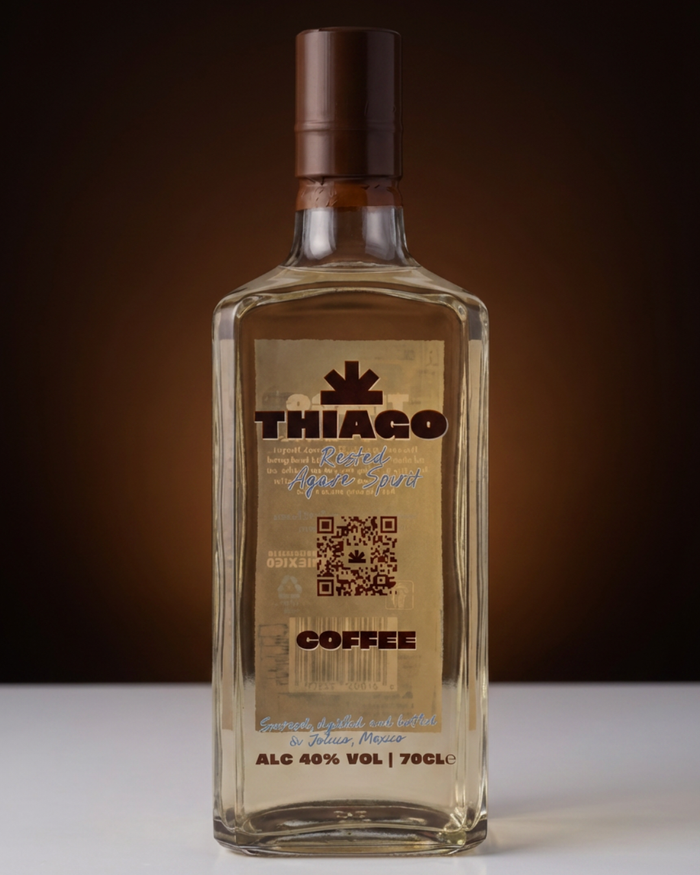
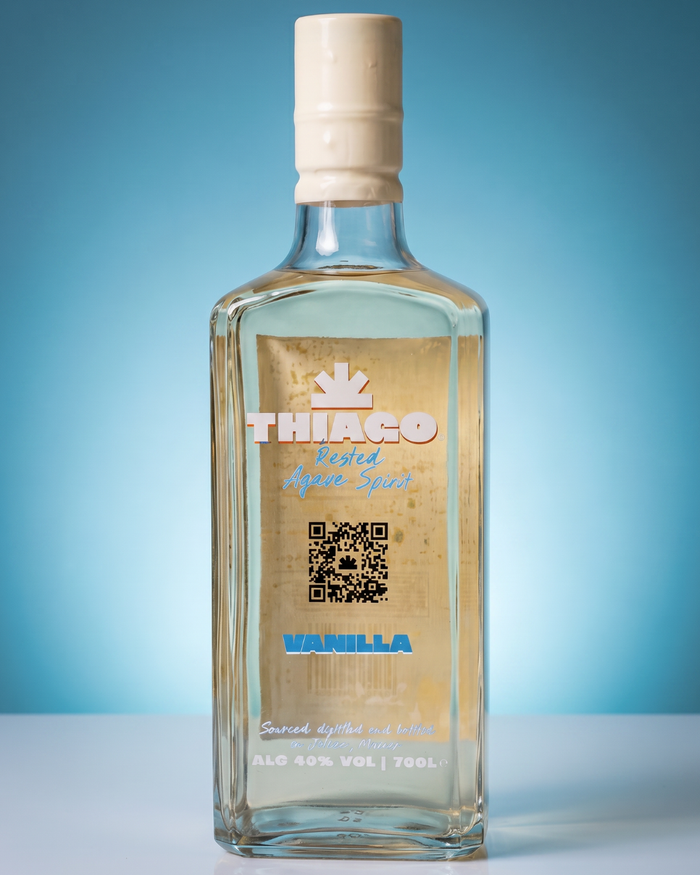
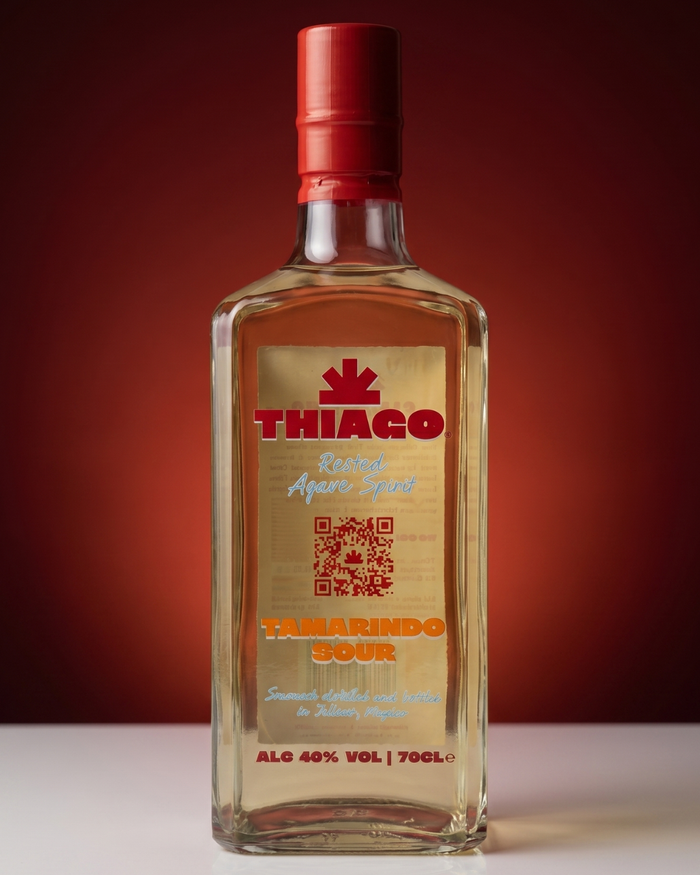
This is where premium flavoured tequila-based products stand apart when they are done properly. The agave still needs to show up. The flavour should complement, not bury. Coffee should bring roasted depth, vanilla should add warmth, black cherry should sharpen fruit character, and tamarindo should carry tang and edge rather than sugary excess.
That is a more contemporary drinking proposition - bold enough for a chilled shot, polished enough for a simple serve, and versatile enough for cocktails without turning cloying by the second sip.
How to spot quality beyond the label
The words 100% blue agave tequila matter, but they are not the only thing worth checking. A serious bottle should also make sense in how it talks about production and ingredients.
Look at the origin. Look at whether the brand is clear about where the agave is sourced, distilled and bottled. Pay attention to whether it leans on natural flavouring or hides behind vague language. If a bottle is making a premium claim, it should be comfortable being specific.
It is also worth noticing what is not in the liquid. Zero added sugar, no artificial additives and no colouring are not minor details for today’s drinker. They signal restraint, and restraint is often what separates polished spirits from loud but forgettable ones.
A reposado expression brings another layer. Time in barrel can round the edges, soften the profile and introduce gentle notes of spice, oak or vanilla. That makes it especially effective for drinkers who want character without aggression.
How to drink 100% blue agave tequila properly
There is no single correct way to drink tequila, and the old rules can be a bit tired. If you love it neat, great. If you want it in a highball with soda and fresh citrus, also great. The point of a quality tequila is versatility.
Neat or over ice, 100% blue agave tequila gives you the clearest read on the spirit. You can pick up the agave, the regional character and, if it is rested, the way oak has shaped the texture. In a simple serve, it still holds its ground while staying relaxed enough for social drinking.
Cocktails are where many drinkers really notice the difference. A sharper base spirit lifts a Margarita rather than getting buried in it. In a tequila soda, there is nowhere to hide, which is precisely why quality matters. If the liquid is clean, flavour-forward and naturally structured, minimal serves become the best advertisement.
For bars and hospitality buyers, that flexibility is commercial as well as sensory. One strong bottle can cover shots, premium mixed serves and signature cocktails without forcing a compromise on flavour or identity.
Why this standard matters now
Tequila is no longer a category people approach with low expectations. The audience is better informed, more selective and less willing to accept sugar-heavy shortcuts dressed up as excitement. They want flavour, but they want it built on something real.
That is why 100% blue agave tequila matters now more than ever. It signals a base level of integrity in a market that can still blur premium cues with gimmicks. It gives drinkers a cleaner benchmark. And it gives brands room to innovate without losing credibility.
Used well, this standard opens the door to a more modern kind of tequila culture - one that respects Mexican production heritage, values ingredient transparency, and still leaves space for bold flavour and contemporary serves. That is the lane brands like Thiago Tequila are pushing forward, and rightly so.
The next time you are choosing a bottle, think beyond the category name and look at the foundation. If it starts with 100% blue agave tequila, you are already drinking with better taste.