Table of Contents
- What Defines Additive-Free Tequila Brands
- Does Reposado Tequila Contain Sugar?
- How to Read Tequila Labels for Hidden Additives
- Is Tequila Keto Friendly and Low-Carb?
- Common Additives to Avoid in Reposado Tequila
- The Impact of Aging on Sugar Content and Purity
- Conclusion
Last Updated: August 9, 2026
What Defines Additive-Free Tequila Brands
Additive-free tequila is a spirit produced without synthetic flavourings, caramel colouring, glycerin, sweetening agents, or other chemical additives that mask or enhance the natural taste of the agave. True additive-free brands rely solely on the fermentation and distillation process, plus real Mexican ingredients when flavouring is intended, to deliver their character.
The distinction matters more than marketing suggests. Many tequila producers add glycerin to smooth the mouthfeel, caramel colouring to darken aged spirits artificially, or sweetening agents like high-fructose corn syrup to mask harsh alcohol notes. These additives aren't always disclosed prominently on labels, which is why discerning drinkers, especially those watching sugar intake or seeking authentic flavour, need to know what they're actually buying.
Authentic additive-free production follows the traditional Mexican distillation method. Agave plants are harvested, roasted, crushed, and fermented naturally. The resulting liquid is distilled to concentrate flavour and alcohol content. For reposado tequilas specifically, this spirit then rests in white oak barrels for a minimum of two months but typically six months, allowing the wood to impart subtle vanilla and caramel notes without any chemical intervention.
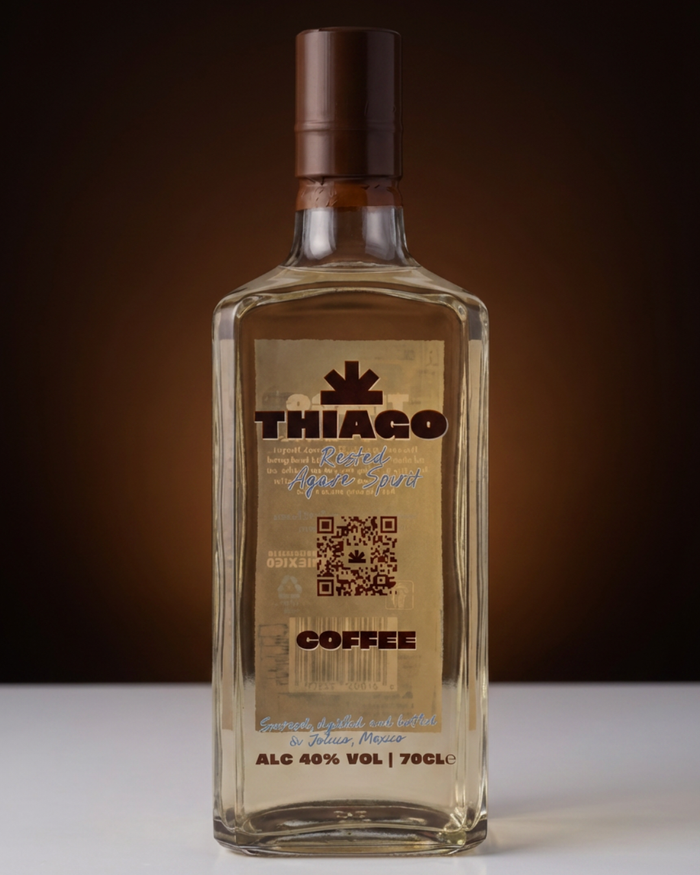
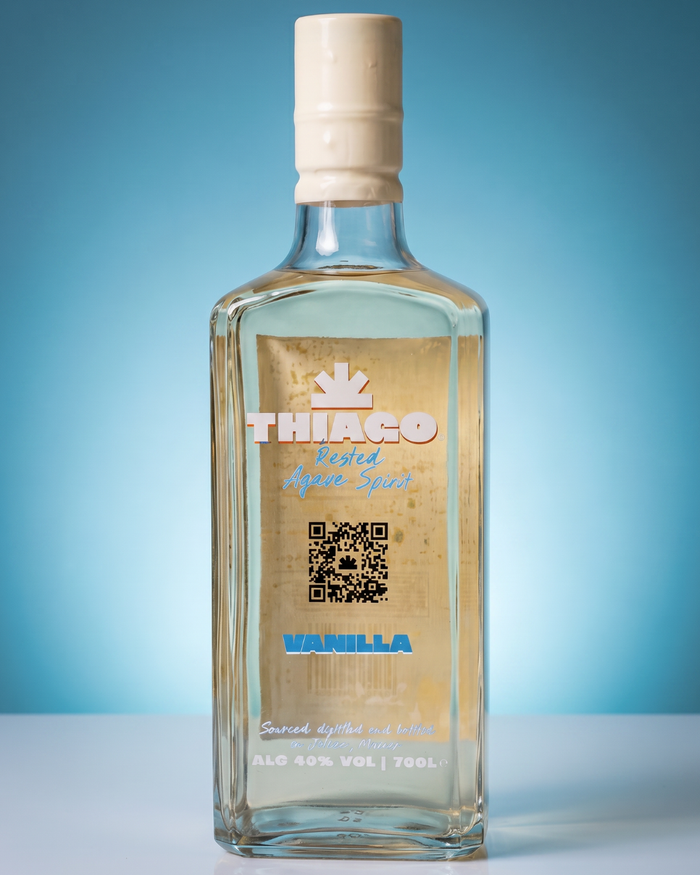
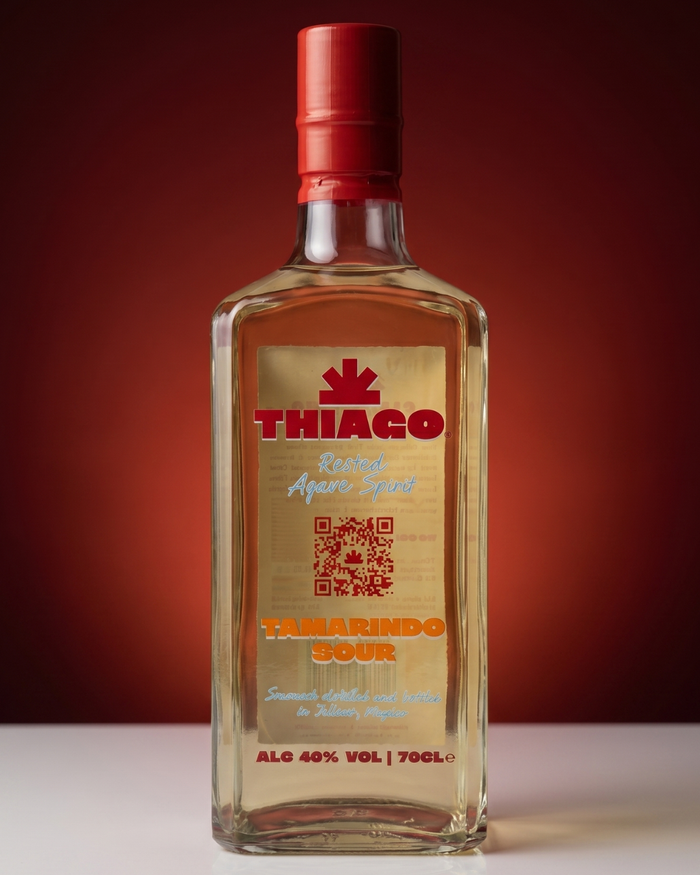
ThiagoTequilaCompany exemplifies this approach. Their reposado tequilas are sourced, distilled, and bottled in the highlands of Jalisco using 100% blue agave, then infused with real Mexican ingredients rather than syrups. The result is a spirit that tastes genuinely smooth without relying on additives to cover rough edges. This commitment to purity is what separates additive-free brands from the mass-market alternatives that rely on chemical shortcuts.
The real difference between additive-free and conventional tequila becomes apparent when you taste them side by side. Additive-free spirits have a cleaner finish, more nuanced flavour development, and a natural sweetness that comes from the agave itself, not from added sugars or artificial sweeteners.
Does Reposado Tequila Contain Sugar?
Reposado tequila contains minimal sugar in its final form, typically less than 1 gram per standard 50ml serving. The fermentation process converts nearly all of the agave's natural sugars into alcohol, meaning the spirit itself is effectively sugar-free by the time it reaches your glass.
However, the sugar content story is more complex when additives enter the picture. Many reposado producers add sweetening agents, often disguised as "natural flavours" on the label, to create a smoother, more palatable taste. These additions can introduce carbohydrates that affect blood glucose levels, particularly in people managing diabetes or following low-carb diets.
During fermentation, yeast consumes the sugars from the agave plant and converts them into ethanol and carbon dioxide. A properly fermented reposado starts with agave containing roughly 15-20% sugar by weight. By the end of fermentation, those sugars are nearly gone, replaced by alcohol. This is why pure, additive-free reposado tequila is genuinely low in residual sugar.
The confusion arises because some producers add sweetening agents after distillation. Glycerin, for example, creates a silky mouthfeel and tastes slightly sweet, but it's not technically sugar. Other brands use actual sugar syrups, caramel, or artificial sweeteners to smooth the spirit. These additions aren't always obvious on the label, which is why reading the ingredient list carefully is essential.
ThiagoTequilaCompany's reposado range contains no added sugar. The smooth taste comes from the six-month ageing process and the quality of the base spirit, not from sweetening agents. This matters for anyone tracking carbohydrate intake or simply preferring the authentic taste of agave without chemical manipulation.
How to Read Tequila Labels for Hidden Additives
Reading a tequila label correctly is the first step toward identifying additive-free spirits. The key is understanding what you're looking for and where producers hide information.
Start with the ingredient list. By law, tequila producers must disclose additives, but the labelling can be deliberately vague. Look for these red flags:
- Caramel colouring, added to aged tequilas to darken them artificially or make younger spirits look older
- Glycerin, creates a silky mouthfeel but masks the true character of the spirit
- Sweetening agents, listed as sugar, high-fructose corn syrup, agave syrup, or "natural flavours"
- Artificial flavourings, any synthetic compound used to enhance or mask taste
The phrase "natural flavours" is particularly deceptive. It's technically honest but obscures what's actually in the bottle. A genuinely additive-free reposado will either have no ingredient list beyond "100% blue agave" or will list only real ingredients like vanilla, black cherry, or coffee, actual items you can identify.

Next, check the NOM (Norma Oficial Mexicana) number. Every legitimate Mexican tequila has a four-digit NOM printed on the label, identifying the distillery where it was produced. You can verify this number on the Tequila Regulatory Council's database to confirm the producer's credentials and reputation. Legitimate distilleries take pride in their NOM; if a brand obscures or omits it, that's a warning sign.
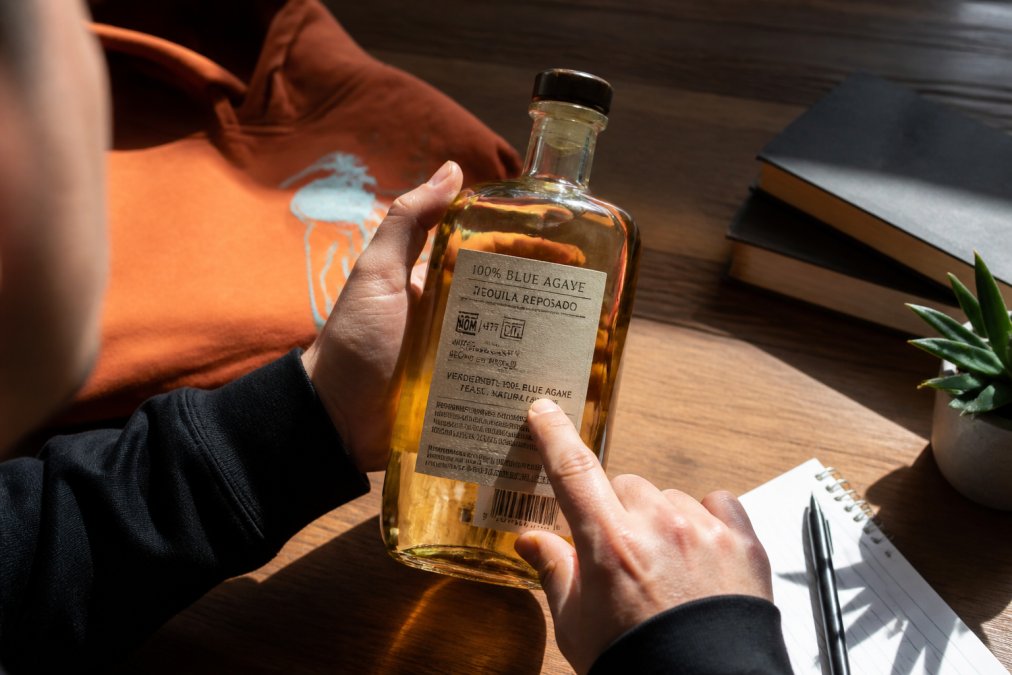
Look for "100% agave" on the label. This guarantees the spirit is made entirely from agave, not a blend with neutral grain spirits. Tequilas labelled simply "tequila" (without the 100% agave claim) can contain as little as 51% agave, with the rest made from other sugars. For additive-free quality, 100% blue agave is non-negotiable.
The colour of the spirit offers another clue. Blanco (unaged) tequila should be clear or very pale. Reposado should have a light golden or amber tone from the barrel ageing alone. If a reposado looks unnaturally dark or has an orange tint, caramel colouring has likely been added. Genuine wood ageing produces subtle colour changes, not dramatic darkening.
Finally, check the alcohol content. Standard tequila is 40% ABV. Anything significantly lower may indicate dilution or the addition of other ingredients to adjust the final product.
Is Tequila Keto Friendly and Low-Carb?
Pure, additive-free reposado tequila is keto-friendly and genuinely low-carb. A standard 50ml serving contains virtually zero carbohydrates and zero sugar, making it one of the few spirits compatible with strict ketogenic diets.
The reason is straightforward: fermentation removes the carbohydrates. The agave plant's natural sugars are metabolised entirely during the fermentation process, leaving behind only alcohol and trace compounds. A single shot of additive-free tequila won't spike blood glucose or disrupt ketosis.
However, this benefit evaporates the moment additives enter the picture. Tequilas sweetened with glycerin, sugar syrups, or artificial sweeteners introduce carbohydrates that can affect ketone production. A reposado with added sweetening agents might contain 1-3 grams of carbohydrates per serving, which is significant on a strict keto diet where daily carb limits are often 20-50 grams.
The distinction between additive-free and sweetened tequila becomes critical for anyone using alcohol as part of a low-carb lifestyle. A person on keto can enjoy a reposado neat or over ice without concern, but mixing it with sugary cocktail mixers (tonic, cola, juice) defeats the purpose entirely.
ThiagoTequilaCompany's reposado tequilas fit seamlessly into keto and low-carb approaches. The sugar-free profile means you're consuming pure spirit with no hidden carbohydrates. The real Mexican ingredients used for flavouring, vanilla, black cherry, coffee, add taste complexity without adding carbs.
try all three minis · £15.99 →
For those not following keto but simply watching carbohydrate intake, additive-free reposado remains an excellent choice. It delivers flavour and smoothness without the metabolic impact of sweetened alternatives.
Common Additives to Avoid in Reposado Tequila
Understanding which additives appear most frequently in reposado production helps you identify and avoid them when shopping.
Glycerin is perhaps the most common additive in aged tequilas. Producers add it to create a silky, smooth mouthfeel that masks harsh alcohol notes. Glycerin is technically a sugar alcohol, not sugar itself, but it still contains calories and can affect blood glucose in sensitive individuals. More importantly, it obscures the true character of the spirit. A reposado that relies on glycerin tastes artificially smooth; a genuinely aged reposado develops natural smoothness from barrel maturation.
Caramel colouring is added to reposado and añejo tequilas to deepen their colour artificially or to make younger spirits appear older. This is purely cosmetic, it adds no flavour but signals that the producer is prioritising appearance over authenticity. Some caramel colouring compounds contain sulphites, which can trigger reactions in sensitive individuals.
Sweetening agents come in multiple forms. High-fructose corn syrup is common in mass-market brands. Some producers use actual sugar or agave syrup. Others add artificial sweeteners like aspartame or sucralose. All of these are added post-distillation to make the spirit taste smoother or more palatable. They directly contradict any claim of being additive-free or sugar-free.
Flavouring compounds listed vaguely as "natural flavours" or "flavouring agents" are often synthetic molecules designed to mimic taste. A genuinely flavoured reposado, like Thiago's vanilla, black cherry, or coffee varieties, uses real ingredients infused into the spirit. Synthetic flavourings are cheaper and more stable but taste artificial and processed.

Oak extract is sometimes added to younger spirits to simulate the effects of barrel ageing. Rather than spending six months in oak, a producer might add oak extract to a younger tequila and call it "reposado." This is technically legal but defeats the purpose of proper ageing. Genuine reposado develops complexity through time in wood; extract-treated spirits taste flat and artificial.
Sulphites are used as preservatives in some tequilas. While sulphites occur naturally in fermentation, some producers add additional amounts. For people with sulphite sensitivity, this can cause adverse reactions. Quality producers disclose sulphite content; if it's not mentioned, assume minimal additions.
The common thread across all these additives is that they're used to compensate for shortcuts or poor-quality base spirits. A genuinely excellent reposado, aged properly, distilled carefully, and made from quality agave, doesn't need chemical enhancement. It tastes smooth, complex, and authentic on its own.
The Impact of Aging on Sugar Content and Purity
Ageing in oak barrels doesn't reduce sugar content, it transforms the spirit's character while maintaining its low-sugar profile. Understanding this distinction is crucial for anyone choosing between blanco, reposado, and aged tequilas.
When a spirit enters the barrel, it contains virtually no residual sugar from fermentation. The barrel-ageing process doesn't remove sugar; instead, it introduces new flavour compounds through wood contact and oxidation. The tannins, vanillins, and caramel notes that develop during ageing come from the oak itself, not from added sugars.
This is where the additive trap becomes most obvious. Some producers artificially darken young spirits with caramel colouring or add glycerin to create the smoothness associated with aged tequila. A consumer might taste a "reposado" that's actually a young tequila with additives, mistakenly believing they're drinking a properly aged spirit.
Genuine reposado ages for a minimum of two months but typically six months in white oak barrels. This time allows the spirit to develop subtle complexity, notes of vanilla, wood spice, and caramel, while remaining naturally low in sugar. Extra añejo tequilas, aged three years or more, develop even deeper wood character and smoother mouthfeel, again through time and oxidation, not additives.
The purity argument for aged tequila is straightforward: longer ageing in quality barrels requires a better base spirit to start with. A producer investing six months or more in barrel space can't afford to use poor-quality agave or inadequate distillation. The economics of the business push toward quality.
ThiagoTequilaCompany's six-month reposado resting period allows the spirit to develop genuine complexity without relying on additives. The highland agave, careful distillation, and proper oak contact create a smooth, authentic product that tastes clean and balanced, proof that additive-free production is entirely compatible with premium quality.
For consumers, the takeaway is simple: longer ageing signals investment in quality. But ageing alone doesn't guarantee purity. Always verify the ingredient list and check for additives, regardless of how long a tequila has spent in the barrel.
The bottom line: Additive-free reposado tequila is genuinely sugar-free and delivers authentic flavour without chemical shortcuts. Reading labels carefully, checking for NOM numbers, ingredient transparency, and the 100% agave claim, allows you to identify truly premium spirits. ThiagoTequilaCompany's range exemplifies this commitment to purity, offering smooth, naturally flavoured reposados sourced from the highlands of Jalisco with no added sugar or synthetic ingredients. Whether you're sipping neat, over ice, or mixing cocktails, choosing additive-free spirits means enjoying real flavour without compromise. Explore ThiagoTequilaCompany's collection and experience the difference authentic production makes, try their Vanilla, Black Cherry, or Coffee varieties, all crafted with real Mexican ingredients and zero added sugar.

Frequently Asked Questions
Does reposado tequila contain sugar?
Pure reposado tequila made from 100% blue agave contains minimal natural sugars from the fermentation process, but genuine additive-free reposado should have no added sugar. The fermentation converts most agave sugars into alcohol. However, many commercial reposados include sweetening agents, glycerin, or caramel colouring to mask harsh flavours or create a cloying sweetness. Always check the label for 'no additives' claims and verify the NOM (Norma Oficial Mexicana) certification to confirm authenticity.
What is the difference between additive-free tequila brands and standard reposado?
Additive-free tequila brands skip synthetic sweeteners, glycerin, caramel colouring, and artificial flavours entirely. Standard reposado often relies on these additives to smooth harsh edges or enhance perceived quality. Authentic additive-free spirits depend on proper fermentation, distillation, and aging in oak barrels to develop natural mouthfeel and complexity. The result tastes cleaner and less cloying, though it requires higher-quality agave and better craftsmanship. Brands using traditional methods and 100% blue agave deliver genuine purity without chemical shortcuts.
Is tequila keto friendly if it has no added sugar?
Yes, sugar-free reposado tequila is keto friendly. A standard 40ml serving of pure tequila contains roughly 0.5g of carbohydrates and no added sugars, making it suitable for ketogenic diets. However, mixers and cocktails can quickly add carbs, so stick to sugar-free options like soda water, lime juice, or neat pours. Always verify the label states 'no added sugar' and avoid brands using artificial sweeteners or sugar alcohols if you're sensitive to them. Pure additive-free reposado provides the cleanest keto-compatible option.
How can I tell if a reposado tequila is genuinely sugar free?
Look for three key markers: a NOM (Norma Oficial Mexicana) number on the label confirming it's genuine Mexican tequila, '100% blue agave' stated prominently, and an ingredient list that shows only agave, water, and yeast with no mention of glycerin, caramel colouring, sweetening agents, or natural flavours. Avoid vague marketing terms like 'smooth' or 'premium' without proof. Check the distillery's transparency about their fermentation and aging process. Reputable brands clearly state their production methods and sourcing, making it easy to verify authenticity rather than relying on marketing buzzwords.