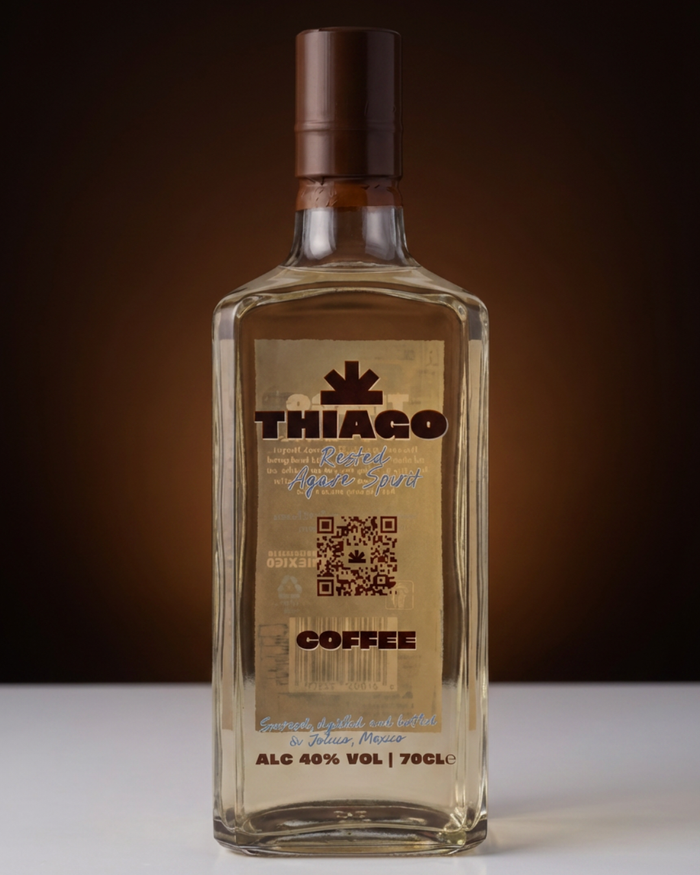
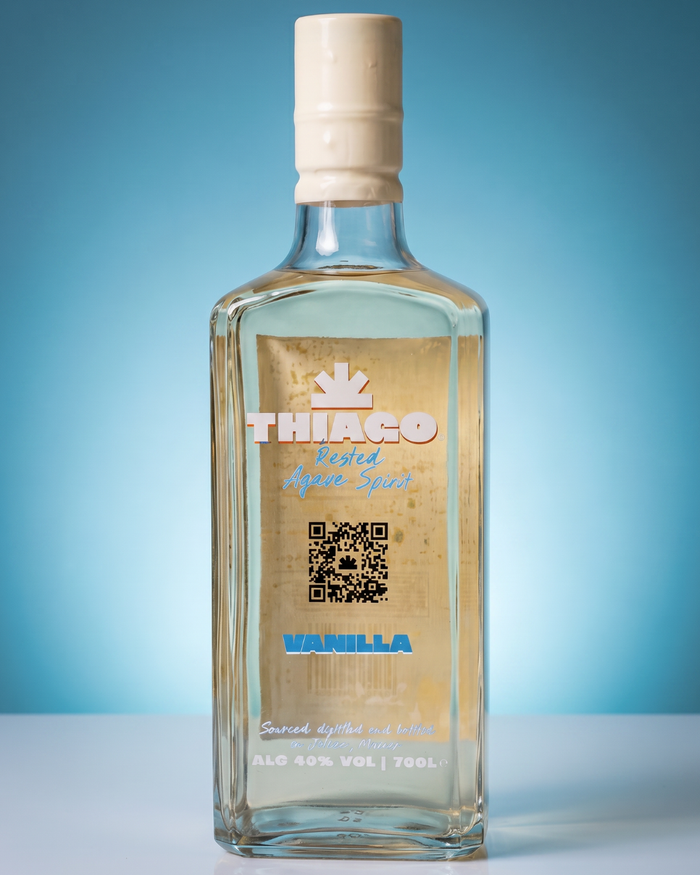
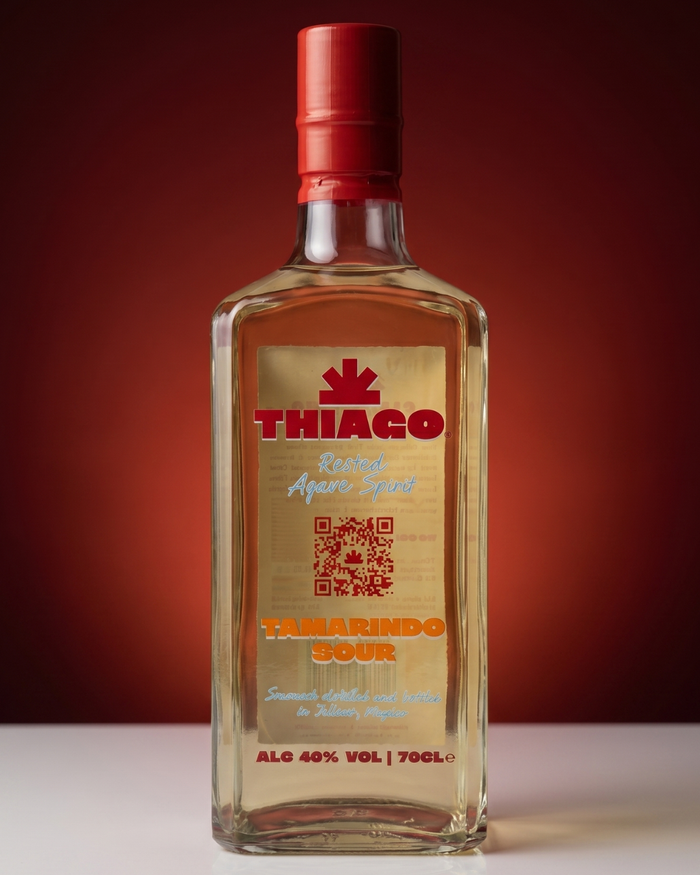
You can taste when a spirit is hiding behind sugar, syrupy flavouring and a heavy-handed finish. You can also taste when it has nothing to hide. That is where a proper guide to clean ingredient spirits starts - not with marketing language, but with what is in the bottle, what is not, and whether the liquid still delivers character without shortcuts.
For modern drinkers, ingredient transparency is no longer niche. It is part of the buying decision, right alongside flavour, provenance and how a bottle looks on the back bar. People want spirits that feel sharper, better made and more considered. In practice, that usually means fewer unnecessary additions, more respect for the base spirit, and flavours that taste real rather than manufactured.
What clean ingredient spirits actually mean
Clean ingredient spirits are not a formal legal category. You will not find one universal industry definition stamped across every label. That matters, because the phrase can be used loosely.
At its best, clean means a spirit made with clear intent: a quality base, transparent production, natural flavour choices where flavour is added, and no reliance on artificial additives, colouring or loads of added sugar to create appeal. It is less about wellness language and more about standards.
That does not mean every clean spirit has a tiny ingredient list or tastes austere. A naturally flavoured reposado tequila, for example, can still be bold, layered and full of personality. The difference is that the flavour should work with the spirit, not bury it under sweetness.
Why the category matters more now
Premium drinkers have become harder to impress. They know the difference between a spirit built for quick novelty and one built for repeat pours. If a product leans too synthetic, too sweet or too flat, people notice.
That shift has pushed ingredient quality to the forefront. The rise of premium agave spirits, better cocktail culture and more educated consumers means shoppers are reading labels more closely and asking smarter questions. They want authenticity, but they also want flavour. They want something expressive, but not clumsy.
This is exactly why clean ingredient spirits are gaining traction. They suit the way people drink now - more selectively, with better taste, and with less patience for filler.
A guide to clean ingredient spirits on the label
The label will not tell you everything, but it tells you more than many people think. Start with the base spirit. If the producer is proud of what sits underneath the flavour, they will usually say so clearly.
With tequila, that means looking for 100% blue agave rather than a vague tequila reference. With other categories, it might mean clear mention of the raw material, distillation method or place of origin. Provenance is not decoration. It is often the first sign that the producer takes the liquid seriously.
Then look at the flavour language. Words like natural flavouring or naturally flavoured are generally a stronger sign than broad, synthetic-sounding descriptions. If the bottle leans heavily on colour, candy-style naming or dessert cues, that can suggest the profile is being built from sweetness first and spirit second.
Finally, pay attention to claims around added sugar, artificial additives and colouring. No single phrase guarantees quality, but when a brand is open about what it has left out, it usually signals confidence in what remains.
The trade-off: clean does not always mean simple
There is a lazy assumption that cleaner spirits must taste lighter, safer or somehow less fun. That is not true. Often the opposite is the case.
When a producer avoids excess sugar and artificial additions, there is less room to fake flavour. The base liquid has to carry more of the experience. That can create a more vivid and grown-up result - richer agave notes, better texture, cleaner finish, and flavours that stay precise rather than turning sticky.
The trade-off is that cleaner products can be less instantly obvious to palates trained on highly sweetened flavoured spirits. If someone expects confectionery-level intensity, a more natural expression may feel drier or more structured at first. But for many drinkers, that is exactly the point. It tastes premium because it behaves like a spirit, not a shortcut.
Clean ingredients and flavoured spirits can work together
Flavoured spirits have often been treated as the unserious corner of the category. Too many deserve that reputation. They are built to shout, not to last.
But flavour itself is not the problem. Bad flavouring is the problem. A premium flavoured spirit can absolutely sit within a clean ingredient approach if the base is authentic, the flavour source is natural, and the final profile avoids the syrupy drag that makes one glass enough.
Reposado tequila is a strong example because it already has structure. You have cooked agave, oak influence and depth before flavour enters the picture. When natural notes such as coffee, vanilla, black cherry or tamarind are layered with restraint, the result can be versatile and polished rather than gimmicky.
That is where the category gets interesting. A clean ingredient spirit does not have to be neutral or minimal. It can be bold enough to enjoy neat, sharp enough for a simple serve, and distinctive enough to earn its place in cocktails.
How to judge quality beyond the ingredient claim
A clean label is a good start, but not the whole story. Some products use clean-sounding language while delivering a forgettable drink. Real quality comes from how the liquid performs.
Ask whether the spirit has a clear sense of origin. Does it feel rooted in a category, a raw material and a production method, or could it be anything in a polished bottle? Strong provenance usually shows up in the glass.
Then consider balance. If flavour has been added, can you still identify the original spirit? You should be able to. In a well-made product, the base and flavour move together. One should not flatten the other.
Texture matters too. Cleaner ingredient choices often create a more precise finish, but the spirit should still have weight and length. Thin and clean is not the same as premium and clean.
Who clean ingredient spirits are really for
Not every consumer is looking for the same thing. Some want a pure sipping spirit with no flavour additions at all. Others want versatility - something that works across serves without tipping into sugar-heavy territory.
Clean ingredient spirits tend to appeal most to people who want both standards and style. They care about what they are drinking, but they still want flavour, social energy and bottles with presence. They are choosing for house parties, dinner tables, back bars and weekend gifting, not for a laboratory shelf.
That is why this space has grown fastest in premium casual drinking. People want spirits that feel current and elevated without becoming stiff. They want cleaner choices that still know how to show up.
The agave advantage in a guide to clean ingredient spirits
Agave spirits sit naturally in this conversation because the best examples begin with such a distinctive raw material. When made from 100% blue agave and produced with care, tequila offers depth before any flavour innovation enters the frame.
That gives producers a stronger foundation if they want to create something contemporary without lowering the standard. A reposado tequila from Jalisco already brings authenticity, place and texture. If the producer then keeps the ingredient philosophy tight - no added sugar, no artificial additives, no colouring - the result can feel modern without losing category credibility.
This is one reason brands such as Thiago Tequila are reshaping expectations around flavoured tequila. The proposition is not sweetness dressed up as premium. It is proper reposado tequila, naturally flavoured, built for people who want edge and integrity in the same glass.
How to buy smarter
If you are choosing between bottles, trust specifics over vague lifestyle language. Look for a producer that tells you what the spirit is made from, where it comes from and what has or has not been added. If the details are fuzzy, there is usually a reason.
Think about how you actually drink. If you want a bottle for neat pours and stripped-back serves, cleaner ingredient spirits often reward that choice because there is less clutter in the profile. If you mainly mix cocktails, they still matter - perhaps more so - because cleaner ingredients tend to create a sharper, more controlled result.
Price is part of the equation as well. Premium ingredients and proper production usually cost more. That does not mean the most expensive bottle is automatically the best, but genuinely clean, authentic spirits are rarely bargain-basement products.
The best bottle is the one that stays honest from first glance to final sip. If the spirit tastes like it respects its raw material, if the flavour feels real, and if the finish leaves you wanting another pour rather than a glass of water, you are probably on the right track. Clean ingredient spirits are not about drinking less flavour. They are about refusing the fake stuff and expecting more from what is poured.