
One bottle says agave. Another says liqueur. Both promise flavour. Only one may deliver the clean, full-strength profile you actually want. That is why agave spirit versus liqueur matters more than the front label suggests, especially if you care about what is in the glass, how it drinks, and whether it holds up beyond a novelty first pour.
For anyone buying with a sharper eye - whether for your home bar, a back-bar line-up, or a menu that needs stronger premium cues - the distinction is not small print. It changes the alcohol strength, the sweetness, the texture, and the way the product performs in simple serves and cocktails. In premium agave, details separate modern flavour from sugary compromise.
Agave spirit versus liqueur: what is the actual difference?
At the simplest level, an agave spirit is a spirit-based product built around agave distillate, while a liqueur is a sweeter flavoured alcoholic drink that typically includes a significant amount of added sugar. That sounds straightforward, but the drinking experience is very different.
An agave spirit keeps the spirit character front and centre. You still get the cooked agave depth, the structure from oak if it is rested, and a proper alcoholic backbone. If flavour is added, the best versions work with that base rather than burying it. A liqueur, by contrast, is usually designed to be softer, sweeter, and more confectionery in profile. The spirit becomes secondary. Sugar does much of the heavy lifting.
That difference shows up immediately on the palate. Agave spirit tends to taste cleaner, drier, and more defined. Liqueur tends to taste rounder, thicker, and sweeter. Neither format is automatically wrong. It depends what you want. But they are not interchangeable, and brands that blur the line often do it because consumers still associate flavour with sweetness.
Why ABV tells you a lot
If you want a fast clue, look at the alcohol content. A premium agave spirit often sits at full spirit strength, while many liqueurs come in much lower. That lower ABV is not just a technical detail. It affects body, balance, aroma release, and versatility.
A 40% ABV agave spirit carries itself like a proper spirit. It can be sipped neat, served over ice, or mixed without disappearing. It has enough weight to stand beside citrus, soda, coffee notes, ginger beer, or vermouth-style modifiers. In a busy bar setting, that matters. On a home shelf, it matters just as much, because one bottle can do more.
A liqueur has a different job. Lower strength and more sugar can make it easier for some drinkers on the first taste, but it also narrows how the bottle performs. In mixed drinks, sweetness can dominate before flavour develops any nuance. In longer serves, it may feel sticky rather than refreshing. If you are after a bold but polished pour, lower ABV often reads less premium, not more.
Sugar changes everything
The biggest divide in agave spirit versus liqueur is usually sugar. This is where ingredient transparency starts to matter.
Liqueurs are commonly built around sweetness. That can be useful in small measures, especially when a recipe needs richness or dessert-like character. But high sugar can flatten an agave base and make every flavour note feel louder yet less precise. Coffee becomes syrupy. Vanilla turns custardy. Fruit leans jammy. After one glass, that profile can feel heavy.
A well-made flavoured agave spirit takes a smarter route. Instead of leaning on sugar for impact, it lets the tequila or agave base do the work, then builds flavour with restraint. The result is more adult, more versatile, and frankly more interesting. You can taste the category rather than just the sweetener.
That is why zero added sugar is not a throwaway claim. It signals intent. It tells you the brand is confident enough in the liquid to avoid masking it.
Flavour profile: layered or loaded?
This is where quality becomes obvious. A premium agave spirit should still taste like agave first, with flavour integrated into the base rather than pasted on top. If the product is reposado-based, you may get vanilla, oak, spice, and cooked agave naturally before any additional flavouring even enters the picture.
That foundation makes flavoured agave spirit far more compelling than many drinkers expect. Coffee can read roasted and dry rather than sugary. Black cherry can bring depth instead of just candy-like fruit. Tamarind can feel bright, savoury, and sharp-edged in a good way. Vanilla can sit in the natural warmth of the aged spirit rather than drifting into dessert territory.
A liqueur often goes harder and broader. The flavour is immediate, but not always layered. That can work for niche serves or after-dinner drinking, yet it rarely gives you the same sense of craft. If your bottle tastes like one-note sweetness from first sip to finish, the base spirit is probably not doing much.
What to look for on the label
If you want to buy better, the label tells a story. You just need to know where to look.
Start with the spirit base. Is it made from 100% Blue Agave? Is it tequila-based? Is it reposado? Those details matter because provenance and production standards shape the final drink. A bottle rooted in Jalisco with a proper tequila base is operating in a different league from a flavoured alcohol product that uses agave as a vague marketing cue.
Then check the ABV. Full-strength products signal confidence and flexibility. Next, scan for added sugar, artificial additives, and colouring. Brands that avoid all three are making a deliberate quality statement. They are betting on cleaner flavour and stronger category credibility.
Finally, pay attention to terminology. If it says liqueur, expect sweetness to be central. If it positions itself as an agave spirit, look at whether the rest of the information backs that up. Premium language alone is easy. The bottle needs receipts.
Which one works better in cocktails?
For serious cocktail use, agave spirit usually offers more room to play. Because it is less syrupy and more structurally sound, it can carry simple serves beautifully. You do not need to bury it under juices or modifiers. A premium flavoured agave spirit can work with soda, tonic, cold brew, ginger, citrus, or even simply over ice, and still keep its identity.
That makes it especially attractive to bars and restaurants. One bottle can cover a lot of ground without turning every drink into a sugar bomb. It also gives bartenders and hosts more control. They can add sweetness if they want it, rather than trying to strip it back.
Liqueur has a place, but usually in a supporting role. It can be useful in smaller amounts for layering flavour or adding richness. The trade-off is obvious: if the bottle arrives already sweetened and softened, your options narrow. You are starting with someone else’s idea of balance.
Agave spirit versus liqueur for modern drinkers
Drinking habits have shifted. People still want flavour, but they are reading labels more closely, drinking more selectively, and expecting better ingredients. The old formula of flavoured alcohol meaning neon colour, syrupy texture, and low-proof sweetness feels tired.
That is exactly why premium flavoured agave spirit has traction. It speaks to a more switched-on drinker who wants authenticity without austerity. They want Mexican provenance, proper spirit strength, and flavour that feels contemporary rather than gimmicky. They want something bold enough to drink neat and flexible enough to use socially. They also want a bottle that looks and tastes like it belongs in a premium setting.
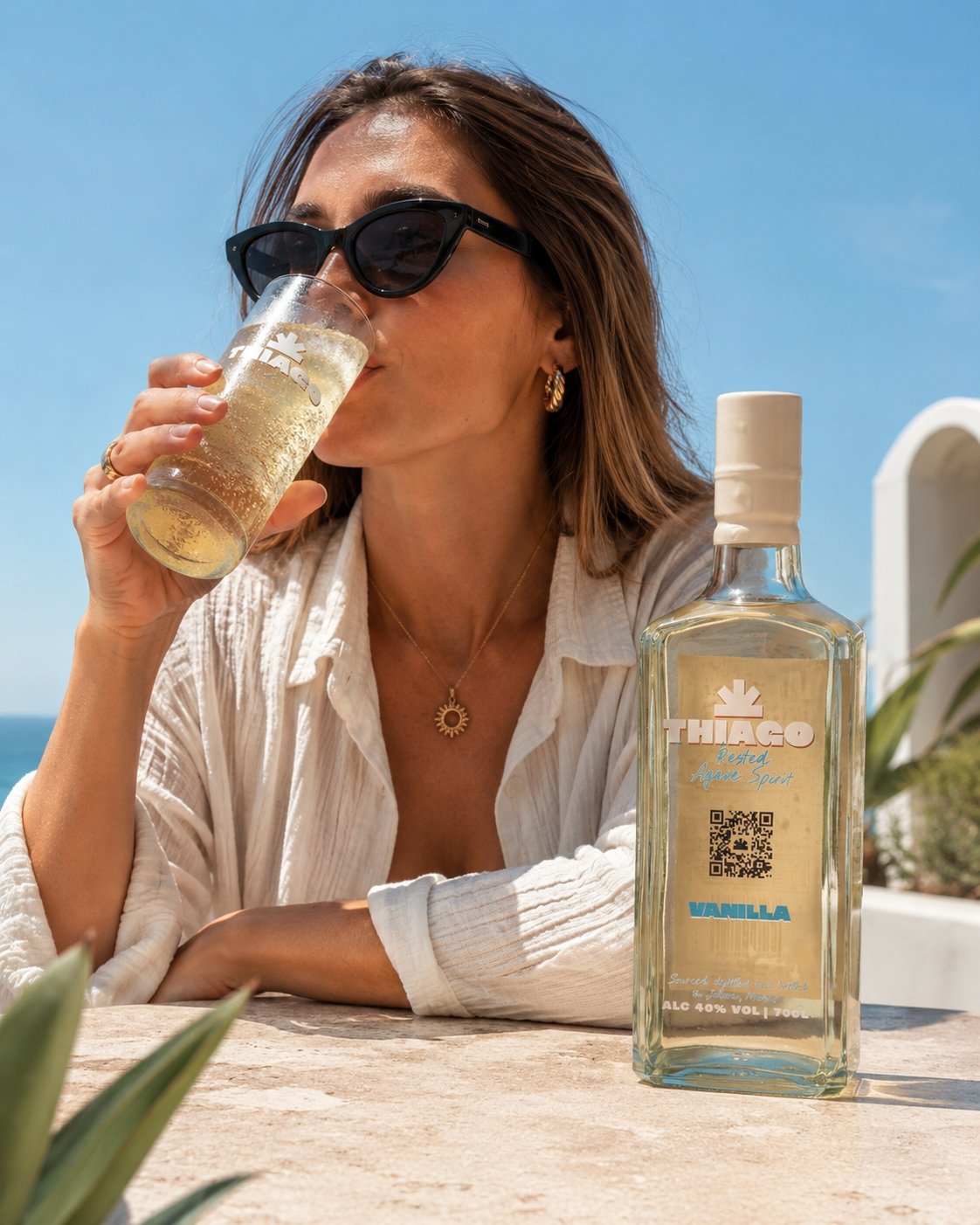
This is where brands such as Thiago Tequila stand apart. A 40% ABV reposado tequila base, natural flavour, zero added sugar, and no artificial additives is not a liqueur move. It is a quality move. It says flavour can be modern without compromising the spirit underneath.
So which should you choose?
If you want a sweeter, softer bottle for occasional dessert-style serves, a liqueur may suit you. There is no point pretending otherwise. Some drinkers actively want that easy, sugary profile.
But if you want flavour with definition, proper strength, and a cleaner finish, agave spirit is the sharper choice. It offers more complexity, more flexibility, and more credibility in premium drinking moments. It is the bottle you reach for when you want the agave to stay visible, not vanish behind sugar.
The smarter buy is usually the one that tells you exactly what it is, then proves it in the glass. Look for full strength, real agave credentials, natural flavouring, and restraint where others lean on sweetness. Your palate will notice the difference before the label even leaves your hand.
When flavour is done properly, it should add character, not cover flaws. That is the standard worth buying into.