If you have ever picked up a bottle and wondered what is reposado tequila, the short answer is this: it is tequila that has been rested in oak barrels long enough to gain extra depth, but not so long that it loses its agave identity. That middle ground is exactly why reposado has become the style for drinkers who want more character, more versatility, and a cleaner finish without drifting too far from the spirit’s roots.
Reposado sits in a sweet spot. It is not as raw and bright as blanco, and it is not as heavily influenced by wood as añejo. For many people, that balance is the point. You still get the earthy, peppery, citrus-led profile that makes tequila unmistakably tequila, but you also get a rounder texture, softer edges, and subtle notes shaped by time in barrel.
What is reposado tequila by definition?
Reposado means rested. Under tequila regulations, reposado tequila must be aged in oak barrels or casks for a minimum of two months and less than one year. That ageing period matters because it changes both flavour and feel.
A blanco is usually all about fresh agave character. Reposado takes that same base and gives it time to settle, absorb a little oak influence, and develop more layered notes. Depending on the producer, that can mean hints of vanilla, light spice, caramel, toasted wood, or soft baking spice. The key is restraint. Reposado should still taste like tequila first.
That is where quality makes a difference. A well-made reposado is not trying to cover flaws with barrel influence. It uses oak to complement the agave, not bury it. When the balance is right, the result is silkier, richer and more versatile than many drinkers expect.
How reposado tequila is made
Reposado starts the same way as other proper tequilas. It must be made from agave, and premium expressions are made from 100% Blue Agave. The agave is harvested, cooked to convert starches into fermentable sugars, crushed or extracted, fermented, then distilled.
The defining step comes afterwards. Instead of bottling the spirit straight away as blanco, the producer rests it in oak. The barrel size, previous use, toast level and ageing time all influence the final profile. American oak can bring sweeter vanilla and coconut notes. French oak may add a drier, spicier edge. Used barrels tend to be gentler than fresh oak, which can help preserve more of the agave-led style.
There is no single reposado flavour because there is no single reposado method. Some producers age for just over the legal minimum to keep things lively and bright. Others push closer to a year for more rounded oak character. Neither approach is automatically better. It depends on the house style and what the distiller wants the spirit to say.
What does reposado tequila taste like?
The best way to understand reposado is to think in layers. First comes agave, which can show up as green, herbal, earthy, peppery, lightly sweet, or citrusy depending on where and how it is made. Then comes the resting period, which adds body and softness.
In the glass, reposado often brings notes such as cooked agave, vanilla, light toffee, cinnamon, gentle oak, orange peel and pepper. Some lean fresher and cleaner. Others feel richer and more dessert-led. Highland tequilas, for example, are often associated with fruitier, floral and softer profiles, while lowland styles can come across more mineral and herbal.
Texture matters too. Reposado often feels more rounded on the palate than blanco, which is one reason it appeals to people who want a tequila bold enough to sip neat but still easy to work with in mixed serves. That said, barrel ageing does not automatically mean better. If the wood takes over, the tequila can lose the energy and definition that make the category exciting in the first place.
Reposado vs blanco vs añejo
If you are deciding between styles, the easiest distinction is freshness versus oak influence.
Blanco is usually the most direct expression of agave. It tends to be brighter, sharper and more vivid. For drinkers who love purity and energy, blanco can be the favourite.
Reposado sits in the middle. It keeps much of the agave freshness but adds polish, softness and extra flavour detail from the barrel. It is often the most adaptable style because it can handle sipping, simple serves and cocktails without disappearing.
Añejo spends longer in oak, at least one year and less than three. That extra ageing usually creates a darker, richer profile with stronger notes of wood, vanilla, caramel and spice. Some drinkers love that depth. Others find it pulls tequila closer to whisky territory.
So what is reposado tequila really offering that the others do not? Balance. It gives you the liveliness of tequila with a more refined edge. For many modern drinkers, that is exactly the point.
Why reposado tequila stands out
Reposado works because it does not force a choice between authenticity and approachability. You do not have to settle for something overly sharp, and you do not need to jump straight to a heavily oaked style either. It is a smarter middle lane.
That also makes reposado especially relevant in a premium market that has moved on from sugary, artificial-tasting spirits. People want more from the bottle now. They want provenance, proper ingredients and flavour that feels considered. Reposado fits that shift naturally because it already brings a built-in sense of craft and depth.
For brands working with natural flavours, reposado is also a strong foundation. The rested spirit has enough structure to carry flavour confidently, but it still has enough elegance to keep things elevated. When that is done well, you get something contemporary and expressive rather than cloying or gimmicky.
How to drink reposado tequila
Reposado is one of the easiest tequila styles to enjoy across different occasions. Neat, it shows its texture and balance clearly. If the bottle is well made, you will notice how the agave and oak move together rather than compete.
Over ice, reposado opens up and becomes more relaxed without losing definition. In simple serves, it can hold its own with soda, sparkling mixers or citrus-led combinations while still keeping a premium feel. In cocktails, it adds extra depth and warmth compared with blanco, especially in recipes where a little wood spice and vanilla can add shape.
The trade-off is that some very delicate cocktails benefit more from blanco’s clean cut. Reposado can bring too much richness if the drink already has heavy ingredients. Again, it depends on the style of serve and what role you want the tequila to play.
What to look for in a good reposado
Not all reposado tequilas deliver the same standard. If you want quality, start with 100% Blue Agave. That is the clearest signal that the producer is taking the spirit seriously.
Next, look at how the brand talks about flavour and production. Good reposado does not need to hide behind sweetness, colouring or artificial extras. It should be confident in its agave base, clear about its origin, and honest about how it is made. The best bottles taste composed rather than manufactured.
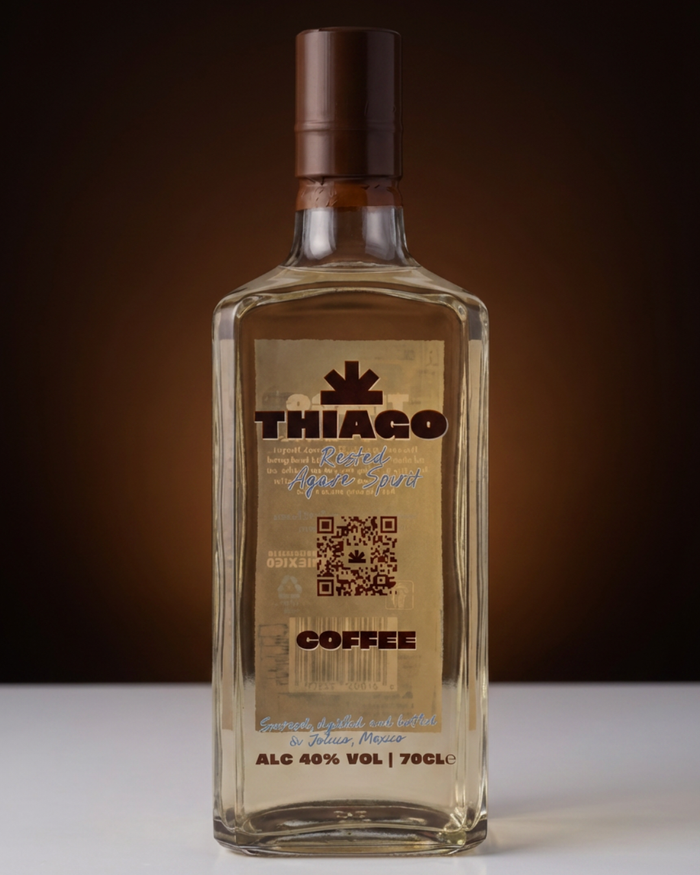
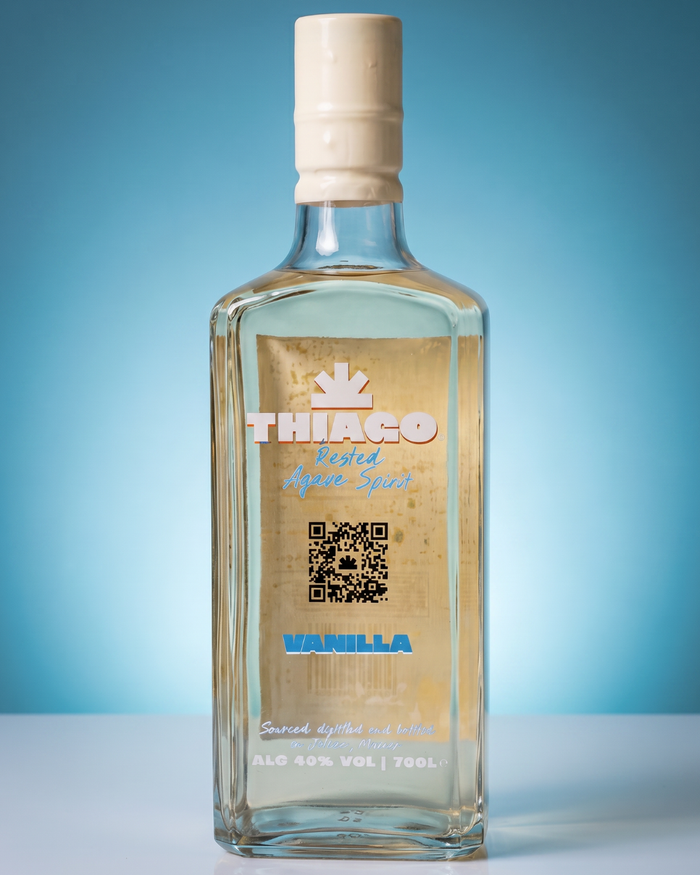
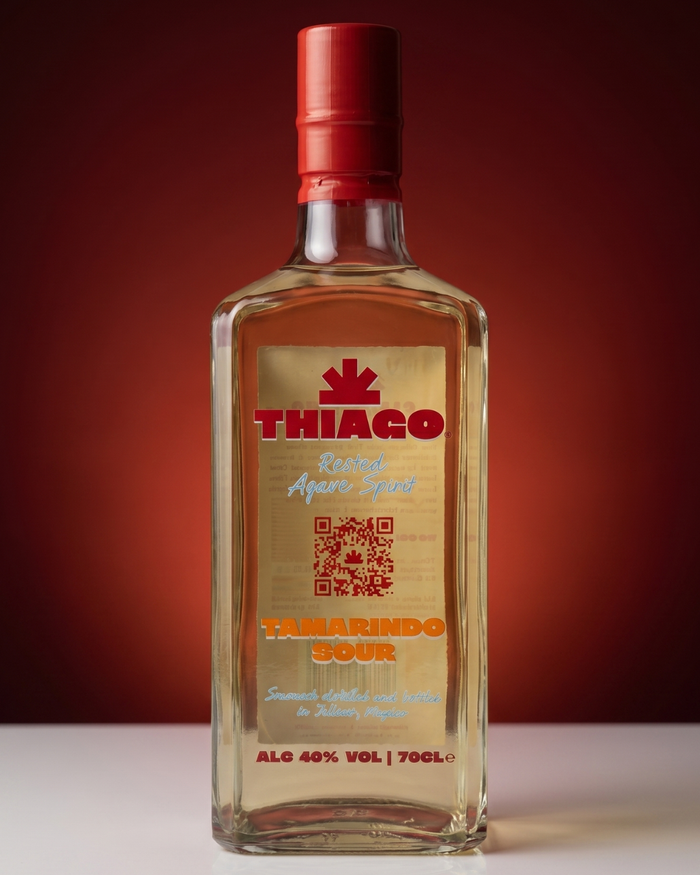
It is also worth paying attention to balance. If the label promises a premium experience, the liquid should still let the tequila speak. Oak should add dimension, not domination. Any added flavour, if used, should feel natural and integrated rather than syrupy. That is one reason modern premium brands such as Thiago Tequila are pushing the category forward - proving that bold flavour and proper tequila credentials can exist in the same bottle without compromise.
Is reposado tequila good for beginners?
Usually, yes. For someone new to tequila, reposado can be more approachable than blanco because the barrel ageing softens the sharper edges. The vanilla and spice notes can also feel more familiar to drinkers who already enjoy aged spirits.
At the same time, reposado still gives a genuine sense of what tequila is about. It does not erase the agave character. That makes it a solid starting point for anyone who wants to understand the category without jumping straight into either extreme.
For experienced drinkers, reposado remains compelling for the same reason. It is not just a beginner’s style. When made well, it is nuanced enough for sipping and versatile enough for social drinking. Few spirits carry that range as naturally.
Reposado earns its place by doing more with restraint. It keeps one foot in tradition, one in modern drinking culture, and manages to feel at home in both. If you want tequila with depth, clarity and a bit more attitude in the glass, reposado is often where the conversation gets interesting.