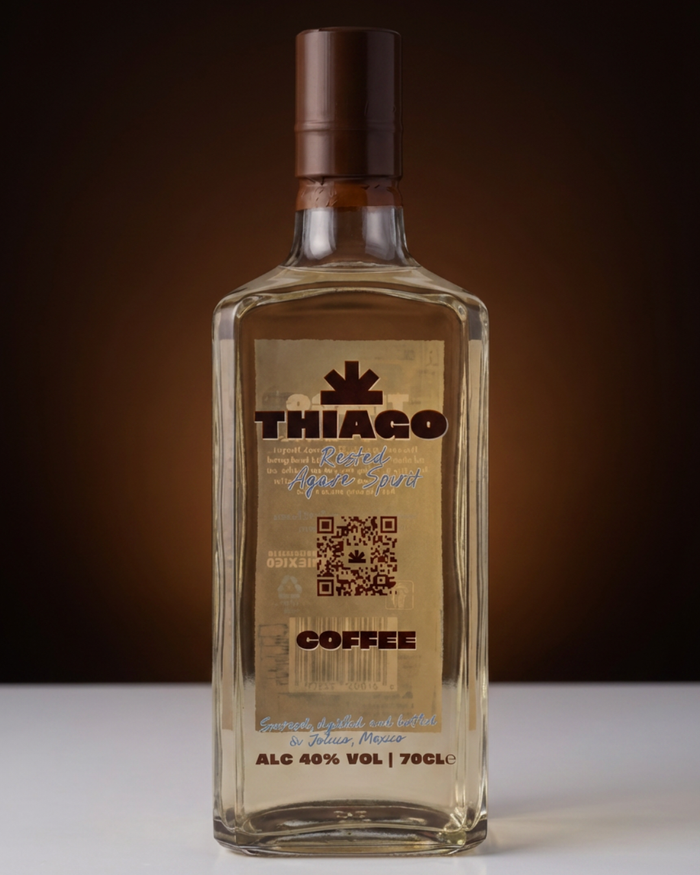
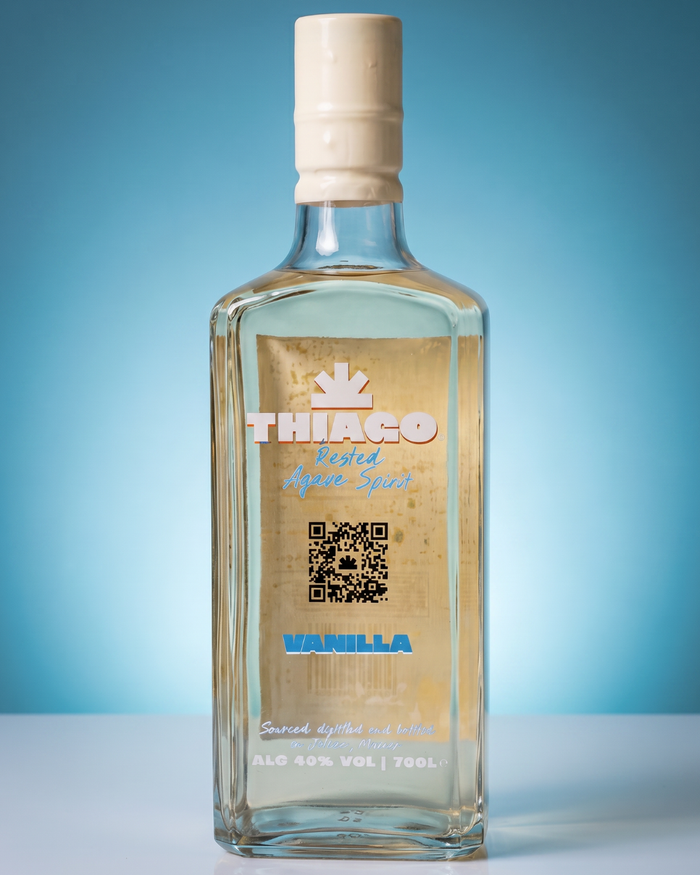
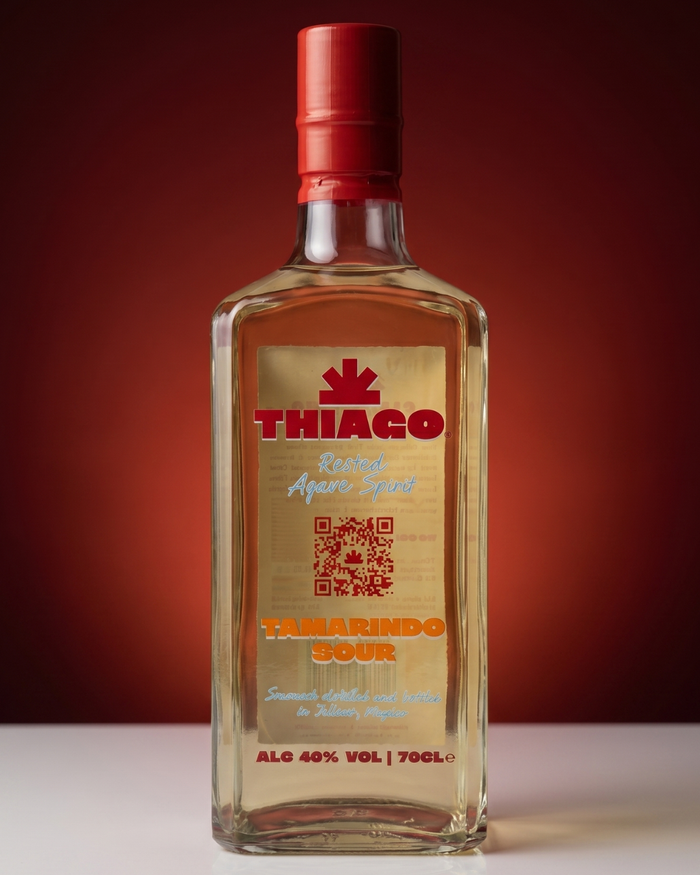
If you care what is actually in your glass, one question cuts through the marketing fast: does tequila contain added sugar? The honest answer is that some tequila does, some does not, and the label will not always make that obvious. That is where things get interesting - and where quality starts to separate itself from sugary crowd-pleasers.
Tequila has a clean, confident image, especially when it is made from 100% Blue Agave and handled with respect. But the category is not as straightforward as many people assume. A bottle can be authentic tequila by law and still contain additives that shift the flavour, texture and sweetness. So if you are looking for a drier, more refined pour rather than something syrupy and artificial, it pays to know the difference.
Does tequila contain added sugar by default?
Not by default, no. Traditional tequila is distilled from agave sugars that come from cooked Blue Weber agave. During fermentation, those natural sugars are converted into alcohol. In a properly made tequila, that does not mean the finished spirit is sugary in the way people often imagine. Once distilled, tequila is not inherently a sweet drink in nutritional terms, even if agave itself starts out rich in natural sugars.
Where confusion starts is with what happens after distillation. Some producers keep things clean and let the agave character, oak influence and production choices speak for themselves. Others use permitted additives to adjust flavour and mouthfeel. That can include sweetening agents, even when the bottle still looks premium and polished on the shelf.
So if the real question is whether tequila must contain added sugar, the answer is no. If the question is whether some tequila brands use it anyway, the answer is yes.
Why tequila can taste sweet even without sugar
Sweetness in tequila is not always a sign of sugar being added. Agave naturally brings roundness and fruit character. Ageing in oak can also create notes that people read as sweet - vanilla, caramel, toasted spice, baked fruit. None of that automatically means sugar has been added.
Reposado and añejo styles especially can taste softer and richer because time in cask changes the profile. A well-made reposado can feel smooth and generous while still being structurally dry. That is very different from a spirit that has been pushed towards a confectionery style with additives.
This matters because taste alone is not a perfect test. A tequila can seem plush without being doctored, and another can feel suspiciously dessert-like because it has been shaped to do exactly that.
Where added sugar enters the picture
Tequila regulations allow certain additives in small amounts, up to 1% of the total volume, without requiring producers to list them on the label. That is the part most drinkers do not realise. Legally, a tequila can include sweeteners, glycerine, oak extract or colouring and still simply say tequila on the bottle.
Sweetening additives are often used to soften rough edges, make a young tequila seem more mature, or create a more crowd-friendly profile. From a commercial point of view, that makes sense. Sweeter spirits can feel easier, especially for newer drinkers. But there is a trade-off. The more a tequila relies on added sweetness, the further it can move away from the crisp, earthy, peppery identity that makes agave so compelling in the first place.
For drinkers who want transparency, that lack of mandatory disclosure is frustrating. You may be paying premium money for a bottle whose appeal comes partly from hidden tweaks rather than raw spirit quality.
100% agave does not always mean additive-free
This is one of the biggest misconceptions in the category. Seeing 100% agave on the label is a strong sign, but it is not the same as additive-free.
A mixto tequila can contain sugars from sources other than agave before distillation, which is one reason many quality-conscious drinkers avoid them. But even 100% agave tequila can still contain legal additives after distillation. So yes, 100% agave is better as a baseline, but it is not the full story.
If you are choosing between bottles, think of 100% agave as the minimum standard for serious tequila, not the finish line. The next question is whether the producer keeps the liquid honest or polishes it with extras.
How to tell if tequila contains added sugar
There is no perfect shortcut, because tequila labels are often frustratingly vague. Still, there are a few signals worth paying attention to.
First, look at the style and positioning. If a tequila tastes intensely like cake frosting, boiled sweets or syrup, that is worth questioning. Premium does not have to mean harsh, but it should still taste like agave, not liquid pudding.
Second, consider the brand's transparency. Producers who are serious about clean ingredients usually say so clearly. If a brand leads with zero added sugar, no artificial additives and no colouring, that is a stronger statement than vague language about smoothness or luxury.
Third, pay attention to texture. Some additive-heavy tequilas feel unusually thick or silky in a way that seems engineered. That is not always proof, but it can be a clue.
Finally, trust how the tequila behaves in a simple serve. A quality tequila with no added sugar tends to stay defined and balanced. It does not collapse into sweetness when mixed with something basic, and it does not need heavy masking to be enjoyable.
Flavoured tequila and the sugar question
This is where people often assume the worst. If a spirit is flavoured, surely it must be loaded with sugar. In much of the flavoured spirits market, that is a fair assumption. Many products are built around sweetness first, spirit second.
But flavoured tequila does not have to follow that script. There is a growing appetite for bolder, cleaner products that deliver character without turning into a sugar bomb. That comes down to formulation. Natural flavour can be used with precision. Sugar does not need to do all the lifting.
For modern drinkers, that is a big shift. You can want flavour and still want standards. You can want something versatile enough for cocktails and polished enough to sip neat without accepting artificial sweetness as the price of entry.
That is exactly why zero added sugar matters more in flavoured tequila-based products than in almost any other subcategory. It tells you the brand is aiming for balance, not gimmick.
Why some brands add sugar in the first place
The short answer is accessibility. Added sugar can make a spirit seem softer, smoother and more immediately appealing. It can also help standardise flavour across batches and hide flaws that would otherwise show up in the glass.
There is a commercial logic to that, especially in a crowded market. A sweeter profile often wins quick reactions. It can feel easy on first sip and photograph well in lifestyle-led marketing. But there is a difference between instant likeability and long-term quality.
When sugar becomes the main event, tequila loses part of what makes it distinctive. The vegetal edge, mineral lift, pepper, citrus and cooked agave depth start to blur. For drinkers who want something elevated, that trade-off is not worth it.
What to choose if you want a cleaner tequila
Start with 100% Blue Agave. That should be non-negotiable. Then look for brands that are explicit about ingredient standards, not just heritage language.
A cleaner bottle usually speaks in clear terms. Zero added sugar. No artificial additives. No colouring. Natural flavouring if flavour is part of the offer. Those details matter because they signal intent. They suggest the producer believes the tequila can stand on its own rather than needing cosmetic help.
It is also worth thinking about how you actually drink tequila. If you enjoy it neat, in a short serve, or in simple mixed drinks, sugar becomes more obvious. There is nowhere for it to hide. Choosing a drier, more focused spirit gives you more versatility and a more adult flavour profile.
For that reason, brands built around 100% Blue Agave Reposado with natural flavour and zero added sugar are pushing the category in the right direction. They offer something bolder and more contemporary without sacrificing authenticity.
So, does tequila contain added sugar?
Sometimes, yes. But the best tequila does not need it.
If a bottle is made well, the agave already brings enough personality. Oak can add warmth. Natural flavour can add dimension. What you should not need is a hidden dose of sweetness to make the experience work. That is not refinement. That is shortcutting.
The smarter choice is to buy from producers who are confident enough to be clear about what is not in the bottle as much as what is. In a category full of noise, zero added sugar is not a small detail. It is a sign of intent, quality and respect for the liquid.
Next time you are scanning a back bar or shopping for something with real presence, look past the styling and ask the sharper question. Not just whether it tastes smooth, but why it does.