A flavoured spirit should not taste like a liquid dessert. That simple expectation sits at the heart of low sugar spirits trends in the UK: drinkers want character, texture and a proper finish, but they are less interested in syrup doing all the work.
For premium drinkers, this is not about making every serve joyless or chasing a health halo. It is about choosing flavour with intent. Think roasted coffee rather than sticky sweetness, dark cherry with depth rather than confectionery, and agave-led warmth that still shows up in the glass.
Why low sugar spirits trends have real momentum
The shift is being driven by better-informed drinkers. People are reading labels, asking what makes a product taste the way it does and becoming more selective about what earns a place in the drinks cabinet. A lower-sugar profile can feel cleaner and more balanced, particularly when it is paired with quality ingredients and a full-strength spirit.
Cocktail culture has also changed the brief. The modern home host and bar team both want bottles that can do more than one trick. A spirit that is excessively sweet can dominate a drink before it has even met the other ingredients. A drier, more considered flavour profile gives more room for soda, citrus, bitter aperitifs, coffee and fresh fruit to work.
There is a practical point too. Many consumers are moderating how often they drink, not necessarily stepping away from alcohol entirely. When they do choose a drink, they want it to feel worth it: premium, distinctive and free from unnecessary extras. Less added sweetness fits that mindset without pretending that a 40% ABV spirit is a soft drink.
Low sugar is not the same as zero added sugar
These phrases are often used interchangeably, but they mean different things. “Zero added sugar” describes a production choice: no sugar has been added to create or boost sweetness. “Low sugar” can be a nutritional claim with specific legal conditions, so brands and retailers need to use it carefully and substantiate it properly.
That distinction matters because spirits can taste sweet without containing added sugar. Vanilla can read as creamy and sweet. Ripe cherry can bring a rounded fruit impression. Agave itself can suggest honeyed notes. Aroma, oak influence and natural flavour all shape perception, even where the product has not been sweetened.
For shoppers, the smarter question is not simply “does it taste sweet?” Ask whether the sweetness feels natural to the flavour, whether the base spirit remains present and whether the label is clear about what has been added. A spirit can be bold without being sugary, and flavour-forward without becoming flat.
Tequila is well placed for a less-sweet future
Premium tequila has always had the raw material to lead this conversation. Made from Blue Agave, quality tequila offers a distinctive base: earthiness, pepper, cooked agave, citrus lift and, in rested expressions, soft oak and spice. These are flavours with enough personality to carry a drink without a heavy dose of sugar.
Reposado tequila is particularly compelling for contemporary serves. Resting in oak adds a little polish and a broader mid-palate, making it a natural partner for flavours that could otherwise become too sharp or too sweet. Coffee, vanilla, black cherry and tamarind can all sit convincingly alongside reposado when the agave and barrel character stay in charge.
That is the line between a premium flavoured tequila and a novelty bottle. The former starts with credible tequila from Mexico and uses flavour to extend the experience. The latter uses sweetness to hide a weak base. Drinkers can tell the difference, especially neat, over ice or in a simple long serve.
What a better flavour profile looks like
The most exciting products in this space are not trying to erase indulgence. They are refining it. A well-made coffee expression should feel like roasted beans, cocoa husk and a dry finish, not a sugary after-dinner liqueur. Black cherry should bring dark fruit and a little tang, rather than a sweets-counter aroma.
Tamarind is a strong example of where the category can go next. Its sweet-sour, savoury edge brings tension to a serve. That complexity makes it useful in cocktails, where a small amount of fruit character can add dimension without turning the drink into a syrupy mix.
Vanilla demands the most discipline. It is familiar, crowd-pleasing and easy to overdo. In a premium tequila, the best version draws out the natural warmth of oak and agave rather than masking both beneath a blanket of sweetness.
How to read the bottle with confidence
Ingredient transparency is becoming part of premium value. A striking label might get attention, but the details build trust. Look for a clear statement of the spirit base, its origin, ABV and whether flavourings, colourings or added sugar have been used.
For tequila, provenance should be specific. Jalisco matters because it points to the recognised home of tequila production, while 100% Blue Agave tells you that the tequila is made entirely from agave sugars rather than being a mixed tequila. It does not automatically answer every question about flavouring or sweetness in a finished product, so read the full product information rather than relying on one front-label phrase.
ABV is worth considering as well. Lower sugar does not mean lower alcohol or fewer calories by default. Alcohol carries calories, and the right choice depends on how you drink, the size of your pour and what you mix it with. A 40% ABV spirit can be part of a considered serve, but clarity beats careless assumptions.
Building drinks around balance, not sweetness
The strongest low-sugar spirits trend is really a better-drinks trend. It favours contrast, quality mixers and flavour combinations that let a spirit hold its own. Start with sparkling water and a twist of grapefruit for a crisp, agave-led long drink. Use chilled soda and a few coffee beans to frame a coffee-flavoured reposado without burying it.
For black cherry tequila, keep the build dry and bright. Sparkling water, a squeeze of lemon and a restrained amount of tart cherry juice can create a highball with real fruit character and no cloying finish. With tamarind, ginger beer can work brilliantly, but choose one that is not overloaded with sugar and let the savoury-sour profile remain the centre of gravity.
At a party, a bottle that works across simple serves is more useful than a collection of one-note mixers. That is why drier, naturally flavoured spirits suit modern hosting. They give guests options while keeping the bar set-up sharp and uncomplicated.
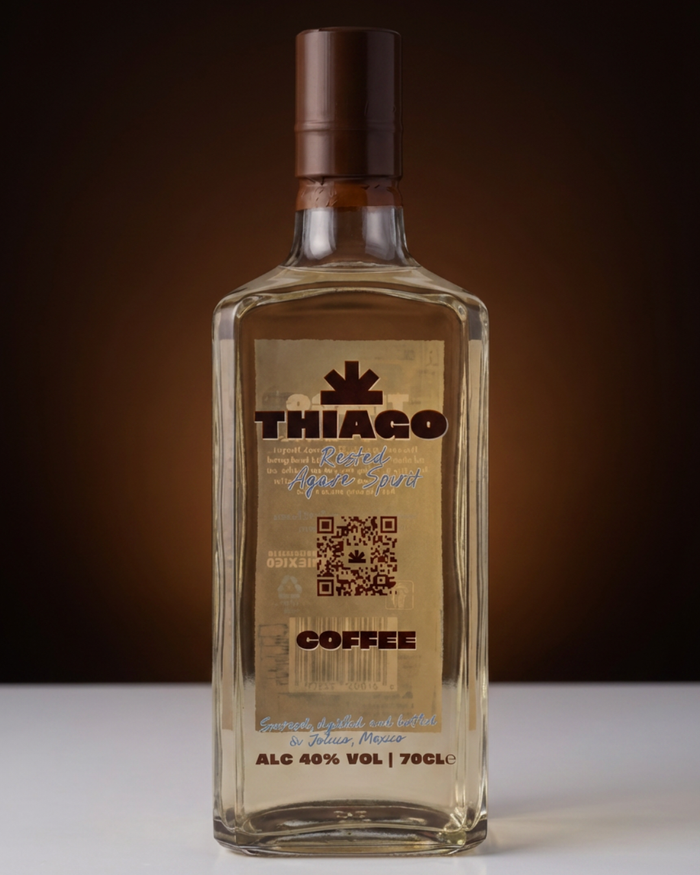
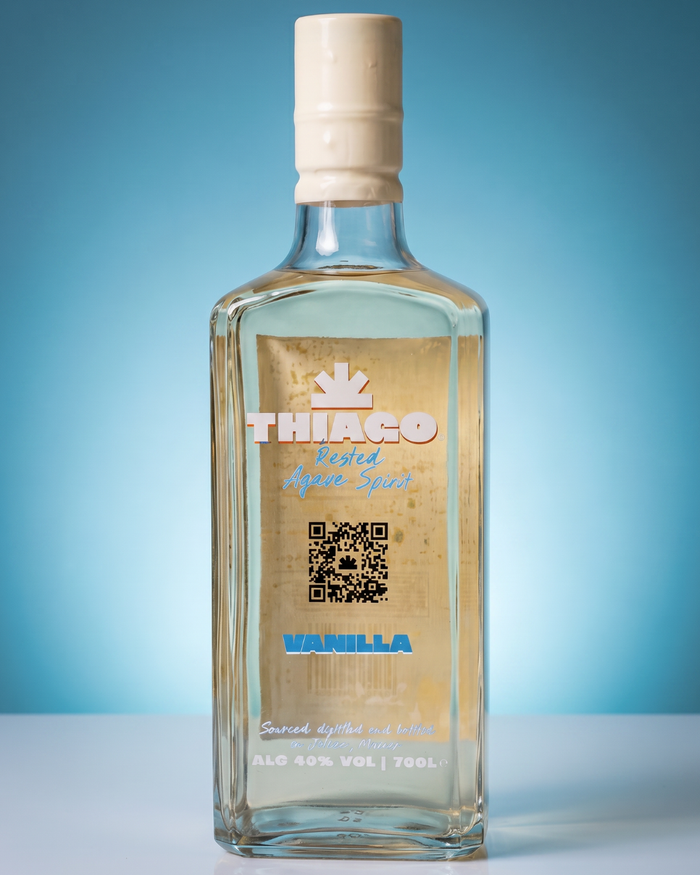
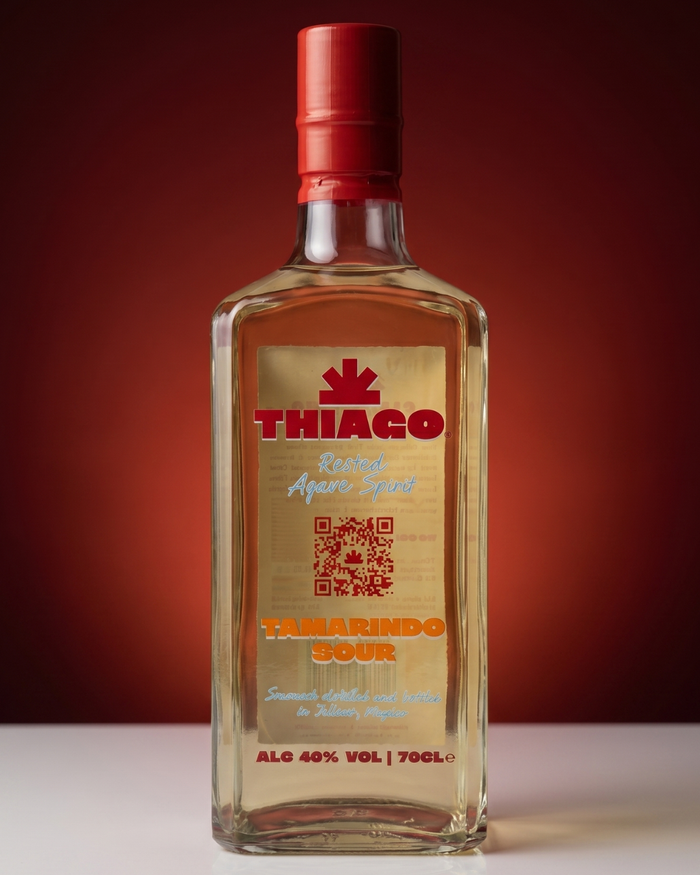
Thiago Tequila takes this approach with 40% ABV reposado tequila sourced, distilled and bottled in the highlands of Jalisco, then finished with natural flavour profiles including Coffee, Vanilla, Black Cherry and Tamarindo Sour, with zero added sugar, no artificial additives and no colouring. It is flavour with backbone - bold enough to enjoy neat, flexible enough for a long serve and built around the agave rather than a sugar rush.
What comes next for low sugar spirits trends
Expect fewer loud claims and more scrutiny. As the market matures, drinkers will want brands to explain what “cleaner” actually means, show their ingredients where appropriate and avoid treating lower sugar as a substitute for quality. The winners will be products with a genuine point of view: credible spirit credentials, flavours that taste like themselves and a finish that invites another considered sip rather than demanding a mixer.
This trend will not make sweet spirits disappear. There is still a place for indulgent pours and celebratory cocktails. But the centre of premium flavour is moving towards balance. Choose the bottle that gives you agave, oak and natural character first, then build the occasion around it.