A bottle can look premium, use the word “agave” generously and still tell you very little about what is actually in your glass. If you want to know how to identify clean tequila, start by looking past the design and reading the details that prove provenance, production and ingredient standards.
“Clean” is not a regulated tequila category. It is a useful consumer shorthand for a spirit made with clear standards: a proper agave base, transparent labelling and no unnecessary extras. That does not mean every clean tequila must taste austere or that every flavoured expression is off-limits. It means knowing what you are choosing, and choosing it with intent.
Start with 100% Blue Agave
The strongest first signal is the phrase 100% de agave or 100% Blue Agave on the label. Tequila is made from Blue Weber agave, and bottles carrying this designation have been produced entirely from agave sugars rather than a mix of agave and other permitted sugars.
This matters because the alternative, usually labelled simply as tequila, can be a mixto. Mixto tequila must contain at least 51% agave-derived sugars, while the remainder can come from other sources. That category has its place, particularly in high-volume drinks, but it is not usually what people mean when they are seeking a cleaner, more considered bottle.
A 100% Blue Agave claim is not an automatic guarantee of brilliance. Agave quality, fermentation, distillation and ageing still shape the final spirit. But it is the non-negotiable starting point for drinkers who care about tequila’s real character: cooked agave, pepper, citrus, earth and the soft richness developed in oak.
Check That It Comes From Mexico
Tequila is not a style that can be made anywhere. It is a protected Mexican spirit, produced in designated areas, primarily in Jalisco. A credible bottle should state Mexico as its country of origin, and many premium expressions will proudly reference Jalisco or the Highlands of Jalisco.
Highland agave is often associated with a fruitier, more rounded profile, although terroir alone does not make a tequila superior. Lowland and highland producers can both make exceptional spirits. The point is transparency: a brand should be clear about where its tequila is sourced, distilled and bottled.
Look for a NOM number too. This is the official distillery identification number assigned in Mexico, commonly found in small print on the bottle. It offers a useful layer of traceability, showing that the tequila was made at a recognised distillery. It will not tell you whether you personally love the flavour, but it is a meaningful sign that the bottle belongs to the regulated tequila system rather than trading on vague agave language.
How to Identify Clean Tequila on the Label
Turn the bottle around. The front label sells a mood; the back label should earn your confidence.
First, look for a straightforward category statement such as blanco, reposado, añejo or extra añejo. These words describe how the tequila has been rested or aged. Blanco is generally unaged or rested briefly, while reposado has spent at least two months in oak. A good reposado can bring vanilla, spice and a gentler texture without losing its agave backbone.
Then scan for ingredient clarity. Traditional unflavoured 100% agave tequila may not carry a full ingredient list in the way a soft drink does, so focus on what the brand voluntarily explains. Does it state 100% Blue Agave? Does it name its production origin? Does it explain its approach to flavour, sweetness or colour?
Be cautious when marketing language is doing more work than the facts. Phrases such as “smooth”, “luxury” and “crafted” are not proof of a clean make-up. Neither is a celebrity association or an expensive-looking stopper. Quality bottles can be beautifully designed, but the claims that matter are the ones you can verify.
Understand Additives Without Falling for Absolutes
The additives conversation deserves more nuance than a simple good-or-bad verdict. Under Mexican tequila regulations, certain additives can be used within limits in tequila, including colourings, flavourings, sweeteners and glycerine. Their presence is not necessarily illegal, nor does it mean a bottle is unsafe.
However, many drinkers prefer tequila with no added sugar, no artificial additives and no added colouring because they want the flavour to come from agave, fermentation, distillation and oak rather than cosmetic adjustments. That preference is entirely reasonable, especially when choosing a bottle to sip or build into a restrained cocktail.
The difficulty is that additive-free claims are not always visible or independently obvious from a standard label. If a producer openly says it uses no additives, no added sugar and no colouring, that is helpful. If it does not make a claim, avoid assuming either way. Ask the brand directly or choose producers that are specific about their standards.
There is also a practical distinction between naturally flavoured tequila-based spirits and a heavily sweetened novelty drink. A flavour-led product can still begin with quality 100% Blue Agave Reposado Tequila. The question is whether the flavour supports the spirit or buries it beneath syrup, artificial colour and excess sugar.
Taste for Structure, Not Just Softness
A clean tequila should not taste like a laboratory test. It should taste good. But “easy drinking” and “high quality” are not the same thing.
When tasting a blanco, look for a recognisable agave core. You may find cooked agave sweetness, citrus, green pepper, herbal notes or mineral freshness. A reposado should add oak-led warmth - think gentle vanilla, baking spice or toasted character - while keeping that agave identity in view.
An overly sugary finish can be a clue that sweetness is being used to disguise a thin spirit, though it is not proof on its own. Likewise, an extremely slick texture or a strong confectionery profile may not suit someone looking for a more natural expression. Your palate matters here. Clean is not code for bland, harsh or joyless. It is about balance, definition and an honest finish that does not feel engineered to linger forever.
Do Not Confuse Clear with Clean
Colour tells you almost nothing by itself. A crystal-clear blanco can contain permitted additives, while a naturally golden reposado may simply reflect time in oak. The same rule applies to price. A higher price can reflect mature agave, small-scale production and proper ageing, but it can also pay for packaging and hype.
Instead, judge the full picture: 100% Blue Agave, Mexican provenance, clear category information, credible production details and a brand willing to answer direct questions. The more of those signals you can see, the easier it is to buy with confidence.
For flavoured expressions, apply the same standard to both parts of the product. Ask what the base is, whether the flavouring is natural, whether sugar has been added, and whether artificial colouring is doing the visual heavy lifting. Bold flavour is not the problem. Hidden compromises are.
A Cleaner Way to Choose Flavour
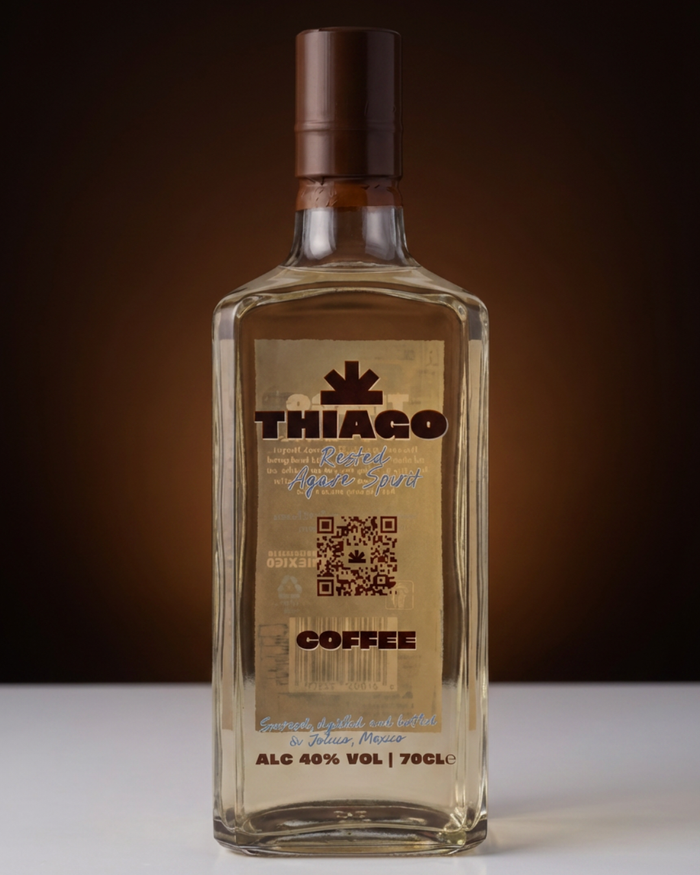
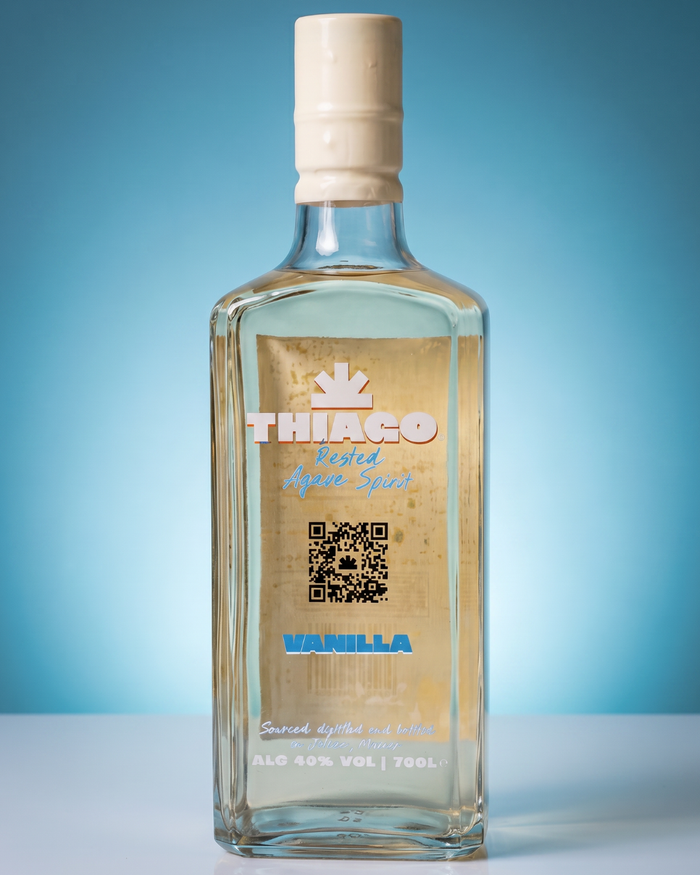
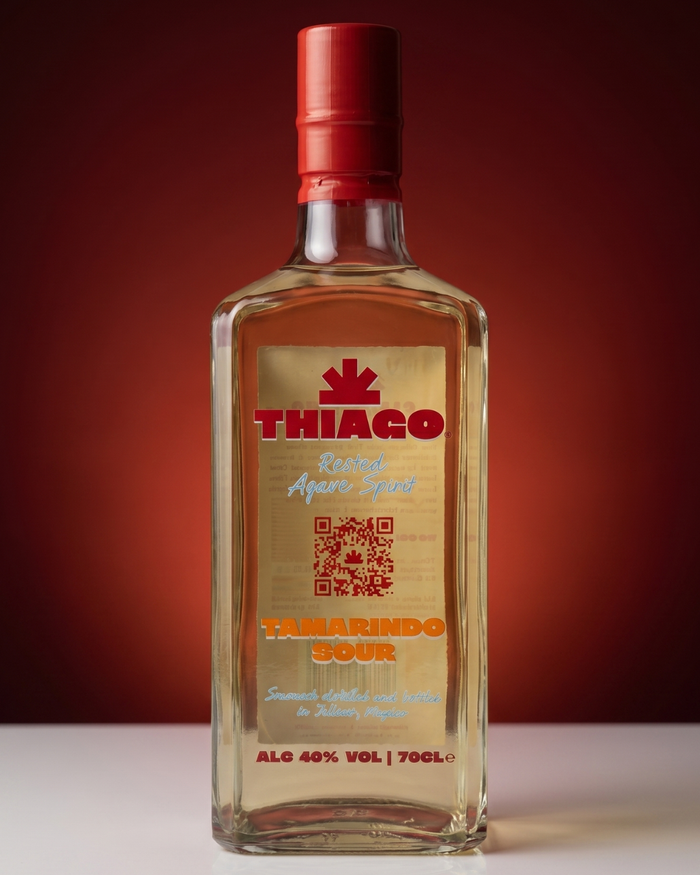
Contemporary tequila drinking has moved beyond one-note serves. Coffee, vanilla, black cherry and tamarindo can all work brilliantly with a rested agave base when they are handled with restraint. The best flavoured tequila in the UK will not simply taste sweet. It will have enough 40% ABV presence, agave character and dryness to stand up in a long serve, a spritz or a properly built reposado tequila cocktail.
Thiago Tequila takes that route with 100% Blue Agave Reposado Tequila from the Highlands of Jalisco, natural flavour, zero added sugar, no artificial additives and no colouring. It is a useful example of what ingredient-led flavour can look like: contemporary and expressive, but still grounded in tequila’s origin.
Buy the Bottle That Can Explain Itself
The cleanest choice is rarely the bottle shouting loudest. It is the one that can clearly account for its agave, its Mexican roots, its style and every decision that shapes its flavour. Give the label a minute, trust your palate, and make room for tequila that brings real character to the occasion rather than hiding it.