Walk into most UK house parties or bars and tequila is still doing the same tired job it's always done: slammed back in a shot glass, chased with a wedge of lime and a grimace. It's a shame, because genuine tequila is one of the most nuanced spirits in the world. Once you learn to taste it properly, you realise you've been missing something extraordinary.
Table of Contents
- What you need for an authentic tequila tasting
- Step-by-step tequila tasting methodology
- Recognising tequila flavour profiles and aromas
- Showcasing premium tequilas in the UK
- Take your tequila journey further
- Frequently asked questions
Key Takeaways
| Point | Details |
|---|---|
| Proper glassware matters | Use a copita or Glencairn at room temperature for the best tequila aromas and taste. |
| Follow the tasting steps | Assess appearance, aroma, taste, and finish methodically for complete appreciation. |
| Know your flavour families | Learn agave, fruity, spicy, and sweet notes to spot real tequila complexity. |
| Choose authentic UK bottles | Look for NOM or CRT stamps and premium brands stocked by top retailers. |
| Experiment to find your style | Sampling different types and ages will reveal your personal tequila favourite. |
What you need for an authentic tequila tasting
Good tasting starts before the first sip. The environment, the glassware, and the bottles you choose all shape what you experience.
Glassware
Use a copita, Glencairn, or Riedel tequila glass — the tapered bowl concentrates aromas towards your nose. A shot glass does the opposite. If you own a whisky Glencairn, use it.
The right serve
Serve tequila at room temperature, neat. No ice, no salt, no lime. These additions mask the flavour compounds you're trying to identify.
Choosing your bottles
Aim for at least one blanco, one reposado, and one añejo so you can observe how ageing changes the spirit.
| Tequila type | Ageing period | Flavour character |
|---|---|---|
| Blanco | Unaged or up to 2 months | Fresh agave, citrus, herbal |
| Reposado | 2 to 12 months in oak | Vanilla, caramel, mild spice |
| Añejo | 1 to 3 years in oak | Rich fruit, chocolate, leather |
| Extra Añejo | Over 3 years | Deep oak, dried fruit, complex spice |
Setting up the space
Avoid strong candles, perfume, or cooking smells. Taste on a clean palate — avoid coffee or strongly spiced food in the hour before you begin. Water and plain crackers are your palate cleansers between samples.
Step-by-step tequila tasting methodology
1. Sight
Hold the glass to a neutral light source. Blanco should be crystal clear. Reposado carries pale gold. Añejo deepens towards amber. Watch the “legs” run back down the sides — a slow, thick trail suggests a fuller body.
2. Nose at a distance
Hold the glass about 15cm from your nose and inhale slowly. This captures the most volatile top notes: bright citrus, fresh agave, light floral aromas.
3. Nose up close
Bring the glass closer and breathe more deeply. Mid-notes emerge: cooked agave, vanilla, oak, stone fruit. Rotate the glass slightly to release more aromas.
4. The first sip
Take a small sip and let it coat your entire tongue. Assess sweetness at the front, sourness at the sides, bitterness at the back. Resist the urge to swallow immediately.
5. Hold for 8–10 seconds
Let the tequila rest on your palate. Mid-palate flavours develop: oak spice, dried fruit, mineral notes, creamy vanilla in a well-aged reposado.
6. Swallow and retronasal
When you swallow, aromas travel upward through the back of your throat to your olfactory receptors — often revealing earthier, deeper notes than the nose suggested.
7. The finish
How long does the flavour linger? A blanco finishes in 10–15 seconds. A well-aged añejo can hold a complex finish of 45–60 seconds.
“The finish is where you find the truth of a tequila. A spirit that disappears immediately was never really there.”
| Stage | What to assess | What to expect |
|---|---|---|
| Sight | Clarity, colour, legs | Clear to amber; slow legs = fuller body |
| Nose (distance) | Top notes | Citrus, fresh agave, floral |
| Nose (close) | Mid-notes | Cooked agave, vanilla, oak |
| Palate | Sweet, sour, bitter | Varies by age and terroir |
| Retronasal | Back-of-throat aromas | Earth, smoke, chocolate |
| Finish | Length and complexity | 15 seconds to over 60 seconds |
Recognising tequila flavour profiles and aromas
Tequila's flavour families fall into five broad categories:
- Agave: Cooked agave sweetness, raw green pepper, herbal, grassy
- Fruity and floral: Citrus peel, stone fruit, jasmine, tropical notes
- Earthy and mineral: Wet stone, volcanic soil, smoke, mushroom
- Spicy and woody: Clove, black pepper, leather, cedar, tobacco
- Sweet and creamy: Vanilla, caramel, butterscotch, toffee, chocolate
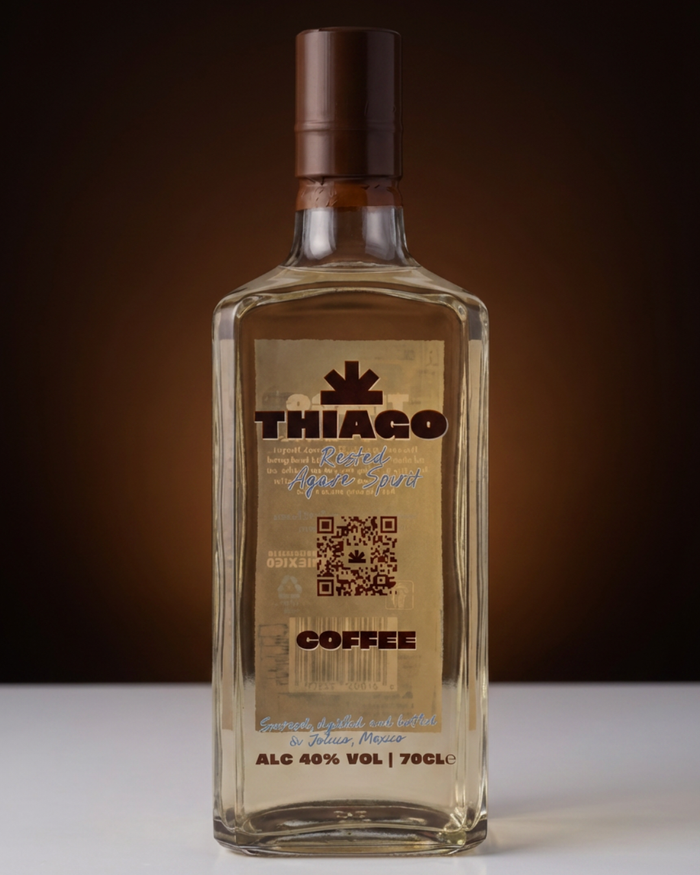
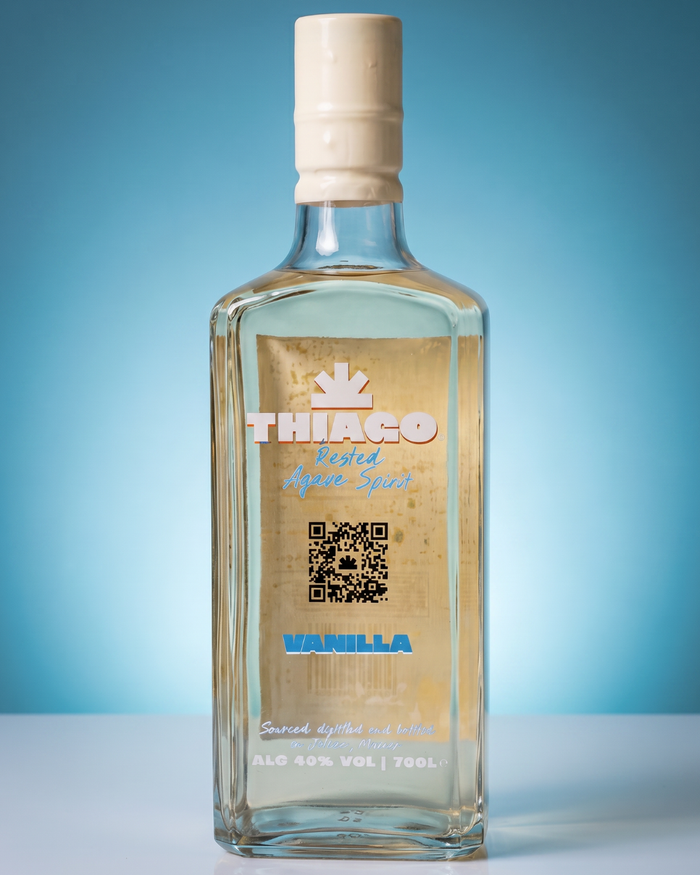
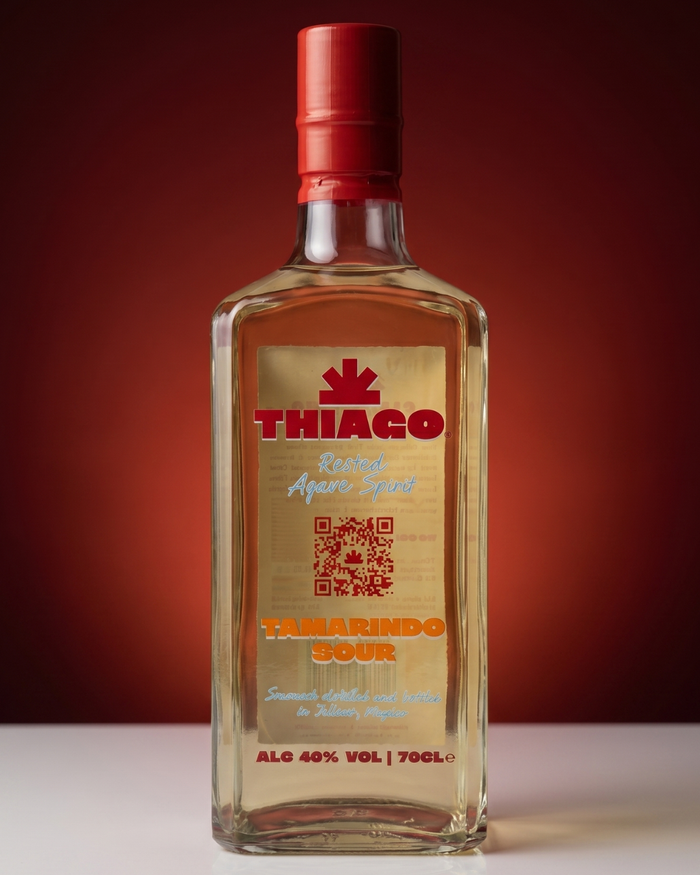
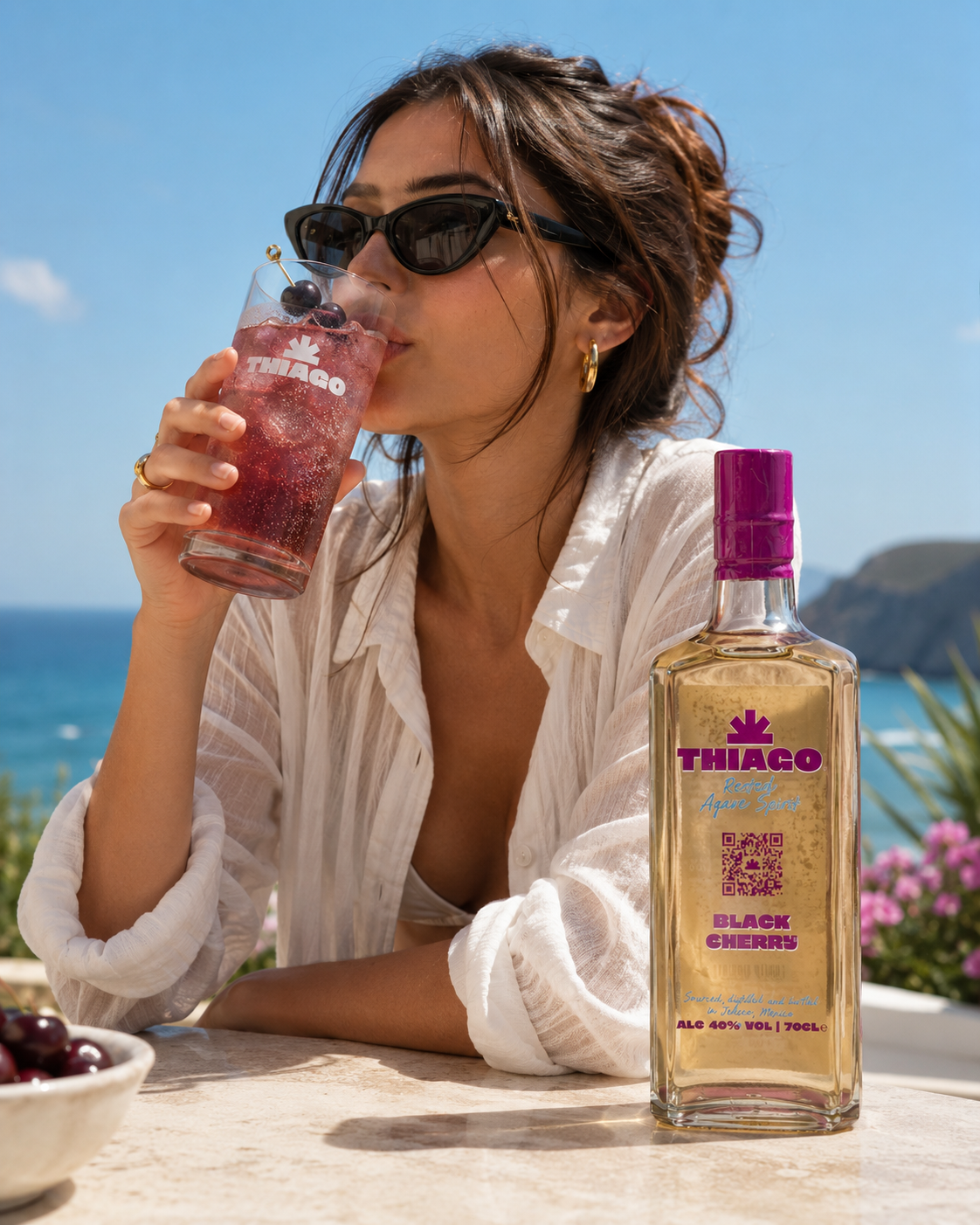
Highland agave, grown above 2,000 metres in Jalisco's Los Altos region, tends to produce sweeter, more floral tequilas. Lowland agave yields earthier, more mineral expressions. Thiago Tequila is a highland Jalisco reposado carrying notes of black cherry, coffee, vanilla, and tamarind — an excellent reference point for what a well-crafted reposado can achieve.
Showcasing premium tequilas in the UK
Always look for the NOM number on the label and “100% de Agave” or “100% Blue Agave”. Anything labelled simply “tequila” without that qualifier may contain up to 49% other sugars.
| Bottle | Style | Key flavours | Approx. UK price |
|---|---|---|---|
| Clase Azul Reposado | Reposado | Vanilla, toffee, caramel | £130–£160 |
| Patrón Añejo | Añejo | Caramel, honey, oak | £55–£70 |
| Don Julio Reposado | Reposado | Rich agave, soft spice | £45–£55 |
| Thiago Tequila Reposado | Reposado | Black cherry, coffee, vanilla, tamarind | Available online |
Start with the Thiago 3 Pack minis as a low-commitment way to explore the range. For a clean agave-forward reference point, Thiago Organico Blanco shows what unaged highland tequila tastes like before oak enters the picture.
Take your tequila journey further
Thiago Tequila is a 100% Blue Agave Reposado, sourced, distilled, and bottled in the highlands of Jalisco, Mexico, with natural flavours of black cherry, coffee, vanilla, and tamarind. Explore the full collection to find the right expression for your palate.
Frequently asked questions
What's the best way to taste tequila for the first time?
Pour a small amount at room temperature into a copita or Glencairn glass, nose it gently at a distance first, then sip and let it linger on your palate for 8 to 10 seconds before swallowing.
Why avoid salt and lime during tequila tastings?
Salt and lime mask the delicate flavours and aromas in good tequila, making it impossible to assess its true complexity and character.
How can you tell if a tequila is authentic?
Look for the CRT/NOM stamp on the label alongside the phrase “100% Blue Agave,” which together confirm the spirit meets official Mexican tequila standards.
What's the main difference between blanco, reposado, and añejo tequila?
Blanco is unaged with fresh agave and citrus character, reposado is aged in oak for roundness and vanilla, and añejo is older and richer with spice, dried fruit, or chocolate notes.