Table of Contents
- What Makes Reposado Tequila Authentic
- Step 1: Verify the NOM Number and Distillery Details
- Step 2: Decode the Label for Additives and Colorants
- Step 3: Assess Production Method: Tahona vs. Diffuser
- Is Tequila 40 Percent ABV: Understanding Alcohol Content
- Best Flavoured Tequila: Authenticity in Infused Spirits
- Common Label Deceptions and How to Spot Them
- How to Identify Authentic Reposado Through Appearance and Taste
- Frequently Asked Questions
Last Updated: August 31, 2026
What Makes Reposado Tequila Authentic
Reposado tequila sits in a golden space between raw and refined. It's aged just long enough to develop character without losing the agave's core identity. Authenticity comes down to three core elements: what's in the bottle, how it was made, and what the producer verifies.
Real producers don't cut corners. They don't need to.
The 100% Blue Agave Requirement
100% Blue Agave reposado is the only form worth your attention. Every drop comes from the blue agave plant, period. No mixing with other agave species, no grain alcohol, no shortcuts.
Mixto tequila contains as little as 51% blue agave. The rest is filler: sugarcane, corn, or whatever's cheapest. Mixto tastes harsh, burns on the finish, and leaves you wondering why tequila has such a bad reputation.
The label will state "100% Agave" or "100% Blue Agave" if it's authentic. If it just says "tequila" with no percentage claim, it's mixto. Walk past it.
Why does this matter for reposado? Because ageing masks flaws. A mixto spirit aged six months might taste smoother than the raw version, but you're still drinking diluted tequila with added sugars and artificial flavours. The ageing process doesn't fix the foundation.
The Six-Month Ageing Window
Reposado means "rested." That rest happens in oak barrels for a minimum of two months and a maximum of twelve months (crt.org.mx). The sweet spot is six months.
Six months gives the spirit time to develop vanilla, caramel, and spice notes from the oak without losing the agave's original character. The NOM (Norma Oficial Mexicana) requires this ageing period to be verified and documented. Legitimate producers track every barrel, every batch, every day.
The type of barrel matters as much as the time. New oak imparts flavour aggressively. Used oak is gentler. Some producers use white oak (American standard), others use European oak (more subtle). The choice shapes the final spirit's profile.
Thiago Tequila's reposado rests for exactly six months in white oak barrels sourced from the highlands of Jalisco.
Step 1: Verify the NOM Number and Distillery Details
Every legitimate tequila bottle carries a four-digit NOM number. This is your first verification checkpoint. The NOM identifies the distillery where the spirit was actually produced.
Find the NOM on the back label. It appears as "NOM-XXXX." Cross-reference it with the Consejo Regulador del Tequila (CRT) public registry and confirm:
- The NOM matches an active distillery
- The distillery is located in one of Mexico's five tequila-producing regions (Jalisco, Nayarit, Tamaulipas, Guanajuato, Michoacán)
- The distillery's production method aligns with what the label claims
This single step eliminates counterfeit bottles and producers operating outside regulatory oversight.
Some producers don't distil their own tequila; they source from a distillery, age it, bottle it, and slap their label on it. That's legal and standard practice. But it means you're trusting their sourcing and blending decisions, not their distilling expertise.
Thiago Tequila sources, distils, and bottles in the highlands of Jalisco. Our NOM is verifiable, our production methods are transparent, and every batch is traceable from agave to glass.
Step 2: Decode the Label for Additives and Colorants
The label is where producers either come clean or get creative with language. Turn the bottle around and look for specific declarations.
Common Additives to Spot
Tequila regulations allow up to 1% by volume of additives: caramel colouring, glycerin, oak extract, vanilla extract, and sugar-based syrups. These are permitted under Mexican tequila regulations, and consumers should be aware that their presence can affect the spirit's authenticity and flavour profile.
Caramel colouring is the most common. It's added to make younger spirits look older and more premium than they actually are. A reposado aged six months in new oak develops natural colour. A reposado aged two months in used oak might look pale. Add caramel, and it looks identical to the six-month version.
Glycerin thickens the mouthfeel and creates a silky sensation that masks harsh alcohol burn. It's not harmful, but it's also not tequila.
Sugar-based syrups add sweetness and body. Some producers use these to balance harsh notes from poor distillation or cheap sourcing.
Read the ingredients list carefully. If it says "100% Agave" on the front but lists additives on the back, that's legal but misleading. The cleanest bottles will state: "No added colours" or "Natural colour only."
Thiago Tequila's reposado contains zero added sugars and no artificial additives. The colour comes from oak ageing alone.
Natural Colour vs. Caramel Colouring
A naturally aged reposado develops a golden-amber colour over six months in oak. The shade depends on the barrel type and the agave's terroir, but it's never bright or artificially uniform.
Caramel-coloured reposado often looks too dark, too consistent, or too glossy. Hold the bottle up to light. Natural colour shows variation and depth. Artificial colour looks flat and one-dimensional.

Step 3: Assess Production Method: Tahona vs. Diffuser
How the agave gets cooked and processed shapes the final spirit's flavour and authenticity.
Tahona method: The agave heart (piña) is cooked in large stone or clay ovens for 24-48 hours, then crushed using a traditional tahona, a massive stone wheel, to extract juices. This is labour-intensive, time-consuming, and expensive. The tahona method produces tequila with deeper, more complex agave flavour. The slow cooking develops caramelised sugars naturally.
Diffuser method: The agave is cooked briefly (or sometimes not cooked at all), then processed through an industrial diffuser, essentially a high-pressure water extraction system. The diffuser strips out sugars and flavour compounds quickly and efficiently. It's faster and cheaper but strips out much of what makes tequila taste like tequila.
Most commercial tequila uses diffusers. Most premium tequila uses tahona. The label won't tell you which method was used; you have to know the distillery's reputation.
try all three minis · £15.99 →
Thiago Tequila uses traditional production methods that honour the agave and the craft. We prioritise flavour over efficiency.

Is Tequila 40 Percent ABV: Understanding Alcohol Content
Most tequila is bottled at 40% ABV (alcohol by volume). This is the legal minimum for tequila in Mexico and the standard globally (crt.org.mx).
The key question: is the alcohol smooth or harsh? A well-distilled 40% ABV spirit should feel warm, not burning. Poor distillation techniques, shortcuts in fermentation, inadequate copper pot still time, or contamination create harsh, unpleasant alcohol burn that no amount of ageing fixes.
Thiago Tequila's reposado is bottled at 40% ABV. The smoothness comes from our production process, not from added glycerin or sugar masking the alcohol.
Best Flavoured Tequila: Authenticity in Infused Spirits
Flavoured tequila occupies a strange space. Some bottles are genuinely crafted infusions made with real ingredients. Others are sugar-loaded syrups with tequila added as an afterthought.
Authentic flavoured reposado starts with quality base spirit, then introduces real ingredients, actual fruit, spices, or botanicals, and allows time for integration. Cheap flavoured tequila relies on syrups and artificial flavourings. You can taste the difference immediately: it's one-dimensional, cloyingly sweet, and leaves a chemical aftertaste.
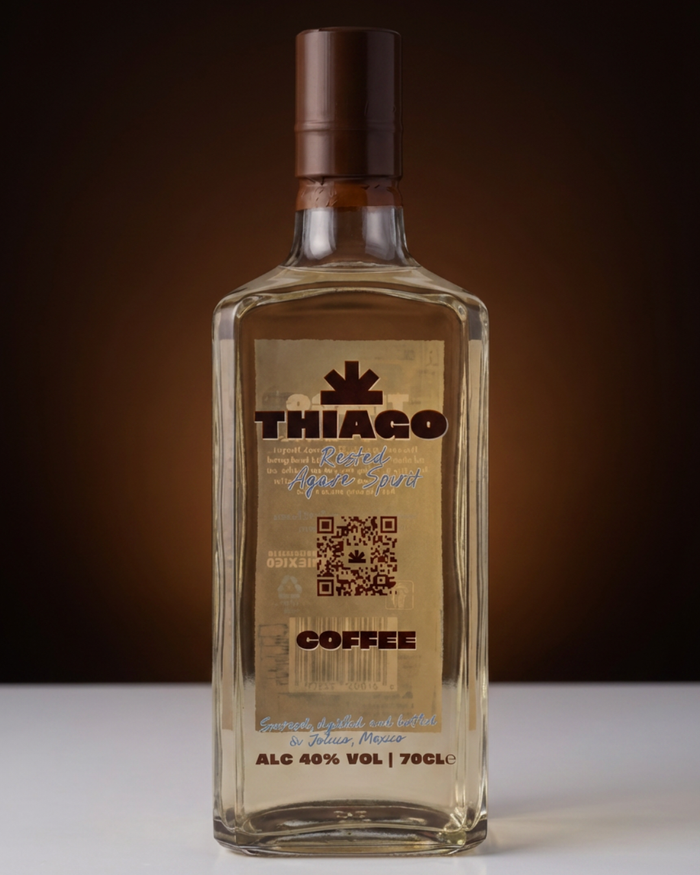
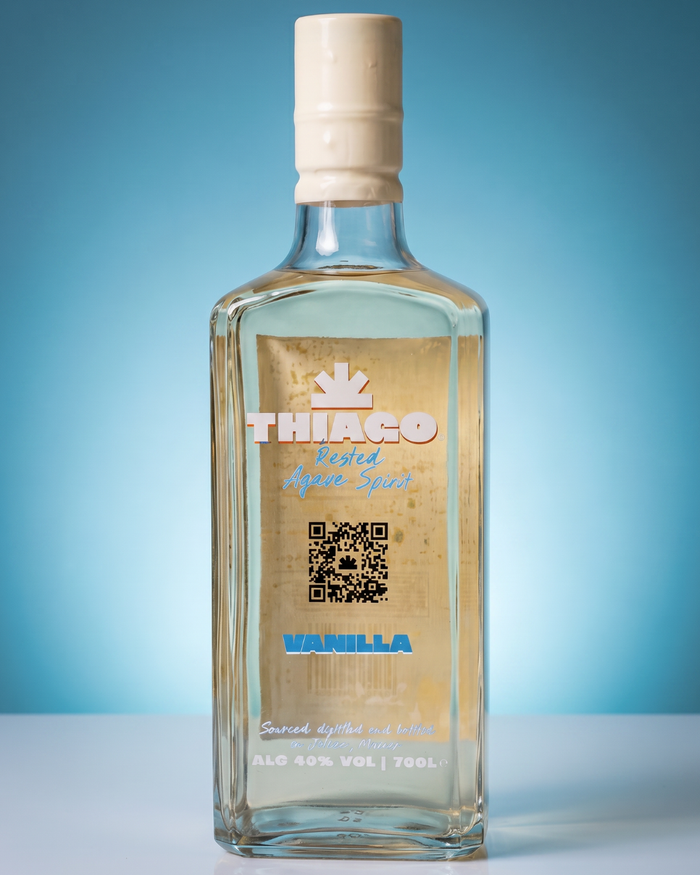
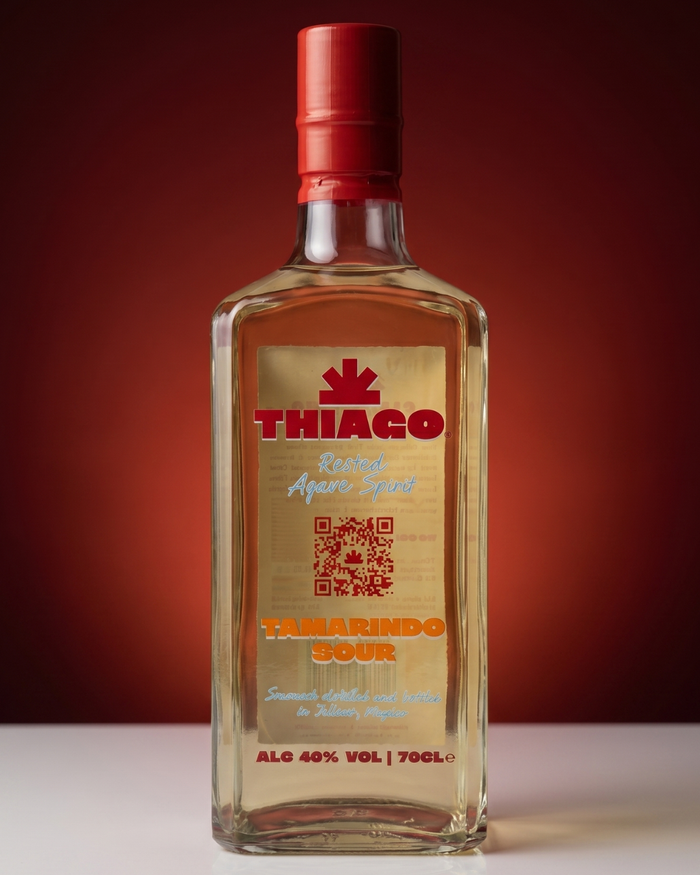
Thiago's flavoured reposados, Black Cherry, Vanilla, Coffee, and Tamarindo Sour, are infused with real Mexican ingredients. No syrups. No artificial flavours. No added sugar. Each variant starts with our six-month aged reposado, then introduces the real ingredient and allows proper integration.

Our Black Cherry Tequila uses locally sourced black cherry. The Vanilla uses natural Mexican vanilla bean. The Coffee uses natural, locally sourced coffee. The Tamarindo uses real tamarind. The base spirit carries the flavour, not the other way around.
This approach costs more and takes longer, but authenticity matters more than margin.
Common Label Deceptions and How to Spot Them
"Aged in oak" without specifying duration. This could mean two months or two years. Always look for "reposado" (2-12 months), "añejo" (1-3 years), or "extra añejo" (3+ years).
"Premium" or "ultra-premium" with no definition. These are marketing terms with no regulatory meaning. Ignore them.
"Handcrafted" or "small batch" without batch numbers. Every bottle should carry a batch number for traceability. If it doesn't, the producer isn't standing behind their product.
"Imported from Mexico" without a distillery name. This is technically true but meaningless. The real question is which distillery and which production method.
Vague origin statements. "Made in Jalisco" is specific. "Made in Mexico" is vague. The more specific the origin statement, the more confident the producer is in their sourcing.
Absence of an NOM number. This is a dealbreaker. No NOM number means the bottle isn't legitimate.
How to Identify Authentic Reposado Through Appearance and Taste
Once you've verified the label, the bottle, and the distillery, it's time to actually taste it.
Appearance: Pour a small amount into a clear glass. Authentic reposado shows a golden-amber colour with clarity. Tilt the glass and observe the "legs," the way the liquid clings to the side as it runs back down. Thicker, slower-moving legs suggest higher sugar content. Thinner legs suggest cleaner spirit.
Nose: Smell the spirit without sipping. Authentic reposado should smell like agave first, then oak, spice, and vanilla. If it smells purely sweet or purely like caramel, additives are likely involved.
Taste: Take a small sip. Let it sit on your tongue for a moment before swallowing. Authentic reposado tastes like agave with oak influence. You should taste vanilla, caramel, and spice notes from the barrel, but the agave should still be the foundation. The finish should be warm and smooth, not burning.
Aftertaste: After swallowing, notice what lingers. Authentic reposado leaves a pleasant warmth and agave notes. Added sugars leave a cloying sweetness.
Identifying authentic reposado requires attention to detail at every stage, from verifying the NOM to tasting the final spirit. Most drinkers never develop this skill, which is why so many mediocre bottles stay on shelves.
The effort is worth it. Authentic reposado tastes better, feels better, and reflects the actual craft of the producer.
Thiago Tequila's reposado collection, including our Black Cherry Tequila, Vanilla Tequila, Coffee Tequila, and Tamarindo Sour Tequila, meets every authenticity standard outlined in this guide. Each bottle is 100% Blue Agave, aged six months in white oak, infused with real Mexican ingredients, and free from added sugars or artificial additives. Explore our Thiago Tequila Minis collection, 50ml bottles perfect for party goers, festival goers, and travel, to experience the difference authentic reposado makes. Whether you're sipping neat, over ice, or building a cocktail, you'll taste what real craftsmanship delivers.

Frequently Asked Questions
Q: What is the NOM number and why does it matter for authentic reposado?
A: The NOM (Norma Oficial Mexicana) number is a four-digit code that identifies the distillery where your reposado was produced. Every bottle of authentic tequila must display this number on the label. You can verify the NOM against the official Tequila Regulatory Council registry to confirm the distillery's legitimacy and production standards. If a bottle lacks a NOM or the number doesn't match official records, it's a red flag for counterfeit or fraudulent product.
Q: Is tequila 40 percent ABV, and does this indicate quality?
A: Most reposado tequilas, including premium options, are bottled at 40% ABV (80 proof). This is the standard minimum strength for tequila globally. However, ABV alone doesn't guarantee quality. What matters more is what's in the bottle: 100% blue agave, minimal additives, and proper ageing. Some craft producers bottle at higher ABVs (42-46%) for intensity, whilst others stay at 40%. Check the label for the exact ABV and verify it matches the producer's claims.
Q: How can I tell if a reposado contains synthetic additives or caramel colouring?
A: Read the ingredient statement on the back label carefully. Authentic reposado should list only tequila, water, and any natural infusions (like fruit or spices). Watch for glycerin, caramel colouring, or sweetening agents, these indicate additives. Natural colour comes from oak ageing alone and appears as a pale gold to amber hue. If the label is vague or lacks ingredient transparency, contact the producer. Thiago's reposado offerings use real Mexican ingredients with zero added sugar, making label transparency straightforward.
Q: What's the difference between tahona and diffuser production, and which is more authentic?
A: Tahona production uses a traditional stone wheel to crush cooked agave, extracting juice slowly and preserving natural flavours. Diffuser production uses hot water and chemicals to extract sugars rapidly from raw agave, cutting costs and time but stripping terroir. Tahona is considered the more authentic, labour-intensive method that yields complex, mineral-forward spirits. Check the producer's website or contact them directly to confirm which method they use. Brands transparent about their process typically favour traditional methods.