
Table of Contents
- What defines premium tequila with no additives
- How to identify authentic additive-free tequila labels
- Best flavoured tequila UK: What to look for
- Traditional distillation techniques and their impact on flavour
- Reposado tequila cocktails: Pairing additive-free spirits
- Tequila minis for festivals: Portable premium quality
- Tasting notes: Additive-free versus commercial tequila
- The additive-free certification controversy
Last Updated: August 17, 2026
Premium tequila with no additives: The definitive guide
When you're shopping for premium tequila with no additives, you're choosing authenticity over marketing. The difference between genuinely additive-free tequila and brands masking artificial flavours with glycerin and sugar syrup is stark. One tastes like craft. The other tastes manufactured.
This guide from Thiago Tequila breaks down what separates real additive-free tequila from the rest, how to spot it on a label, and which bottles deliver on their promises. The core truth: premium tequila with no additives requires 100% blue Weber agave, transparent production, and zero synthetic shortcuts.
What defines premium tequila with no additives
Premium tequila with no additives starts with a single non-negotiable: 100% blue Weber agave. Pure agave, distilled without glycerin, sugar syrup, oak extract, or artificial flavouring agents that many mainstream brands use to mask harsh alcohol burn and create artificial sweetness.
Authentic additive-free tequila tastes like agave, earthy, slightly herbaceous, with citrus undertones depending on terroir. It doesn't taste syrupy or unnaturally smooth. That smoothness comes from production technique, not chemical additives.
Why purity matters in tequila production
Additives hide poor distillation. When a tequila is produced cleanly, with proper fermentation and careful distillation, you taste the agave. When corners are cut, rushing fermentation, using diffuser extraction instead of traditional stone ovens, or over-ageing in cheap oak, brands add glycerin and caramel colour to make it palatable.
A genuinely additive-free spirit reveals every step of its production. There's nowhere to hide.
Common additives to avoid: glycerin, sugar syrup, oak extract
Glycerin creates artificial smoothness and mouthfeel, masking harsh alcohol. Sugar syrup (agave nectar, glucose syrup, or high-fructose corn syrup) adds sweetness absent in pure agave. Oak extract is the sneaky one, it's added to young tequilas to mimic aged spirits without barrel time. Regulatory bodies allow up to 1% oak extract in tequila labelled as "additive-free," a loophole that renders the certification almost meaningless.
Any tequila claiming to be additive-free should have zero of these. Check the ingredient list, not just the marketing copy.
How to identify authentic additive-free tequila labels
Reading a tequila label is detective work. The front tells you what the brand wants you to believe. The back tells you what's actually in the bottle.
Look for these markers of authenticity:
100% Blue Agave statement. Not "made from blue agave" or "blue agave blend." The word "100%" must appear. If it says "tequila" without the 100% declaration, it's a mixto, only 51% agave, with the rest being neutral spirits and additives.
NOM number. Every tequila producer has a Norma Oficial Mexicana (NOM) number. This identifies the distillery and lets you cross-reference production records to confirm sourcing and distillation methods.
Ingredient list. Legitimate additive-free tequila lists: blue agave, yeast, water. That's it. If you see glycerin, caramel colour, oak extract, sugar syrup, or "natural flavours," it's not additive-free.
Bottling location. Authentic Jalisco tequilas are bottled in Mexico. If the label says "bottled in [another country]," the spirit was shipped in bulk and finished elsewhere, which often means additional processing and additives.
Reading the NOM database guide
The NOM database is your secret weapon. Each NOM number corresponds to a specific distillery in Jalisco, and you can verify production methods, ageing practices, and whether the facility uses traditional techniques or industrial shortcuts.
A distillery with a strong NOM history typically uses traditional tahona stone mills for agave processing, natural fermentation with wild yeast, and copper pot stills for distillation. These methods take longer and cost more, which is why they're absent from mass-market brands. The NOM also reveals whether a distillery is owned by a major conglomerate (which often means cost-cutting) or operates independently (which often means quality-first decisions).
Certified additive-free certifications explained
The most credible certification is the "Certified Additive-Free" designation from the Consejo Regulador del Tequila (CRT), but it allows up to 1% oak extract, which technically qualifies as "additive-free" under Mexican law but contradicts the spirit of the category.
Organic certification (such as USDA or EU Organic) is more reliable for additive-free assurance, because organic standards prohibit synthetic additives entirely. The most trustworthy indicator remains the ingredient list. Certifications can be marketing. Ingredients don't lie.
Best flavoured tequila UK: What to look for
When choosing flavoured tequila, especially in the UK market, the additive-free principle becomes even more critical. Flavoured tequilas are where brands cut corners most aggressively, using artificial flavouring compounds instead of real ingredients.
Authentic flavoured tequila infuses a base spirit with real botanicals, fruits, or spices. Thiago Tequila uses real Mexican ingredients, black cherry, vanilla, citrus, infused into their six-month reposado, with zero added sugar or synthetic flavouring. The result tastes like agave with a genuine flavour note, not like agave pretending to be something else.
When evaluating flavoured options, ask: Is the flavouring derived from real ingredients or synthetic compounds? Does the brand disclose its flavouring method? Has the spirit been aged to develop character, or is it young spirit masked with additives?
The best flavoured tequila UK brands treat flavouring as an extension of craft, not a shortcut around it.
Traditional distillation techniques and their impact on flavour
How tequila is made directly determines whether it tastes clean or harsh, whether it reveals terroir or masks it with additives.
Traditional distillation in Jalisco follows a specific sequence: agave is cooked in brick ovens or stone-lined pits (not autoclaves), milled using tahona stones (not diffusers), fermented with natural or cultured yeast (not forced fermentation), and distilled in copper pot stills (not industrial columns). Each step takes time and costs more. Each step also produces a cleaner, more authentic spirit.
Traditional methods matter for additive-free tequila because they produce spirits that don't need additives. Industrial methods create harsh, one-dimensional spirits that brands then "fix" with glycerin and sugar syrup. Traditional methods create complexity that stands on its own.
Autoclave versus stone oven: Production methods that matter
Autoclaves use high pressure and steam to cook agave in 4-8 hours. Stone ovens (called hornos) cook agave slowly over 24-48 hours using wood fire. The stone oven method extracts more complex sugars and develops deeper flavour. The autoclave method is faster and cheaper, but produces more bitter compounds that brands later mask with additives.
Similarly, diffuser extraction is faster than traditional tahona milling, but it produces harsher spirits. A tahona slowly crushes cooked agave, preserving more of the plant's natural character.
For additive-free tequila, these production choices matter enormously. A spirit made with stone ovens and tahona milling doesn't need glycerin or sugar syrup to taste good.
try all three minis · £15.99 →
The role of 100% blue Weber agave and terroir
Blue Weber agave grown in the highlands of Jalisco tastes different from blue Weber grown in the lowlands. Highland agave develops more citrus and herbaceous notes. Lowland agave is earthier and more robust. This is terroir, the influence of soil, altitude, and climate on flavour.
Genuine additive-free tequila showcases terroir. You can taste whether the agave came from volcanic highland soil or sandy lowlands. Mass-market tequilas blend agave from multiple regions and age in cheap oak, then use additives to create a consistent (but artificial) flavour profile.
When evaluating premium tequila with no additives, ask about the agave's origin. Single-region, single-harvest expressions are rarer and more expensive, but they're the only way to experience what the agave and the distillery actually produced.
Reposado tequila cocktails: Pairing additive-free spirits
Additive-free reposado tequila, aged six months in oak, is the most versatile expression for cocktails. It has enough character to stand up to citrus and spice, but enough smoothness to shine in spirit-forward drinks.
The key to pairing is respecting the agave. Don't drown it in sugary mixers or heavy syrups. Complement it with ingredients that enhance rather than mask: fresh citrus, herbs like cilantro or basil, light spice, and quality bitters.
A classic pairing: reposado with lime, agave nectar (not sugar syrup), and a pinch of sea salt. The agave nectar reinforces the spirit's natural sweetness without adding synthetic flavours. The lime brightens the earthy notes. The salt enhances the mouthfeel.
Another approach: reposado with fresh ginger, lime, and a touch of orange liqueur. The ginger adds heat and complexity. The orange pulls out the citrus undertones in the agave.
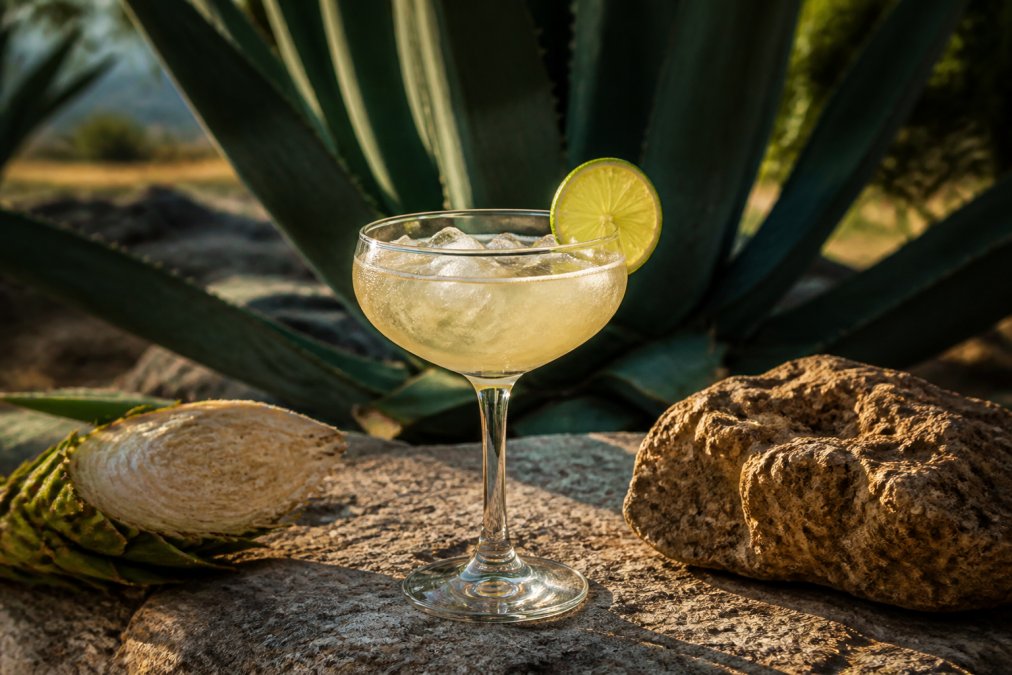
When working with genuine, additive-free reposado, you don't need to hide it. You build around it.
Tequila minis for festivals: Portable premium quality
Festival season in the UK has created a new category of drinker: one who wants premium quality but needs portability. Tequila minis, 50ml bottles, are plane baggage-friendly and perfect for festival grounds, garden parties, or anywhere you want a proper spirit without committing to a full bottle.
The challenge with minis is that most brands use them as a dumping ground for lower-quality juice. Thiago Tequila Minis bundle changes that equation. You get the same 100% blue agave reposado, the same additive-free production, and the same real Mexican flavouring, just in a 50ml format that fits in a back pocket.
For festival-goers, this means you can sip premium tequila neat or mix it into a spritz without sacrificing quality. For party hosts, it means offering guests something genuinely craft rather than mass-market.
The Thiago Tequila Minis bundle makes premium additive-free tequila accessible for trial or gifting. You get three flavours to explore, a genuine way to experience what additive-free actually tastes like.
Tasting notes: Additive-free versus commercial tequila
The tasting experience separates additive-free from commercial immediately.
Additive-free tequila (made with traditional methods, 100% blue agave, no glycerin or sugar syrup):
- Nose: Agave-forward, with earthy and herbaceous notes. Depending on terroir, you might detect citrus, pepper, or mineral notes. No artificial sweetness.
- Palate: Dry to slightly sweet (from agave sugars, not added syrup). Clean finish. You taste the production method.
- Finish: Peppery or citrus-driven. No artificial smoothness coating your mouth. The finish is crisp and clean.
Commercial tequila (with additives):
- Nose: Often masked by glycerin or caramel colour. Artificial sweetness is obvious.
- Palate: Unnaturally smooth, almost slippery. Overly sweet from added sugar syrup. The alcohol burn is masked, but so is any genuine flavour complexity.
- Finish: Syrupy and lingering. Your mouth feels coated. The finish doesn't fade cleanly.
The difference is unmistakable once you've tasted both. Additive-free tequila tastes alive. Commercial tequila tastes processed.
The additive-free certification controversy
Here's the uncomfortable truth: "additive-free" certification in Mexico allows up to 1% oak extract. This regulatory loophole renders the certification almost meaningless for consumers seeking genuinely clean spirits.
Oak extract is synthetic. It's added to young tequilas to simulate the colour and flavour of aged spirits without the cost of barrel time. Technically, 1% oak extract qualifies as "additive-free" under Mexican law. In practice, it means a brand can claim additive-free status while still using chemical shortcuts.
The controversy extends to "natural flavouring" claims. Mexican regulations allow synthetic flavouring compounds to be labelled as "natural" if they're derived from natural sources but chemically modified. Reading ingredient lists matters more than reading certifications.
The most reliable indicator of genuinely additive-free tequila remains transparency: a brand willing to disclose its exact production method, its NOM number, and its ingredient list.
Premium tequila with no additives isn't just a trend, it's a return to what tequila actually tastes like when production prioritises craft over cost-cutting. The challenge is identifying it among brands that use marketing language to obscure chemical shortcuts.
Start with the ingredient list. Check the NOM number. Taste the difference between traditional and industrial production. Once you've experienced genuine additive-free tequila, you'll never go back to the syrupy alternatives.
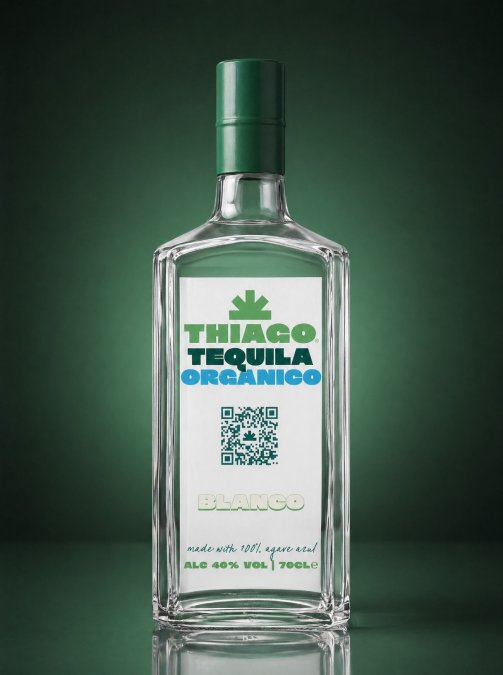
Thiago Organico Blanco Tequila offers a certified organic, 100% blue agave expression that exemplifies additive-free production, pure, clean, and unapologetically smooth. Whether you're sipping neat or mixing cocktails, it's the benchmark for what premium tequila should taste like. Explore the full range of flavours made with real Mexican ingredients and zero added sugar in the Thiago Tequila Minis bundle, perfect for party-goers and festival-goers seeking plane baggage-friendly 50ml bottles to sip, spritz, or cocktail on the go.

Frequently Asked Questions
What is the purest tequila with no additives?
The purest tequila is 100% blue Weber agave spirit distilled using traditional methods without added glycerin, sugar syrup, or artificial flavourings. Look for spirits certified as additive-free by verifying the producer's NOM number and checking whether the label explicitly states no additives. Premium tequila with no additives delivers a clean spirit profile that showcases the agave's natural terroir and the distiller's craft rather than masking flavours with synthetic additions.
How can I identify authentic additive-free tequila labels?
Check the bottle for the NOM (Norma Oficial Mexicana) number, which identifies the distillery. Verify this number in the official database to confirm production methods. Authentic additive-free labels explicitly state '100% blue agave' and list no added sugars, glycerin, or oak extract. Look for transparency about production: whether the agave was processed using autoclave or traditional stone oven methods, and whether fermentation was natural. Certified organic or craft distillery designations add credibility.
Is flavoured tequila actually healthy when it uses real ingredients?
Flavoured tequila made with real Mexican ingredients rather than syrup or artificial flavourings eliminates added sugars and synthetic compounds, making it a cleaner choice than commercial alternatives. However, it remains alcohol at 40% ABV. The health advantage lies in purity: no hidden sugars, no glycerin, no artificial additives that can cause digestive upset. For health-conscious drinkers, choosing additive-free spirits means you're consuming only agave, natural flavourings, and alcohol—no chemical surprises.
What is the difference between reposado tequila and blanco when it comes to additives?
Reposado tequila is aged in oak for two months to one year, developing deeper flavour and colour naturally through wood interaction. Blanco is unaged and captures pure agave character. Both can be additive-free if distilled without additives; however, reposado's oak ageing can mask lower-quality production or additive use more easily. Additive-free reposado delivers smooth, complex mouthfeel from genuine ageing rather than artificial sweetness or glycerin, making it ideal for sipping neat or in sophisticated cocktails.
Why do some premium tequilas use additives if they're marketed as high-quality?
Commercial producers add glycerin for mouthfeel, sugar syrup for perceived smoothness, and oak extract for colour and flavour consistency across batches. These additives are legally permitted under Mexican tequila regulations up to a threshold, allowing producers to control costs and standardise taste. Premium additive-free tequilas reject this approach, relying instead on traditional distillation, natural fermentation, and proper ageing to develop genuine smoothness and complexity. This commitment to purity is what separates craft spirits from mass-market alternatives.