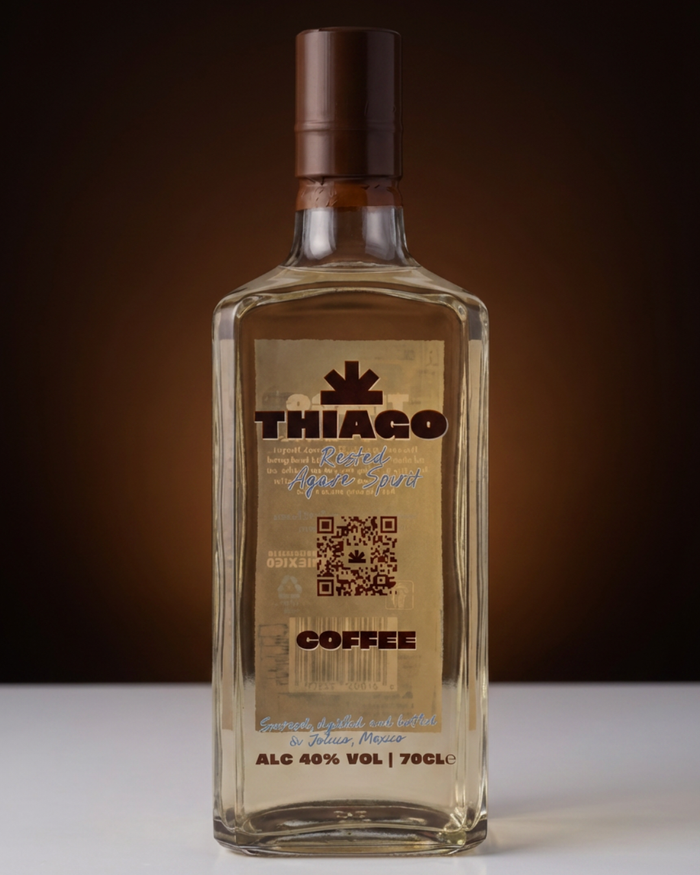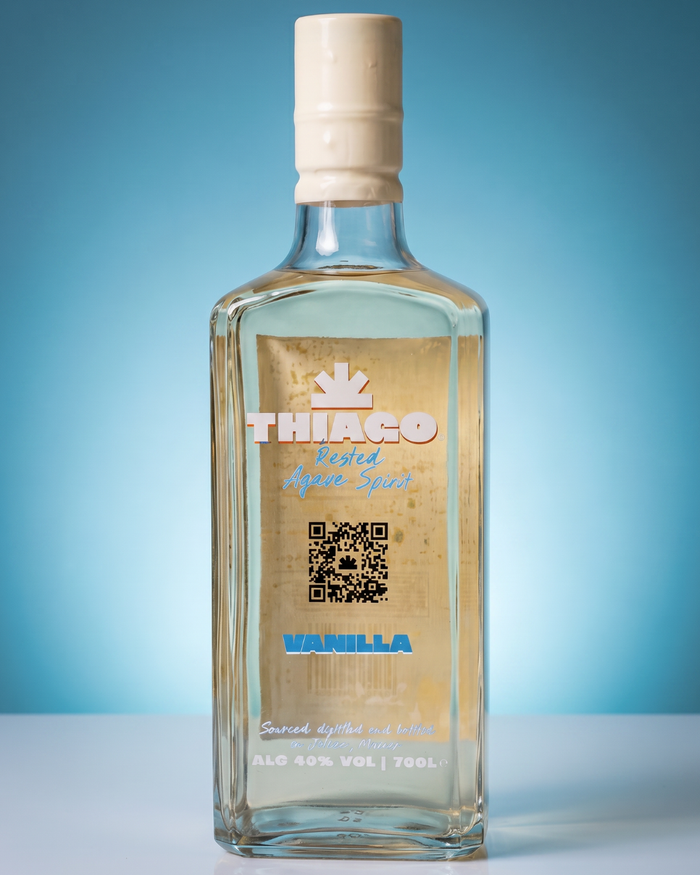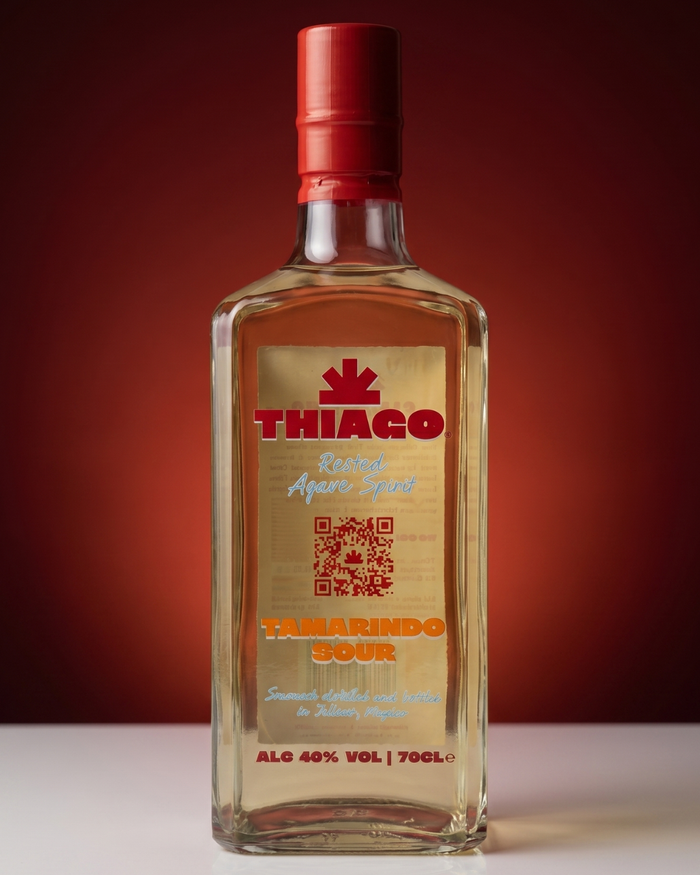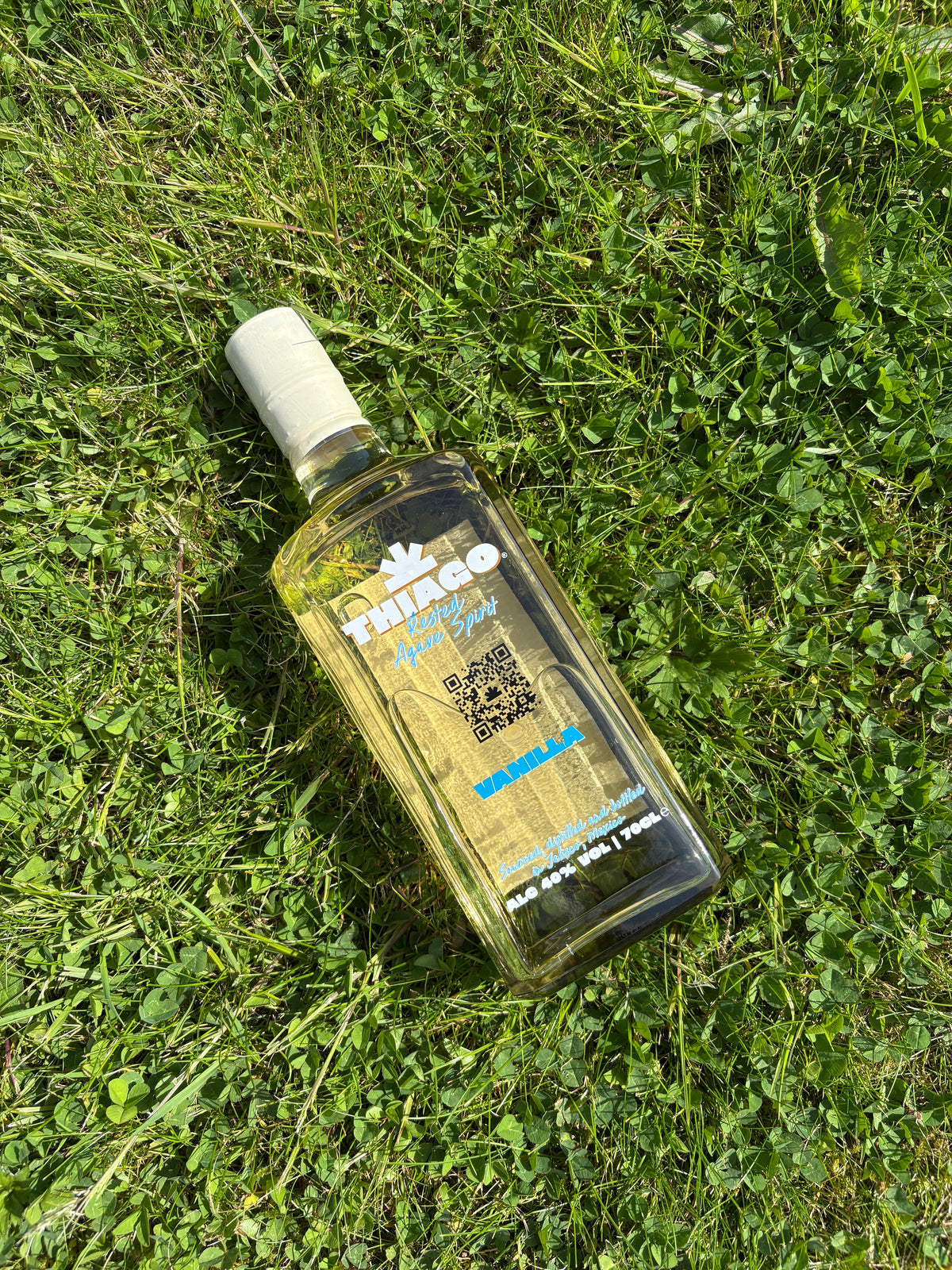
You can taste the difference within seconds. One flavoured spirit lands syrupy and loud, all sugar and no structure. Another keeps its agave core intact, adds flavour with intent, and still drinks like a proper tequila. That is usually where the question starts - can tequila be naturally flavoured, and if it can, does it still deserve to be taken seriously?
The short answer is yes. But the better answer is that it depends on what you mean by tequila, how the flavour is added, and whether the producer is building on quality or trying to hide a poor base spirit. In premium bottles, natural flavour can sharpen character rather than bury it.
Can tequila be naturally flavoured under the rules?

Yes, tequila can be naturally flavoured, but there is a distinction between straight tequila and tequila-based spirit drinks. That distinction matters if you care about authenticity, production standards, and what is actually in the bottle.
Tequila itself is a protected Mexican spirit made from blue agave and produced in designated regions, with Jalisco at the centre of that identity. If a producer adds flavour, the final product may no longer sit in the same legal category as unflavoured tequila. It can instead become a tequila-based spirit drink or flavoured agave spirit, depending on how it is made and labelled.
That does not make it inferior by default. It simply means the product should be judged honestly. A well-made naturally flavoured reposado built from 100% Blue Agave tequila is a very different proposition from a cheap flavoured spirit made to taste of sweets. One starts with provenance and structure. The other starts with a marketing brief.
What “naturally flavoured” really means
Natural flavouring sounds simple, but the term gets used loosely in drinks. In practice, it means the flavour comes from natural source materials rather than artificial flavour compounds. That could include extracts, distillates, oils, or other flavour preparations derived from fruits, spices, botanicals, or coffee.
Even then, natural does not automatically mean better. Natural flavour can be elegant or clumsy. It can be subtle or overdone. What matters is how it interacts with the tequila underneath.
With a strong base spirit, natural flavour should work as an extension of the tequila’s profile. Reposado already brings soft oak, cooked agave, warmth, and gentle spice. That can pair brilliantly with flavours like vanilla, coffee, black cherry, or tamarind because those notes have somewhere to land. They do not need to shout.
A bad example tastes disconnected - flavour on top, spirit beneath, no bridge between the two. A good one tastes integrated, as though the profile was built rather than pasted on.
Why some flavoured tequila gets dismissed
Flavoured tequila has a reputation problem, and not without reason. For years, much of the category leaned towards low-proof, overly sweet, artificially coloured products designed for novelty rather than quality. The flavour did all the talking because the liquid had very little to say.
That legacy still shapes how some drinkers react. They hear “flavoured” and assume sticky, synthetic, and disposable. But that criticism is aimed at a style, not a principle. Natural flavouring is not the issue. Poor standards are.
This is the shift happening at the premium end of the market. Better producers are treating flavour as part of the liquid’s architecture. They are starting with 100% blue agave tequila, keeping the ABV at a serious level, avoiding added sugar and artificial additives, and making sure the agave remains present. The result is more grown-up, more versatile, and far more interesting in a glass.
Can tequila be naturally flavoured without losing its identity?
It can, but there is a line. Once flavour completely masks the agave, you are not really drinking for tequila character any more. You are drinking for the flavouring system.
The best naturally flavoured expressions keep three things intact. First, the agave must still register on the palate. Second, the texture should remain clean rather than syrup-heavy. Third, the finish should feel like a spirit, not a confection.
Reposado is often the sweet spot for this. Blanco can be vivid and sharply herbal, which can work well with certain citrus or tropical profiles but can also create clashes. A reposado has more roundness and depth from resting, so it can absorb flavour additions with greater balance. Notes like coffee or black cherry can sit alongside oak and agave in a way that feels deliberate rather than chaotic.
That is why naturally flavoured reposado can make so much sense for modern drinkers. You get the credibility of proper Mexican production and 100% blue agave, but with a profile that opens up new serves and occasions.
The ingredient question matters more than the flavour name
A bottle labelled vanilla or cherry tells you very little on its own. The real question is what else is going on.
Is there added sugar? Are there artificial flavourings? Is colour being used to signal richness that is not actually there? Has the producer kept the spirit at proper strength, or watered it down so the flavour can carry the product?
These choices affect everything. Added sugar can make a spirit seem softer at first sip, but it often flattens the finish and limits versatility. Artificial additives can create an instant hit of flavour, though they rarely deliver depth. Excessive colouring can make a bottle look premium while the liquid tastes hollow.
For buyers who care about cleaner labels and stronger serves, naturally flavoured tequila-based products with zero added sugar and no artificial additives stand apart. They feel more contemporary because they are. People want flavour, but they do not want to pay premium prices for a bottle that tastes engineered.
How naturally flavoured tequila is best enjoyed
The biggest win is versatility. A naturally flavoured tequila that keeps its structure can work neat, over ice, in a highball, or in a stripped-back cocktail where the base spirit still matters.
Coffee and vanilla profiles tend to suit evening drinking, especially when you want something with depth but not weight. Black cherry can bring a darker fruit edge that feels confident rather than sticky. Tamarindo sour adds tension - sweet, sharp, savoury - which gives bartenders and home drinkers more to play with.
This is also where premium flavoured tequila moves beyond novelty. It is not just about adding taste. It is about making the spirit easier to place in more moments. A bottle that can move from a simple serve at home to a sharper cocktail on a back bar has obvious appeal.
Even smaller formats can make sense here. For parties, festivals, weekends away or carry-on-only travel, a 50ml mini bundle gives people an easy route into flavour discovery without the commitment of a full bottle. It is a smarter way to sample, share, and build drinks on the go, especially when baggage space is tight.
So, can tequila be naturally flavoured and still be premium?
Absolutely - if the producer respects the spirit first.
Premium status does not come from avoiding flavour. It comes from the quality of the agave, the integrity of the production, the honesty of the ingredients, and the balance in the final liquid. Natural flavour should add dimension, not distraction.
That is the standard worth looking for. A 40% ABV reposado-based spirit made in Jalisco from 100% Blue Agave, enhanced with natural flavour, zero added sugar, no artificial additives and no colouring is not trying to imitate premium tequila. It is making a confident case for what the next generation of premium agave spirits can look like.
The question is no longer whether flavour belongs in tequila’s orbit. It is whether the bottle in front of you has the quality to carry it. Choose one that still lets the agave speak, and flavour stops being a compromise. It becomes the point.