
Table of Contents
- Is Tequila 40% ABV? The Short Answer and Why It Matters
- Legal Requirements That Set Tequila ABV Limits
- Tequila Proof vs ABV: What the Numbers Actually Mean
- How Distillation and Dilution Produce a 40% ABV Tequila
- Variations in Tequila Alcohol Percentage: Blanco to Extra Añejo
- Is Tequila Stronger Than Vodka or Gin?
- How ABV Shapes Tequila's Flavour Profile
- Standard Drink Measurements and What 40% ABV Means in Practice
Last Updated: August 3, 2026
Is Tequila 40% ABV? The Short Answer and Why It Matters
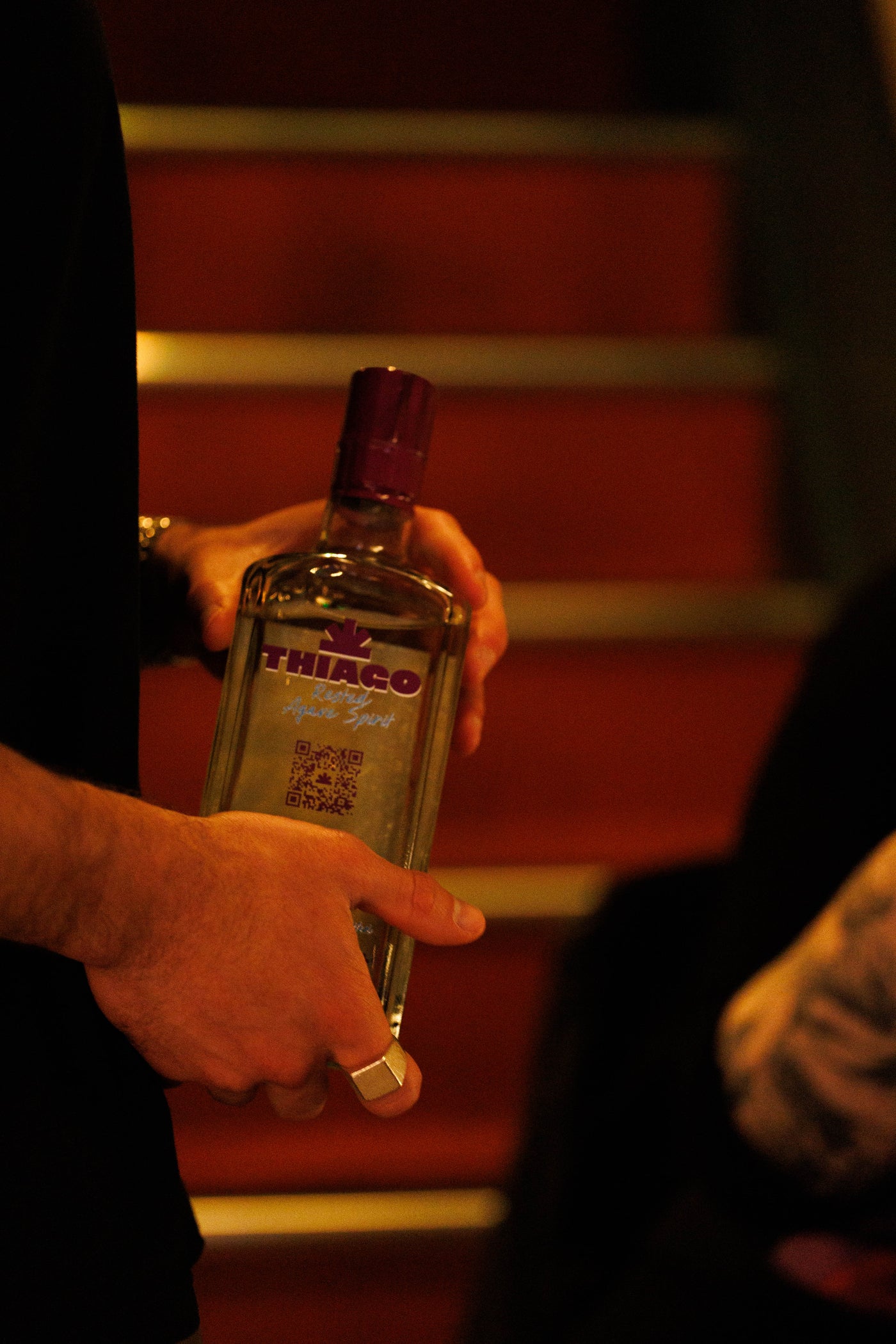
Yes, in the vast majority of cases. The 40% alcohol by volume threshold is the legal minimum set by Mexican law for tequila sold in international markets. At ThiagoTequilaCompany, we produce our 100% Blue Agave Reposado at exactly 40% ABV, the sweet spot where the spirit's complexity shines without ethanol overwhelming the palate. Understanding why this number exists changes how you taste, mix, and choose tequila.
According to the Consejo Regulador del Tequila's official tequila standards, tequila must be bottled at a minimum of 35% ABV and a maximum of 55% ABV, with 40% being the dominant commercial standard. That narrow band shapes everything from flavour intensity to how the spirit behaves in a cocktail.
Legal Requirements That Set Tequila ABV Limits
What Mexican Law Requires for Commercialisation
Tequila's alcohol content is governed by the NOM-006-SCFI standard, administered by the Consejo Regulador del Tequila. This regulation defines where tequila can be produced (the state of Jalisco and parts of four neighbouring states) and the permissible ABV range for commercialisation: a minimum of 35% ABV and a maximum of 55% ABV.
The 40% figure became the international commercial standard because it satisfies both Mexican export law and the import requirements of the European Union and the United Kingdom simultaneously. Distilleries targeting the UK market therefore have a strong practical incentive to bottle at 40%.
UK Labelling Requirements and Alcohol Content Rules
In the United Kingdom, alcoholic beverages must display ABV as a percentage on the label under Food Standards Agency labelling guidance for alcoholic drinks. The stated ABV must be accurate within a tolerance of ±0.3 percentage points, meaning a bottle labelled 40% ABV must actually contain between 39.7% and 40.3% ethanol by volume.
UK duty on spirits is calculated per litre of pure alcohol, so tequila ABV directly affects the duty rate applied at import, making accurate labelling a financial as well as a legal matter for importers.
Tequila Proof vs ABV: What the Numbers Actually Mean
ABV is the percentage of pure ethanol in a liquid by volume. A 40% ABV tequila contains 40 millilitres of pure alcohol in every 100 millilitres of spirit.
Proof is a legacy measurement still used in the United States, calculated by doubling the ABV figure. A 40% ABV tequila is therefore 80 proof in US terminology. The UK abandoned the proof system in 1980 when it adopted the ABV standard, so British labels will never display proof.
When a US cocktail recipe calls for "80 proof tequila," it means exactly the same spirit as a UK bottle marked 40% ABV.
| Measurement | 40% ABV Tequila | 50% ABV Tequila | 55% ABV Tequila |
|---|---|---|---|
| ABV | 40% | 50% | 55% |
| US Proof equivalent | 80 proof | 100 proof | 110 proof |
| Pure alcohol per 25ml | 10ml | 12.5ml | 13.75ml |
| UK standard drinks per 25ml | 1.0 | 1.25 | 1.375 |
| Typical style | Blanco, Reposado, Añejo | Overproof Blanco | High-strength export |
How Distillation and Dilution Produce a 40% ABV Tequila
Fermented agave juice typically yields 4-10% alcohol by volume after fermentation. Distillation concentrates that ethanol by exploiting its lower boiling point relative to water. Most tequila undergoes double distillation: the first pass produces a low-strength distillate called "ordinario," and the second pass raises the alcohol concentration to between 55% and 65% ABV.
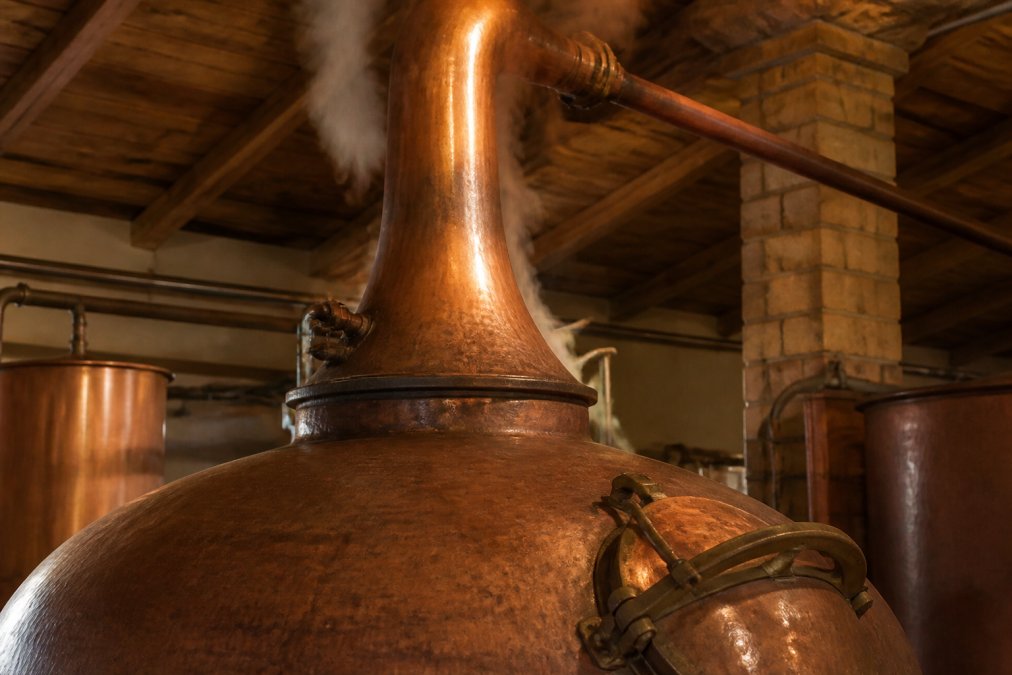
That raw distillate is far too strong for commercial sale and too strong for agave flavour compounds to express themselves properly.
The Chemistry of Proofing Down with Water
"Proofing down" is the process of adding purified water to the high-strength distillate to reach the target ABV. The addition of water changes the physical chemistry of the liquid at a molecular level. Ethanol and water molecules form clusters, and the ratio of those clusters affects how aromatic compounds volatilise, which directly influences what you smell and taste.
At 40% ABV, the balance between ethanol and water creates optimal conditions for agave esters and aldehydes to be perceptible without ethanol vapour masking them. Push above 50% and the alcohol concentration begins to anaesthetise the palate. Drop below 35% and the spirit tastes thin.
Variations in Tequila Alcohol Percentage: Blanco to Extra Añejo
Not all tequilas sit at exactly 40% ABV, and the variation is more interesting than most labels suggest.
How Aging Affects Alcohol Concentration
Aging tequila in oak barrels introduces evaporation. Tequila stored in barrels loses a small percentage of its volume to the atmosphere each year through the barrel staves, a phenomenon known as the "angel's share." In the warm, dry highlands of Jalisco, evaporation rates can be meaningful over a multi-year aging period.
In dry conditions, water evaporates faster than ethanol, so the spirit's ABV can increase slightly over time. In humid conditions, the reverse can occur. For this reason, Extra Añejo tequilas aged three years or more may be bottled at a slightly different ABV than the same distillery's Blanco.
ThiagoTequilaCompany's Reposado range is rested for six months in white oak barrels, long enough to develop smoothness and depth without significant ABV drift, keeping the spirit consistently at 40% ABV.
Overproof Tequila and Its Impact on Cocktails
Overproof tequila, typically bottled between 46% and 55% ABV, is a niche category. The higher alcohol concentration allows the spirit to hold its character against acidic, sweet, or carbonated mixers that would dilute a 40% spirit. A Paloma made with a 50% ABV Blanco retains a more assertive agave presence even after the grapefruit soda dilutes the overall drink. However, overproof tequila is far less forgiving to drink neat; the ethanol potency can overwhelm the flavour compounds.
For home mixologists building cocktails with bold flavour additions, a standard 40% ABV tequila is almost always the better choice.
Is Tequila Stronger Than Vodka or Gin?
Standard commercial vodka and gin are typically bottled at 37.5% ABV in the UK, the minimum permitted strength for classification. Standard tequila at 40% ABV is therefore marginally stronger by 2.5 percentage points. However, premium gins and vodkas are frequently bottled at 40% or higher, so category averages can be misleading.
The perceived "strength" of tequila relative to other spirits is more a function of how it is consumed (shots, often without food) than its actual alcohol concentration.
How ABV Shapes Tequila's Flavour Profile
Ethanol is a solvent. At 40% ABV, it dissolves and carries the volatile aromatic compounds produced during fermentation and distillation: fruity esters, earthy minerals, and the distinctive cooked-agave sweetness that defines 100% Blue Weber Agave tequila. Reduce the ABV significantly and those compounds become less soluble, producing a flatter spirit. Increase it beyond 50% and the ethanol itself becomes the dominant sensation.
For a Reposado aged in white oak, the 40% ABV point is particularly important. The barrel aging process introduces vanilla, caramel, and spice compounds from the wood. At 40%, these layered notes sit in balance with the underlying agave character. Customers who have tried Thiago's flavoured Reposados consistently note the absence of synthetic sharpness, with one describing it as: "I love tequila and the flavoured ones are exceptional. No added sugar means it's the real flavour, not sweet like so many can be."
Standard Drink Measurements and What 40% ABV Means in Practice
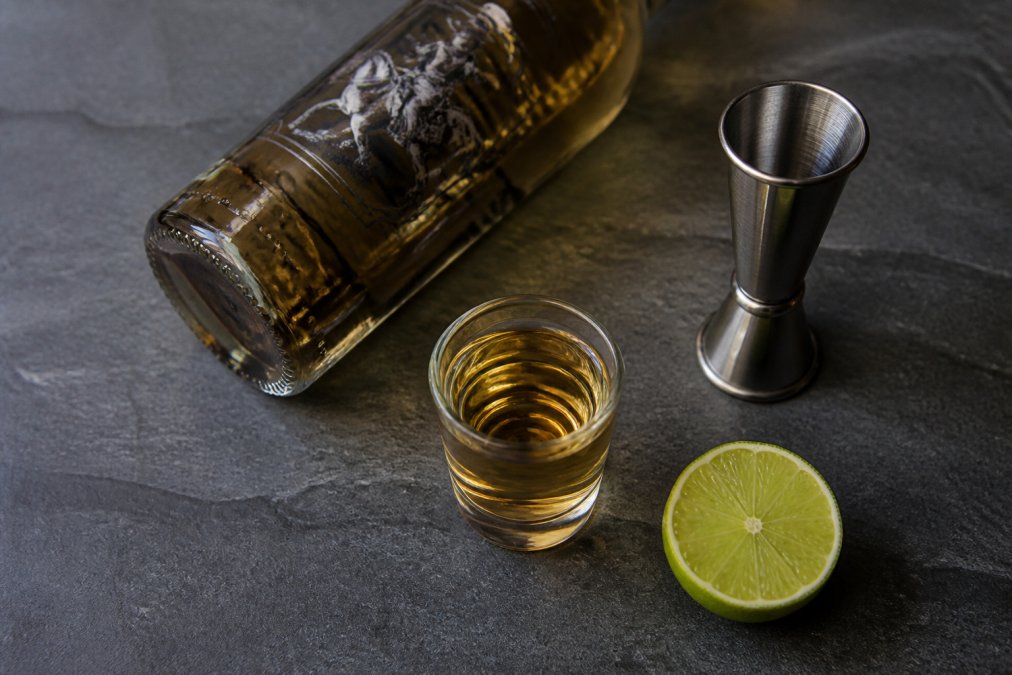
According to Drinkaware's unit calculator guidance, one UK alcohol unit is defined as 10ml of pure alcohol. A standard 25ml bar measure of 40% ABV tequila contains exactly 10ml of pure alcohol, making it precisely one unit. A double measure of 50ml therefore contains two units.
A standard 70cl bottle of 40% ABV tequila contains 28 units in total.
Practical reference points for home entertaining:
- 25ml neat pour: 1 unit
- 50ml double: 2 units
- A Margarita using 50ml tequila: approximately 2 units from the spirit alone
- A Paloma using 50ml tequila: approximately 2 units from the spirit alone
For health-conscious drinkers, the sugar-free nature of a 100% Blue Agave tequila at 40% ABV means the caloric content comes almost entirely from the alcohol itself. The NHS alcohol unit guidance recommends no more than 14 units per week spread across several days, which puts a 70cl bottle of 40% ABV tequila at exactly two weeks' worth of recommended maximum intake if consumed as the sole source of alcohol.
If you want to explore what 40% ABV tequila actually tastes like across different expressions, the Thiago mini pack includes the Black Cherry, Vanilla, and Coffee Reposados alongside the Organico Blanco, all at 40% ABV, all made with real Mexican ingredients and no added sugar. Free delivery on mini packs, and you can try all three minis for £15.99.


Choosing the right tequila comes down to understanding what the ABV number actually guarantees: a spirit distilled within a tightly regulated range, proofed down to a point where flavour and strength are genuinely balanced. ThiagoTequilaCompany's 100% Blue Agave Reposado range is bottled at 40% ABV, sourced and distilled in the highlands of Jalisco, and flavoured with real Mexican ingredients rather than syrups, giving you the full flavour profile the agave and barrel aging produce without added sugar or artificial sharpness. Try all three minis for £15.99 with free delivery and taste the difference that genuine 40% ABV craftsmanship makes.
Frequently Asked Questions
Is 40% ABV the standard strength for tequila in the UK?
Yes. Most tequila sold in the UK sits at 40% alcohol by volume, which aligns with both Mexican regulatory standards and UK labelling requirements for spirits. Mexican law permits tequila to be bottled anywhere between 35% and 55% ABV, but 40% has become the global commercial standard. When you buy a bottle labelled 40% ABV in the UK, that figure is legally verified and must appear on the label under UK food and drink labelling rules.
What is the difference between tequila proof and ABV?
Proof and ABV measure the same thing: ethanol concentration. In the UK, spirits are labelled using ABV (alcohol by volume) as a percentage, so 40% ABV is the standard you will see on bottles. The proof system is primarily used in the United States, where proof equals double the ABV figure. A 40% ABV tequila would therefore be labelled as 80 proof in the US. UK consumers only need to read the ABV percentage on the label.
Is tequila stronger than vodka or gin?
Not typically. Tequila, vodka, and gin all share the same standard ABV of 40% in the UK market, meaning they are equally strong at the standard bottling strength. The difference lies in flavour, not potency. Some premium gins and overproof vodkas are bottled above 40%, and overproof tequilas can reach 50% or higher, but at the standard 40% ABV, no single spirit category is inherently stronger than another.
Why do some tequilas have a lower ABV than 40%?
Mexican law allows tequila to be bottled as low as 35% ABV for certain export markets. Some producers choose a lower ABV to reduce the perception of alcohol heat, particularly in flavoured expressions. However, many quality-focused distillers and consumers prefer 40% ABV because it preserves the full agave flavour intensity developed during fermentation and distillation. Dropping below 38% ABV would disqualify the spirit from being classified as tequila under Mexican denomination of origin rules.
Does the ABV of tequila affect its quality or flavour?
ABV directly influences how flavour compounds are carried on the palate. At 40% ABV, ethanol acts as a solvent that holds volatile aromatic compounds in suspension, delivering the cooked agave, floral, and earthy notes that define good tequila. Too low and the spirit can taste thin; too high and alcohol heat can overwhelm subtler flavours. The 40% standard exists partly because it strikes a balance between flavour intensity and drinkability, whether you are sipping neat, over ice, or mixing cocktails.
Are there legal requirements for tequila alcohol content in the UK?
Yes. Tequila sold in the UK must comply with both Mexican denomination of origin rules, which set the ABV range at 35% to 55%, and UK food and drink labelling regulations that require accurate ABV declaration on every bottle. The UK's Trading Standards authorities enforce labelling accuracy, and spirits must meet the minimum strength thresholds set out in retained EU spirits regulations that continue to apply in Great Britain. Any bottle labelled as tequila must originate from designated regions in Mexico.