
If you've ever tasted a sharp, citrus-led blanco and then moved to a rounder, richer reposado, you already know reposado vs blanco flavour is not a small difference. It changes how tequila lands on the palate, how it behaves in a serve, and what kind of drinker it suits. One is all energy and fresh agave clarity. The other brings a little more depth, more shape, and a finish that lingers.
That difference matters more than most people think. Especially now, when tequila is no longer boxed into one drinking ritual or one kind of occasion. People are sipping it neat, building cleaner cocktails, and looking for flavour with proper provenance behind it. In that context, knowing what separates blanco from reposado is less about labels and more about choosing the right style for how you actually drink.
Reposado vs blanco flavour at a glance
Blanco is tequila in its most direct form. It is either unaged or rested only briefly, so what you taste is the agave speaking first. Expect freshness, brightness, pepper, cut grass, citrus peel, and a mineral edge depending on where it is made. Good blanco has tension. It feels vivid and precise.
Reposado is rested in oak, typically for two months up to a year. That short period in barrel softens the sharper corners and layers in extra character. The agave is still there, but now it sits alongside notes such as vanilla, gentle spice, toasted wood, caramelised edges, and a fuller, smoother mouthfeel. The key word is balance. Reposado should not taste buried under oak. It should taste like tequila with more dimension.
If blanco is all about lift, reposado is about shape.
What creates the flavour difference?
The biggest factor is ageing, but ageing is only part of the picture. The raw material matters first. Tequila made from 100% Blue Agave already has a clear flavour identity - earthy sweetness, cooked agave richness, herbal tones, and sometimes a floral or peppery top note. Production choices then sharpen or soften that identity.
With blanco, there is nowhere to hide. Fermentation, distillation, water, and agave quality are all exposed. That is why a strong blanco can taste so alive. It carries the distillery's hand more openly, from the brightness of the spirit to the natural grip on the finish.
Reposado takes that same base and lets oak intervene. But oak is not just about woodiness. It can add vanilla, baking spice, soft tannin, and texture. It can round off harsher edges and pull flavours together. A well-made reposado still keeps the agave visible. A poor one can feel muddled, overly sweet, or too influenced by cask.
That is the real trade-off. Blanco gives you purity. Reposado gives you polish.
How blanco tastes in the glass
Blanco usually opens with freshness first. You might get cooked agave, green herbs, white pepper, citrus zest, olive brine, or a crisp mineral snap. On the palate it often feels leaner than reposado, with more bite and more definition. The finish tends to be cleaner and more direct.
For some drinkers, that is exactly the point. Blanco feels honest. It has a livelier profile that cuts through ice, soda, and bright cocktail ingredients without losing itself. In a well-built serve, that freshness is what keeps everything tasting clean rather than heavy.
The downside is that blanco can feel too angular for people who want more softness. If you are used to darker spirits or richer flavour profiles, some blancos may come across as too peppery or too linear when sipped neat. That does not make them worse. It just means they ask for a different palate.
How reposado tastes in the glass
Reposado starts from the same agave base but adds a more rounded frame. You still want that natural agave presence, yet the ageing process tends to bring notes of vanilla, cinnamon, toasted oak, light toffee and a silkier texture. It often feels richer across the mid-palate and longer on the finish.
This is why reposado often wins over drinkers who want tequila with more weight. It is approachable without becoming generic. The best examples feel smooth, but not flat. They have enough oak influence to broaden the flavour while keeping the agave at the centre.
Reposado also works brilliantly as a bridge style. If blanco feels too sharp and añejo feels too oak-led, reposado sits in the sweet spot. It offers complexity without drifting away from tequila's core identity.
Which one is better for sipping?
It depends what you mean by better.
If you want the purest expression of agave, blanco is the stronger choice. It is vivid, punchy and expressive. For drinkers who enjoy precision and freshness, sipping a quality blanco makes perfect sense.
If you want something more rounded and naturally mellow, reposado often feels more generous neat. The oak influence softens the spirit and adds a more luxurious texture. That extra layer can make it easier to approach, especially for people exploring premium tequila beyond entry-level brands.
There is also a time-and-place factor. A crisp blanco can feel ideal before dinner or in a brighter, more refreshing serve. A reposado has a little more evening energy. It suits slower sipping and richer flavour combinations.
Which one works better in cocktails?
Again, it comes down to the result you want.
Blanco is usually the better pick for cocktails built around lift and clarity. It shines in drinks where citrus, soda, or fresh fruit need a spirit with definition behind them. It keeps things sharp, modern and focused.
Reposado brings more body and a warmer flavour line. In cocktails, that can create a more layered serve with extra depth and a smoother finish. It pairs especially well with ingredients like coffee, vanilla, stone fruit, spice, or darker fruit notes because it already carries some of that warmth in the spirit itself.
This is also why naturally flavoured reposado can be such a strong format when it is done properly. The barrel-rested base gives flavour additions somewhere to sit. Instead of tasting like sweetness pasted over spirit, the profile can feel integrated, mature and bold enough to enjoy neat, over ice, or in a simple mixed serve. That is a very different proposition from the syrup-heavy end of the flavoured spirits category.
Reposado vs blanco flavour and sweetness
One common mistake is assuming reposado tastes sweeter because it contains more sugar. That is not necessarily true. The perception of sweetness often comes from oak notes such as vanilla and soft spice, plus a rounder texture on the palate. The spirit may feel richer even without added sugar.
Blanco, by contrast, tends to taste drier and brighter because it has fewer mellowing influences. The agave character is more exposed, and so are the peppery and mineral notes.
For modern drinkers paying attention to ingredient quality, this distinction matters. A reposado can deliver a smoother, fuller flavour profile without leaning on artificial additives or sugary shortcuts. That is where premium production standards separate serious tequila from novelty bottles.
What should you choose?
Choose blanco if you want freshness, snap, and a more transparent expression of agave. It is the style for drinkers who like clean lines and cocktails with real cut.
Choose reposado if you want depth, texture, and a more rounded sipping experience. It has a broader flavour profile and often feels more versatile across neat pours and richer serves.
If your taste leans towards coffee, vanilla, black cherry, tamarind or other bolder flavour directions, reposado is often the more compelling base. It has enough structure to carry those notes without losing credibility as tequila. That is exactly why premium flavoured reposado stands out when it is made with proper 100% Blue Agave tequila, natural flavouring, no added sugar and no artificial colouring. It feels contemporary, but still authentic.
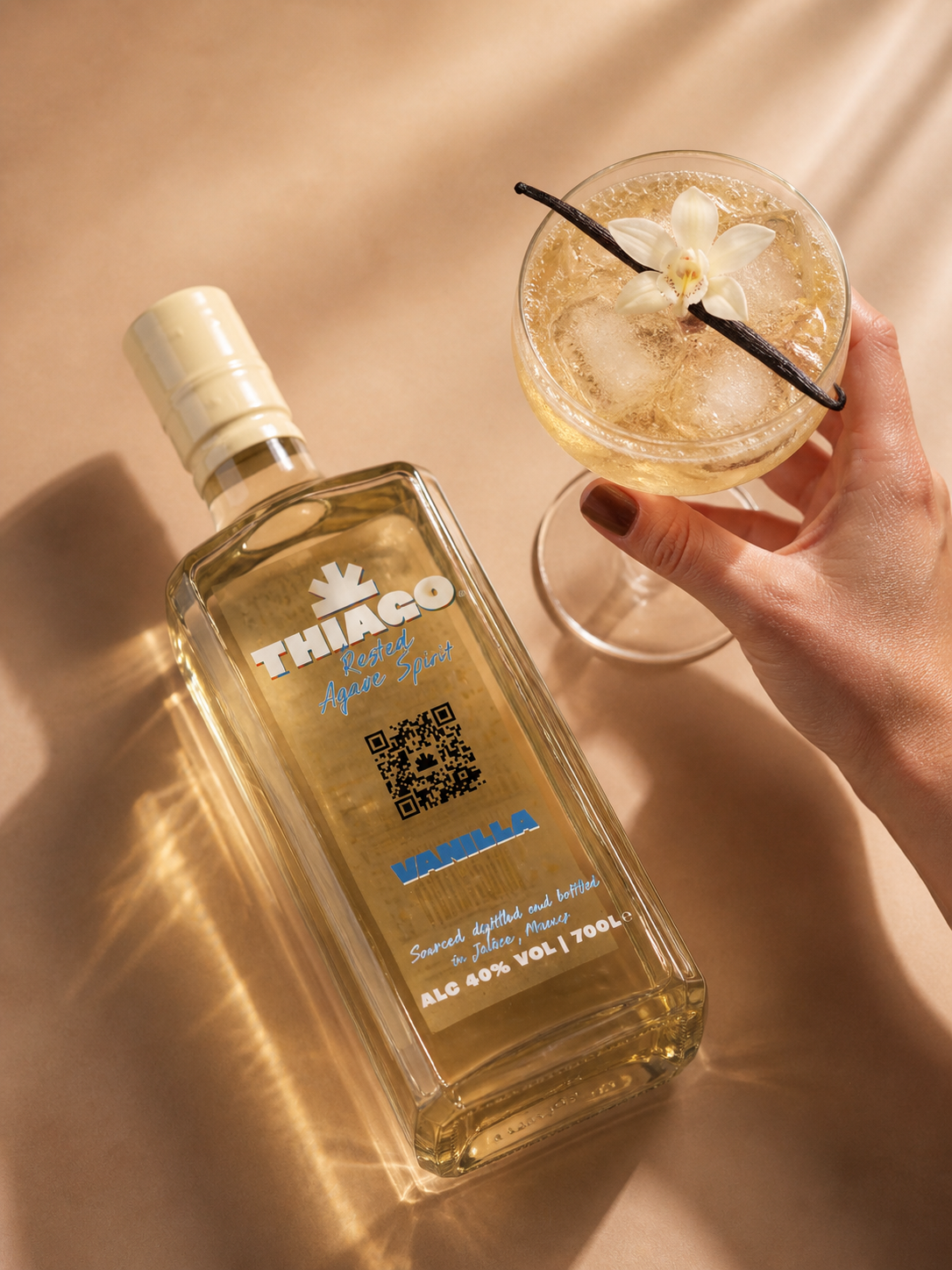
For anyone looking to explore beyond the obvious, Thiago Tequila makes a strong case for that style. A reposado base with natural flavour and proper 40% ABV presence delivers something blanco rarely can - layered, cocktail-ready character with enough backbone to sip straight.
The smartest way to think about blanco and reposado is not as rivals, but as different expressions of the same spirit. One leads with purity. The other builds in depth. Your best bottle is the one that fits the moment, the serve, and the kind of flavour you actually want in the glass.