A great back bar should not force a choice between heritage and personality. In the tequila versus bourbon conversation, both spirits bring serious provenance, depth and presence, but they get there in completely different ways. One begins with Blue Agave grown in Mexico. The other begins with grain, American oak and time. Your better bottle depends less on rules and more on the flavour, serve and mood you are building.
Tequila versus bourbon: the essential difference
Tequila is an agave spirit made in specific regions of Mexico, principally Jalisco and certain designated areas in neighbouring states. Authentic tequila is made from the Blue Weber agave plant, not a cactus, and its character starts long before distillation. Soil, altitude, growing conditions and the producer's approach to cooking the agave all leave their mark.
For premium tequila, look for 100% Blue Agave on the label. That means all fermentable sugars used in production come from agave. It is a straightforward marker for drinkers who care about flavour integrity and Mexican provenance.
Bourbon is an American whiskey made from a grain mash containing at least 51% corn. It must be matured in new, charred oak containers and distilled and bottled within defined strength limits. Those new oak barrels are central to its identity, giving bourbon much of its familiar vanilla, caramel, baking-spice and toasted-wood profile.
So while both may spend time around oak, tequila versus bourbon is not an oak-aged spirit versus an unaged one. It is a comparison between agave-led freshness and grain-led richness, with different production laws, raw materials and cultural roots behind every pour.
What they taste like
Tequila can be bright, peppery, mineral and herbal, with a natural cooked-agave sweetness that feels fresh rather than confectionery. Highland Jalisco tequilas often show a rounder, fruitier agave character, while lowland styles can lean earthier and more savoury. A blanco places agave at centre stage. A reposado brings barrel influence without losing that identity.
Bourbon is generally fuller, warmer and sweeter in style. Corn lends softness, while charred new oak layers in vanilla, toffee, coconut, char and spice. Rye in the mash can add pepper and lift; wheat can make the profile softer and more pastry-like. These are broad tendencies, not fixed guarantees, but they explain why bourbon often lands as a slow, rich pour.
Neither profile is automatically more sophisticated. A clean reposado can have remarkable detail, moving from roasted agave and citrus peel to subtle oak and spice. A well-made bourbon can be wonderfully structured without becoming heavy. The question is whether you want freshness with a savoury edge, or depth with a sweeter, wood-driven finish.
Where ageing changes the comparison
Reposado tequila is rested in oak for at least two months and up to just under a year. It has enough barrel contact to add texture, gentle vanilla and warm spice, while retaining the green, peppery energy of agave. It is often the sweet spot for drinkers who want a spirit bold enough to enjoy neat but flexible enough for a long drink or cocktail.
Bourbon must mature in new charred oak, so the barrel arrives with more force. Even a relatively young bourbon can taste deeply oak-shaped. That is part of its appeal, but it can also narrow the route into lighter, fruit-forward drinks. If you like your spirit with clear barrel weight, bourbon makes sense. If you want oak to support rather than dominate, reposado is a strong move.
Ingredients matter more than the label design
Premium spirits should taste like what they are made from. With tequila, that means agave should lead the conversation. With bourbon, grain and oak should. The details on the bottle tell you whether the liquid is likely to deliver on that promise.
For tequila, seek out 100% Blue Agave and a credible origin in Mexico. For flavoured expressions, the standard should remain high: natural flavour that works with the agave rather than burying it, no artificial additives and no added sugar if a cleaner, more grown-up profile is the goal. Flavour should add a new lane, not disguise a weak base spirit.
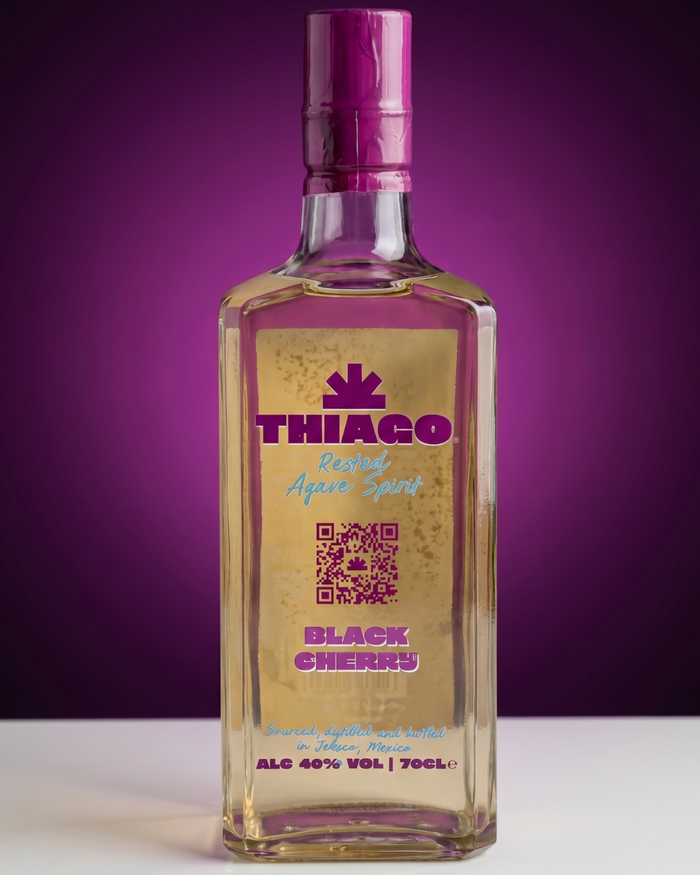
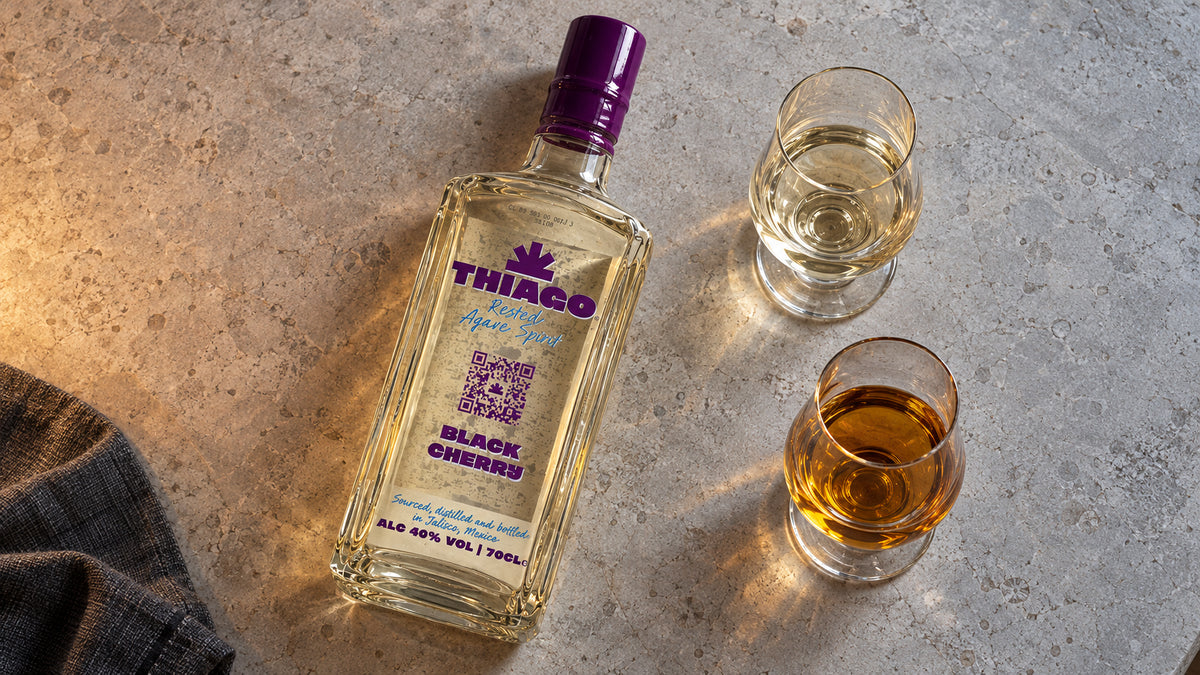
That is where a modern black cherry tequila can make real sense. The right cherry note brings dark fruit, brightness and a subtle tang to reposado's oak and agave character. It should not drink like a syrup-heavy novelty. It should still feel like tequila, only with a sharper point of view.
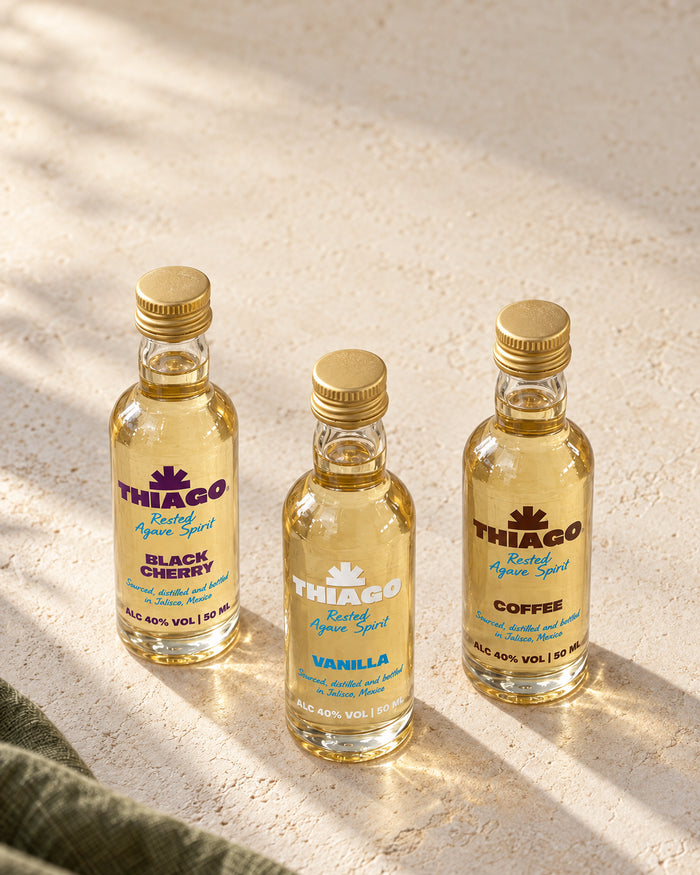
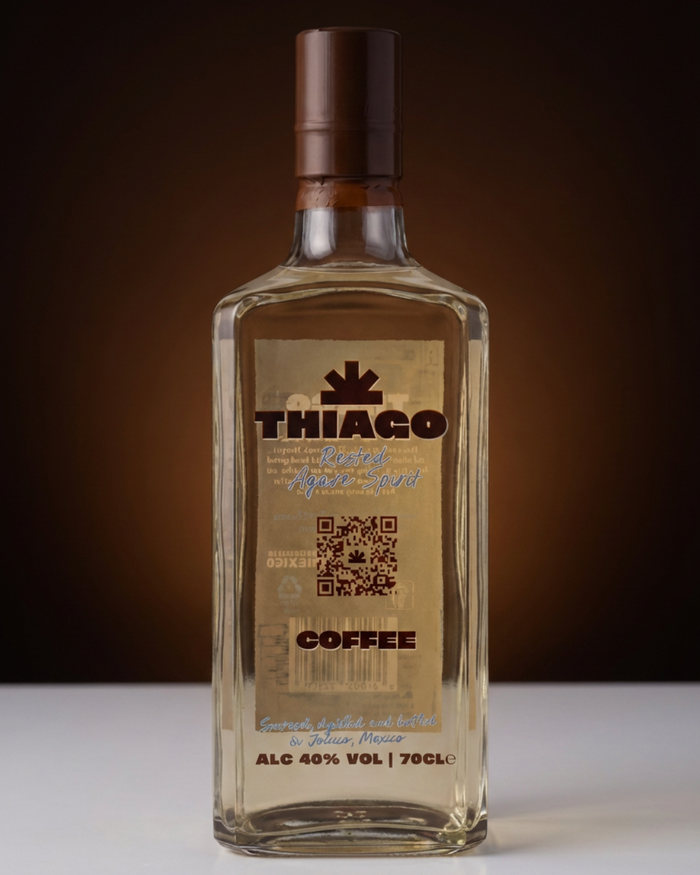
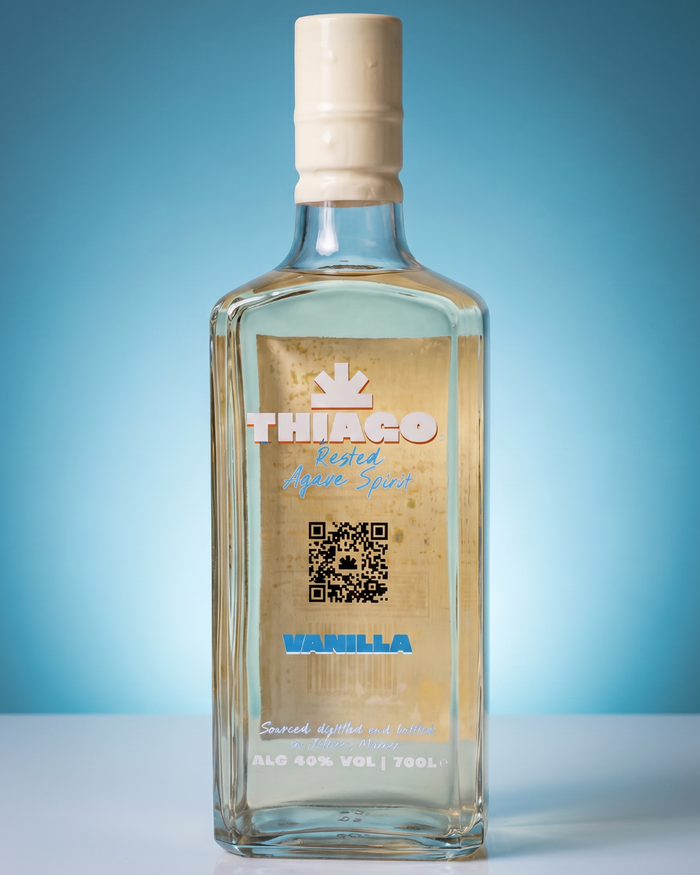
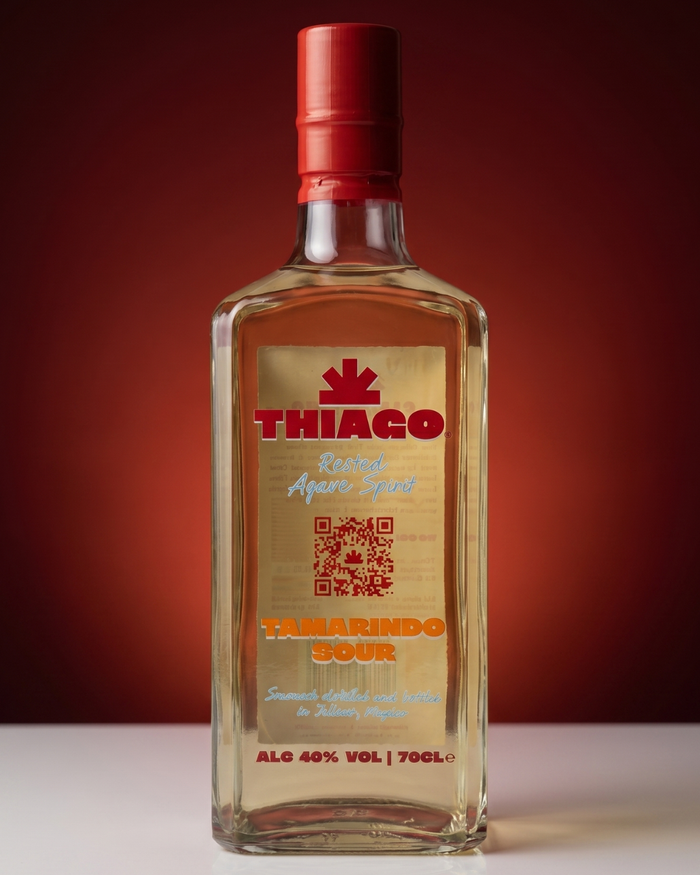
Thiago Tequila takes that route with naturally flavoured, 40% ABV reposado tequila made from 100% Blue Agave in the highlands of Jalisco. Coffee, Vanilla, Black Cherry and Tamarindo Sour bring distinct character, while the liquid stays focused on quality, natural flavour and zero added sugar.
Which spirit works best in cocktails?
Bourbon is made for stirred, spirit-forward classics and drinks with bitter, rich or warming components. Its oak and caramel notes can carry vermouth, aromatic bitters and coffee flavours with ease. It also works beautifully with apple, ginger and autumnal spice. The trade-off is that its sweetness and barrel influence can take over delicate ingredients.
Reposado tequila cocktails bring a different kind of versatility. Reposado can stand up to coffee, cacao, cherry, tropical fruit, ginger, citrus and sparkling mixers, but it keeps a lively, agave-led core. That makes it particularly useful when you want a drink with structure but not a heavy finish.
Try a reposado with chilled soda water, fresh grapefruit and a pinch of sea salt for a crisp highball with real presence. Pair coffee-flavoured reposado with cold brew and a light oat foam for an after-dark serve that feels polished rather than overly sweet. Black cherry tequila works especially well with ginger ale, soda water and a strip of orange peel, or shaken with tart cherry and fresh lemon for a fruit-led drink with backbone.
The point is not to replace bourbon in every recipe. It is to recognise that agave gives bartenders and home hosts a wider spectrum of brightness, savoury complexity and fruit-friendly flavour.
When tequila is the better choice
Choose tequila when the occasion calls for energy, colour and flexibility. It suits an early-evening dinner, a rooftop gathering, a festival weekend or a house party where the drinks need to keep pace without becoming too dense. A good reposado moves easily from a neat pour to a spritz, a highball or a proper cocktail.
Tequila can also be the smarter choice for people who are tired of overly sweet flavoured spirits. A 40% ABV reposado with natural flavour and no added sugar brings enough intensity to feel premium, while keeping the finish clean. It is flavour with purpose, not a shortcut.
Mini bottles add practical value here. A 50ml tequila mini is compact enough for a packed weekend and suitable for hand luggage under standard liquid restrictions, subject to airline and airport rules. For party-goers and festival regulars, that means a measured serve ready to sip, spritz or mix when you reach your destination, without committing to a full bottle.
When bourbon is the better choice
Reach for bourbon when you want a slower, more contemplative pour, or when the menu is built around warm spice, dark chocolate, stone fruit and rich food. Its rounded corn sweetness and oak make it especially satisfying in colder weather or at the end of an evening.
Bourbon also has an advantage for drinkers who love a clear barrel signature. If vanilla, char, caramel and baking spice are the notes you actively seek out, a quality bourbon will deliver those cues more directly than most tequilas. There is no need to force agave into a role built for whiskey.
The better bottle is the one with a point of view
Tequila and bourbon are not substitutes. They are two distinct answers to the same question: what do you want your drink to say? Bourbon speaks in oak, grain and slow-building richness. Tequila speaks in agave, place and bright-edged character, with reposado sitting confidently between freshness and barrel depth.
Build your bar around both if you can. But when the night needs a spirit that feels modern, naturally expressive and ready for more than one kind of serve, reach for a well-made reposado and let the agave do the talking.