Table of Contents
- 7 Ways to Identify Authentic Highland Tequila
- 1. Verify the NOM Identifier on the Bottle
- 2. Check for 100% Blue Agave Certification
- 3. Understand Highland Terroir and Soil Composition
- 4. Recognise Authentic Flavour Profiles in Highland Tequila
- 5. Best Flavoured Tequila UK: Real Ingredients vs. Syrups
- 6. Reposado Tequila Cocktails: Identifying Quality Through Taste
- 7. Examine Production Methods and Distillation Transparency
- Try Authentic Highland Tequila Today
- Frequently Asked Questions
Last Updated: September 20, 2026
7 Ways to Identify Authentic Highland Tequila
Counterfeit and artificially flavoured tequila floods the market. Many drinkers can't tell the difference between genuine 100% blue agave spirit and cheap blends loaded with syrup. This guide from ThiagoTequilaCompany breaks down the seven definitive markers of authentic highland tequila, so you can spot the real thing every time.
Authentic highland tequila is a spirit crafted from 100% blue agave grown in the high-altitude regions of Jalisco, Mexico, where terroir and production methods create distinctive citrus and floral profiles that mass-produced alternatives simply cannot replicate. The difference between genuine highland tequila and counterfeit versions comes down to verifiable details on the label, in the bottle, and on your palate.
Below, we'll show you exactly how to verify authenticity through NOM identifiers, ingredient transparency, and sensory analysis. These methods have helped discerning drinkers identify quality spirits that deliver smooth, sugar-free character without harsh burn.
1. Verify the NOM Identifier on the Bottle
Every legitimate tequila bottle displays a four-digit NOM (Norma Oficial Mexicana) identifier. This number identifies the distillery where the spirit was actually produced. It's the single most important marker of authenticity.
Look for the NOM on the back label, usually printed as "NOM-XXXX" where X represents a digit. The Consejo Regulador del Tequila (CRT), Mexico's official tequila regulatory body, issues these identifiers to licensed distilleries only. If a bottle claims to be tequila but has no NOM, it's not legitimate.
You can verify the NOM against the CRT's official registry. Cross-reference the number with distillery records to confirm the producer actually exists and operates in the tequila-producing regions. Counterfeiters sometimes invent fake NOM numbers or copy legitimate ones. A quick check takes seconds and confirms you're holding real tequila.
2. Check for 100% Blue Agave Certification
The label must state "100% Blue Agave" (or "100% Agave Azul" in Spanish). This is non-negotiable for authentic highland tequila.
If the label says "Tequila" without the 100% qualifier, the bottle contains a mixto, a blend of at least 51% blue agave and 49% other sugars. Mixtos are cheaper to produce and often taste thin, harsh, or overly sweet because producers bulk out the spirit with corn syrup or other additives.
Authentic highland tequila uses only agave tequilana weber, the blue agave plant, as its fermentable sugar source. No corn syrup. No cane sugar. No artificial sweeteners. This single requirement separates genuine craft tequila from industrial blends.
Look closely at the label. The words "100% Agave" or "100% Blue Agave" should appear prominently near the brand name or on the front label. If you see only "Tequila" without this certification, you're looking at a mixto. The best reposado tequila cocktails start with 100% blue agave base spirits, anything else compromises the final drink.
3. Understand Highland Terroir and Soil Composition
Highland tequila comes from the high-altitude regions of Jalisco, primarily around Los Altos (the "High Lands"). This area sits between 1,200 and 1,500 metres above sea level, where volcanic soil and cooler temperatures create conditions that produce distinctive flavour profiles.
The soil in these highland zones is predominantly red clay mixed with volcanic minerals. This composition differs sharply from other tequila regions. Red clay drains quickly, forcing agave roots to dig deeper for water and minerals. This stress concentrates flavours in the plant, citrus peel, floral aromas, and mineral finishes emerge naturally.
Altitude affects agave maturation cycles. Highland agave takes 7-10 years to mature. The slower growth produces higher sugar content in the piña (the heart of the plant) and more complex compounds that survive fermentation and distillation. When you taste authentic highland tequila, you're tasting the cumulative effect of altitude, volcanic terroir, and patient cultivation.
Thiago Organico Blanco Tequila – 70cl →

Producers who understand terroir will mention it on the label or in their brand story. ThiagoTequilaCompany sources exclusively from the highlands of Jalisco because the terroir produces the smooth, complex character that defines their reposado range.
4. Recognise Authentic Flavour Profiles in Highland Tequila
Genuine highland tequila delivers specific sensory markers that distinguish it from lowland or mixto spirits.
Citrus and floral notes dominate the nose and palate. You'll detect lemon peel, grapefruit zest, and sometimes lime, these are natural compounds from the agave, not added flavourings. Floral aromas (think white flowers, sometimes jasmine) follow. On the palate, these notes persist without harshness.
Earthy and mineral notes come next.
5. Best Flavoured Tequila UK: Real Ingredients vs. Syrups
The flavoured tequila market is saturated with cheap spirits infused with artificial syrups and synthetic flavourings. Authentic best flavoured tequila UK uses real, locally sourced ingredients, never syrup.
6. Reposado Tequila Cocktails: Identifying Quality Through Taste
The best way to identify authentic highland tequila is to taste it in a cocktail. Quality spirits shine in mixed drinks because the base spirit's character supports rather than competes with other ingredients.
When you order or make a reposado cocktail, notice:
- Does the tequila's character come through, or does it taste like generic booze?
- Is the finish smooth, or does it burn?
- Does the sweetness feel natural or artificial?
- Does the drink taste balanced, or does one element dominate?
7. Examine Production Methods and Distillation Transparency
Stone ovens (hornos), the classic method. Agave piñas are roasted in underground brick or stone ovens for 24-48 hours. This slow, even heat caramelises the plant's natural sugars and develops complex flavours. The result tastes richer, with deeper caramel and honey notes.
| Authentication Method | What to Look For | Red Flag |
|---|---|---|
| NOM Identifier | Four-digit code on back label, verifiable on CRT registry | Missing NOM or fake number |
| Agave Certification | "100% Blue Agave" on front label | Only says "Tequila" (indicates mixto) |
| Terroir Knowledge | Brand mentions highlands, altitude, or soil | Generic marketing language, no origin details |
| Flavour Profile | Citrus, floral, mineral notes; smooth finish | Syrupy sweetness, harsh burn, artificial taste |
| Ingredients | Real fruit, spice, or botanical matter listed | "Flavouring," syrup, artificial additives |
| Cocktail Performance | Spirit's character shines in mixed drinks | Disappears or tastes harsh in cocktails |
| Production Transparency | Cooking method, fermentation, distillation explained | No process details, vague sourcing claims |
Try Authentic Highland Tequila Today
Identifying authentic highland tequila doesn't require expertise, it requires knowing what to look for. Verify the NOM, check for 100% blue agave certification, understand the role of terroir, taste the flavour profile, inspect ingredient lists, test the spirit in a cocktail, and research the producer's methods.
Frequently Asked Questions
How do I verify a tequila is authentically from the highlands using the NOM code?
The NOM (Norma Oficial Mexicana) identifier on every bottle is your first authentication checkpoint. Look for a four-digit number preceded by 'NOM-' on the back label. Cross-reference this number with the CRT (Consejo Regulador del Tequila) database to confirm the distillery's location and whether it operates in highland regions like Los Altos. Highland distilleries have distinct NOM registrations tied to their geographical production zones. This verification process ensures you're buying from a registered, legitimate producer rather than a blender or counterfeit operation.
What's the difference between authentic highland tequila and lowland production?
Highland tequila, typically produced above 1,000 metres altitude in regions like Los Altos, develops slower-maturing agave with distinct mineral and floral characteristics. The red volcanic soil and cooler climate create citrus peel, honey, and herbaceous notes. Authentic highland spirits show complexity from extended maturation cycles and terroir-specific mineral finishes. When tasting, highland expressions reveal layered aromatics. Check the label for 'Highland' or 'Los Altos' designation to confirm origin.
Are there artificial sweeteners in sugar-free flavoured tequila, or is it genuinely just agave and real ingredients?
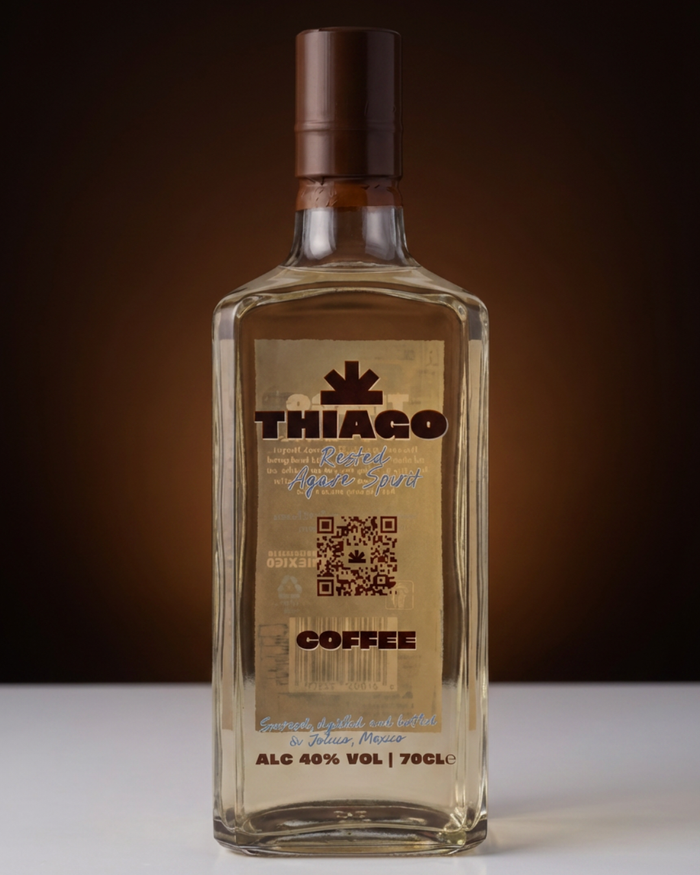
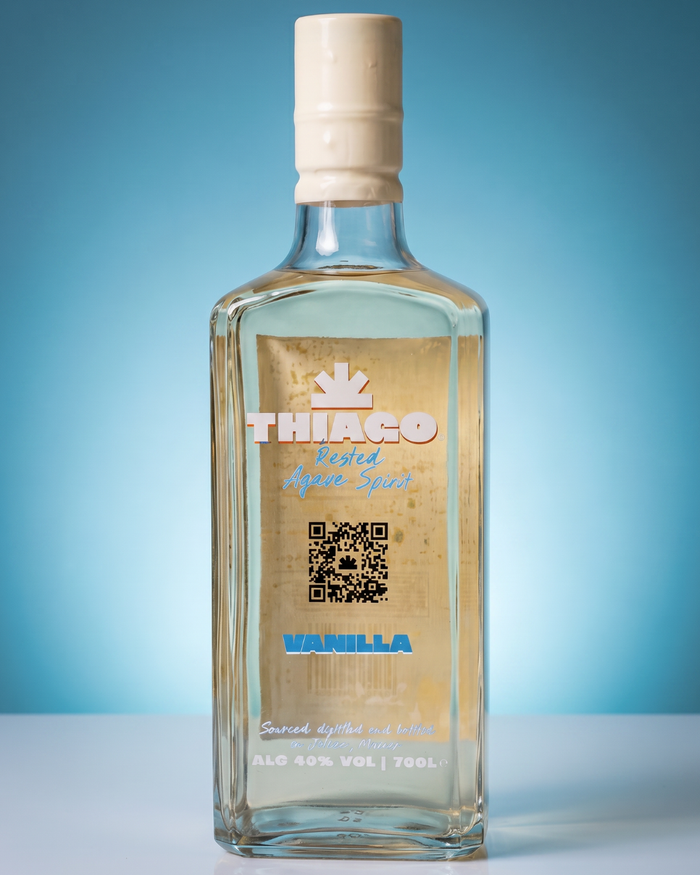
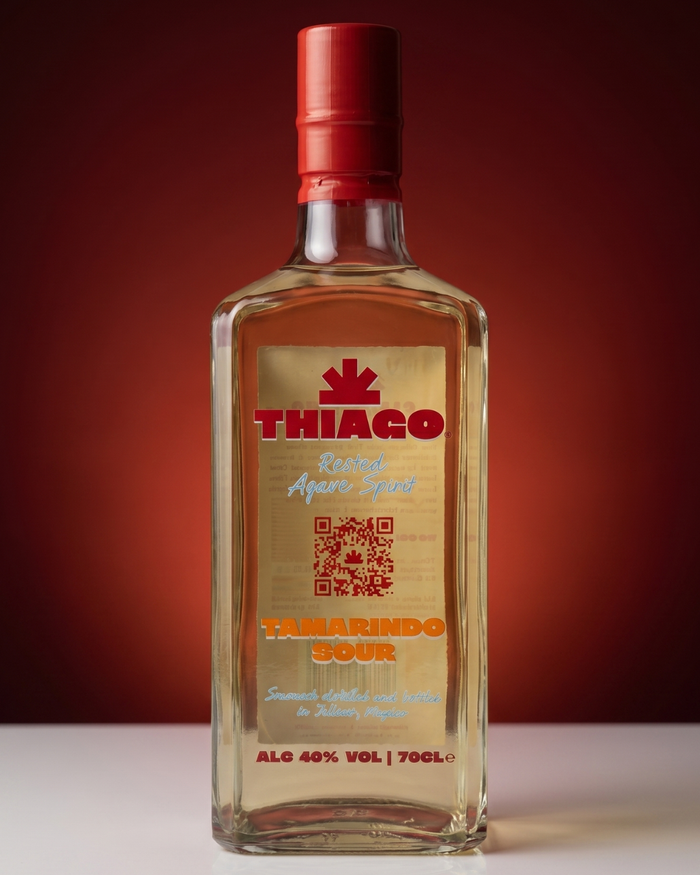
Authentic sugar-free flavoured tequila uses only agave sugars and real botanical flavourings, no artificial sweeteners or sugar alcohols. During fermentation, the agave's natural sugars convert to alcohol, leaving no residual sweetness. When brands infuse real ingredients like black cherry, vanilla, or tamarind after distillation, the flavour comes from those botanicals alone. Check the ingredient list: it should list only tequila, the named flavouring source (e.g., 'black cherry'), and nothing else. Avoid products listing 'flavourings,' 'sweeteners,' or 'additives' without specificity. Real craft producers like Thiago disclose their sourcing transparently, using locally sourced Mexican ingredients rather than syrups.
What flavour notes should I expect from authentic highland tequila when tasting neat?
Genuine highland tequila reveals citrus peel, floral aromas, and mineral notes on the palate. You'll detect honey sweetness balanced by herbaceous undertones and a clean, dry finish without harsh burn. The mouthfeel should feel silky, not sharp, due to extended oak maturation and terroir influence. Mineral finish, a distinctive dryness, signals authentic highland production in volcanic soil regions. When sipping neat over ice, the spirit should open gradually, revealing layered complexity rather than flat agave taste. If you experience harshness, artificial sweetness, or one-dimensional flavour, the tequila likely contains additives or wasn't properly aged in highland conditions.
How can I tell if a tequila brand is actually sourcing and distilling in Jalisco like they claim?
Verify production transparency through three checkpoints: the NOM code (confirms registered distillery location), the label's origin statement (should state 'Product of Mexico' and ideally 'Highlands of Jalisco'), and the brand's public supply chain disclosure. Legitimate producers publish their distillery details and sourcing practices. Cross-reference the NOM with CRT records to confirm the distillery operates in highland zones. Brands like Thiago openly state their sourcing and distillation methods, including agave origin and oak maturation details. If a brand refuses to disclose its NOM, distillery location, or production process, it's likely a blender or importer masquerading as a craft producer. Authentic highland producers take pride in transparency and terroir storytelling.