A glowing gold pour can look like proof of long ageing. Sometimes it is. Sometimes, the colour has been adjusted before bottling. So, can tequila contain artificial colouring? Yes, it can - depending on the tequila’s category, production choices and the rules governing its final formulation. But colour alone never tells the whole story.
For drinkers who care about what is in the bottle, that distinction matters. Premium tequila should earn its character through blue agave, time, oak and skilled production - not rely on a dramatic appearance to make an impression.
Can tequila contain artificial colouring under the rules?
Tequila is a protected Mexican spirit, produced from blue agave in specified regions of Mexico, most famously Jalisco. Its production is governed by Mexican standards, which set out what may be used, where it can be made and how it must be labelled.
Within those rules, certain permitted ingredients may be added in very small amounts at the finishing stage. These are often referred to as abocantes - ingredients used to soften, round out or adjust a tequila’s final profile. Caramel colouring can be one of them. That means a tequila may have added colour even if it is made from 100% blue agave.
This is where shoppers can get caught out. “100% agave” speaks to the source of fermentable sugars used to make the spirit. It is a meaningful quality marker, but it does not automatically mean that nothing has been added after distillation. A bottle can be 100% agave and still use permitted finishing ingredients.
The amount allowed is tightly limited, and not every producer uses it. Yet the possibility is enough to make a simple point: a rich amber colour is not, by itself, a certificate of age, quality or purity.
Why would a producer add colour to tequila?
There are practical reasons. Natural ageing varies. One batch of reposado tequila may draw more colour from its oak cask than another, even when both have matured for a similar period. A small colour adjustment can help create visual consistency from bottle to bottle - useful for large-scale brands where consumers expect the same look every time.
Caramel colour may also be used to deepen a golden style or give a younger tequila the appearance of greater barrel influence. That does not necessarily make the spirit poor quality, but it changes how the bottle should be judged. If colour is doing some of the visual heavy lifting, the liquid still needs to deliver on the palate.
There is a trade-off. Consistency can be valuable, especially to bars building dependable menus. But a producer that lets agave, fermentation, distillation and oak speak for themselves has less to hide and more character to show. For a growing number of premium drinkers, that is the more exciting choice.
Ageing creates colour naturally
Reposado tequila spends a minimum of two months resting in oak containers. During that time, the spirit naturally takes on hue, aroma and texture from the wood. Depending on the barrel’s size, previous use, toast level and the length of ageing, the result may range from pale straw to a deeper gold.
This is real cask influence, not simply visual styling. Oak can bring notes such as vanilla, gentle spice, roasted agave, dried fruit or a rounded, creamy edge. A well-made reposado does not need to be dark to feel expressive. In fact, very deep colour can sometimes tell you more about the cask programme or added colouring than it does about quality.
Blanco tequila is generally unaged or rested only briefly, so it is usually clear. Reposado sits in the middle ground: bright agave energy with oak-driven depth. Añejo spends longer in wood and often becomes more golden, though barrel variation still applies. Joven, sometimes called gold tequila, is the category where colour adjustment is particularly relevant, as it can be created by blending or finishing styles rather than lengthy ageing.
Artificial colouring versus natural colour
The phrase “artificial colouring” is useful for shoppers, but labels and regulations do not always use consumer-friendly language. Caramel colour may appear as a permitted colourant, and its origin or processing can be more complex than a straightforward natural-versus-artificial debate.
The better question is not only, “Was colour added?” It is also: “Why, how transparently, and does the spirit taste like it has been made with care?” A naturally pale reposado can be exceptional. A darker bottle can also be enjoyable. What matters is whether the producer is candid about its process and whether the flavour feels balanced rather than manufactured.
Be wary of assuming that one visual cue settles the matter. Clear does not automatically mean additive-free, and dark does not automatically mean heavily manipulated. Tequila is a regulated category, but the back label is rarely a full production diary.
How to choose tequila with confidence
Start with the category. If you want the clearest expression of cooked blue agave and terroir, choose a quality blanco from a producer that communicates openly. If you prefer more texture and warm oak notes, reposado is the natural move. Look for details beyond broad claims: where the tequila was made, whether it is 100% agave, how it was rested, and whether the brand clearly states its approach to additives and colour.
Then use your senses. A good tequila should smell alive. Look for cooked agave, citrus lift, pepper, herbs, florals or measured oak rather than a flat, confectionery sweetness. On the palate, the finish should feel clean and purposeful, not sticky or artificially perfumed.
For flavoured tequila-based spirits, ingredient clarity becomes even more relevant. Flavour is not the enemy. Poorly handled flavour is. Natural flavour can complement a proper reposado base, adding a distinct serve without burying the spirit beneath syrup or synthetic-tasting sweetness. The benchmark should be a product bold enough to enjoy neat, while still sharp enough for a highball or a proper cocktail.
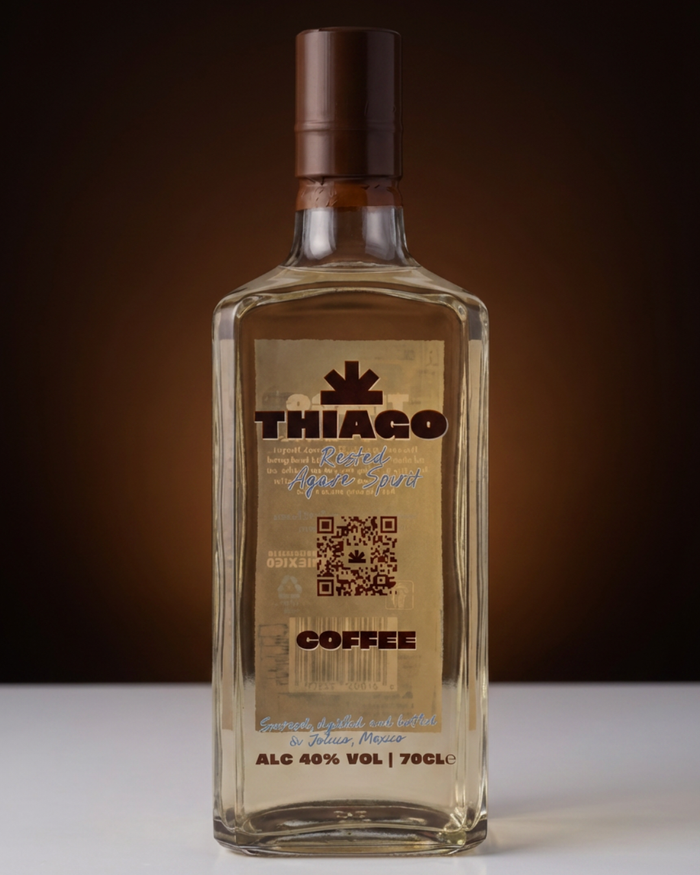
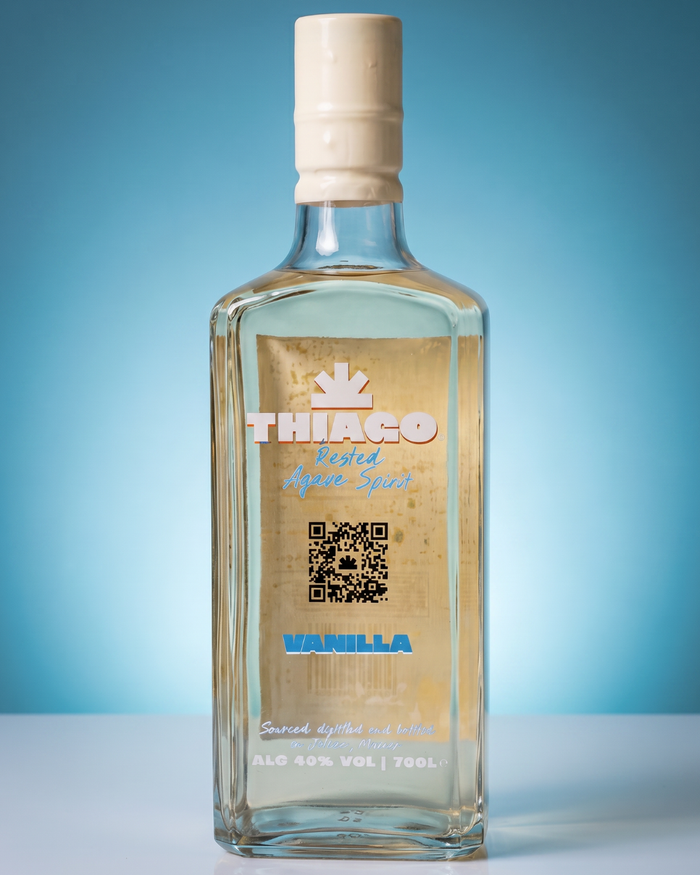
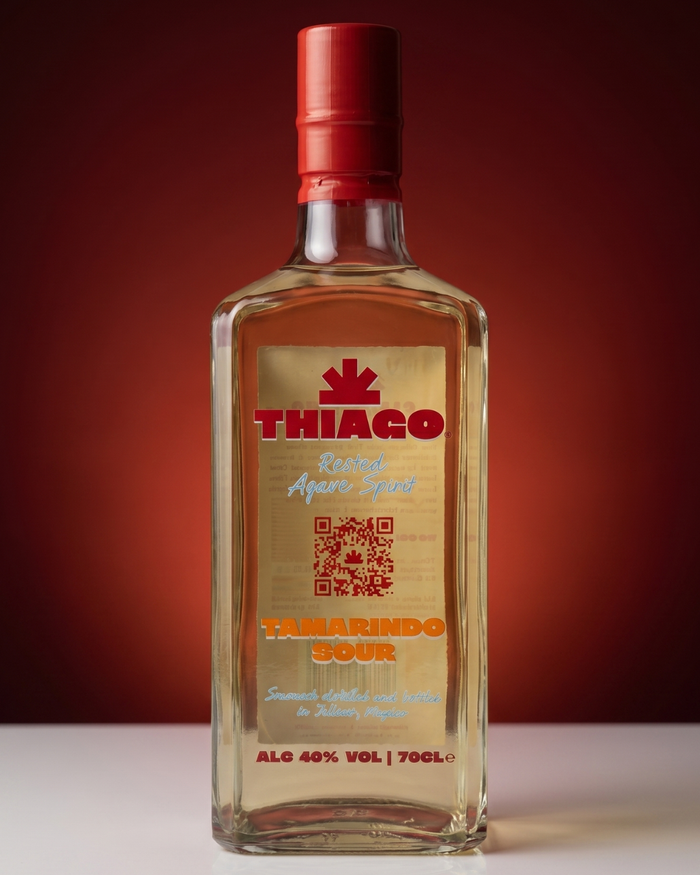
Thiago Tequila takes that route with a 40% ABV, 100% Blue Agave Reposado Tequila from the Jalisco highlands, enhanced with natural flavour and made with zero added sugar, no artificial additives and no colouring. It is a more considered answer for drinkers who want black cherry, coffee, vanilla or tamarindo character without losing the tequila beneath it.
Does no added colouring mean better tequila?
Not automatically. Quality begins much earlier: mature agave, careful cooking, fermentation choices, patient distillation and intelligent barrel management. A no-colouring claim is not a substitute for those things.
It is, however, a useful signal when it sits alongside genuine transparency. It tells you the producer is comfortable letting the natural shade of the spirit appear in the glass, even when that shade changes subtly between batches. That is a confident position, particularly in a category where gold can be used as shorthand for premium.
There is also an expectation issue. If a bottle presents itself as an aged, craft-led tequila, but relies on cosmetic adjustments to create an impression of oak maturity, discerning drinkers are right to ask questions. Premium is not a colour. It is the standard behind the colour.
Quick questions, answered
Is caramel colouring legal in tequila?
It can be permitted under Mexican tequila regulations in limited quantities as part of the finishing process. Its use depends on the product and producer, so it should not be assumed to be present in every bottle.
Can 100% agave tequila have additives?
Yes. The 100% agave designation refers to the sugars used for fermentation. It does not, on its own, guarantee that no permitted finishing ingredients have been used.
Is reposado tequila naturally coloured?
Usually, its golden tone comes from resting in oak. The intensity varies with the wood and time spent ageing, which is why a lighter reposado is not automatically less mature or less premium.
The smartest way to choose is to look past the shade. Seek out producers that make the agave, the origin and the process worth talking about - then choose the flavour profile that makes you want another considered pour.