
A great guide to tequila tasting notes starts before the first sip. Tequila is not a one-note party pour. A properly made expression carries the place it came from: Blue Agave, Jalisco soil, careful cooking, fermentation, distillation and, for reposado, time spent resting in oak. Slow down, pay attention and the glass starts telling a far more interesting story.
For a modern drinker, tasting is not about performing expertise or hunting for a perfect answer. It is about spotting the flavours you genuinely enjoy. Maybe that is bright cooked agave and pepper. Maybe it is vanilla-toned oak, dark fruit or an earthy savoury edge. Knowing what you taste makes choosing your next bottle, cocktail or bar order much smarter.
What tequila tasting notes really mean
Tasting notes are language for aroma, flavour, texture and finish. They are prompts, not rules. If one person finds roasted agave while another gets honeyed citrus, both can be right. Our senses are shaped by memory, food, temperature and even the setting.
The useful question is not, "Can I identify every note?" It is, "What is this spirit doing on my palate?" Is it fresh or rich? Dry or sweet-seeming? Crisp or creamy? Does the flavour fade quickly, or does it stay with warmth and detail? Those observations reveal more than a long list of glamorous descriptors ever will.
Tequila made from 100% Blue Agave often offers a clear agave core, but the final character depends on many choices. Highland agave from Jalisco is frequently associated with a fuller, fruit-forward profile, while the cooking method, yeast, distillation cut and maturation all steer the finished spirit in different directions. Provenance matters, but production decisions matter too.
A practical guide to tequila tasting notes
Start with a clean, tulip-shaped tasting glass if you have one. Its narrower rim concentrates aroma without forcing alcohol straight at you. A small wine glass works well too. Pour a modest measure, ideally at room temperature or just below. Excessive chilling can flatten aroma and hide texture.
Give the glass a gentle swirl, then look at the liquid. Colour is most relevant with rested and aged styles. A reposado may show pale straw, gold or light amber tones from time in oak. But colour alone is not proof of age or quality. What matters is how the spirit smells and tastes.
First, read the aroma
Keep your nose slightly above the rim and take a short, relaxed inhale. Do not bury your nose in the glass. At 40% ABV, alcohol vapour can overwhelm the subtler character if you rush it.
Look for the first family of aromas. Fresh agave can suggest green herbs, citrus peel, pepper, wet stone or vegetal sweetness. Cooked agave tends towards baked fruit, caramelised vegetal notes, honey, toasted sugar or roasted pineapple. None of these need to be literal. They are reference points that help give shape to what you smell.
Reposado tequila brings oak into the conversation. Depending on the cask and resting period, you may notice vanilla, coconut, baking spice, butterscotch, toasted nuts, cocoa or gentle wood tannin. High-quality maturation should frame the agave rather than bury it. If the oak dominates every other element, it may be less versatile for drinkers who want the tequila itself to stay centre stage.
Then taste for structure, not just flavour
Take a small sip and let it move across your palate before swallowing. On the first taste, focus on texture. Is it light and bright, oily and rounded, peppery, creamy or drying? A premium tequila should feel purposeful, not thin or harsh for the sake of intensity.
On the second sip, separate the flavour into three moments. The opening is what arrives first - perhaps cooked agave, citrus, fruit or spice. The mid-palate is the core of the experience, where oak, sweetness, savoury notes and flavour depth build. The finish is what remains once the liquid has gone: warmth, pepper, lingering vanilla, cacao, fruit skin or a clean agave lift.
A good finish does not have to be extremely long. It needs to feel balanced. Some people love a powerful peppery close; others prefer a rounder, softer finish with vanilla and toasted oak. It depends on whether you are drinking neat, over ice or building a cocktail where the tequila needs to hold its own among other ingredients.
How reposado changes the flavour conversation
Reposado means "rested". This style spends a period in oak, which adds a layer of polish while preserving recognisable agave character. It often sits in the sweet spot for drinkers who want more depth than a blanco, without moving fully into the heavier oak profile of longer-aged tequila.
In tasting terms, reposado is where contrast gets exciting. You may find fresh and roasted agave alongside vanilla, cinnamon, toasted wood and soft fruit. The best examples feel integrated: no artificial sweetness, no blunt woody edge, no need to disguise the spirit beneath mixers.
That balance also makes reposado one of the most flexible bases for cocktails. Brighter expressions can bring lift to a highball or spritz. Richer, oak-led reposados can carry coffee, cacao, stone fruit or spice beautifully. The key is matching flavour direction rather than simply reaching for the strongest ingredient in the cupboard.
Naturally flavoured tequila: what to look for
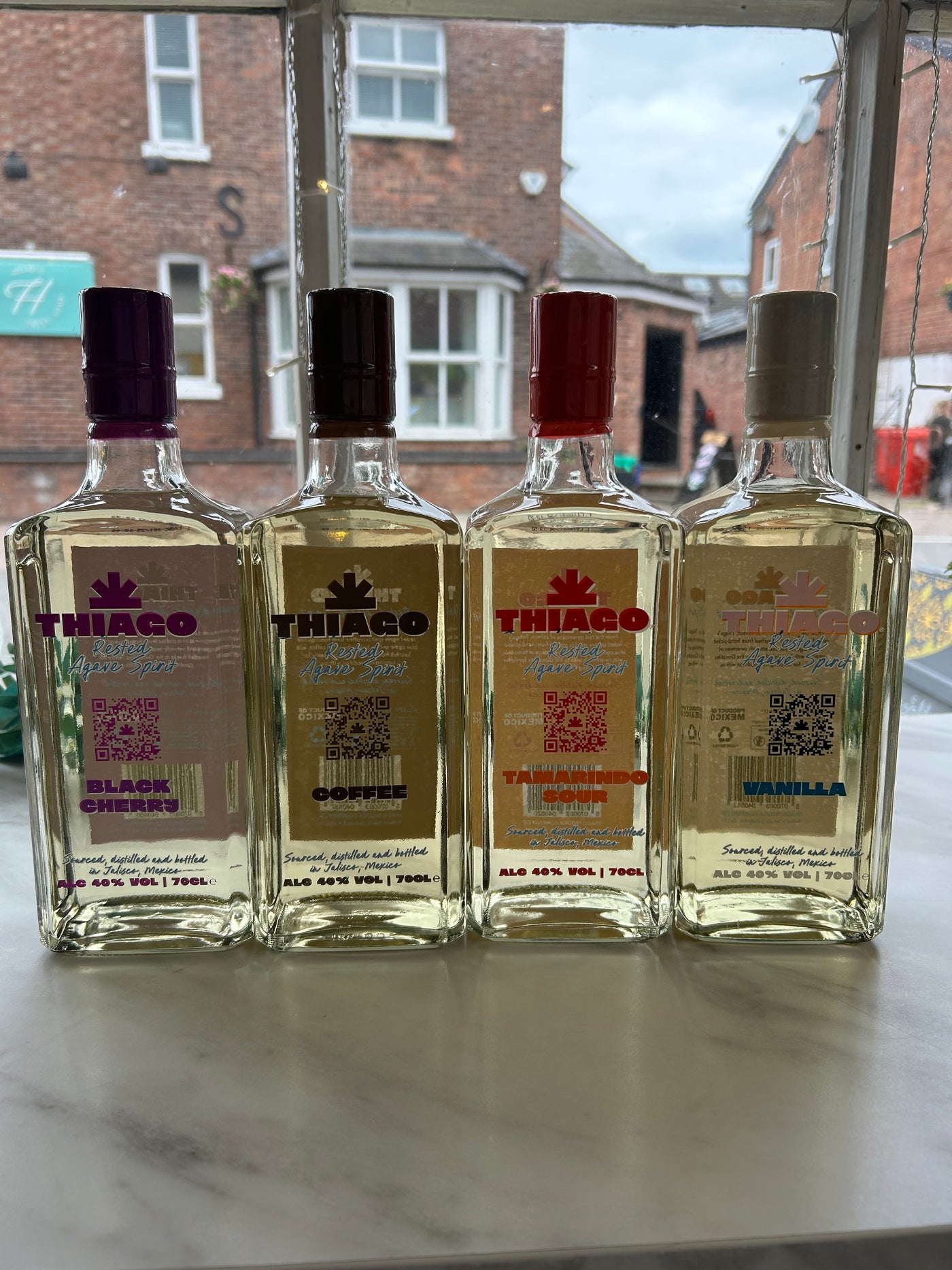
Flavour innovation deserves the same scrutiny as any other tasting choice. A naturally flavoured reposado can be sophisticated when the tequila remains present and the flavour has definition. Coffee should read as roasted, bittersweet and aromatic, not syrupy. Vanilla should add warmth and softness, not turn the glass into confectionery. Black cherry should bring dark-fruit depth and a gently tart edge rather than a candy profile.
Tamarindo Sour is another useful example of balance. Tamarind has a naturally tangy, dark-fruit character that can work brilliantly with the pepper, oak and cooked agave notes of reposado. It should sharpen the palate and encourage another considered sip, not coat it in sweetness.
Check the label and ask direct questions. Is it made with 100% Blue Agave tequila? Is the flavour natural? Is there added sugar, artificial additives or colouring? A clean-label approach does not automatically make a drink better, but it gives the flavour profile room to be more transparent. You can taste the base spirit as well as the creative layer built around it.
Thiago Tequila takes that route with 40% ABV reposado tequila from the highlands of Jalisco, naturally flavoured without added sugar, artificial additives or colouring. It is a confident format for people who want bold flavour without leaving quality behind. For those who prefer an unaged expression, Thiago Organico Blanco offers the purest agave character from the same highland origin.
Build your own tasting flight
The most revealing way to learn is to compare, not overcomplicate. Taste two or three expressions side by side: perhaps a classic reposado, a vanilla-led reposado and a dark-fruit or coffee expression. Keep water nearby and take your time between samples. A plain cracker can reset your palate if needed, though avoid strongly flavoured food until afterwards.
Write only a few words for each pour: aroma, texture, finish and one overall impression. You might record "baked agave, silky, toasted vanilla, warming" or "dark cherry, peppery, dry finish, great for a long serve". These are your notes, not a test paper.
For a social tasting, 50ml formats make the process far easier to organise. A Thiago Tequila Minis bundle lets party and festival crowds sample several flavour directions without committing to full bottles. The compact size also fits standard hand-luggage liquid allowances when packed according to airport rules, although policies vary by carrier and destination. More importantly, it gives you a portable way to sip, spritz or build a simple cocktail wherever the night lands.
Make the notes useful after the tasting
Once you know your preferences, use them. If you enjoy peppery, herbal agave notes, choose clean serves and cocktails that leave space around the spirit. If vanilla, coffee and toasted oak are your thing, pair them with soda, cold brew, ginger or rich dessert flavours. If black cherry and tamarind appeal, lean into tart fruit, bubbles and a touch of bitterness.
There is no prize for liking the most traditional profile or the most experimental one. The point of tequila tasting is to recognise quality, understand balance and find the flavour that suits your taste and your occasion. Pour with attention, trust your palate, and let the next glass say something new.