A tequila can look sharp on the back bar, land well in a round of drinks and still tell you very little about where it comes from. That is exactly why jalisco tequila heritage matters. For anyone buying with more intent than impulse, origin is not a romantic extra. It is the difference between a spirit with real grounding and one built mainly around branding.
Jalisco is not just a place name on a label. It is the historic and legal heartland of tequila, the region most closely associated with blue agave cultivation, distillation know-how and a production culture that has shaped how the category is judged worldwide. If you care about what is in the glass, that heritage is not background detail. It is the baseline.
What jalisco tequila heritage actually means
Heritage gets thrown around too easily in drinks. Sometimes it means little more than old fonts and a story on the bottle. In tequila, it should mean something more concrete. Jalisco tequila heritage is about geography, raw material, technique and continuity. It speaks to a spirit made within a region whose identity has been formed over generations by agave farming, cooking, fermenting, distilling and ageing.
That does not mean every tequila from Jalisco is automatically exceptional. Plenty are ordinary. Heritage is not a shortcut to quality. But it does create a framework. It tells you the spirit comes from the region that established tequila’s reputation and still defines its standards.
For modern drinkers, that matters because the tequila market is crowded with bold claims. Celebrity names, flashy packaging and flavour-first launches can all pull focus. Heritage cuts through that noise. It asks a simpler question: what is this spirit built on?
Why Jalisco became tequila’s centre
Jalisco’s role in tequila is not accidental. The region has the right combination of climate, altitude, soil and agricultural rhythm for blue agave to thrive. Within Jalisco itself, different growing areas produce different results, and those differences are not subtle to people who know what they are tasting.
The highlands, or Los Altos, are especially prized for agave that often produces a fruit-forward, floral and rounded profile. Valley-grown agave can lean more earthy, herbal and peppery. Neither is inherently better. It depends on the house style and what the producer wants to express. What matters is that Jalisco has developed a language of terroir around tequila that serious drinkers increasingly understand.
That regional specificity gives tequila more dimension than the old stereotype ever allowed. It is not one-note. It is not defined by one serve. It is a category with place written into its flavour.
The highlands difference
For brands sourcing and producing in the highlands of Jalisco, there is often a natural emphasis on brightness and structure. Highland agave tends to deliver elegance alongside intensity, which is one reason it works so well in premium reposado expressions. Resting can add texture and spice without flattening the agave character.
That balance is especially important in a modern market where versatility matters. A spirit should hold its own neat, work in a stripped-back serve and still carry flavour in cocktails. Highland tequila often has the shape for that.
Heritage is about production, not nostalgia
The strongest expression of jalisco tequila heritage is not a dusty myth about the past. It is production discipline. How the agave is grown. When it is harvested. How it is cooked. How fermentation is managed. Whether the final liquid respects the raw material or buries it.
This is where the conversation gets more useful. A heritage-led tequila should show intention at every stage. You can taste when the producer has protected the agave’s identity rather than chasing a louder, simpler profile. You can also taste when a product has been pushed towards sweetness or gimmickry to compensate for weak tequila underneath.
That is why ingredient standards matter so much. A tequila-based spirit can be contemporary without becoming careless. Natural flavour, zero added sugar and no artificial additives are not just marketing lines when the base liquid is doing the heavy lifting. They are signs that flavour has been built on quality rather than used to disguise its absence.
Jalisco tequila heritage and the rise of modern flavour
Some people still treat heritage and innovation as opposites. That is outdated thinking. The better question is whether innovation respects its foundation. In tequila, that means asking if a flavoured expression still tastes like it began with proper tequila.
When the base is 100% blue agave reposado tequila from Jalisco, the conversation changes. Flavour becomes an extension of the spirit rather than a mask over it. That distinction matters for drinkers who want something more refined than the syrup-heavy end of the flavoured category.
There is a clear trade-off here. The more aggressive the added flavour profile, the easier it is to lose the tequila’s identity. Some brands lean into that and essentially make the agave irrelevant. Others keep the tequila front and centre, using natural flavour to sharpen a serve, broaden cocktail potential and give drinkers more ways in without lowering standards.
That second route feels far more aligned with where premium drinking is heading. People still want boldness. They just want it cleaner, smarter and better made.
What heritage looks like in the glass
You do not need to be a spirits judge to spot the effect of real provenance. A tequila with genuine Jalisco roots often has a sense of composure. Even when the flavour is assertive, it is not chaotic. The agave reads clearly. The oak in a reposado supports rather than dominates. The finish feels deliberate.
That is one reason heritage matters so much in hospitality. On a back bar, credibility counts. Buyers and bartenders want products that can stand up to scrutiny, not just perform on first impression. Guests are asking better questions now. Where is it from? Is it 100% agave? Is it overly sweet? Does it work neat, or only in a mixed drink?
A tequila with real Jalisco heritage gives stronger answers. It offers authenticity without becoming old-fashioned. It can feel premium and current at the same time.
Why origin still matters for British drinkers
The UK tequila drinker has changed. Fast. More people now understand the difference between mixto and 100% agave, between blanco and reposado, between a trend-led bottle and a properly made spirit. That shift has raised the bar.
For British consumers, jalisco tequila heritage is increasingly a marker of trust. It reassures them that the spirit has come from the category’s true home and has been shaped by the conditions that made tequila globally respected in the first place. In a market full of noise, that kind of clarity is valuable.
It also helps explain price. Premium tequila should not have to apologise for costing more than a generic flavoured spirit. If it is sourced, distilled and bottled in Jalisco, made from 100% blue agave and presented with ingredient integrity, there is substance behind the premium.
That does not mean everyone needs the most traditional bottle on the shelf. Taste is personal. Occasion matters. Some drinkers want a classic sipping profile. Others want something bold enough for cocktails, spritzes or a more social serve. Heritage does not limit those choices. It makes them stronger.
Jalisco tequila heritage in a new era
The category is moving. Drinkers want provenance, but they also want energy. They want quality without stiffness. They want tequila that can turn up in serious cocktails, late-night socials, rooftop serves and premium gifting without losing its credibility.
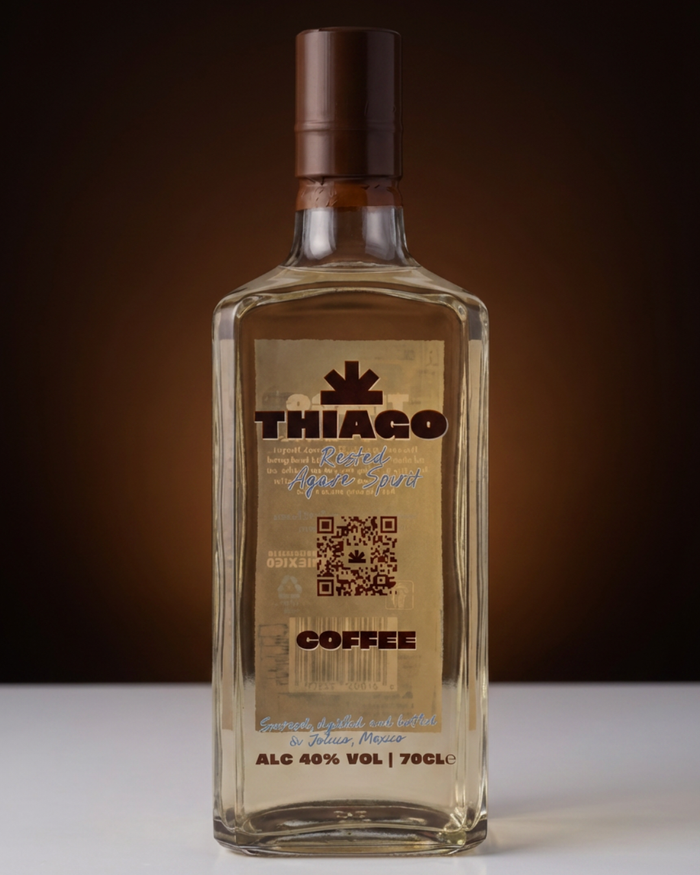
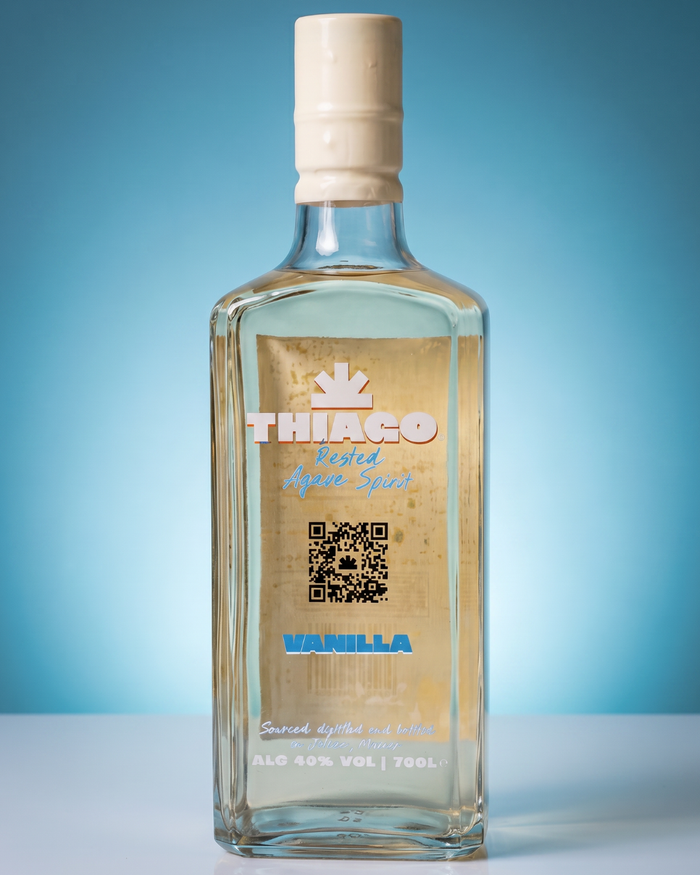
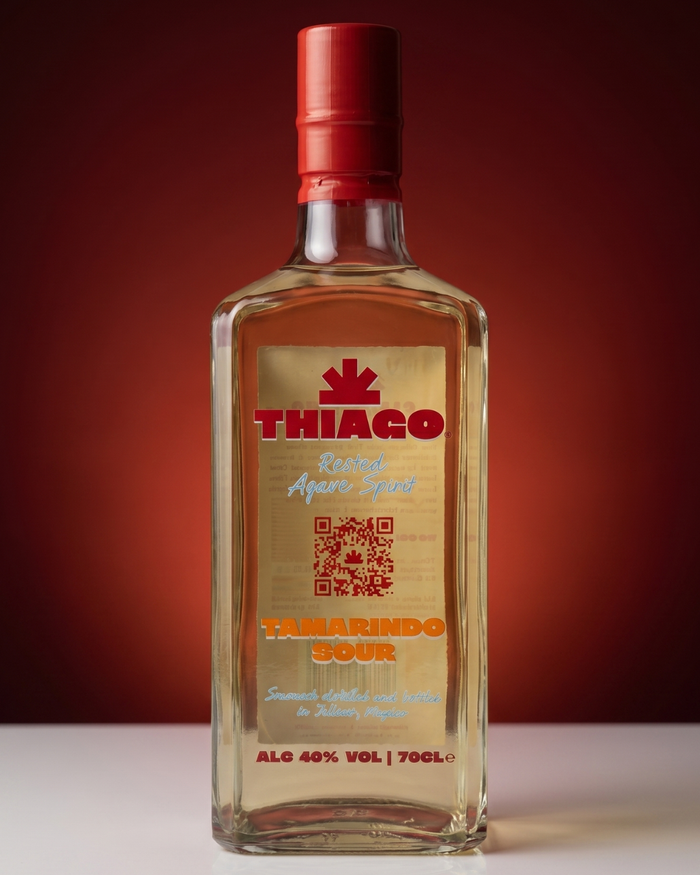
That is where a modern approach rooted in Jalisco makes sense. A brand such as Thiago Tequila shows how contemporary flavour can sit on top of authentic tequila production rather than away from it. The point is not to imitate the past. It is to respect the source and then build something confident with it.
Heritage should never be used as an excuse for staying static. But it should be the standard that keeps innovation honest. If a tequila claims premium status, its connection to Jalisco, to blue agave and to disciplined production ought to be more than decorative.
When you know that, buying tequila becomes simpler. You stop being distracted by noise and start looking at what holds up. Origin. Agave. Production. Balance. Whether the liquid tastes like it belongs to somewhere real.
That is the lasting value of Jalisco. Not just prestige, but proof. And once you start drinking with that in mind, the category gets a lot more interesting.