The difference shows up in the glass fast. One naturally flavoured spirit tastes layered, dry and precise. Another lands like liquid sweets. That is exactly why a naturally flavoured spirit guide matters now - not as marketing fluff, but as a smarter way to choose bottles that actually deliver flavour without compromising quality.
Flavoured spirits are no longer a side category bought on novelty alone. They are shaping back bars, retail shelves and at-home serves, especially with drinkers who want more character and less syrup. But not every bottle using the word flavour is built the same way. If you want something bold enough to sip, clean enough to mix, and premium enough to bring out with confidence, you need to know what separates the good from the forgettable.
What a naturally flavoured spirit guide should actually help you spot
A proper guide should do more than explain labels. It should help you read past the front of the bottle and understand how flavour has been added, what base spirit sits underneath it, and whether the final result still respects the original spirit.
That matters because flavour can either sharpen a spirit’s identity or bury it. In weaker products, flavouring is often there to cover roughness, poor raw material, or excessive sweetness. In better bottles, flavour works with the spirit, not against it. You still get structure, texture and finish. The flavour adds dimension rather than disguise.
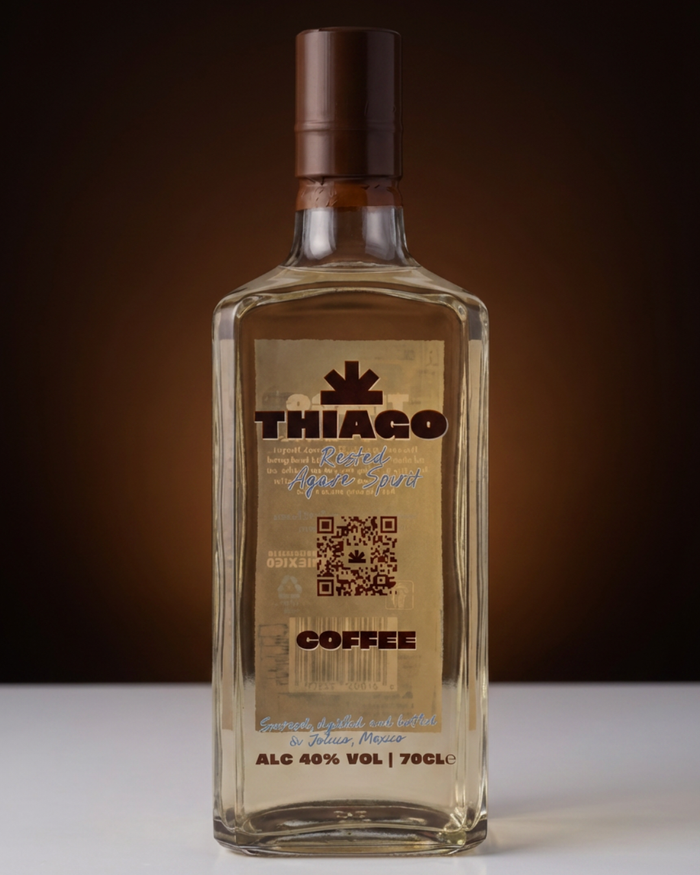
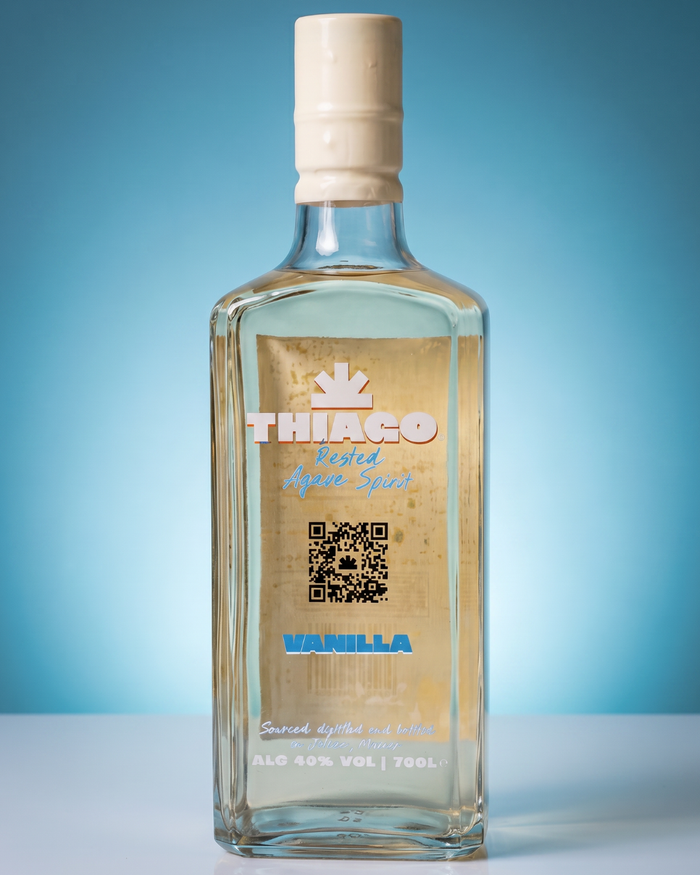
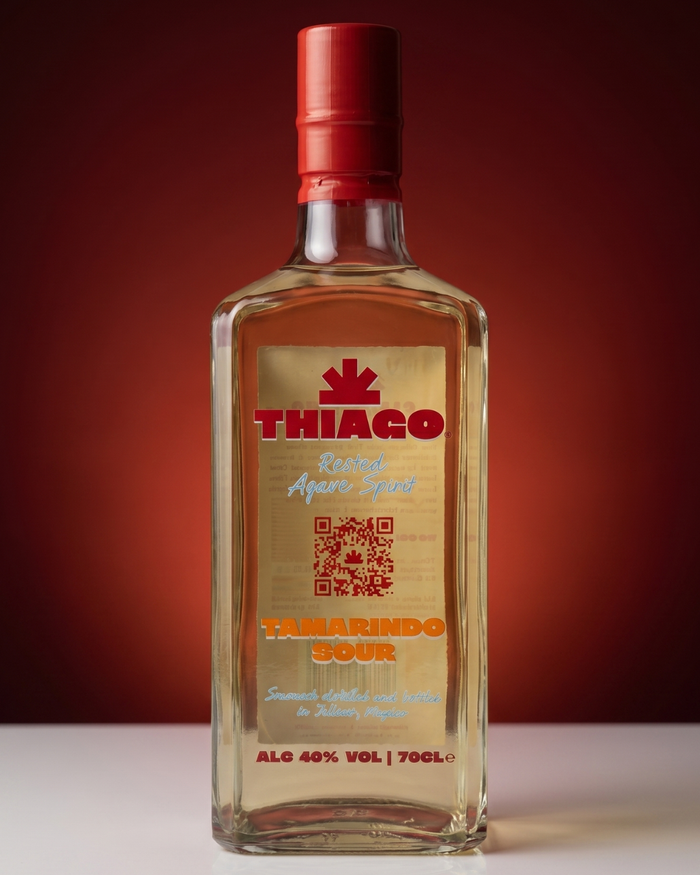
This is especially relevant for agave spirits. A quality reposado has natural depth already - cooked agave, oak, spice, soft vanilla, sometimes a touch of pepper or dried fruit. Add natural coffee, black cherry, tamarindo sour or vanilla with restraint and you can create something modern without flattening the tequila character that made it worth drinking in the first place.
The base spirit matters more than the flavour
If there is one rule worth keeping from this naturally flavoured spirit guide, it is this: start with the base. A premium flavoured spirit is only ever as good as the liquid underneath the flavour.
When the base is properly made, you notice it immediately. There is definition on the palate, length on the finish and a clear sense of ingredient origin. With tequila, that means looking for 100% blue agave, proper production standards and a spirit that still tastes like tequila after the flavour lands.
Reposado works particularly well here because it already sits in a sweet spot. It has more roundness than blanco, but not so much oak influence that it fights with added flavour. That gives producers room to build something expressive and contemporary while keeping the profile balanced.
Trade-offs do exist. A heavily oaked spirit can make flavour integration trickier. A very delicate base can disappear too easily. And some flavour styles simply suit certain spirit categories better than others. Citrus may sing in gin, while deeper fruit or coffee notes can perform brilliantly in a rested agave spirit. It depends on how the producer is aiming to frame the drinking experience.
Natural flavour is not the same as better by default
The phrase natural flavour has appeal for obvious reasons, but it is not a magic quality stamp on its own. A naturally flavoured spirit can still be badly balanced, too sweet or one-dimensional. What you want is natural flavour plus discipline.
That means asking a few practical questions. Is there added sugar? Is there artificial colouring? Does the flavour taste integrated or separate? Do you still get the character of the original spirit? If the answer to the last question is no, the bottle may be technically flavoured, but it is not especially well made.
Zero added sugar is worth paying attention to because sweetness changes everything. A small amount can soften edges, but too much strips away precision and makes a spirit harder to use across different serves. It narrows the bottle’s range. Something drier and cleaner can be enjoyed neat, poured over ice, lengthened with soda or used in cocktails without turning every drink into dessert.
That flexibility is a major part of the appeal. Premium flavoured spirits should feel versatile, not niche.
How to read flavour profiles with more confidence
Most drinkers know what they like, but fewer know how to decode a bottle before trying it. A little flavour language helps.
If a spirit leans towards coffee, expect bitterness, roasted depth and a darker finish. In a reposado base, coffee can pull out oak spice and cacao-like notes. Vanilla is softer and more rounded. It can enhance perceived sweetness even without added sugar, which is useful if you want a smoother profile without tipping into syrup.
Black cherry sits differently. Done well, it brings fruit weight, a slight tartness and a richer mid-palate. Done badly, it can taste medicinal. Tamarindo sour is even more dependent on balance. It should give tang, savoury fruit character and lift. If it goes too far, it can feel sharp and disconnected.
This is where quality production shows. Better bottles do not just taste of a flavour. They taste composed. You can sense where the agave ends, where the barrel influence begins and where the flavour threads through both.
A naturally flavoured spirit guide for serving, not just shopping
Choosing the right bottle is one thing. Serving it well is another. Premium naturally flavoured spirits reward simplicity because there is already a lot happening in the liquid.
If the spirit is dry, structured and full-flavoured, neat can work beautifully. Not because every bottle should be sipped that way, but because a good one can handle the scrutiny. Over ice, you get a little more softness and space for aroma to open. With soda, the profile sharpens and becomes longer, cleaner and more sessionable.
Cocktails should not be overbuilt. When a spirit already brings coffee, cherry, vanilla or tamarind notes, adding five more loud ingredients is usually the wrong move. A short, precise serve tends to show the bottle at its best. Think brightness, dilution control and a clear role for the spirit.
There is also a place for convenience without compromising standards. Mini formats are a smart move for festivals, parties and travel, especially when they stay true to the full-strength liquid. A well-made 50ml bottle is not a gimmick - it is a practical way to sip, spritz or mix on the go, and it happens to be hand luggage friendly as well.
Why premium flavoured agave is gaining ground
The old idea that flavoured spirits must be cheap, sweet and unserious is fading. Drinkers are more label-aware, ingredient-aware and format-aware than they were a few years ago. They want flavour, but they also want provenance, production credibility and a cleaner finish.
That is why premium flavoured agave has real momentum. It offers something many categories struggle to balance: authenticity and accessibility. A good bottle can feel rooted in Jalisco production standards while still speaking to modern drinking habits. That makes it attractive to tequila enthusiasts, curious newcomers and hospitality buyers looking for something distinctive that actually earns its place on a menu.
For bars, the appeal is obvious. A naturally flavoured reposado-based spirit can speed up service, widen cocktail options and create signature serves without loading the back bar with extra syrups and modifiers. For drinkers at home, it makes premium flavour easier to enjoy without needing specialist kit or a long ingredient list.
Thiago Tequila sits confidently in that space - bold enough to enjoy neat, contemporary enough for modern serves, and rooted in real 100% blue agave reposado credentials rather than novelty.
What to look for before you buy
The smartest buyers do not just shop by flavour. They shop by build. Look for clear statements about the base spirit, origin and production. Check the ABV, because strength often tells you whether the bottle is being positioned as a serious spirit or a lower-proof sweetened shortcut. Pay attention to sugar claims, ingredient transparency and whether the producer seems proud of the spirit itself, not just the flavour wrapped around it.
Then think about how you actually drink. If you want a bottle mainly for easy mixed drinks, a brighter fruit-led expression may suit you. If you prefer slower sipping or richer evening serves, coffee or vanilla may feel more at home. If you like tension and edge, tamarind-style profiles can be a standout. There is no universal best choice. There is only what works for your palate and your serve.
That is the real point of a naturally flavoured spirit guide. Not to tell you flavour is automatically premium, but to show you when it has been handled with enough care to be worth your glass. Choose bottles that respect the base, stay honest on ingredients and bring flavour with intent. The best ones do not shout. They simply taste like they know exactly what they are doing.