Table of Contents
- What Makes Blue Agave Tequila Different
- How Blue Weber Agave Defines Authenticity
- The Best Flavoured Tequila UK Standards
- Reposado Tequila Cocktails: Why Ageing Matters
- Thiago Tequila Minis Bundle: Premium Tasting On The Go
- Environmental Sustainability and Agave Farming
- Why Quality Blue Agave Tequila Justifies the Investment
- Frequently Asked Questions
Last Updated: September 29, 2026
What Makes Blue Agave Tequila Different
Blue agave tequila matters because it's the difference between a spirit that tastes authentic and one that tastes synthetic. At its core, blue agave tequila is made from the Weber Blue Agave plant, a succulent native to the highlands of Jalisco, Mexico. This single ingredient choice determines everything: the flavour profile, the smoothness, the finish, and ultimately whether you're drinking something with genuine character or a marketing story.

The issue isn't just about purity, though that's part of it. The real distinction lies in how blue agave delivers flavour that feels earned rather than engineered. When a distillery commits to 100% agave, they're accepting the natural variability of the plant. No syrups to mask rough edges. No additives to create false sweetness. Just the agave itself, which means the quality of distillation, fermentation, and ageing becomes impossible to hide.

100% Agave vs. Mixto: The Purity Question
100% agave tequila uses only blue agave as its fermentable sugar source. Mixto tequila, by contrast, uses a minimum of 51% agave and fills the remaining 49% with other sugars, typically cane sugar or high-fructose corn syrup (Our Tequila - Consejo Regulador del Tequila). This isn't a minor difference. It fundamentally changes what you're drinking.
The practical impact: 100% agave spirits tend to have a cleaner, more complex flavour profile because there's no competing sugar source muddying the agave's natural character. Mixto tequilas often taste sweeter and more one-dimensional. They're cheaper to produce, which is why they dominate the lower-shelf market. But if you've ever wondered why some tequilas taste harsh or leave a synthetic aftertaste, mixto formulations are usually the culprit.
For spirits like Thiago's Black Cherry Reposado, the 100% agave foundation means the real black cherry flavouring can shine without competing against artificial sweetness. You taste the fruit, not the sugar.
The Role of Additives in Tequila Production
Mexican tequila regulations allow up to 1% additives by volume. That sounds minor until you understand what "additives" actually means: caramel colouring, oak extract, glycerine, and various flavouring compounds designed to manipulate the final product's appearance and taste.
A tequila producer might use additives to accelerate the colour development that would normally take months in a barrel, or to add sweetness without using more agave. The result feels smoother on first sip but often leaves a chemical aftertaste once the initial impression fades. Many drinkers describe this as a "harsh burn" that lingers.
Quality distilleries minimise or eliminate additives entirely. They let the agave, fermentation, and barrel ageing do the work. This approach requires better raw materials and more skilled craftsmanship. But the difference in taste is undeniable.
How Blue Weber Agave Defines Authenticity
The specific variety matters enormously. Blue Weber Agave, the only agave legally permitted in tequila production, develops differently depending on altitude, soil composition, and rainfall. Highland agave (grown above 1,500 metres) tends to have higher acidity and more complex flavours. Lowland agave develops faster but with less nuance.
Jalisco's highlands produce agave with distinctive mineral notes and citrus undertones. This terroir effect means that highland tequilas often taste noticeably different from their lowland counterparts, even when produced using identical methods. For Thiago Tequila, sourcing exclusively from Jalisco's highlands ensures consistency in that mineral-forward, crisp character that defines the brand.
Terroir and the Highland Effect
Terroir describes how geography shapes flavour. In tequila, it's the combination of soil mineral content, altitude, temperature fluctuations, and water availability that influences how the agave plant develops. Highland agave grows in cooler conditions, which slows maturation and allows more complex sugars to develop. The result is agave with greater depth and more pronounced citrus and herbal notes.
Lowland agave, by contrast, matures faster in warmer conditions. It produces higher yields per plant but with simpler, more one-dimensional flavour profiles. Many mass-market tequilas rely on lowland agave precisely because it's cheaper and faster to harvest. The trade-off is character.
When you sip a highland tequila neat, you should notice a subtle minerality, almost like licking a smooth stone. That's terroir. It's not added. It's the agave speaking. Lowland tequilas rarely have this quality because the agave simply didn't develop it.
Diffuser vs. Tahona Extraction: The Production Divide
Here's where the craft becomes visible. Two extraction methods dominate modern tequila production, and they produce noticeably different spirits.
Diffuser extraction uses high-pressure hot water and chemicals to rapidly break down the agave plant's fibres and extract sugars. It's efficient, a modern diffuser can process tonnes of agave in hours. But efficiency comes at a cost. The harsh conditions strip away subtle flavour compounds, leaving a spirit that tastes flatter and often requires more additives to taste "finished."
Tahona extraction (traditional method) involves slowly roasting the agave in large clay ovens, then crushing it using a massive stone wheel.
Thiago Organico Blanco Tequila – 70cl →
The Best Flavoured Tequila UK Standards
When evaluating flavoured tequila, several markers separate genuinely crafted spirits from marketing exercises. A quality flavoured tequila should taste like the base spirit has been enhanced, not masked.
Reading Labels: NOM and CRT Certification
The NOM (Norma Oficial Mexicana) is Mexico's official tequila standard. Every bottle of authentic tequila displays a four-digit NOM number, which identifies the distillery where the spirit was produced.
Reposado Tequila Cocktails: Why Ageing Matters
Reposado means "rested." It's tequila aged between two months and one year in oak barrels (Our Tequila - Consejo Regulador del Tequila). This brief ageing window is deceptively important. It's long enough for the spirit to absorb colour and subtle oak flavours, but short enough that the agave character remains dominant.
Flavour Profile: From Citrus to Roasted Sweetness
A well-made reposado tequila should show a clear progression of flavours. On the nose, you'll catch citrus and herbal freshness, the agave's natural aromatics. On the palate, the oak contributes subtle vanilla and toasted notes. The finish should be clean, with lingering citrus and a slight mineral dryness.
Cocktail Versatility and Neat Sipping
Reposado's balanced profile makes it exceptional for both applications. In a cocktail, it provides backbone without overpowering other ingredients. A Margarita made with reposado tastes more refined than one made with blanco because the oak adds depth. A Paloma becomes more complex when the citrus in the drink plays against the oak in the spirit.
Thiago Tequila Minis Bundle: Premium Tasting On The Go
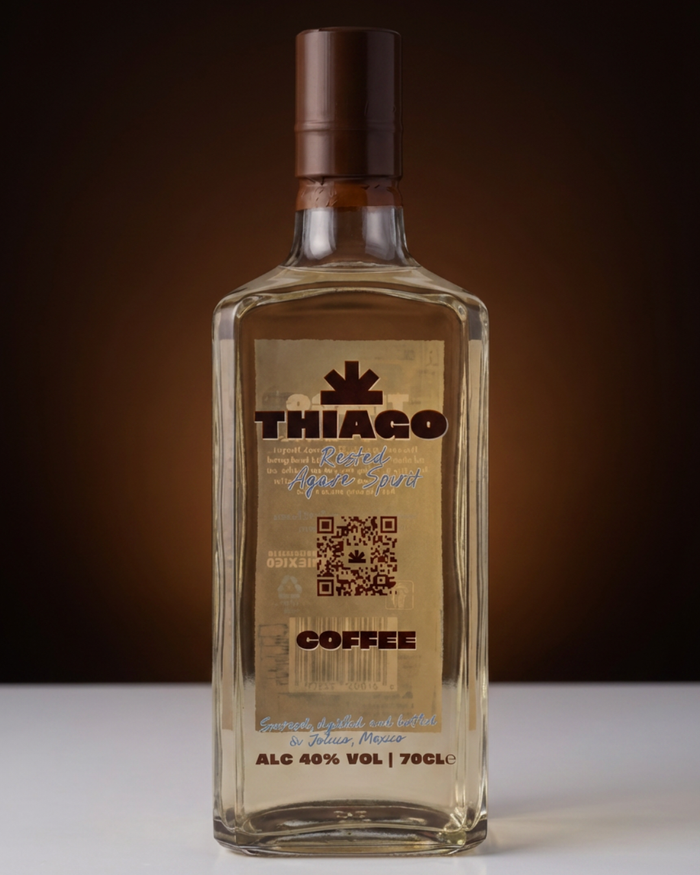
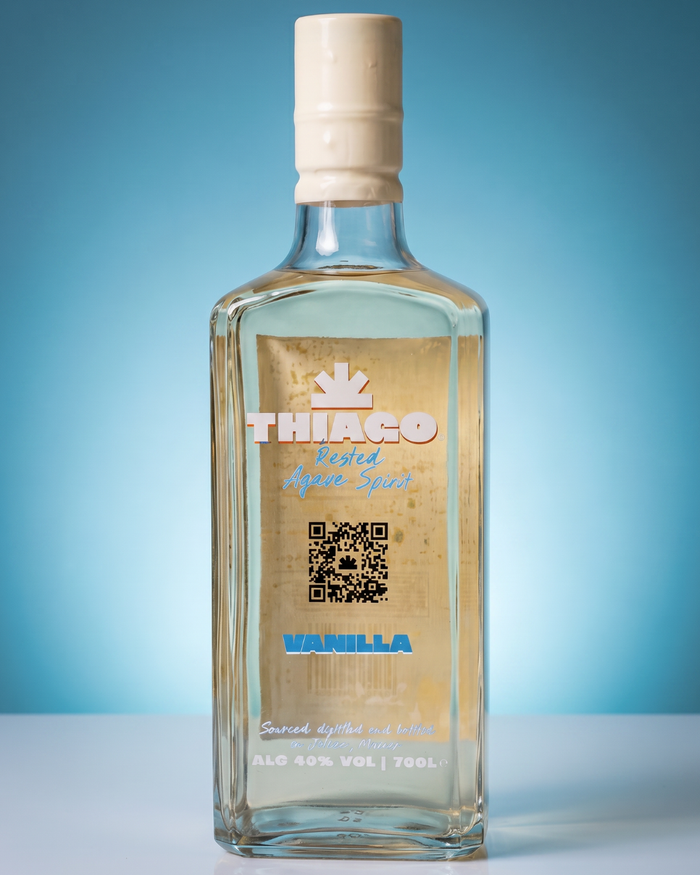
For those who want to experience quality without committing to a full 70cl bottle, the Thiago Tequila Minis 3 Pack offers genuine value. Three 50ml bottles, one each of Black Cherry, Vanilla, and Coffee, deliver the full flavoured reposado experience in a format that's genuinely portable.
Environmental Sustainability and Agave Farming
Blue agave farming has genuine environmental implications that matter to conscientious drinkers. The plant requires significant water resources, and monoculture agave plantations can deplete soil nutrients if not managed carefully. Additionally, agave takes 7-10 years to mature, which means a distillery's supply chain depends on planting decisions made a decade earlier.
Why Quality Blue Agave Tequila Justifies the Investment
A premium blue agave tequila costs more than a mass-market alternative for concrete reasons: better agave, slower production methods, longer ageing, and stricter quality control. These aren't marketing justifications. They're measurable differences that translate directly to what you taste and experience.
Frequently Asked Questions
Why is 100% blue agave tequila better than mixto?
100% blue agave tequila contains only agave sugars, delivering authentic flavour and smoother character. Mixto tequila blends agave with up to 49% other sugars (cane, corn), creating harsher, synthetic-tasting spirits. Blue agave tequila also avoids unnecessary additives and colouring agents, meaning you taste the raw material and craftsmanship, not chemical sweetness.
Does blue agave tequila contain added sugar?
Quality 100% blue agave tequila contains zero added sugar. The agave plant naturally contains inulin, a prebiotic fibre that ferments into alcohol during distillation. Brands using real Mexican ingredients rather than syrups, like Thiago's range, deliver genuine flavour without artificial sweetness or sugar alcohols that can upset digestion.
What's the difference between reposado tequila cocktails and blanco spirits?
Reposado tequila is aged 2-12 months in oak barrels, developing golden colour, roasted sweetness, and mineral complexity. This makes reposado ideal for cocktails where you want depth and character to shine through. Blanco is unaged and crisp, perfect for margaritas where citrus notes matter most. Reposado also sips beautifully neat or over ice, offering versatility blanco cannot match.
How do I know if a tequila is actually from Jalisco and properly certified?
Check the bottle for NOM (Norma Oficial Mexicana) number, a four-digit code proving the tequila was produced in a regulated Mexican distillery. Look for CRT (Consejo Regulador del Tequila) certification, the official regulatory body. Authentic producers list their distillery location and sourcing transparently. Thiago tequilas are sourced, distilled, and bottled in the highlands of Jalisco, with full transparency on production methods.
Is the Thiago Tequila minis bundle good value compared to full-size bottles?
The Thiago minis bundle offers three 50ml bottles for £15.99 with free UK shipping, making it ideal for festival goers, travellers, and gift-givers. Each mini delivers the same 100% blue agave quality as full-size bottles, perfect for tasting multiple flavours without committing to 70cl bottles. At 50ml, they're plane baggage-friendly and let you explore Black Cherry, Vanilla, and Coffee variants risk-free.
What makes blue agave tequila smoother than other spirits at the same ABV?
Blue agave's natural sugars ferment cleanly, producing fewer harsh congeners than grain spirits. Combined with traditional distillation methods (tahona crushing and copper pot stills), blue agave tequila develops a clean finish without the burn associated with lower-quality or heavily additised spirits. Ageing in oak further softens the spirit, which is why reposado tequila delivers remarkable smoothness at 40% ABV.
Does 100% blue agave tequila have health benefits?
Blue agave contains inulin, a prebiotic fibre that may support digestive health and has a lower glycaemic impact than refined sugar. Because quality blue agave tequila contains no added sugar or artificial sweeteners, it's a cleaner choice for health-conscious drinkers. However, it remains full-strength alcohol at 40% ABV, so moderation applies. The real benefit is authentic flavour without synthetic additives or digestive upset from sugar alcohols.