Table of Contents
- Why Real Fruit Infused Tequila Matters
- Check the Label: What Real Ingredients Look Like
- Spot Synthetic Additives and Sugar Syrups
- Best Flavoured Tequila UK: What Authenticity Looks Like
- The Taste Test: How Real Fruit Infusion Differs
- Reposado Tequila Cocktails: Using Real Infusions
- Frequently Asked Questions
Last Updated: September 26, 2026
Why Real Fruit Infused Tequila Matters
The difference between authentic fruit infused tequila and a syrup-soaked impostor is stark. One tastes like craft. The other tastes like a marketing trick.

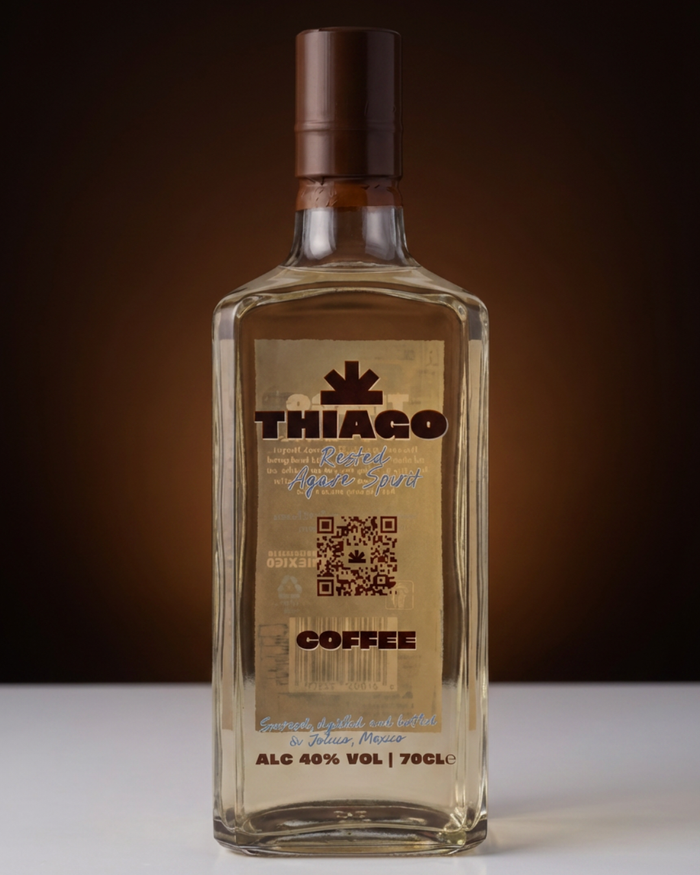
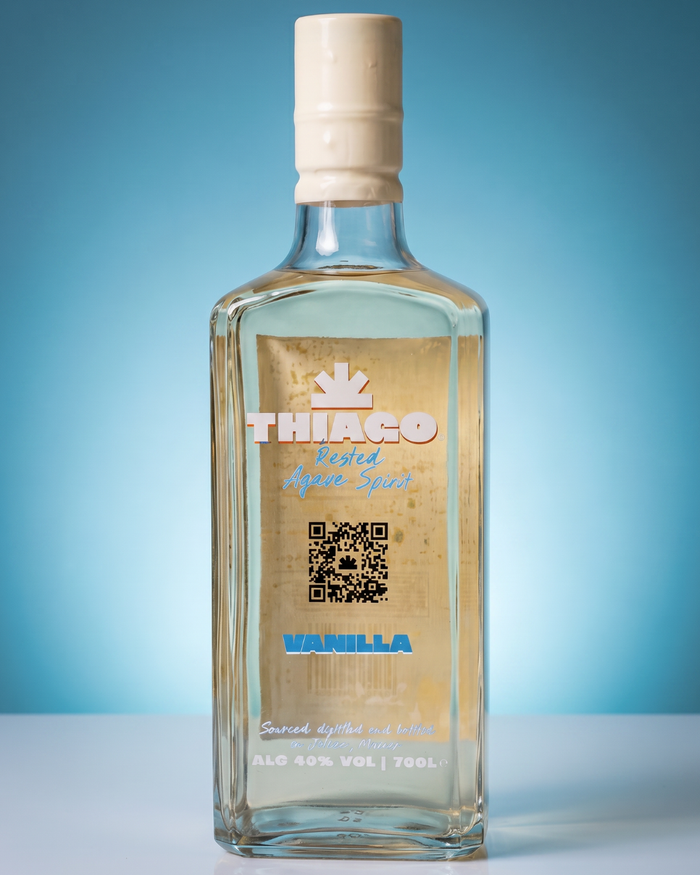
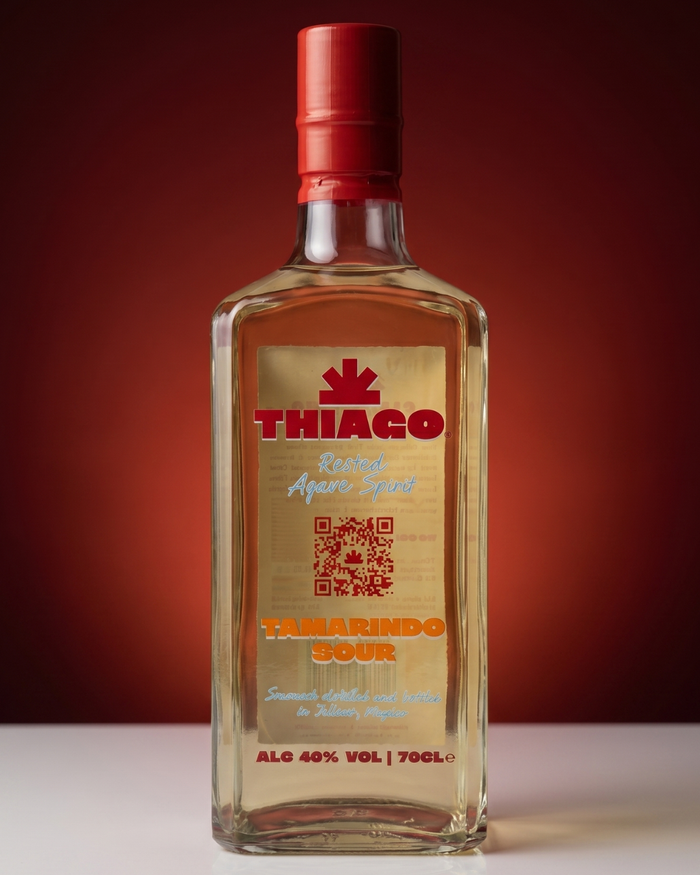
At ThiagoTequilaCompany, we've built our reputation on this distinction. Our reposado tequilas are infused with real Mexican ingredients, black cherry, tamarindo, vanilla, coffee, never shortcuts. No added sugar. No synthetic flavour compounds. Just highland blue agave and genuine fruit, rested six months in white oak.

Most drinkers can't tell the difference until they taste it side by side. Cheap producers count on that ignorance, dumping syrup into neutral spirit and calling it craft. The result tastes thin, cloying, and harsh on the finish.
Real fruit infused tequila delivers depth, balance, and a smooth mouthfeel. It works neat over ice, builds sophisticated cocktails, and actually tastes like what it claims to be.
Learning to spot the real thing isn't complicated. You just need to know what to look for.
Check the Label: What Real Ingredients Look Like
The label tells you everything. Read it carefully.
Real fruit infused tequila lists actual ingredients. You'll see "black cherry," "tamarindo," "vanilla bean," or "coffee", specific, recognizable items. Synthetic infusions hide behind vague language: "natural flavours," "flavouring agents," "colour additives," or worst of all, "proprietary blend."
The ingredient order matters: base spirit first, then fruit or botanical. If sugar syrup appears high on the list, you're buying a cordial in a spirits bottle, not an infusion.
Check the alcohol content. Authentic reposado tequila sits at 40% ABV. Anything lower suggests water and syrup dilution; anything significantly higher suggests neutral grain spirit replaced proper tequila.
Look for the origin statement. Genuine tequila must state "100% Blue Agave" or "100% Agave", never just "tequila." Our Thiago range is sourced and distilled in the highlands of Jalisco.
Real ingredient labels include:
- Specific fruit or botanical names
- Base spirit identified as tequila (not "spirit" or "neutral grain alcohol")
- Alcohol percentage clearly marked
- Origin region stated
- No vague terms like "natural flavours" or "colour additives"
Red flags on cheap infusions:
- Ingredient list mentions "syrup," "sugar," or "sweetener"
- Alcohol content below 38% ABV
- Generic "flavouring" without specifics
- No origin information
- Cloudy or discoloured appearance in the bottle
Blanco vs. Reposado: Which Base Matters
The spirit underneath the infusion changes everything. Blanco tequila is unaged, clear, sharp, and direct. It hits fast and fades quickly. Reposado tequila is rested in oak for at least two months, usually six. That ageing adds vanilla notes, smoothness, and complexity.
For fruit infusions, reposado is the superior base. The oak-aged character complements fruit flavours instead of fighting them. A reposado infused with black cherry tastes balanced and refined. A blanco infused with the same cherry tastes thin and one-dimensional.
Think about it this way: oak ageing adds depth to the spirit. Fruit adds flavour. Together, they create something more interesting than either alone. Blanco infusions skip that depth. They rely entirely on the fruit to carry the drink, which usually means the producer added more syrup to compensate.
Real reposado tequila infusions cost more because the base spirit costs more. That's not a gimmick. That's craftsmanship.
The Alcohol Content Signal
40% ABV is the standard for quality tequila worldwide. That's not arbitrary. It's the point where the spirit carries flavour properly without burning.
Cheap infusions often sit at 35-38% ABV. Why? Because syrup is cheaper than tequila. Diluting the spirit with more syrup keeps costs down. The result tastes thin and cloying.
Real fruit infusions maintain full strength. Our Thiago range is 40% ABV across every flavour, black cherry, tamarindo, vanilla, and coffee. That consistency tells you the base spirit isn't being compromised.
If a label says 37% or lower, assume syrup was used to bulk it out. Your palate will know the difference.
Spot Synthetic Additives and Sugar Syrups
Synthetic flavouring compounds are cheap, stable, and taste fake. Real fruit delivers complexity but introduces preservation challenges that separate craft infusions from spoilage. Understanding what happens inside the bottle over time reveals the real distinction between authentic infusions and syrup shortcuts.
The Alcohol-to-Fruit Ratio: Safety and Shelf Stability
Real fruit infusions work because alcohol is a preservative. Proper maceration requires a sufficient alcohol content for stability. Syrup-based infusions sidestep this because sugar itself preserves, but that's exactly why they're shortcuts. If a producer dilutes below 38% ABV to save money, they're gambling with preservation and flavour. That 40% ABV threshold is where the spirit protects the fruit and keeps flavour integrated.
Thiago Black Cherry Tequila – 70cl →
Fresh Fruit vs. Dehydrated Fruit: Water Content and Extraction
This is where competitors diverge wildly, and most get it wrong.
Fresh fruit dilutes alcohol and introduces moisture that accelerates degradation. Dehydrated fruit extracts more completely and preserves better. Syrup-based infusions avoid this trade-off entirely, no fruit water means no dilution risk, but also no real fruit complexity.
When evaluating a flavoured tequila, ask: Is the producer managing water content and alcohol preservation, or hiding behind syrup? Real infusions show signs of this management, slight sediment or labels specifying 'macerated with fresh fruit' or 'infused with dehydrated botanicals.'
Sensory Markers That Confirm Scientific Integrity
Now the taste test makes sense.
Real fruit infusions show sediment or slight cloudiness, fruit settling, not syrup. Syrup-based infusions are crystal clear, a red flag. Syrup coats your mouth with thick, sticky sweetness; real infusions feel lighter and integrated. Syrup leaves a cloying aftertaste; real infusions finish clean. Real fruit infusions smell subtly integrated (tequila first, then fruit); syrup smells aggressively fruity or candy-like.
How to spot synthetic additives and confirm real infusion:
- Slight cloudiness or sediment, Real fruit settles. Perfect clarity suggests syrup only.
- Light, integrated mouthfeel, Syrup coats your mouth. Real fruit integrates with the spirit.
- Clean finish, Synthetic flavours leave a cloying aftertaste. Real fruit finishes without residue.
- Specific ingredient names, "Black cherry" or "tamarindo" signals real fruit. "Natural flavours" or "flavouring agents" hides synthetic compounds.
- Alcohol content 38% ABV or higher, Lower strength suggests dilution or syrup compensation.
- Subtle, layered aroma, Real fruit smells integrated. Syrup smells aggressively fruity.
- Label transparency on fruit type, "Macerated with fresh Mexican black cherries" or "infused with dehydrated tamarindo" shows the producer understands preservation.
Best Flavoured Tequila UK: What Authenticity Looks Like
The best flavoured tequila comes from producers who refuse to cut corners. They use real fruit. They respect the base spirit. They price accordingly.

Thiago Tequila stands out because we build every infusion on a foundation of proper reposado. Our black cherry tequila uses real Mexican black cherries. Our tamarindo is locally sourced in Mexico. Our vanilla comes from actual vanilla beans. Our coffee is genuine Mexican coffee. None of it is syrup. None of it is synthetic.
The difference shows in every sip. Our Black Cherry Tequila tastes like cherry and tequila had a conversation. It's not aggressively sweet. It's not thin. It's balanced, smooth, and sophisticated enough to sip neat or build into a margarita.
That's what real infusion tastes like. That's what you should expect from anything calling itself premium.
When you're shopping for flavoured tequila, look for these markers of authenticity:
- Reposado or añejo base, Never blanco for quality infusions
- Named fruit or botanicals, Specific ingredients, not vague "flavours"
- No added sugar, The label should say "zero added sugar" or similar
- Origin transparency, Where it's made matters
- Proper alcohol content, 40% ABV or higher
- Smooth finish, No harsh burn, no cloying aftertaste
Thiago ticks every box. We're proud of that.
The Taste Test: How Real Fruit Infusion Differs
Pour two tequilas side by side. One real, one syrup-based. Taste them blind. You'll know the difference in seconds.
Real fruit infusions taste integrated. The fruit flavour doesn't sit on top of the spirit like a layer. It's woven through. You taste tequila first, then the fruit note emerges, then they finish together. That's maceration working properly.
Syrup-based infusions taste separated. The sweetness hits your palate immediately. The tequila tastes like an afterthought. Your mouth feels sticky. The finish is unpleasantly long.
Real fruit infusions feel smooth.
Maceration vs. Syrup Infusion
Maceration is a method where you place real fruit inside the spirit. Over time, weeks or months, the alcohol extracts flavour compounds from the fruit. The fruit breaks down. The spirit absorbs the complexity. The result is a naturally infused spirit with real depth.
Reposado Tequila Cocktails: Using Real Infusions
Real fruit infused tequila elevates cocktails. Syrup-based infusions drag them down.
Cocktails that showcase real fruit infusions:
- Black Cherry Margarita, Thiago Black Cherry, lime, agave, salt rim
- Tamarindo Paloma, Thiago Tamarindo, grapefruit, lime, soda
- Vanilla Sour, Thiago Vanilla, lime, egg white, bitters
- Coffee Espresso Martini, Thiago Coffee, vodka, coffee liqueur, espresso
Frequently Asked Questions
How can I tell if tequila is made with real fruit or artificial flavourings?
Real fruit infused tequila shows visible sediment, natural colour variation, and a complex flavour profile that evolves on the palate. Check the ingredient list for fruit names (black cherry, tamarind, vanilla bean) rather than generic 'flavourings' or 'natural flavour compounds'. Artificial versions taste flat and one-dimensional, with a syrupy mouthfeel. Real fruit infusions from 100% Blue Agave spirits like Thiago deliver depth and authenticity without added sugar.

Why does 100% Blue Agave matter when choosing infused tequila?
100% Blue Agave tequila has a cleaner, more refined spirit base that allows real fruit flavours to shine without competing with harsh grain notes. Mixed-spirit tequilas (which contain additives and neutral spirits) mask poor infusion quality with syrup and colouring. When you start with genuine Highland Blue Agave Reposado rested in oak, the fruit infusion becomes a complement rather than a cover-up. This is why Thiago uses exclusively 100% Blue Agave for every flavoured expression.
What should I look for on a tequila label to ensure quality?
Look for '100% Agave' on the front label. Check the ingredient list for real fruit names and the absence of high-fructose corn syrup, caramel colouring, or vague terms like 'natural flavourings'. The origin should state Jalisco or specific highlands. Alcohol content should be 40% ABV or higher. Transparent bottles reveal clarity and any sediment from maceration. Reputable brands list distillation location and resting period, signalling transparency.
Does real fruit infused tequila look different from artificial versions?
Yes. Real fruit infusions show subtle colour variation, occasional fine sediment (from maceration), and a natural clarity that catches light differently. Artificial versions display uniform, unnaturally bright colours (neon pink, electric blue) and perfect clarity because they use synthetic dyes and syrups. Hold the bottle to light: real fruit infusions have depth and complexity in their hue; artificial ones appear flat and one-dimensional. Natural sediment is a sign of authentic maceration, not a flaw.