A tequila can be full-strength, unapologetically agave-led and still feel polished from the first sip. So, what makes tequila taste smooth? It is not one shortcut, nor a sugary cover-up. Real smoothness starts in the red Jalisco soil where Blue Agave grows, then comes down to patience, precision and the choices made at every stage of production.
Smooth does not mean bland. The best examples still have presence: cooked agave, pepper, citrus lift, earthiness and, in a rested tequila, soft oak. What separates a refined pour from a harsh one is how those flavours arrive, develop and leave the palate.
What makes tequila taste smooth from the start
The story begins with 100% Blue Agave. For tequila made to a premium standard, the piñas - the dense heart of the agave plant - need to be harvested when mature enough to hold the natural sugars needed for a characterful spirit. Agave rushed from field to distillery can lack depth. Well-grown, mature agave brings sweetness, texture and a rounded foundation before the process has even begun.
Origin matters too. Highland agave from Jalisco is often prized for its expressive, fruit-forward profile. The region’s altitude, mineral-rich red soil and growing conditions can encourage agave flavours that feel bright and generous. That does not make every highland tequila automatically smooth, but it gives a skilled producer excellent material to work with.
There is a useful distinction here. Natural sweetness from cooked agave is not the same as added sugar. A smooth tequila can carry soft, appealing sweetness because the raw ingredient has been properly cultivated and cooked. It should not need a syrupy finish to make it approachable.
Cooking turns agave into flavour
Raw agave is not ready for fermentation. Cooking converts its complex carbohydrates into fermentable sugars and develops the flavour of the spirit to come. Traditional brick ovens tend to produce rich, deeply cooked agave notes over a longer period, while autoclaves can offer control and consistency at scale. Neither method is a guarantee of quality on its own. The key is avoiding undercooked, overcooked or scorched flavours.
When cooking is managed well, the result is rounded rather than burnt, sweetly agave-led rather than thin. That matters because roughness picked up here does not disappear later. Distillation can refine a spirit, but it cannot fully rescue poor raw material or careless cooking.
Fermentation shapes texture, not just alcohol
Fermentation is where cooked agave sugars become alcohol, but it also creates many of the aromas that make tequila feel alive. Yeast selection, fermentation time, temperature and water all affect the final profile. A measured fermentation can build fruit, spice and floral notes while keeping unwanted sharpness under control.
This stage is often less visible than ageing, yet it has a huge effect on perceived smoothness. If a tequila tastes hot, overly solvent-like or one-dimensional, the issue may be rooted long before it reaches a barrel. Great tequila is built in layers, and fermentation is one of the most important.
Precision distillation makes tequila feel cleaner
Distillation is where the distiller decides what belongs in the final spirit. Tequila is commonly distilled twice, concentrating the desirable agave character while separating compounds that can taste excessively harsh or heavy. The skill lies in making precise cuts - choosing which portions of the distillate to keep and which to remove.
Cut too broadly and unwanted roughness can make its way into the bottle. Cut too tightly and a tequila may lose the personality that makes it worth drinking. Smoothness is therefore a balance, not an exercise in stripping out every edge. A proper tequila should still taste like tequila: structured, aromatic and unmistakably agave-forward.
Water deserves credit as well. After distillation, purified water is used to bring the spirit to bottling strength. Clean water and careful proofing help preserve the texture and flavour built through the earlier stages. At 40% ABV, tequila can feel remarkably rounded when its components are in balance. Lower strength is not automatically smoother, and higher strength is not automatically harsh. Quality and balance decide the experience.
Why reposado tequila often tastes smoother
Reposado means rested. By law, reposado tequila spends at least two months ageing in oak, and that period can soften the spirit’s sharper corners while adding a richer dimension. Depending on the cask, expect notes such as vanilla, toasted spice, caramel, dried fruit or gentle wood alongside the agave.
Oak works best when it supports rather than overwhelms. Too little maturation and the tequila may remain more fiery or direct. Too much wood can bury the freshness of Blue Agave beneath heavy sweetness and tannin. The sweet spot is a reposado with enough time to gain silkiness and complexity, while still carrying the lively character of Jalisco.
This is why reposado is such a strong choice for people who want a more polished tequila without losing energy. It has the structure to enjoy neat, the depth to stand up in reposado tequila cocktails and the versatility to work with bold flavours that would flatten a lighter spirit.
Smooth is not a licence for shortcuts
The word “smooth” can be used loosely in spirits. Sometimes it describes genuine craft. Sometimes it means flavours or sweetness have been used to cover an indifferent base. For drinkers who care about what is in the glass, the better question is: smooth from what?
Look for 100% Blue Agave, a clear Mexican provenance and a producer willing to talk about maturation, flavour and ingredients. A clean finish should come from considered production, not a sugary disguise. For flavoured tequila, that standard matters even more. Natural flavour should add a new direction to quality reposado, not hide it.
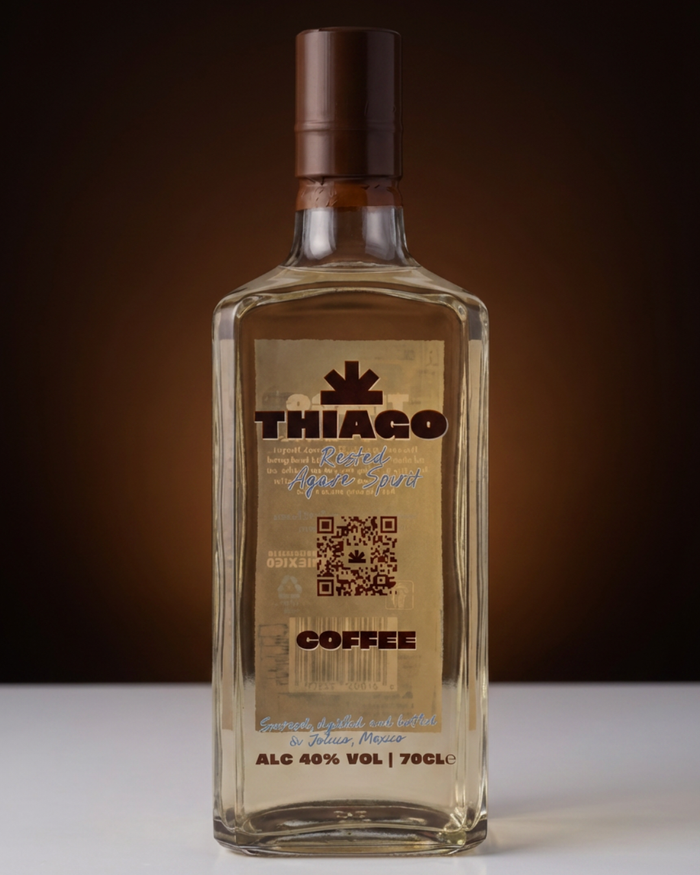
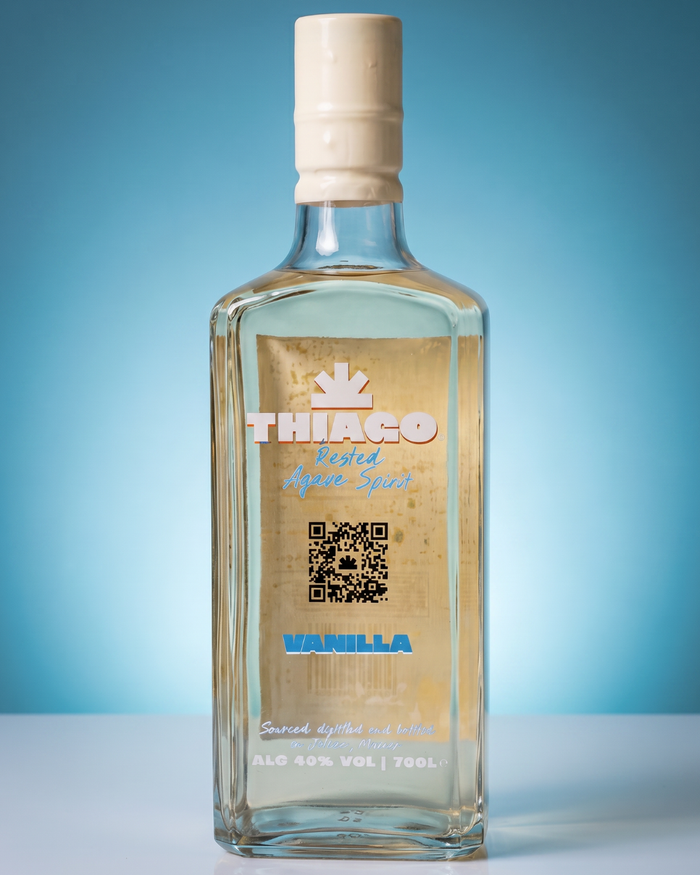
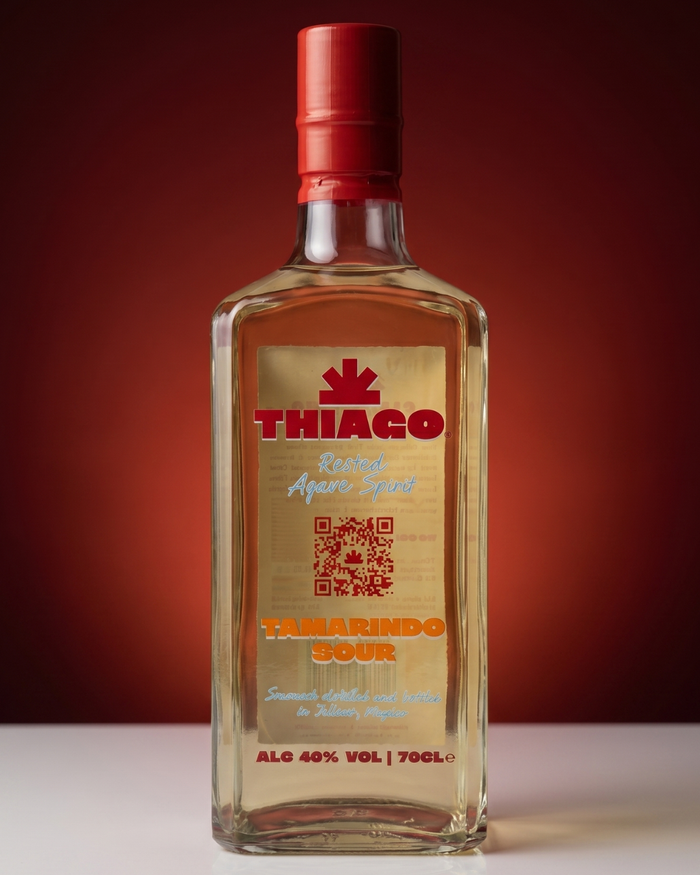
Thiago Tequila takes that route with 100% Blue Agave Reposado Tequila from the highlands of Jalisco, bottled at 40% ABV and lifted with natural flavours, zero added sugar, no artificial additives and no colouring. Coffee, Vanilla, Black Cherry and Tamarindo Sour each bring a distinct character, but the base remains central. That is the difference between a flavour-led tequila experience and a novelty drink.
Black cherry, for example, has enough dark-fruit intensity to feel bold, yet works best when it meets the vanilla-oak warmth and agave structure of reposado. The result should be expressive, not sticky. It can be served long with sparkling water, built into a confident cocktail or enjoyed over ice when the occasion calls for something direct.
Serving affects how smooth tequila tastes
Even a beautifully made tequila can seem more aggressive when served too cold, too warm or in the wrong proportion. Extreme chilling mutes aroma and texture, while an overly warm serve can push alcohol to the foreground. A lightly chilled bottle or a measured pour over good ice is often enough to bring out the rounded side of reposado.
Glassware also changes perception. A small stemmed tasting glass or a simple tumbler lets the aromas open without turning the experience into theatre. Take a moment before mixing: notice the cooked agave, fruit, spice and oak. Once you know the character of the base, you can build a drink around it rather than burying it.
For parties, weekends away and festival plans, format matters too. Thiago Tequila Minis make that same flavour-first approach easier to take with you. At 50ml, they are compact for a bag, useful for simple spritzes or cocktails on the move, and within the standard cabin-baggage liquid allowance when packed correctly. Premium does not need to be complicated to travel well.
The smoothness test is balance
A smooth tequila should not vanish on the palate. It should carry flavour without a raw alcohol burn, finish cleanly without becoming thin and leave you wanting another considered sip rather than reaching for something to mask it. Some drinkers will prefer the crisp bite of blanco; others will favour the rounded oak influence of reposado. Neither is wrong - it depends on the mood, the serve and what you want the agave to say.
Choose tequila with real provenance, proper Blue Agave at its core and enough confidence to let flavour do the talking. When the craft is right, smoothness is not the absence of character. It is character with control.