A premium tequila starts long before the bottle is chilled, poured or mixed. Tequila sustainability practices are shaped in Jalisco’s agave fields, in the heat required to cook the piñas, and in the choices made with water, energy, waste and people. For drinkers who care about what is behind a bold serve, provenance is only the starting point.
Tequila has a precise identity. It must be produced in defined Mexican regions, chiefly Jalisco, from Blue Weber agave. That origin is worth protecting. But authenticity alone does not make a spirit sustainable. The serious question is whether a producer is making the most of every agave plant, every litre of water and every by-product created along the way.
Why sustainability begins with blue agave
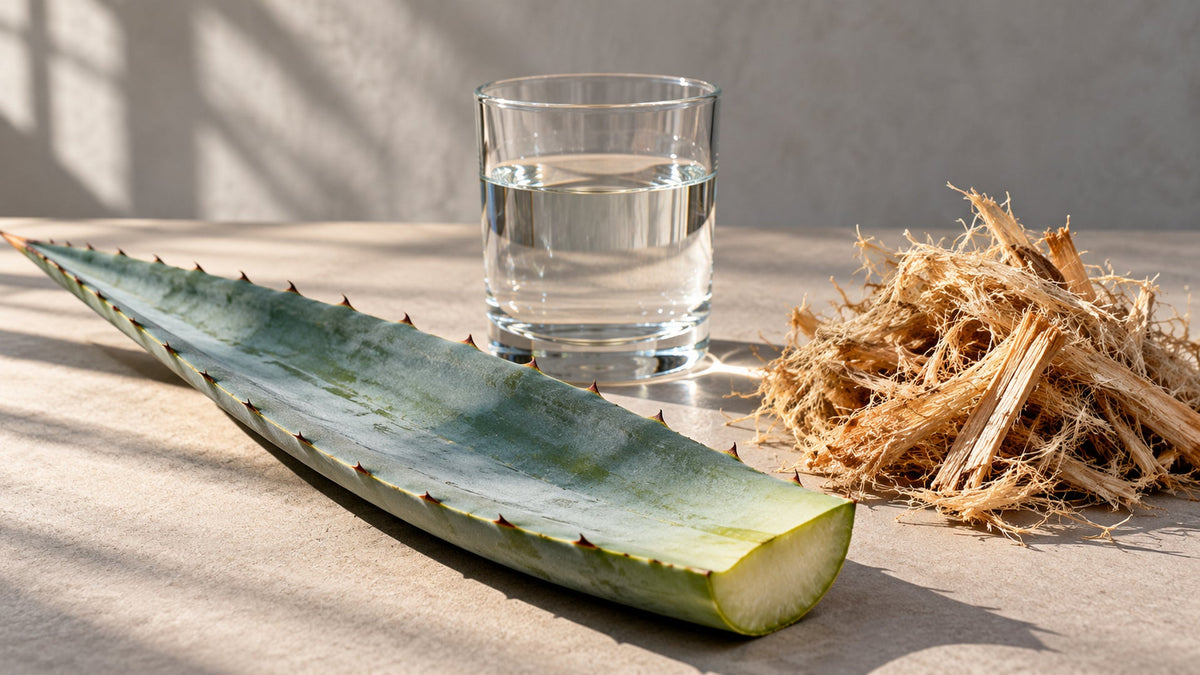
Blue agave is not a quick-turn crop. A plant can take six to eight years to reach maturity, sometimes longer depending on altitude, rainfall and growing conditions. That slow rhythm is part of tequila’s character, particularly in the highlands of Jalisco, where rich red soils and cooler nights can produce agave with expressive fruit and spice notes.
It also creates pressure. When demand rises, growers can be tempted to harvest early, rely heavily on a single crop, or prioritise short-term yield over the health of the land. A more considered approach protects mature agave, monitors soil condition and avoids treating fields as an endless supply chain.
There is a trade-off here. Tequila’s legally protected identity depends on Blue Weber agave, so producers cannot simply swap in whatever crop is easiest to grow. The better answer is to improve how agave is farmed: use efficient irrigation where it is needed, retain ground cover to limit erosion, use compost and organic matter to support soil, and reduce unnecessary chemical inputs. Some growers are also bringing biodiversity back around agave plots, including native plants that support pollinators and healthier ecosystems.
Water is the hard measure
Water is one of the most significant issues in tequila production. It is used in distillation, cleaning and bottling, while the cooked agave and fermentation process generate liquid residues that must be managed responsibly. In a region where water availability can vary, vague promises do not cut it.
Better tequila sustainability practices focus on reducing water use at source, treating wastewater properly and reusing water where quality and safety allow. Closed-loop cleaning systems, careful monitoring and modern treatment infrastructure all make a real difference. What matters is not a perfect zero-impact claim. It is whether a distillery can show that it measures its use, invests in treatment and keeps improving.
This is where scale can complicate the picture. Larger facilities may have the resources for advanced systems, while smaller producers may work with more limited infrastructure. Size is not the deciding factor. Transparency, investment and responsible operations are.
From agave waste to useful material
Making tequila creates solid leftovers, most visibly bagasse, the fibrous material remaining after agave juice is extracted. Sending it to landfill is the easy route. Finding a second life for it is the better one.
Bagasse can be composted and returned to fields, used as biomass for energy, made into materials, or incorporated into other agricultural applications. Vinasse, the liquid residue from distillation, requires even greater care because of its volume and composition. Treated correctly, it can support circular systems. Treated poorly, it can put pressure on local waterways and soil.
Circularity is not a marketing accessory. It is practical resource management. A distillery that uses agave fibres, captures energy from waste or returns treated organic material to agriculture is reducing what it takes from the land.
Energy choices shape the finished bottle
Reposado tequila takes patience. After distillation, it rests in oak, developing texture and character over time. The spirit does not need high energy input while resting, but the wider operation does: cooking agave, milling, fermentation, distillation, temperature management and packaging all have an energy cost.
Some producers are reducing that cost through efficient boilers, heat recovery and renewable energy. Others use agave by-products as a partial fuel source. None of these measures should be treated as a free pass. Biomass still needs thoughtful management, and renewable projects vary in quality and impact. Yet the direction is clear: less reliance on fossil fuel, more efficient production, and credible reporting on results.
For premium drinkers, this changes how quality is understood. Craft is not only about a handsome bottle or a barrel story. It is also about running a distillery with enough discipline to waste less heat, water and material.
Packaging is more than the glass
Heavy glass can feel luxurious, but weight has consequences in transport. A dramatic bottle may use more material and require more energy to move from Jalisco to the UK. Lighter bottles, higher recycled-glass content, recyclable closures and reduced secondary packaging can lower impact without making the shelf presence forgettable.
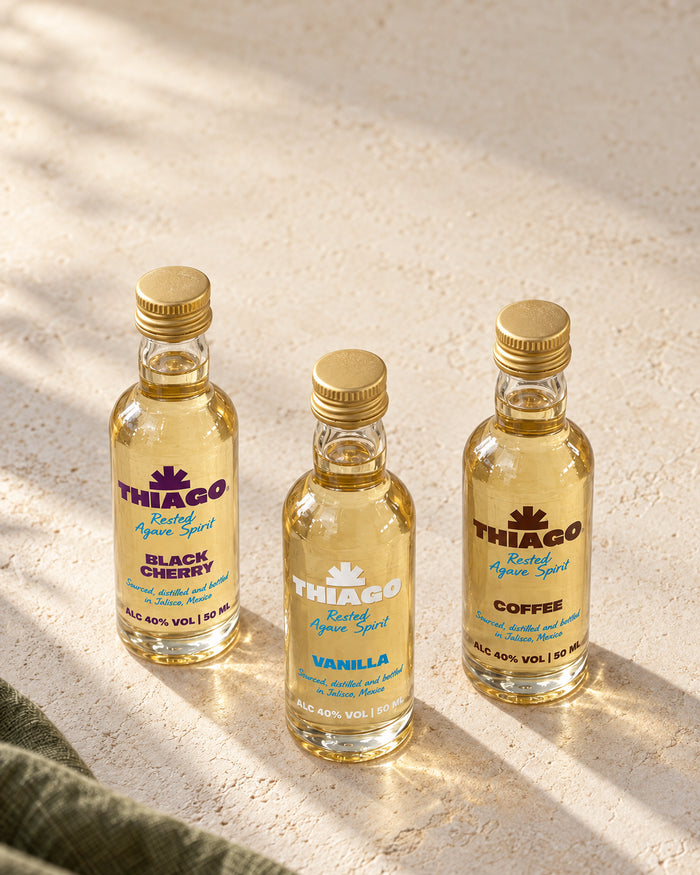
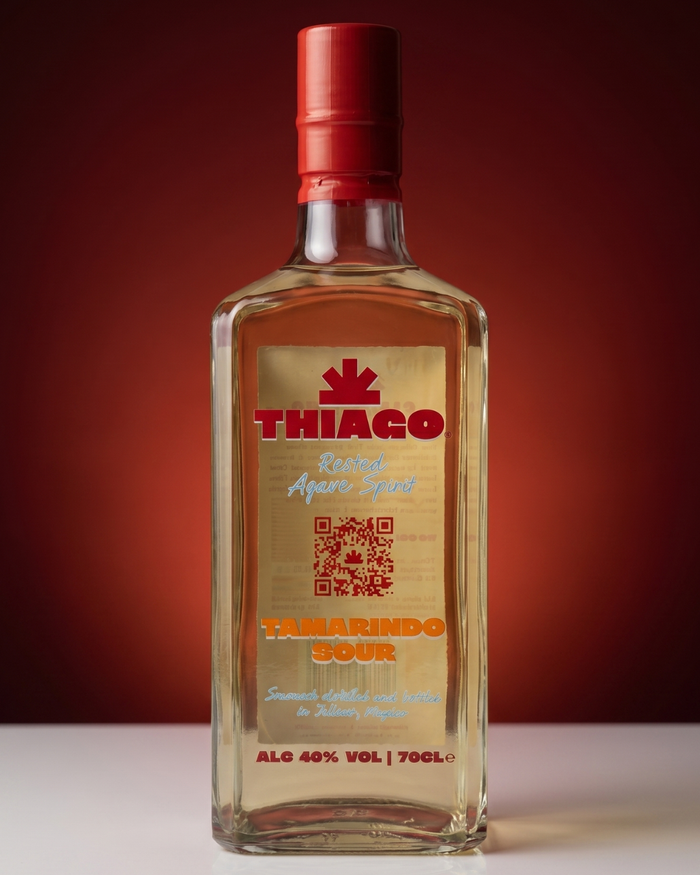
The right packaging choice depends on the product and route to market. A bottle built for a premium back bar has different demands from a 50ml format designed for festivals, parties or cabin baggage. Thiago Tequila Minis offer a practical example: a compact 50ml serve can make it easier to sip, spritz or build a simple cocktail on the move, while avoiding the need to carry a full-size bottle to every occasion.
Small format does not automatically equal lower impact per millilitre. More individual units can mean more packaging overall. The smarter question is whether the format reduces waste, suits how people actually drink and is made with materials that can be recovered through local recycling systems.
Responsible tequila also means responsible relationships
Sustainability is environmental, but it is not only environmental. Tequila depends on skilled agricultural and distillery labour, from jimadores harvesting agave to teams managing fermentation, ageing and bottling. Fair pay, safe conditions, training and long-term relationships with growers are part of a credible sustainability story.
This matters especially when agave prices swing. During shortages, growers may benefit from higher prices, while producers face supply pressure. During gluts, growers can be exposed when prices fall. Brands that build stable, respectful sourcing relationships can help soften the worst effects of a boom-and-bust cycle. It is less flashy than a recycled label, but arguably more meaningful.
For hospitality buyers, this is a useful standard to bring into conversations with suppliers. Ask where the agave comes from, how the distillery manages wastewater, whether waste is repurposed and what is being done to cut packaging and energy use. Specific answers carry more weight than a green leaf on a label.
What a more considered choice looks like
There is no single badge that settles whether a tequila is sustainable. Certifications can be useful, but they are not the whole story. Look for clear origin, a producer willing to discuss water and waste, an approach to agave farming that respects the crop’s long growing cycle, and packaging choices that match real use rather than empty theatre.
Ingredient standards matter too. A tequila-based drink with natural flavour, zero added sugar and no artificial additives or colouring can align with a cleaner, more intentional serve, but sustainability claims should still be judged across the full production chain. Better ingredients are one part of the picture, not a substitute for responsible farming and manufacturing.
The next great tequila moment should not depend on taking more than Jalisco can give. Choose bottles with real provenance, ask sharper questions, and reward the producers doing the patient work in the field as well as in the bottle.