A great bottle tells you what it is before you ever pour it. Tequila labelling is where provenance, production standards and flavour credentials either hold up or fall apart. For drinkers who want more than a sweet, anonymous spirit in a stylish bottle, reading the label is the fastest way to separate genuine tequila character from clever packaging.
The front label should be an invitation. The back label should give you reasons to believe it. From Blue Agave and Jalisco to ABV, ageing and natural flavour claims, every detail has a role in defining what is in the bottle - and how it will perform neat, over ice or in a properly built cocktail.
Tequila labelling starts with the spirit category
The word tequila is not a casual style descriptor. It is protected by origin and production rules. Authentic tequila is made from Blue Weber Agave grown in designated areas of Mexico, with Jalisco at the heart of its identity. That place matters. Highland agave, in particular, is known for developing rich fruit notes, peppery lift and a rounded sweetness that comes from the plant itself.
A label that clearly states Mexican origin and Blue Agave gives you useful context, but the exact wording matters. Look for a product identity that tells you whether you are buying tequila itself or a tequila-based flavoured spirit. Both can have a place on a premium back bar, but they are not interchangeable categories and should not be presented as if they are.
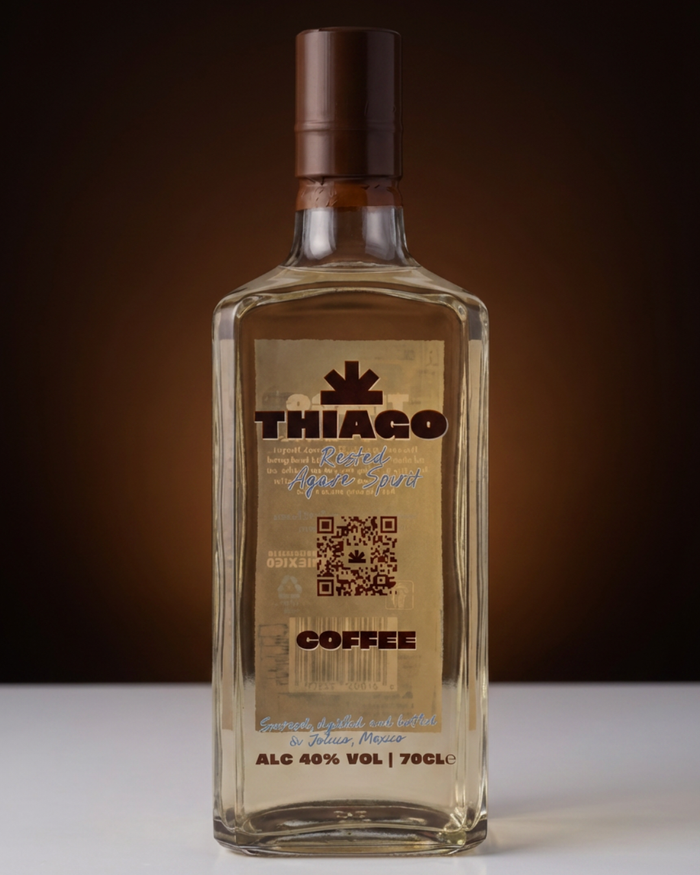
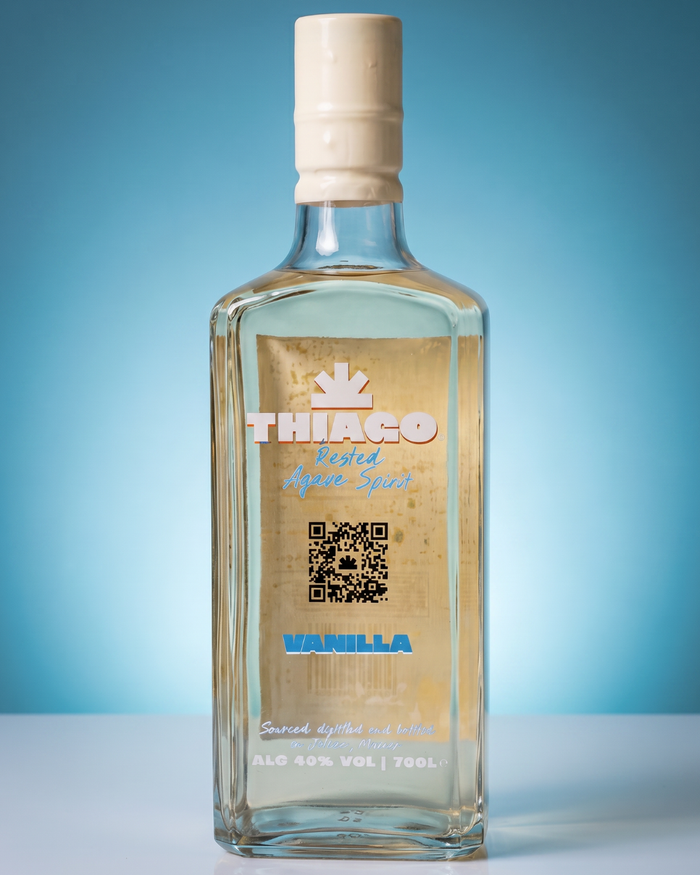
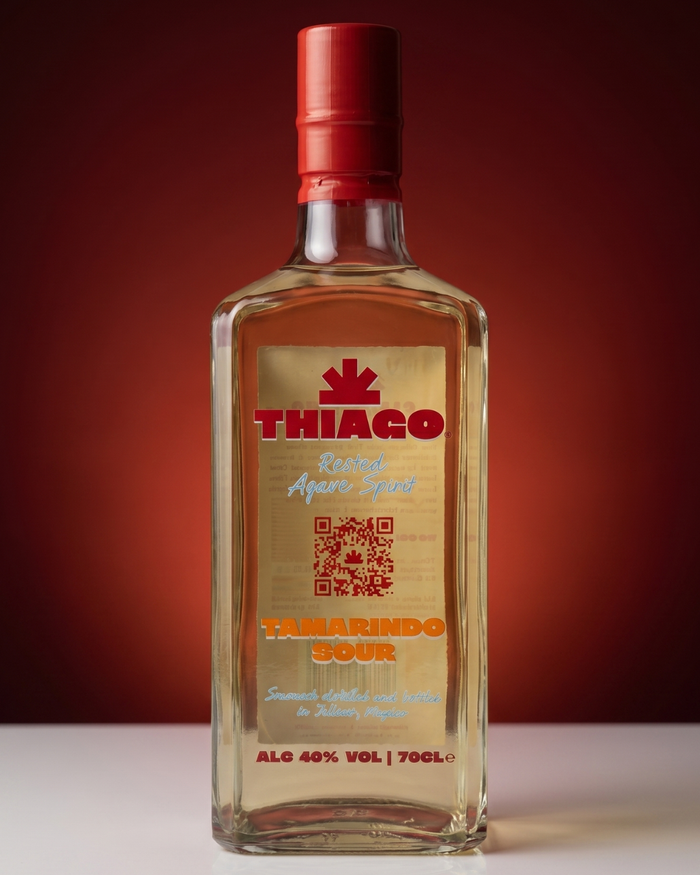
That distinction becomes especially relevant with flavour. Natural coffee, vanilla, black cherry or tamarindo can bring a new dimension to rested agave, yet a flavour-led product may need to be labelled according to the rules that apply to its final category. Honest labelling does not hide behind vague language. It makes the base spirit, flavour profile and product type easy to understand.
100% agave is a meaningful line on the label
Not every tequila is made in the same way. A bottle marked “100% agave” is made entirely from sugars derived from Blue Agave. This is the standard many tequila drinkers look for when they want a cleaner expression of the plant and a more direct connection to Mexican production heritage.
Tequila can also be made as a mixto, where a proportion of fermentable sugars may come from sources other than agave. That does not automatically make it poor quality, but it is a different proposition. If your preference is for depth, character and a more agave-forward profile, 100% agave is the wording to seek out.
It is also worth separating “no added sugar” from naturally occurring sweetness. Blue Agave has its own rounded, gently sweet character. A reposado tequila can feel rich on the palate because of the agave and barrel influence, not because it has been turned into a syrupy drink. A no-added-sugar claim signals that the producer has not relied on added sweetness to create impact.
For naturally flavoured expressions, the same principle applies. Flavour should sharpen the experience, not bury the spirit beneath confectionery notes. Black cherry should bring dark-fruit depth. Vanilla should add warmth. Coffee should feel roasted and dry enough to keep the agave in view. Tamarindo should deliver its distinctive sweet-sour edge without becoming one-note.
Reposado tells you about time and texture
“Reposado” means rested. In tequila terms, it refers to a spirit aged in oak for a defined period, traditionally from at least two months and for less than a year. That time in wood softens the edges of fresh agave while introducing texture and notes that can range from gentle spice to toasted sweetness.
The label alone cannot tell you everything about a reposado. Barrel type, previous use, warehouse conditions and ageing length all shape the final profile. But reposado gives you a reliable starting point: expect a meeting point between lively agave and oak-led roundness.
That makes reposado particularly effective for contemporary flavour pairing. A bright blanco can be brilliant when you want the sharpest expression of agave. A reposado brings more body, making it a natural base for coffee-driven serves, dark-fruit highballs and sparkling long drinks where the spirit still needs to hold its ground.
A premium flavoured reposado should not need to lower its strength to feel approachable. At 40% ABV, it can remain structured, aromatic and versatile. Lower-strength flavoured spirits may be easier to sip for some palates, but they can lose definition once chilled, diluted or mixed. It depends on the serve you want. If you want the spirit to lead rather than disappear, ABV is worth checking.
Read flavour claims with a critical eye
Flavour language can be the least precise part of a spirits label. “Cherry flavour”, “natural flavours”, “infused” and “made with” can suggest very different production choices. The strongest labels give consumers a clear view of what is doing the work.
Natural flavouring is not a shortcut when it is used with intent. It allows producers to create a consistent profile while preserving the character of the base spirit. The question is whether the flavour feels integrated and whether the producer is open about the wider recipe philosophy.
Look for straightforward signals: natural flavours, no artificial additives, no colouring and zero added sugar. None of these statements replaces good taste, but together they show a producer has chosen clarity over camouflage. If a label leans heavily on a flavour name but tells you little about the agave, origin or alcohol strength, treat that as a cue to look closer.
Thiago Tequila takes the more direct route: 100% Blue Agave Reposado Tequila from the highlands of Jalisco, bottled at 40% ABV and built around natural flavour with no added sugar, artificial additives or colouring. The point is not to make tequila taste like something else. It is to push reposado into bolder territory while keeping its centre of gravity intact.
Tequila labelling and provenance should agree
Premium cues are easy to print. Provenance is harder to fake when you know what to look for. Jalisco, Mexico, Blue Agave and reposado are not decorative phrases when they are backed by a coherent production story. They explain where the liquid begins, what it is made from and why it tastes the way it does.
Be wary of labels that create a Mexican mood without saying much about Mexican production. A colourful design can be brilliant. So can a modern bottle shape or a disruptive flavour concept. But style should sit alongside substance, not replace it.
There is also a useful difference between a label that makes grand claims and one that gives you practical information. “Ultra-premium” is subjective. “40% ABV”, “100% Blue Agave”, “Reposado” and “product of Mexico” are details you can use. The best packaging combines both: a look that earns attention and facts that earn trust.
Use the label to choose the right serve
Once you understand the bottle, choosing a serve becomes far more interesting. A clean, high-strength reposado with natural flavour is not limited to one drinking occasion. Coffee can bring depth to an after-dark serve with chilled soda and orange peel. Black cherry can add an elegant fruit note to a long drink with sparkling water. Vanilla can soften bitter aperitif-style ingredients, while tamarindo can bring a punchy sweet-sour lift to a spritz.
For parties, festivals and weekends away, format matters too. A 50ml mini is compact enough for a chilled single serve or a quick cocktail build, and it fits within standard cabin-bag liquid limits when carried in the required security bag. It is a smarter way to bring premium flavour along without committing to a full bottle or compromising on strength.
The label is not small print to skim past. It is your first taste of the producer’s standards. Read it with the same expectation you bring to the bar: bold flavour is welcome, but the agave, the origin and the quality should always have something to say.