The finish tells you plenty. If a tequila lands with a perfume-like vanilla sweetness, a thick, almost silky texture, or a deep golden colour that feels disconnected from its age statement, you may be tasting more than cooked Blue Agave and oak. A tequila additive comparison is not about policing anyone’s palate. It is about knowing what creates the flavour in your glass, then choosing the style that genuinely suits you.
For drinkers moving beyond one-note, overly sweet spirits, that distinction matters. Great tequila can be bright, peppery, mineral, earthy, floral, fruity or rich with barrel spice. It does not need to taste identical from bottle to bottle, and it certainly does not need to be stripped of personality. The sharper question is whether that personality comes from agave, time in wood and considered natural flavour - or from additions designed to manufacture a particular impression.
Tequila additive comparison: what can be added?
Under tequila regulations, producers may use a limited total amount of permitted additives - generally up to 1% of the final product. The permitted group can include caramel colour, oak extract or flavouring, glycerin, and sweeteners. Those additions may be small in volume, but their sensory impact can be substantial.
Caramel colour can make a young or lightly rested tequila appear darker. Glycerin can create extra body and a rounded, soft finish. Sweeteners can smooth out sharp edges and make a spirit feel more approachable, while oak extract can intensify the impression of barrel ageing without relying only on time in cask.
None of this automatically makes a bottle poor quality. Additives are permitted in tequila for a reason, and some producers use them with restraint to maintain a consistent house style. The issue is transparency. A bottle can look richly aged, taste dessert-sweet and feel plush, while the label gives a buyer little clue about how it reached that profile.
The four signals worth comparing
A useful comparison starts with what you can see, smell and taste. It is less about chasing a fashionable label claim and more about reading the spirit with a clear head.
Colour: earned in oak or adjusted in the bottle?
Reposado tequila gains colour through time resting in oak. That colour can range from pale straw to warm gold depending on the cask, previous use, warehouse conditions and ageing period. A darker shade alone proves nothing, but it should invite curiosity when the stated ageing feels modest.
Caramel colour may be used to make batches look more uniform or more mature. That can be visually appealing, yet it can also obscure the natural variation that comes with real barrel ageing. For a drinker who values provenance, a lighter reposado with vivid agave character can be far more compelling than a darker spirit built mainly for shelf impact.
Sweetness: agave richness versus added sugar
Cooked agave has its own natural sweetness. In a well-made tequila, it can read as roasted fruit, honeyed earth, citrus peel or gentle caramel without becoming cloying. Added sugar-based sweeteners push the profile in a different direction: more confectionery, more coating, sometimes more immediate, but often less precise.
The trade-off depends on the occasion. A sweeter tequila can make an easy crowd-pleasing mixer. But if you want a spirit that remains interesting over ice, in a highball, or in a cocktail with dry and bitter elements, excessive sweetness can flatten everything else. It can also make a premium bottle feel less versatile than it first appears.
Texture: natural weight versus engineered softness
Tequila should have texture. High-quality agave distillate can feel rounded and substantial, especially after resting in oak. Glycerin, however, can increase viscosity and give a silky, almost syrupy mouthfeel.
That texture is not inherently bad. Some people enjoy it. The difference becomes clearer when the body feels disconnected from the aroma and finish: a spirit that seems unusually thick but disappears quickly, leaving sweetness rather than agave. Natural weight tends to carry flavour through the palate. Engineered softness can make a tequila feel polished at first, then oddly empty.
Flavour: barrel character versus a flavour formula
Oak ageing can bring vanilla, baking spice, toasted coconut, cacao, dried fruit and soft tannin. These notes should sit alongside the agave, not erase it. Oak extract or flavouring can intensify those cues, particularly vanilla, and may make a younger spirit taste older than it is.
The same principle applies to naturally flavoured tequila-based products, but the intent is different when it is stated clearly. A bold black cherry, coffee, vanilla or tamarindo profile should be there because the product is designed around that flavour experience, not because a conventional tequila is quietly masking its base. Transparency turns flavour from a shortcut into a creative choice.
Additive-free claims need context
“Additive-free” has become a powerful phrase in tequila culture, and the instinct behind it is understandable. Drinkers want to taste agave, know what they are buying and avoid unnecessary sugar or colouring. But it is not a shortcut to judging every bottle.
The term is not a universal legal quality grade, and public claims can be difficult for consumers to verify independently. Production can change, batches can vary, and online lists are not the same as a complete ingredient disclosure. Treat the claim as a useful starting point, not the final verdict.
A more thoughtful approach is to ask what the producer is proud to say. Do they explain their agave source, where the tequila is made, its resting time and its flavour philosophy? Do they make a clear distinction between naturally flavoured products and products that simply rely on hidden sweetness or colour? Brands with a credible point of view tend to give you more than a vague promise of smoothness.
Why 100% Blue Agave still matters
A 100% Blue Agave designation means all fermentable sugars used to make the tequila come from Blue Weber agave. It is a meaningful standard, particularly for drinkers who want the distinctive depth of cooked agave at the centre of the spirit.
It does not, by itself, tell you whether permitted post-distillation additives were used. That is where many shoppers get caught out. “100% agave” and “no added sugar” answer different questions. The first speaks to the fermentation base; the second speaks to what happens afterwards.
The most rewarding bottles bring those two ideas together: quality agave, careful distillation, appropriate oak treatment and a profile that does not need to hide behind a sugar-heavy finish. Highland Jalisco agave often brings a naturally expressive sweetness and fruit-led character, which can be especially striking in a reposado when the wood is handled with restraint.
Flavoured tequila is not the same conversation
There is a tendency to put every flavoured agave spirit in the same box. That misses the point. A low-strength, syrup-led novelty drink and a 40% ABV reposado tequila-based spirit with natural flavour are built for completely different drinkers.
The better question is whether flavour adds a new dimension while respecting the tequila underneath. Coffee can sharpen the roasted depth of reposado. Vanilla can amplify barrel warmth without turning the serve into a pudding. Black cherry can bring dark fruit tension, while tamarindo sour offers a tangy, savoury edge that belongs in modern cocktails as much as in a simple chilled serve.
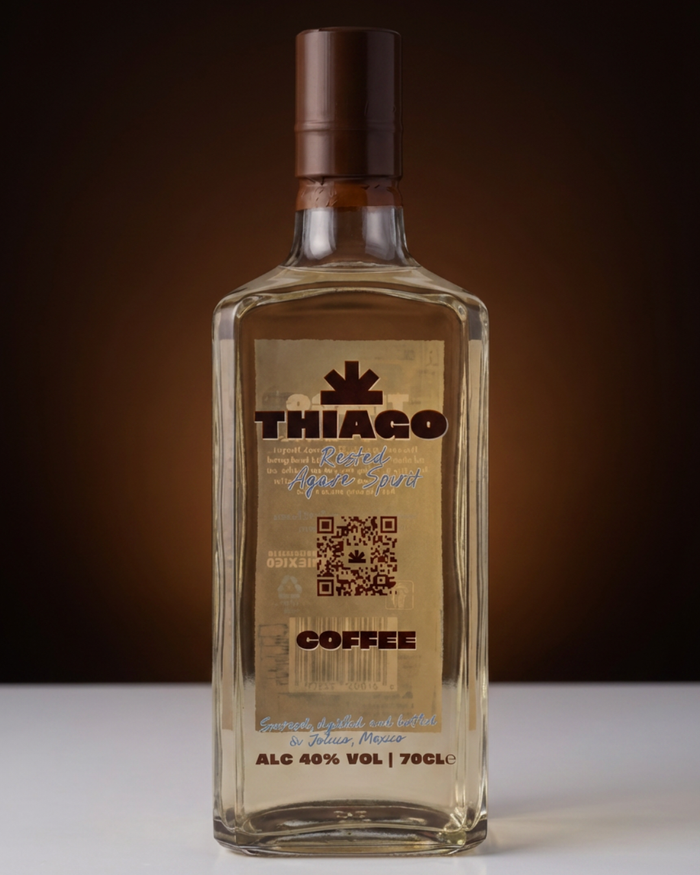
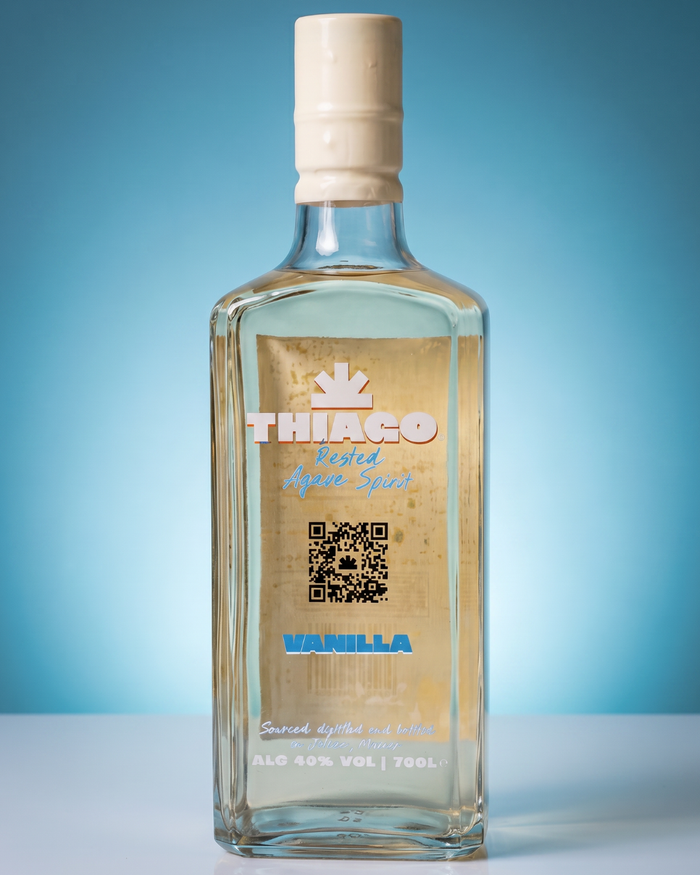
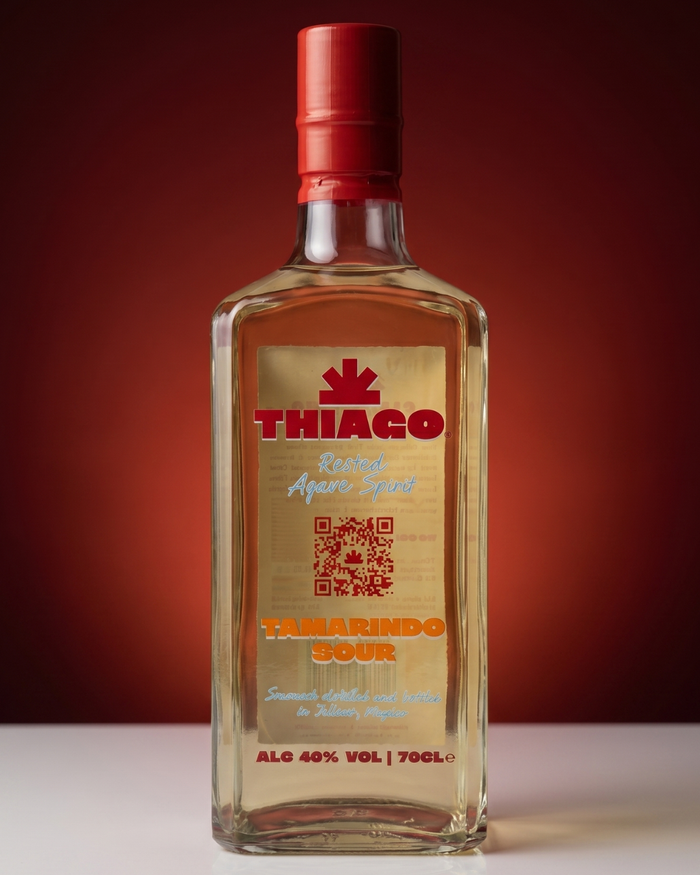
Thiago Tequila takes that route with a 100% Blue Agave Reposado Tequila base from Jalisco, natural flavours, zero added sugar, no artificial additives and no colouring. The result is designed to be bold enough to enjoy neat, yet flexible enough for a proper cocktail rather than a sugary compromise.
How to choose with more confidence
Start by deciding what you want from the bottle. If you want pure agave and oak detail, look for a tequila that talks specifically about its production, age and ingredients rather than relying on vague language. Give it time in the glass. Notice whether cooked agave appears before sweetness, whether the oak feels integrated, and whether the finish stays clean.
If you want a flavoured option, do not apologise for it - just choose one with standards. Check the ABV, seek natural flavour, avoid added sugar where that matters to you, and look for a tequila base with real provenance. A distinctive flavour should make cocktails more interesting, not cover up a weak spirit.
And do not let colour decide for you. The lightest bottle may be the most honest expression of its cask time. The darkest one may be excellent, or it may be dressed for the shelf. Your palate, plus a little ingredient awareness, is a better guide than either assumption.
The best bottle is not the one with the loudest claim. It is the one whose flavour makes sense: agave first when that is the promise, natural flavour with purpose when that is the point, and nothing there simply to imitate quality.