A proper reposado tasting review starts before the first sip. Look at the liquid, take in the aroma, then give it time on the palate. The category can deliver serious depth: ripe Blue Agave, warming spice, soft oak and a rounded texture that makes it just as convincing neat as it is in a long serve. The best bottles do not bury tequila beneath sweetness. They let the agave lead.
For drinkers who want more from flavour, that distinction matters. Reposado should feel rested, not softened into submission. It is tequila with an extra dimension - a spirit rooted in Jalisco that has spent time in oak, gaining shape and character while keeping its bright, earthy core intact.
What a reposado tasting review should reveal
Reposado means “rested”. Under Mexican tequila regulations, reposado tequila is aged in oak for a minimum of two months and up to 12 months. That period changes the conversation. Freshly distilled agave character begins to meet notes drawn from the cask: vanilla, pepper, toasted wood, caramel-like warmth or dried fruit, depending on the barrel and ageing approach.
But age is not automatically quality. A heavier oak influence can be appealing if you enjoy a whisky-adjacent profile, yet it can also mask the thing that makes tequila worth drinking in the first place: cooked Blue Agave. A great reposado finds balance. You should still recognise the green, mineral, gently sweet character of agave beneath the oak.
That is why colour alone is a poor shortcut. A pale golden hue may indicate restrained maturation and an agave-forward style. A deeper shade can come from more active oak, longer resting, or permitted colour adjustment in some products. The glass tells part of the story, never all of it.
Start with the nose, not the label
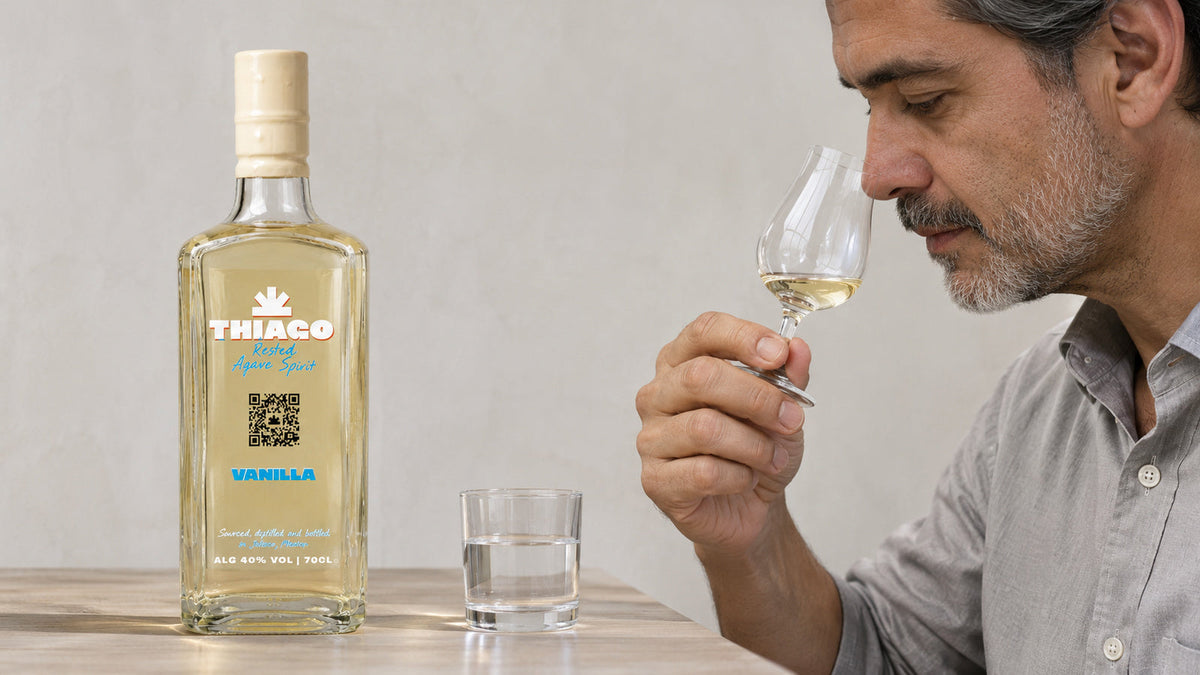
Pour a modest measure into a clean, tulip-shaped glass or a small wine glass. Give it a few quiet seconds. A cold glass and an aggressive swirl can hide detail, so allow the spirit to settle before you go looking for it.
A quality reposado often opens with cooked agave first: roasted pineapple, honeyed earth, peppery herbs, citrus oil or a subtle vegetal edge. Then come the oak-led aromas. Think vanilla pod, toasted almond, baking spice, cocoa, light caramel or dry wood. None of these notes need to shout. In fact, when everything smells immediately of confectionery, it is worth asking whether the aroma has more to do with added flavour or sweetening than with the tequila and barrel.
There is no single correct profile. Highland tequila from Jalisco is often associated with a fruitier, softer expression of Blue Agave, while other styles may lean more mineral, herbal or peppery. Your preference might be bright and zesty, dark and spiced, or somewhere between. The point is clarity. Each aroma should feel like it belongs.
A note on naturally flavoured reposado
Flavour does not have to mean a compromise. The issue is whether it works with the tequila rather than covering it up. A naturally flavoured reposado should still smell and taste like a 40% ABV agave spirit, with flavour used as an accent and not as camouflage.
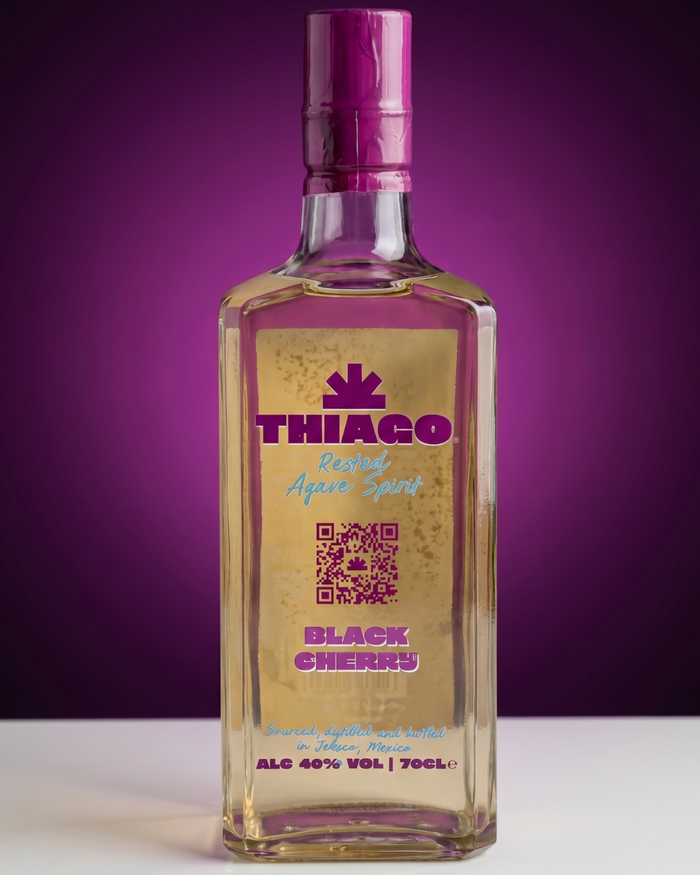
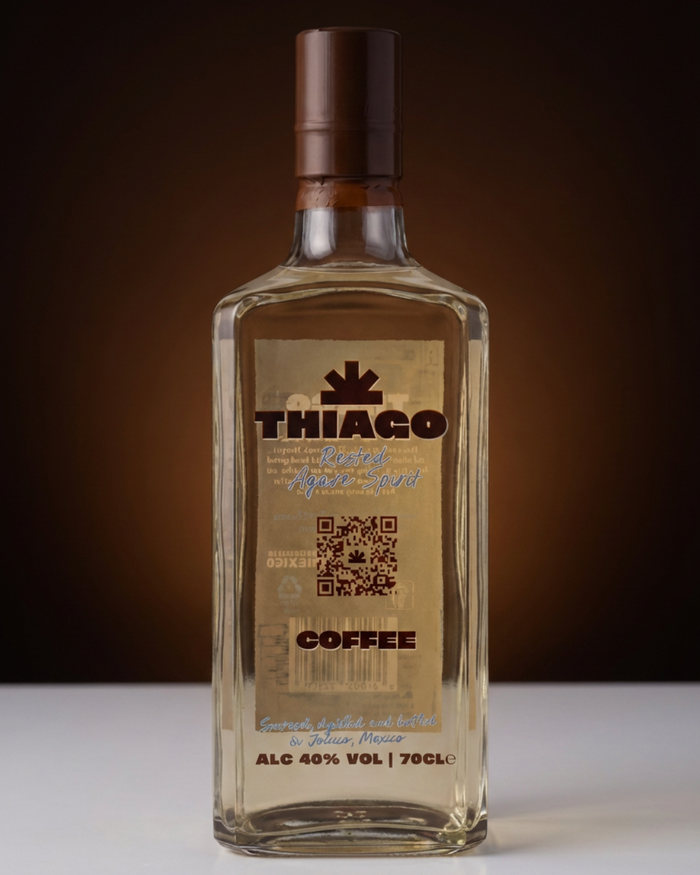
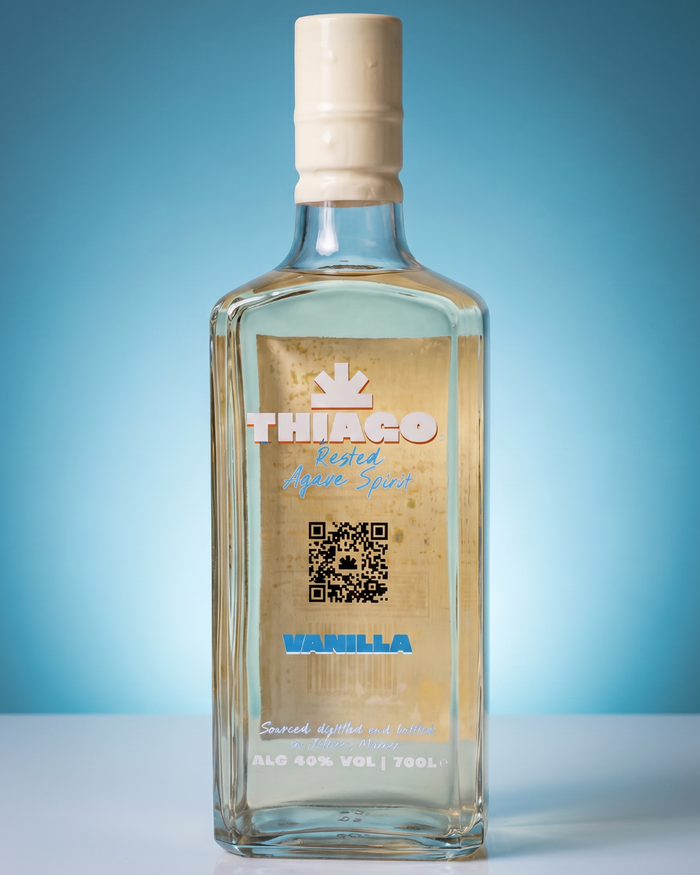
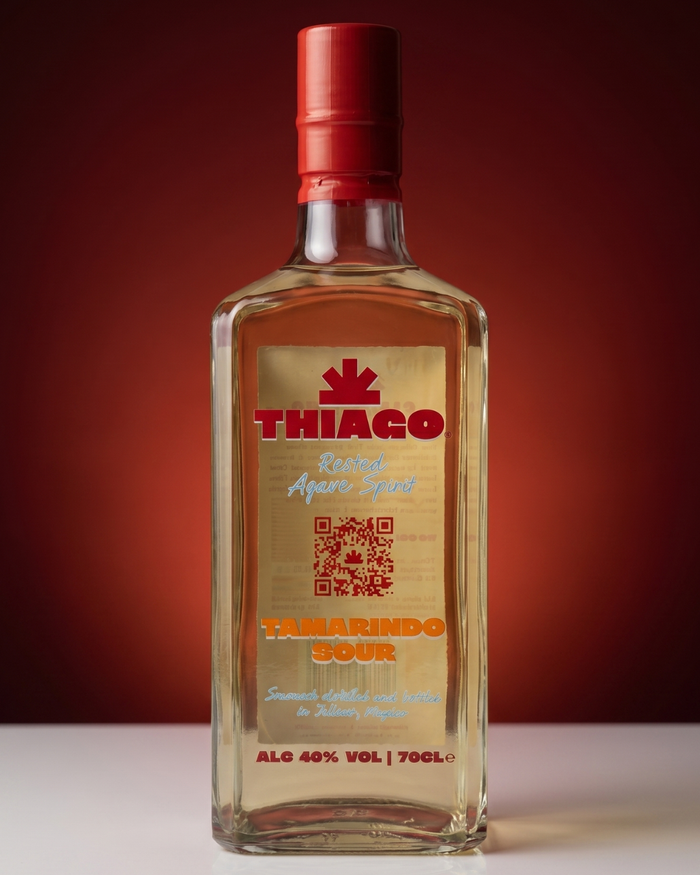
Coffee can bring roasted depth and a dry, late-evening edge. Vanilla can amplify the softer side of oak without becoming cloying. Black cherry can add dark fruit and lift, while tamarindo brings a tart, savoury-fruit tension that makes a drink moreish rather than merely sweet. The standard remains the same: genuine agave character, a clean finish and no sticky aftertaste.
On the palate: seek structure, not just smoothness
“Smooth” is one of the most overused words in spirits. It is useful up to a point, but it does not tell you whether a reposado is interesting. A tequila can be easy to drink and still feel flat. Better descriptors are texture, balance, intensity and length.
Take a small sip and let it move across the palate. The first impression may be sweet agave or fruit. The middle should bring body, spice and oak. The finish should taper gradually, leaving warmth and flavour rather than a sudden sugary fade. At 40% ABV, a premium reposado should have presence. It should not feel thin, nor should alcohol heat eclipse everything else.
Look for a few clear signals:
- Agave definition: Cooked agave should remain identifiable from first taste to finish.
- Measured oak: Vanilla, spice and toast should frame the tequila rather than dominate it.
- Natural balance: Sweetness can be present, but it should not coat the mouth or erase freshness.
- A finish with purpose: Pepper, citrus, cocoa, fruit or dry oak can linger. A clean finish encourages another considered sip.
How flavour changes the serve
Reposado tequila cocktails work best when the mixer or modifiers respect the spirit’s structure. If the tequila already has natural fruit, spice or coffee notes, you do not need to pile on syrups. Soda water, fresh citrus, sparkling wine, ginger beer or quality tonic can all create contrast while keeping the agave visible.
For a black cherry tequila, try a long build with soda and a strip of orange peel. The fruit gets lift, while the dry citrus oils stop it becoming jammy. Coffee-led reposado has enough depth for an espresso-style serve, but it also works brilliantly with tonic for a bitter, aromatic edge. Vanilla flavours can soften a stirred, spirit-forward drink, while tamarindo benefits from bright citrus and a pinch of savoury heat.
The rule is simple: build around the flavour already in the bottle. A good naturally flavoured reposado removes steps from the home bar without reducing the quality of the drink.
A modern way to taste across the range
Tasting side by side is where your preferences become clear. Begin with an unflavoured reposado if you have one, then move through bolder profiles from vanilla to fruit, coffee or tamarindo. Keep water nearby and give each pour a moment. This is not about finding the loudest flavour. It is about spotting which profile keeps its agave identity while bringing something fresh to the table.
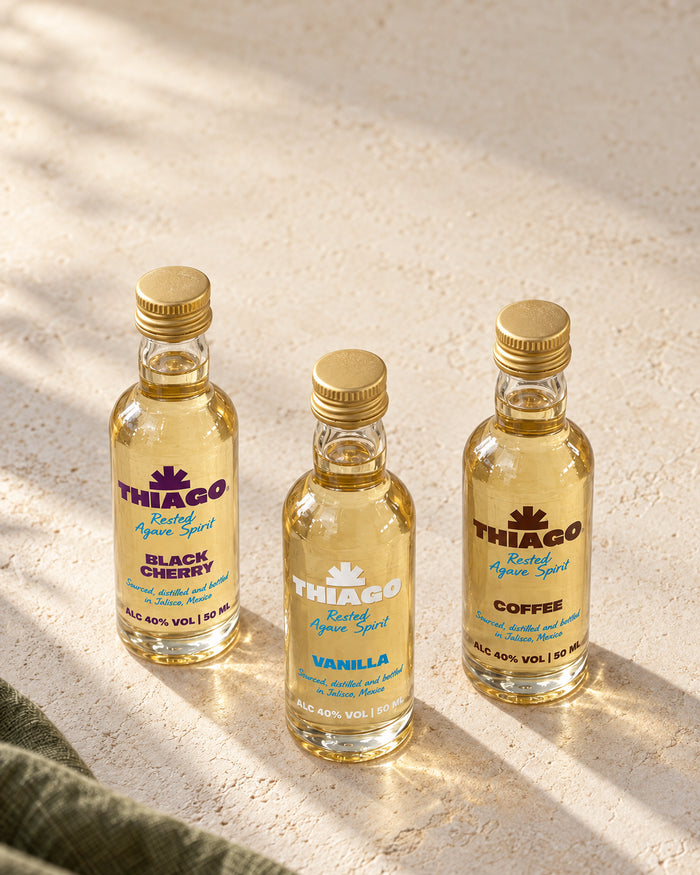
Thiago Tequila Minis make this format particularly easy for a night in, a festival weekend or a party where everyone wants a different serve. At 50ml, they are compact enough to explore without committing to a full bottle, and fit within standard hand-luggage liquid limits when packed in line with airport and airline rules. Sip them neat, stretch them with soda, or build a quick cocktail wherever the plan takes you.
The final test: would you pour it again?
The most useful reposado tasting note is not a string of elaborate descriptors. It is whether the spirit earns a second pour. Does the agave remain present? Does the oak feel integrated? Does the flavour finish cleanly enough to keep the glass interesting? If the answer is yes, you have found a reposado with real range - bold enough to enjoy neat, considered enough for cocktails, and far beyond a sweet novelty.