Table of Contents
- What Natural and Artificial Tequila Flavourings Actually Are
- How to Read Tequila Labels for Ingredient Transparency
- 100% Agave Tequila Ingredients and What They Mean
- Flavoured Reposado Tequila: Where Flavour Comes From
- Sensory Differences: Taste, Aroma and Mouthfeel
- Reposado Tequila Cocktails: Showcasing Natural Flavour
- Frequently Asked Questions
Last Updated: October 13, 2026
What Natural and Artificial Tequila Flavourings Actually Are
When you reach for a bottle of flavoured tequila, the first question is simple: where did that flavour come from? Natural vs artificial tequila flavourings explained is more than a labelling technicality, it's the difference between a spirit that tastes authentic and one that tastes engineered.
Natural flavourings come from real plant sources: fruits, spices, herbs, or in our case, locally sourced Mexican ingredients like black cherry, vanilla bean, coffee and tamarind, extracted or concentrated then added after distillation. Artificial flavourings are chemical compounds created in a lab to replicate a taste profile, synthesised from chemical building blocks rather than actual food.

The distinction is about source and production method. Both deliver flavour; the question is whether you want the complexity of real ingredients or the consistency of chemical precision.
Natural flavourings: source and production
Natural flavourings start in the earth. A vanilla bean grows on an orchid; black cherries hang from trees; coffee beans ferment and dry in the sun.
At Thiago, we source these ingredients directly from Mexico. Origin shapes the final taste: Mexican vanilla carries different characteristics than Madagascar vanilla, and Mexican coffee has its own profile.
The production process is straightforward in concept but labour-intensive in practice: the ingredient is harvested, processed (dried, fermented or roasted), then extracted by soaking in alcohol or water.
Natural flavourings cost more to produce and vary between harvests. That variation is a feature, not a flaw, it keeps the spirit tasting alive.
Artificial flavourings: how they're made
Artificial flavourings are synthesised in a laboratory. A chemist identifies the molecular structures responsible for a taste, then recreates those molecules through chemical synthesis.
A molecule of vanillin tastes the same whether it comes from a vanilla pod or a reactor vessel, but creating it synthetically requires starting materials, catalysts and precise conditions.
Artificial flavourings offer consistency, cost efficiency and the ability to create profiles that don't exist in nature, and they scale easily.
The downside is complexity. A real vanilla bean contains hundreds of flavour compounds, not just vanillin.
How to Read Tequila Labels for Ingredient Transparency
The label is your first line of defence. A transparent label tells you what's in the bottle and where it came from; a vague one hides something.
What the label must disclose
In the UK, spirits labelling regulations require transparency about key ingredients and production details. A tequila label must state:
- The spirit category, whether it's 100% agave or a blend
- The origin, tequila must come from designated regions in Mexico, primarily Jalisco
- The ABV, alcohol by volume, typically 40% for standard bottlings
- Ingredient list, what's been added after distillation
- Any additives, colouring agents, sweeteners, or flavouring compounds
"100% Blue Agave Reposado" means a spirit made entirely from blue agave and aged in barrel for at least two months. The Reposado designation tells you it has spent time in oak, developing flavour through oak extraction and oxidation.
The ingredient list is where natural versus artificial becomes visible. "Natural black cherry flavouring" or "locally sourced vanilla bean" declares a real source; "flavouring compounds" or generic "natural and artificial flavourings" is deliberately vague.
Red flags and marketing claims
Some label claims are marketing theatre. Watch for these:
"Additive-free" or "no additives", Technically accurate but misleading. All flavoured tequilas have something added after distillation. The real question is whether it's a real ingredient or a chemical compound. We say what we actually do: no artificial additives and no colouring. That's clearer.
"Smooth" without context, Thrown around without meaning. A spirit can taste mellow because it's aged longer, distilled carefully, or sweetened to mask harshness. The label should say why, not just claim it.
"Premium" or "craft", Marketing terms with no legal definition, telling you nothing about production method or ingredient quality.
"Natural flavours", Legitimate only if followed by the actual ingredient. "Natural black cherry" or "natural Mexican vanilla" tells you specifically what's in the bottle.
Vague origin claims, "Made in Mexico" is not the same as "sourced, distilled and bottled in the Highlands of Jalisco." The specific region matters because agave grown in different areas develops different characteristics.
A transparent label does the work for you: it names ingredients, specifies their source and doesn't hide behind marketing language. Thiago is 100% Blue Agave Reposado Tequila with natural Mexican flavours. 100% sourced, distilled and bottled in the Highlands of Jalisco at 40% ABV with zero added sugar.
100% Agave Tequila Ingredients and What They Mean
The "100% agave" designation is the foundation of quality tequila: the entire spirit is made from blue agave, no added sugars, no grain spirits, no shortcuts. But it's just the starting point. What happens after distillation determines whether you're drinking something genuinely flavoured or something synthetic.
The role of agave in natural flavour development
Blue agave is the source of tequila's character. Grown in the volcanic soils of Jalisco, it develops complex sugars and flavour compounds over seven to ten years.
This is where natural flavour development happens. A 100% Blue Agave Reposado rested six months in white oak has already acquired flavour from the agave and the oak. The spirit isn't blank, it's already rich.
When we add a natural ingredient like black cherry or vanilla bean, we build on that foundation. The agave character becomes the base the added flavour sits on.
Permitted additives in premium tequila
Tequila regulations allow certain additives after distillation. These are the compounds found in premium bottles:
Oak extract, Concentrated flavour from barrel ageing, sometimes added to spirits that haven't spent enough time in wood.
Glycerin, A sweetening agent used in small quantities to round out mouthfeel, derived from vegetable oils.
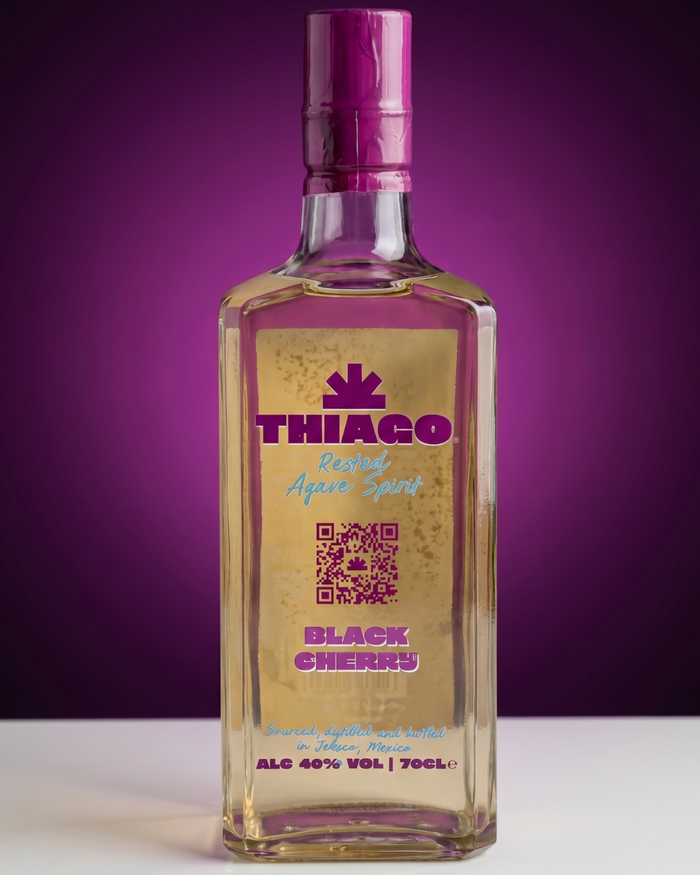
Thiago Black Cherry Tequila – 70cl →
Caramel colouring, A natural colouring agent made from heated sugars that deepens colour without adding sweetness.
Natural flavouring compounds, Real ingredients like vanilla, coffee, or fruit extracts added to create the final flavour profile.
What you won't find in a quality tequila: high-fructose corn syrup, artificial sweeteners, synthetic flavouring chemicals or excessive added sugar, the markers of a mass-market spirit cutting corners.
Flavoured Reposado Tequila: Where Flavour Comes From
Reposado tequila is rested in barrel for a minimum of two months, typically six months or longer. Ageing develops its pale straw-gold colour, rounded character and complexity. When you add natural flavouring to a reposado, you're working with a spirit that's already mature.
Barrel ageing and oak extraction
Barrel ageing isn't passive storage, it's active transformation. As the spirit sits in oak, vanillin gives vanilla notes, tannins add structure, lignin breaks down into sweet compounds, and gentle oxidation softens harsh alcohol notes and deepens colour.
A six-month reposado is a sweet spot: long enough in oak for complexity, not so long that the wood overwhelms the agave character.
When we add a natural ingredient like black cherry to a six-month reposado, the oak-aged base does half the work.
Adding natural ingredients after distillation
The process is straightforward: after ageing, the spirit leaves the barrel and the natural ingredient is added.
Timing matters. Added too early, the ingredient absorbs unwanted barrel compounds; added too late, it won't integrate. The best approach is adding it after ageing, letting it marry with the spirit for a few weeks before bottling.
That's why naturally flavoured reposados taste different from artificial ones: the natural ingredient integrates, becoming part of the spirit's structure rather than a coating on the surface.
Sensory Differences: Taste, Aroma and Mouthfeel
Tasted natural and artificially flavoured tequila side by side? They don't taste the same, even when they're meant to be the same flavour.
An artificially flavoured tequila tastes flatter: the primary flavour hits hard and fast, then fades, with less nuance and a shorter finish.
The aroma differs too.
Mouthfeel makes the difference physical. Natural ingredients and oak compounds create texture.
These differences matter when sipping neat or over ice, less in a cocktail where the tequila is one component among many.
Reposado Tequila Cocktails: Showcasing Natural Flavour
A naturally flavoured reposado is versatile: neat, over ice or as a cocktail base.
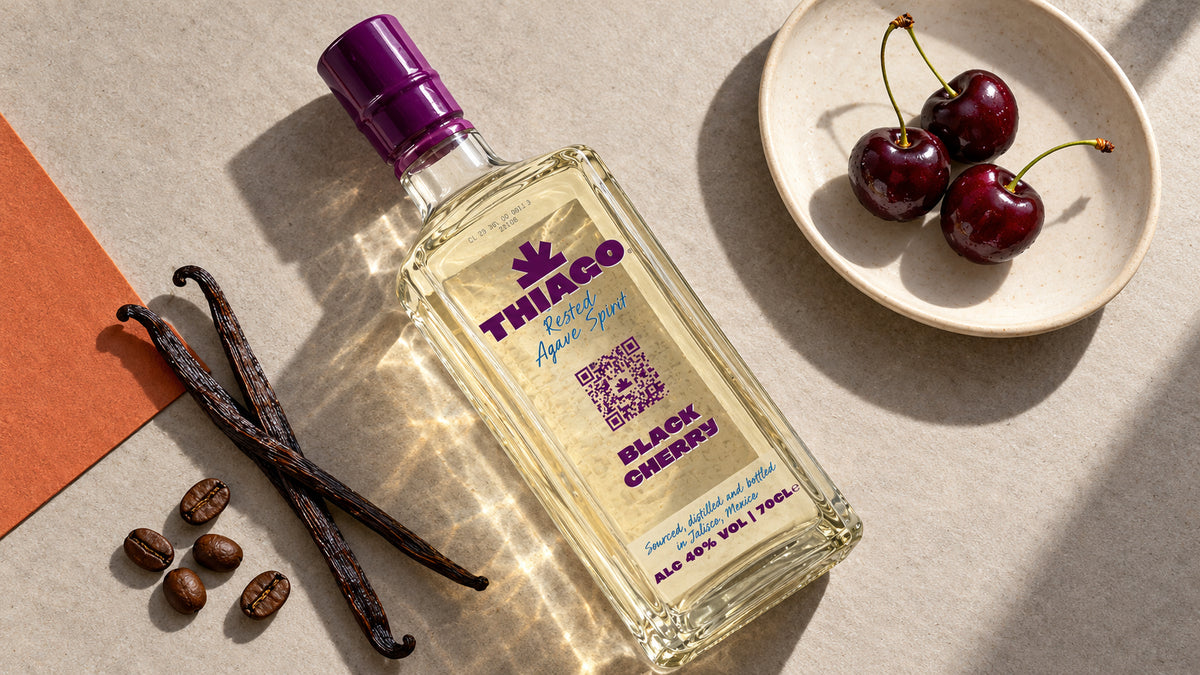
Black Cherry Margarita, Equal parts Thiago Black Cherry Tequila, fresh lime juice, and Cointreau, stirred with ice and strained into a glass.
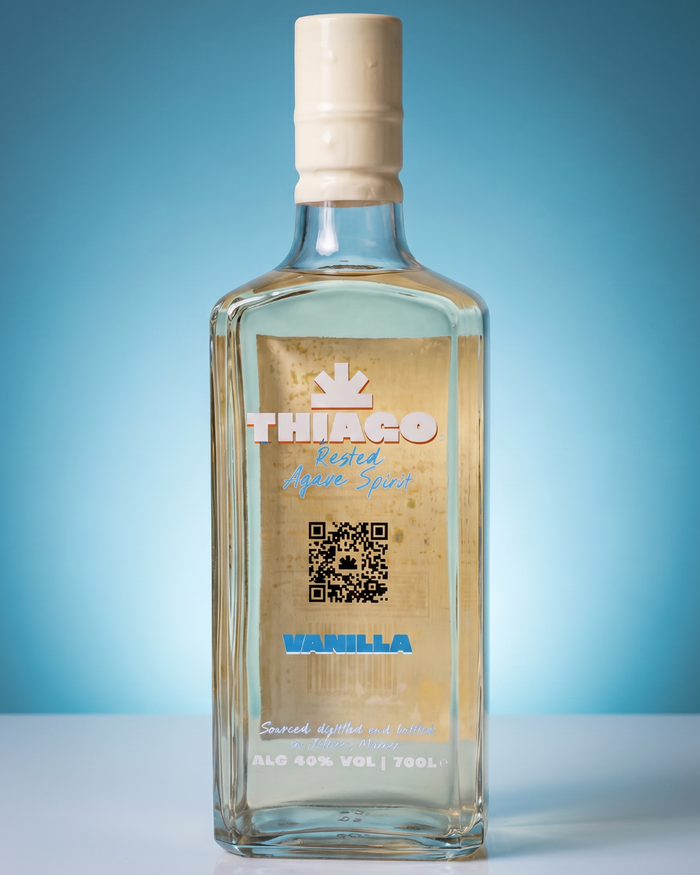
Vanilla Paloma, Thiago Vanilla Tequila with fresh grapefruit juice, lime, and a touch of soda water.

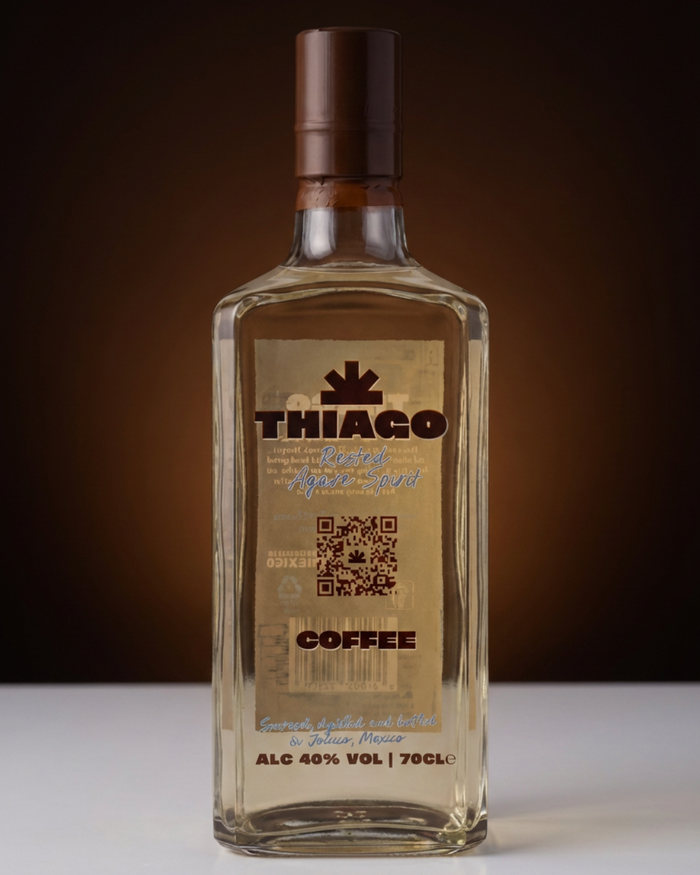
Coffee Espresso Martini, Thiago Coffee Tequila with fresh espresso and a small measure of coffee liqueur, shaken with ice.

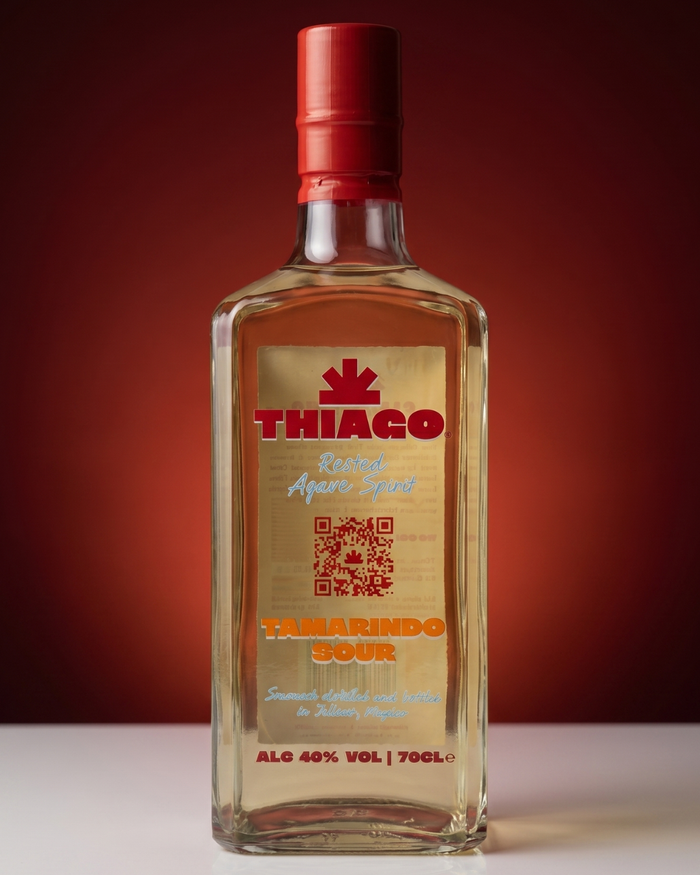
Tamarindo Sour, Thiago Tamarindo Sour Tequila with fresh lime juice and a small measure of simple syrup, shaken with ice.
The pattern is consistent: fresh ingredients, simple builds, and the tequila's natural flavour as the star.
Building cocktails at home? Start with quality spirits.
For responsible serving guidance, refer to Drinkaware's cocktail and serve information.
The choice between natural and artificial tequila flavourings comes down to what you value.
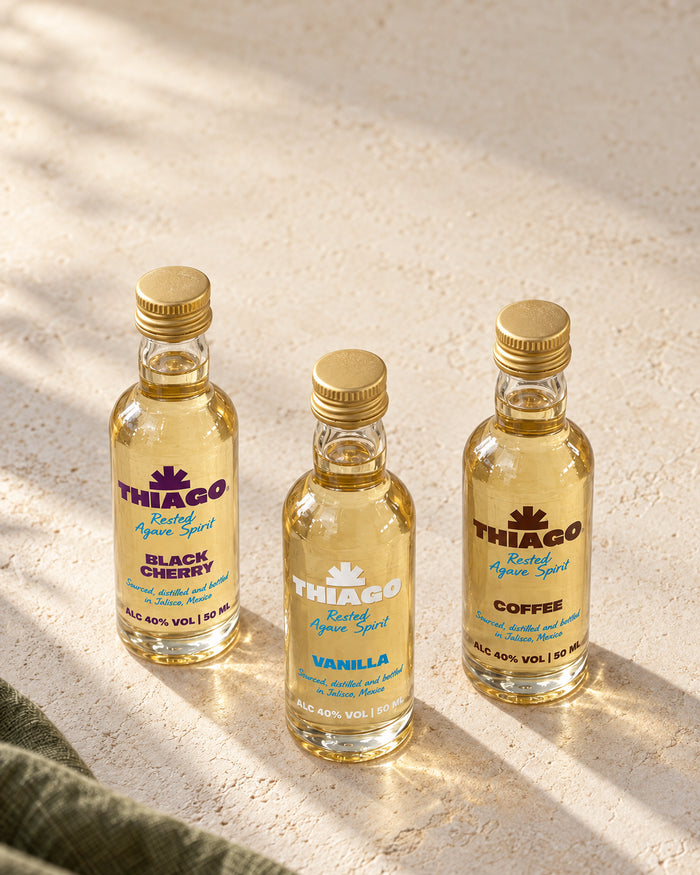
Thiago is built on the principle that flavoured tequila doesn't have to be gimmicky. Whether you're exploring Thiago Black Cherry, Vanilla, Coffee or Tamarindo Sour, you're tasting the difference real ingredients make. Explore the full range at Thiago Tequila.
Frequently Asked Questions
What is the difference between natural and artificial flavourings in tequila?
Natural flavourings come from real plant sources, fruits, herbs, spices, or plant extracts, and are derived through fermentation, distillation, or mechanical extraction. Artificial flavourings are created in a laboratory using chemical compounds that mimic flavour profiles. In tequila, natural flavourings might be locally sourced black cherry or Mexican vanilla bean added after the spirit is rested in oak, while artificial ones are synthetic molecules designed to taste similar but without the complexity of real ingredients. The difference matters to your palate: natural flavourings carry the character and depth of their source, whereas artificial ones tend to taste one-dimensional.
How can you tell whether flavoured tequila uses natural ingredients?
Check the label for specific ingredient names. Genuine natural flavourings will list the actual source: 'natural black cherry flavouring', 'Mexican vanilla bean', or 'locally sourced tamarind'. Avoid vague terms like 'natural flavour' without a source specified. Look for statements like 'no artificial additives and no colouring', this indicates the spirit relies on real ingredients. The producer's website or transparency statement should explain their sourcing and production method. Thiago's range, for example, clearly states which Mexican ingredients are used and confirms zero added sugar, helping you verify authenticity before purchase.
Does 100% agave tequila mean it contains no added flavourings?
Not necessarily. 100% agave tequila means the spirit is made entirely from blue agave with no added neutral spirits or sugars. However, flavoured tequilas can still be 100% agave, the flavouring is added to the finished spirit after distillation and ageing. What matters is whether those flavourings are natural or artificial. A 100% agave reposado that's enriched with natural black cherry or vanilla bean is still 100% agave; it just has real ingredients layered in. The label should disclose both the agave content and the source of any flavourings so you know exactly what you're getting.
Why does the production process matter when choosing flavoured tequila?
The production process determines flavour authenticity and quality. Tequila aged in oak barrels for six months naturally develops depth and character from the wood, this is genuine flavour development. When real ingredients like coffee or vanilla are added to this aged spirit, they integrate with the tequila's existing profile, creating a balanced, layered taste. In contrast, artificial flavourings added to a young or poorly aged base spirit can taste harsh or one-note because they have nothing to complement them. Understanding whether a brand uses barrel ageing, sources real local ingredients, and avoids syrups tells you whether you're getting craft quality or a shortcut. Thiago's six-month reposado process in white oak, followed by natural Mexican flavours, creates a result that tastes refined rather than synthetic.