Table of Contents
- What Makes Natural Ingredients Superior in Tequila Production
- How to Identify Authentic Highland Tequila
- The Chemistry Behind Additives and Why They Matter
- Best Flavoured Tequila UK: What Separates Quality from Hype
- Sugar-Free Tequila Cocktails: Crafting Drinks Without Compromise
- Thiago Tequila Minis Bundle: Premium Flavours for On-the-Go Enjoyment
- Why Terroir and Production Methods Define Tequila Quality
- Conclusion
- Frequently Asked Questions
Last Updated: September 24, 2026
What Makes Natural Ingredients Superior in Tequila Production
The difference between a tequila that tastes clean and one that leaves you with a chemical aftertaste comes down to one thing: what's actually in the bottle. At Thiago Tequila, we've built our entire range around this principle, why natural ingredients make better tequila isn't marketing speak, it's chemistry and craft working together.
Mass-produced tequilas rely on glycerin, oak extract, and artificial sweeteners to create the illusion of smoothness. Natural ingredients, locally sourced black cherry, vanilla bean, tamarind, deliver genuine complexity without the synthetic finish that most drinkers find harsh.
What happens after distillation is where premium spirits separate from the rest. A spirit aged properly in white oak barrels and infused with real ingredients tastes fundamentally different because your palate recognises genuine complexity over synthetic additives.
How to Identify Authentic Highland Tequila
The volcanic soil of the highlands produces agave with distinctly different mineral content, acidity, and sugar profiles than lowland varieties. Highland agave develops slowly in cooler temperatures, creating more complex sugars and deeper flavour compounds. How that agave is extracted determines whether the distillery can rely on natural ingredients or must compensate with additives.
First, check for "100% agave" on the label. Mixto tequila contains only 51% agave with the rest made up from added sugars and neutral spirits, and it shows in the taste. But 100% agave alone doesn't guarantee quality, it's the foundation, not the destination.
Second, understand the extraction method. Traditional tahona crushing uses a large stone wheel to slowly break down the cooked agave, preserving the plant's natural compounds. The result is a spirit with inherent complexity and smoothness.
Modern diffuser extraction is faster but strips away natural compounds, resulting in less flavour. To compensate, distilleries add glycerin, oak extract, and sweeteners post-distillation to create the perception of complexity that tahona-crushed spirits achieve naturally.
Highland tequilas can show depth on the palate, particularly when sipped neat or over ice, peppery agave notes, herbaceous undertones, and genuine smoothness.
Third, examine the ingredient list. If it reads like a chemistry set, glycerin, caramel colouring, oak extract, sugar cane syrup, the base spirit lacked sufficient complexity. Thiago Organico Blanco Tequila exemplifies the alternative: certified organic 100% blue agave, no additives. The peppery agave aroma and fresh citrus notes come entirely from the plant and distillation process.

The Chemistry Behind Additives and Why They Matter
Understanding how post-distillation ingredients work reveals why they fundamentally alter what you're tasting.
Glycerin coats the palate by suppressing bitter receptors, making alcohol burn feel softer. But it also mutes the volatile compounds, esters and aldehydes, that carry genuine agave flavour. Oak extract accelerates the appearance of age without actual maturation, producing a flavour profile that's chemically similar but sensorially flat because the complexity isn't there.
Artificial sweeteners and sugar cane syrup work differently. Sucrose and high-fructose corn syrup trigger sweetness receptors (T1R2/T1R3) on your tongue, creating a sensory expectation that masks the actual flavour development of the spirit. When you sip a naturally-infused tequila without added sugar, your palate encounters the full spectrum of compounds: the peppery notes from agave alkaloids, the vanilla from oak interaction, the tartness from real fruit. With added syrup, those compounds are neurologically suppressed by the sweetness signal. It's not that the flavour isn't there, it's that your brain isn't processing it.
Natural ingredients work through genuine chemical interaction rather than masking. Real vanilla bean contains vanillin (the same compound oak produces naturally), but it arrives through the bean's own cellular breakdown during maturation and infusion, not through industrial extraction. Black cherry sourced from Mexico brings anthocyanins (the compounds that give it colour and tartness) and volatile esters that complement agave's own ester profile. Tamarind adds tartaric acid and malic acid, which enhance perception of complexity without relying on sweetness to create flavour illusion. These ingredients integrate with the spirit rather than sitting on top of it.

The headache many people associate with tequila often stems from this chemical interference. When your body processes alcohol alongside synthetic compounds, glycerin, artificial sweeteners, oak extract, your liver must metabolise multiple substances with different metabolic pathways. Congeners (compounds other than ethanol) are partly responsible for hangovers, but synthetic additives add metabolic load. Spirits made with natural ingredients and proper production methods can contribute to a cleaner drinking experience because your body is processing fewer foreign compounds.
Best Flavoured Tequila UK: What Separates Quality from Hype
The flavoured tequila market has exploded, but quality varies wildly. Most commercial options prioritise shelf appeal over actual taste, which means they're loaded with syrups and artificial flavourings that make them taste like cordials rather than spirits.
Quality separates itself through several markers. First, the base spirit matters, 100% blue agave reposado aged in white oak creates a foundation that can support real flavour additions. Second, the ingredients themselves. If you're looking at a "black cherry tequila," check whether that's actual cherry or cherry flavouring. Third, the absence of added sugar. Premium flavoured tequilas don't need sweetness because the ingredients themselves provide complexity. Sourcing these components directly from nearby growers reinforces the inherent value of local ingredients while ensuring that the final spirit reflects the unique character of its origin.
Thiago Black Cherry Tequila exemplifies what this category should be. It starts with 100% blue agave reposado rested six months in white oak, then introduces locally sourced black cherry. Zero added sugar. The result tastes like what it actually is, tequila infused with real fruit, rather than a sweetened spirit pretending to be premium.
The distinction matters most when you're sipping neat or over ice. Cheap flavoured tequilas become cloying and one-dimensional. Quality options reveal layers as the spirit opens up on your palate. That's the difference between a gimmick and a genuinely good drink.
Sugar-Free Tequila Cocktails: Crafting Drinks Without Compromise
Sugar-free doesn't mean flavourless. It means the flavour comes from the ingredients themselves rather than added sweetness masking poor base spirit quality.
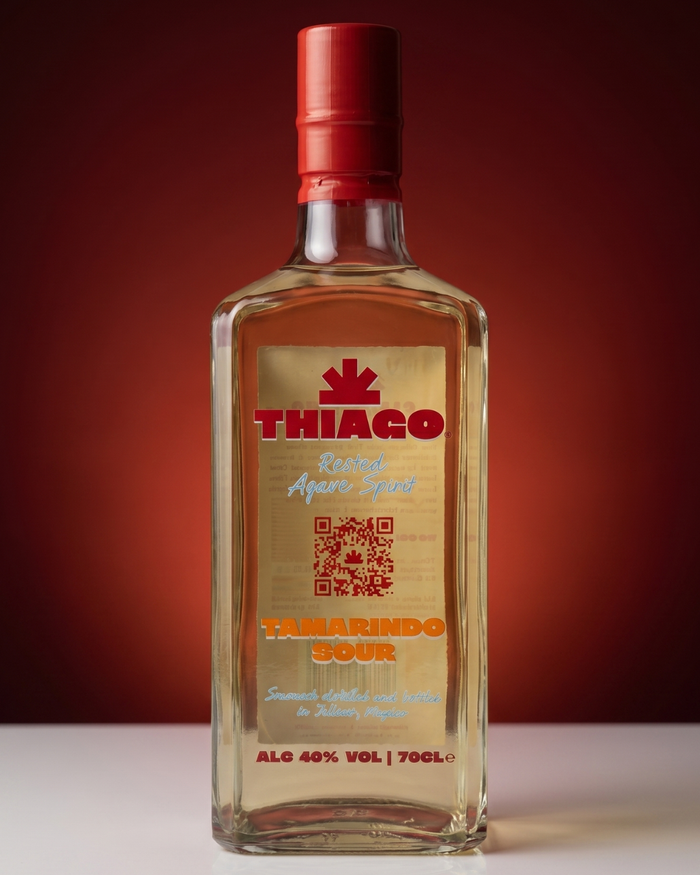
The foundation is choosing a tequila made with natural ingredients. From there, your cocktail options expand significantly. A black cherry tequila works beautifully in a margarita, the fruit complexity replaces the need for triple sec sweetness. A vanilla reposado becomes the base for a Mexican Mule that's genuinely smooth without syrup. A tamarindo variant creates a Paloma with tartness and depth that commercial mixes can't match.
The key principle: let the spirit do the work. Natural ingredients in the tequila mean you need fewer additions to create balanced cocktails. This isn't just better for health-conscious drinkers, it's better cocktail construction. You're building flavour through the spirit itself rather than compensating for a weak base with sugar.
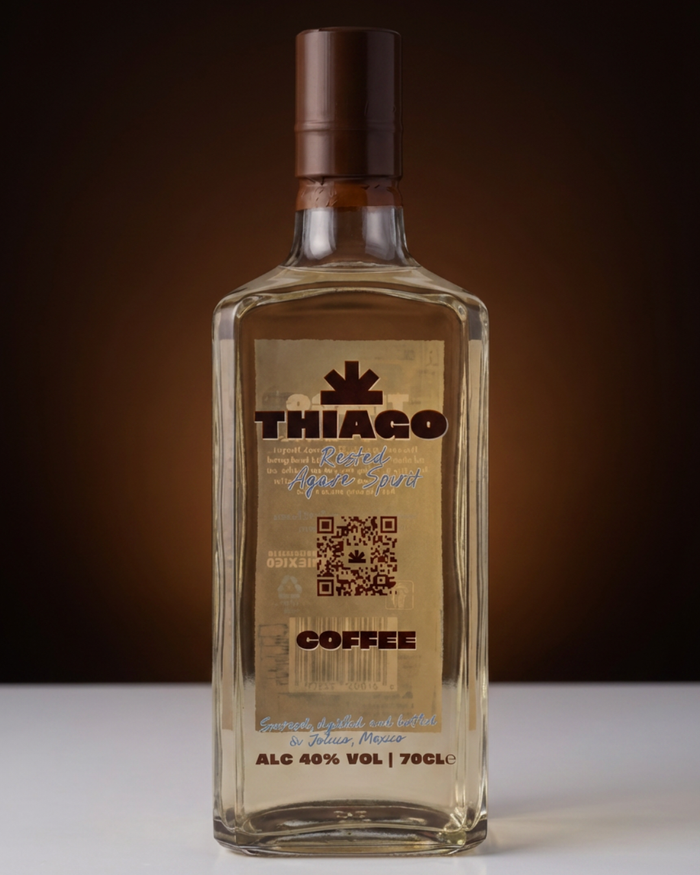
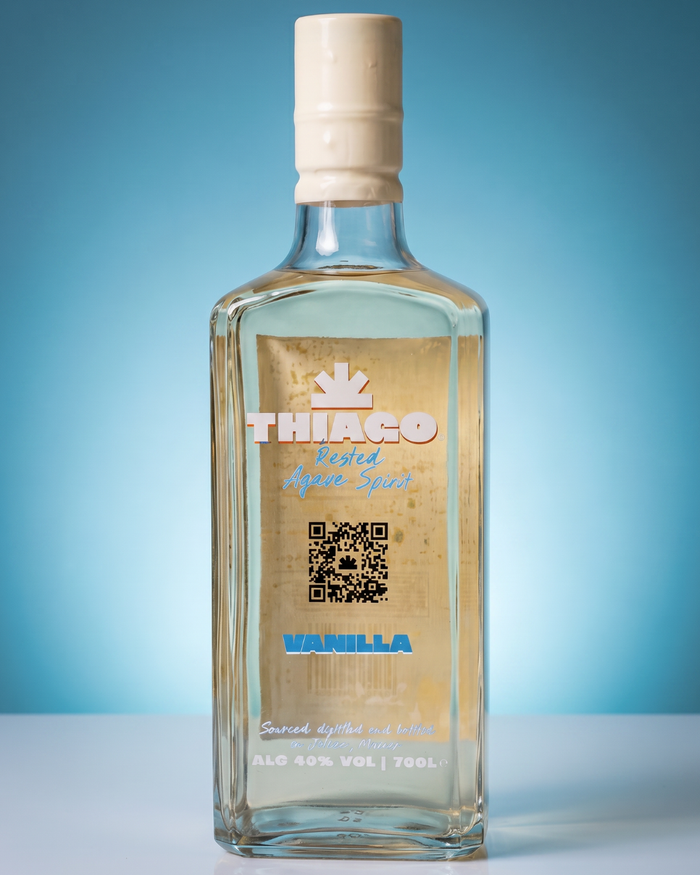
Thiago Vanilla Tequila is particularly versatile here. The natural Mexican vanilla bean creates warmth that works in everything from a simple serve over ice to complex cocktails. Try it in a Vanilla Paloma or build it into a Vanilla Sour, the spirit carries the drink rather than requiring additional sweetening.

Thiago Tequila Minis Bundle: Premium Flavours for On-the-Go Enjoyment
Festival season, weekend breaks, flights, situations where you want quality without the commitment of a full bottle. This is where the Thiago Minis 3 Pack changes the game.
Each 50ml bottle delivers full-strength 40% ABV spirit with zero compromise on quality.
Why Terroir and Production Methods Define Tequila Quality
Terroir in tequila works the same way it does in wine. The volcanic soil of the highlands produces agave with different mineral content, acidity, and sugar profiles than lowland varieties. This isn't subtle, it's detectable in the glass.
Conclusion
Why natural ingredients make better tequila comes down to fundamentals: authenticity, craftsmanship, and respect for the spirit itself. When you choose a tequila made with 100% blue agave from the highlands of Jalisco, aged properly in oak, and infused with real Mexican ingredients rather than synthetic additives, you're choosing a spirit that tastes like what it actually is.
Frequently Asked Questions
What's the difference between additive-free and commercial tequila?
Additive-free tequila contains only 100% blue agave, water, and natural flavouring ingredients. Commercial tequila often includes glycerin, oak extract, sugar cane, and artificial sweeteners post-distillation to mask rough edges and add perceived smoothness. Natural ingredients deliver genuine complexity from the agave itself, whilst additives create a synthetic finish that many drinkers find harsh or overly sweet.
How can you identify authentic, additive-free tequila?
Look for labels stating '100% Blue Agave' and check the ingredient list for post-distillation additions. Authentic highland tequila should list only agave, water, and any natural flavourings like vanilla bean or fruit. Certifications from Mexico's regulatory bodies and transparent sourcing information from Jalisco are strong indicators. Real flavoured tequila with no added sugar, like Thiago's range, will be explicit about its natural ingredients and zero-sugar claim.
Does using real ingredients make tequila a healthier choice?
Natural ingredients eliminate artificial sweeteners and chemical additives that some drinkers find cause digestive discomfort. Sugar-free tequila made with real Mexican ingredients avoids the added sugars associated with syrup-based spirits. Whilst all spirits contain alcohol, choosing additive-free options reduces unnecessary chemicals in your drink, making it a cleaner choice for health-conscious consumers.
Why do natural ingredients improve the flavour profile of tequila?
Natural ingredients like locally sourced black cherry, vanilla bean, or tamarind integrate with the agave's own character during and after maturation, creating layered, complex flavours. Additives applied post-distillation sit on top of the spirit, creating artificial sweetness or smoothness. When real ingredients are used, the tequila's terroir, the volcanic soil and climate of Jalisco, shines through, delivering authenticity that synthetic additives cannot replicate.
The spirit you choose reflects your standards. Choose one made with natural ingredients, sourced and distilled in Jalisco, and bottled without shortcuts. Your next drink will taste the difference.