Table of Contents
- What Makes Tequila Premium? Defining the Tiers
- The Real Cost Breakdown: Blue Agave to Bottle
- Why Premium Tequila Justifies Its Price Tag
- How to Spot Value: A Tasting Checklist
- The Rise of the Best Flavoured Tequila UK Drinkers Love
- Elevate Your Bar with Reposado Tequila Cocktails
- Why Black Cherry Tequila Is the Premium Test Case
- Conclusion: The Verdict on Premium Pricing
- Frequently Asked Questions
Last Updated: September 9, 2026
Walk into any off-licence and the price gap is stark: a bottle of tequila can cost £20 or £200. Whether premium tequila is worth the price is a question every spirits drinker faces. At Thiago Tequila, we've spent years sourcing 100% Blue Agave from the highlands of Jalisco, and we've learned exactly where that extra money goes. Premium tequila is worth the price when the production process is transparent, additive-free, and built around the agave itself rather than marketing spin.
Below, we break down what separates a £50 bottle from a £20 one and how to spot real value.
What Makes Tequila Premium? Defining the Tiers
Premium tequila is made from 100% Blue Weber Agave with transparent production methods and no artificial additives. Everything beyond that comes down to how the agave is grown, cooked, fermented, and rested.
The regulatory framework helps here. Tequila must contain at least 51% agave to be called tequila at all, but premium expressions use 100% Blue Weber Agave, which means no other sugars are allowed in fermentation (ecfr.gov). The official Tequila Regulatory Council standards define what can legally bear the name, and those rules shape the entire quality ladder.
Blanco vs Reposado vs Añejo: The Age Spectrum
Age is the most visible price driver, but it's often misunderstood. Blanco is unaged and shows the purest agave expression. Reposado rests two months to a year in oak, gaining colour and vanilla. Añejo spends one to three years in barrels, and Extra Añejo goes beyond three years.
Longer ageing costs more because it ties up capital in barrels and warehouse space, but older isn't automatically better. Many premium drinkers prefer reposado because it balances agave character with oak influence without losing the plant's identity.
The Real Cost Breakdown: Blue Agave to Bottle
A premium bottle's price reflects a chain of costs that cheap producers skip. Blue Agave takes seven to ten years to mature before harvest. The piña is then slow-cooked, traditionally in brick ovens or autoclaves, before fermentation and double distillation in copper pot stills.

Each step adds expense. Slow cooking preserves sugars that fast industrial methods destroy. Copper pot stills cost more than column stills but produce a rounder spirit. The difference between diffuser-made and traditionally crafted tequila is night and day in the glass, yet both can legally carry the same label.
The Economics of NOMs and Small-Batch Production
Every tequila carries a NOM number, the distillery registration that tells you exactly where it was produced. A NOM isn't a quality mark, but it is a transparency tool. Brands that own their NOM control every step from field to bottle. Brands that buy from third-party distilleries may have less oversight over their raw materials and production methods.

Small-batch production means smaller fermentations, more hands-on attention, and higher unit costs. It also means the distiller can reject subpar agave rather than blending it away. When you pay for craft tequila, a meaningful portion of that money funds quality control that mass producers don't perform.
Why Premium Tequila Justifies Its Price Tag
Premium tequila justifies its price through three concrete factors: raw material quality, production method, and transparency. Each one directly affects what lands in your glass.
The Agave Economy: A Seven-Year Gamble
The single biggest cost driver is the agave itself. Blue Agave takes seven to ten years to mature, and a grower plants a field with no guarantee of the market price at harvest. When agave prices spike, the cost of a single piña can account for a significant portion of a bottle's retail price. Premium brands that contract directly with growers and pay a fair price for mature, high-sugar agave absorb a cost that industrial producers avoid.
Mass-market premiumization often pressures agave supplies, leading to premature harvesting and soil depletion. Craft producers who prioritise sustainable farming, allowing agave to fully mature, rotating fields, and supporting local jimadores, invest in the region's long-term health. That investment is reflected in the bottle price.
The NOM Transparency Premium
Every tequila carries a NOM number, the distillery registration that tells you exactly where it was produced. A NOM isn't a quality mark, but it is a transparency tool. Brands that own their NOM control every step from field to bottle. Brands that buy from third-party distilleries may have less oversight over their raw materials and production methods.
A brand owning its NOM signals commitment, but it's not a guarantee of quality, some of the largest, most industrial producers own their NOMs. The real question is what happens inside that distillery. Does the brand disclose its agave source, publish its additive-free status, and talk openly about its methods?
The Additive-Free Imperative
This brings us to the most important quality indicator of the modern era: additive-free certification. Many mass-market tequilas add glycerin for mouthfeel, caramel colour for appearance, and artificial flavourings to mask harshness (ttb.gov). These additives are legal within limits, and they're why cheap tequila can taste smooth without any craft behind it.
Additive-free tequila relies entirely on the quality of the agave and the skill of the distiller. No shortcuts. No masking. When a brand voluntarily submits to additive-free certification, it's signalling confidence in its base spirit. Additive-free certification is a way to verify these claims.
The Hidden Cost of Cheap Tequila
When you buy a £20 bottle, you're often subsidising a production model that prioritises yield over quality. Diffuser extraction, which uses harsh chemicals to strip sugars from the agave, is faster and cheaper than traditional slow-cooking but produces a neutral spirit that must be artificially flavoured and coloured to taste like tequila.
try all three minis · £15.99 →
Premium tequila, by contrast, often uses traditional brick ovens or autoclaves, copper pot stills, and longer fermentation times. These methods are more expensive but preserve the agave's natural character and require fewer artificial interventions.
How to Spot Value: A Tasting Checklist
Most guides stop at 'look for 100% agave' and call it a day. That's table stakes. To truly answer whether premium tequila is worth the price, you need to move beyond the label and engage your palate. The most reliable way to remove brand bias is a structured blind tasting.
The Blind Tasting Framework
Here's a framework you can replicate at home.
- Set up three identical glasses. Pour a small measure of a budget tequila (around £20), a mid-range reposado (around £40), and a premium expression (over £60) into glasses labelled A, B, and C. Have someone else pour so you don't know which is which.
- Evaluate in three passes. First, assess the nose. Second, taste and hold the spirit on your palate. Third, evaluate the finish. Score each out of 10 for complexity, balance, and length of finish.
- The 'Agave Forward' Test. Does the spirit taste of cooked agave, that sweet, vegetal, slightly earthy character, or does it taste of neutral alcohol with added flavour? A quality tequila, even aged, should always lead with agave.
- The 'No-Burn' Check. Quality tequila warms the chest rather than burning the throat. A harsh, solvent-like burn at 40% ABV is a hallmark of poorly distilled spirit or diffuser extraction.
The Sensory Checklist: What Your Palate Should Tell You
When tasting, don't just ask 'do I like it?', ask 'why do I like it?'
- Nose: A quality blanco or reposado should smell of fresh agave, citrus, white pepper, and a hint of earthiness. Artificial vanilla, caramel, or a cloying sweetness on the nose is a red flag for added flavourings or oak extracts.
- Palate: The texture should be silky, not syrupy. A glycerin-heavy tequila will feel artificially thick and coat the mouth in a way that masks harshness. A naturally crafted spirit has a lighter, more integrated mouthfeel that carries the agave flavour.
- Finish: The finish is where craftsmanship shows. A short, hot finish that disappears quickly indicates young, aggressive spirit. A long, warm finish that evolves with notes of black pepper, citrus peel, and cooked agave indicates proper distillation and, if aged, quality oak.
The '£20 vs £60' Reality Check
Here's the honest truth about the price ladder. A £20 tequila is rarely bad, it's just simple, often made from younger agave, cooked faster, and distilled in column stills for efficiency. It will mix fine in a Margarita. A £60 tequila should offer a discernible step up in complexity: more pronounced agave character, a longer finish, and a texture that suggests care in production.
The question isn't whether the £60 bottle is 'better' in an absolute sense. It's whether the added complexity justifies the additional spend for your use case. If you're making a frozen cocktail with sweetener, a £20 bottle is perfectly adequate. If you're sipping neat or building a high-end reposado tequila cocktail, the premium bottle's depth will shine through.
The Rise of the Best Flavoured Tequila UK Drinkers Love
Flavoured tequila has historically been the category's guilty pleasure, often syrupy and synthetic. That's changing. The best flavoured tequila UK drinkers now seek out is made with real ingredients, rested reposado bases, and zero added sugar.
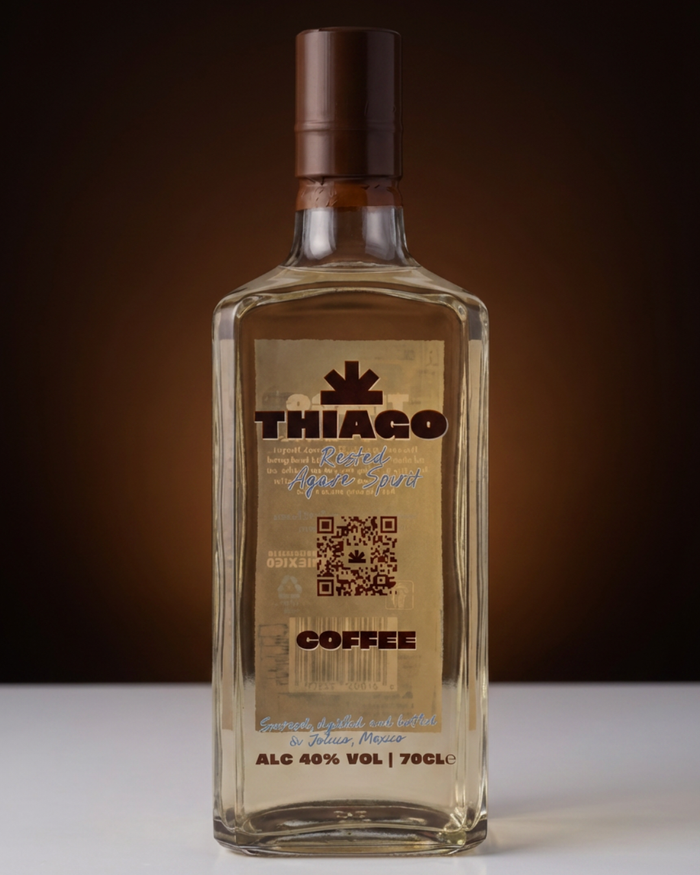
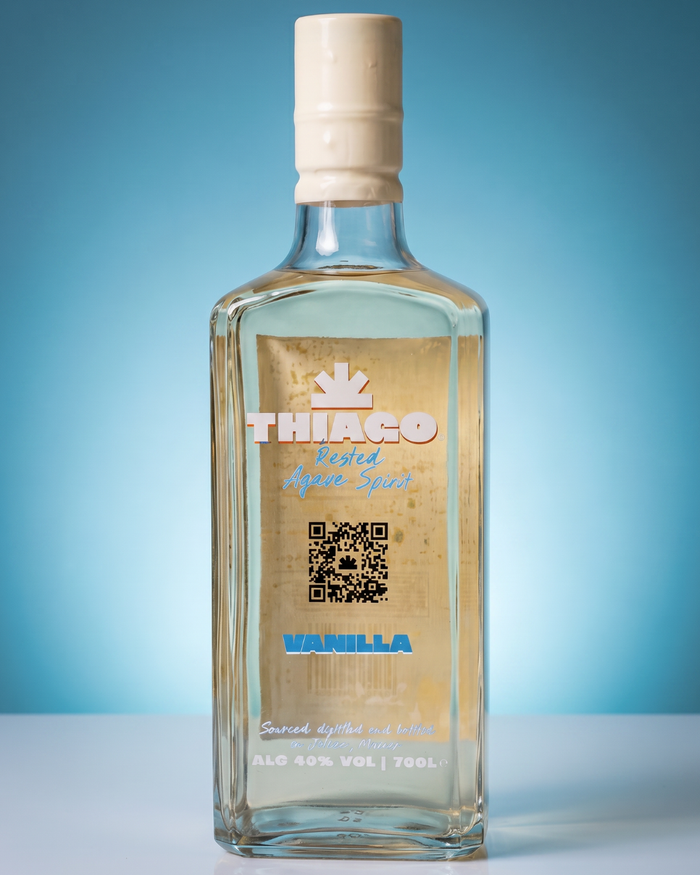
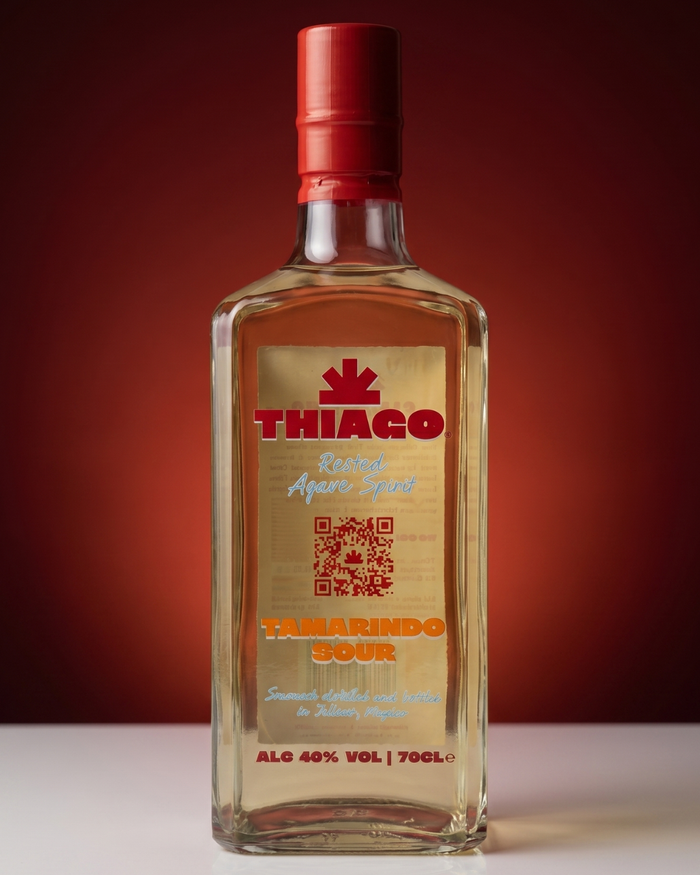
Thiago's approach starts with 100% Highland Blue Agave Reposado, rested six months in white oak, then introduces real Mexican ingredients after distillation. Our black cherry reposado is the clearest example of this philosophy, using locally sourced fruit rather than syrups or extracts. The result is a spirit that tastes like tequila first and cherry second, not a cocktail in a bottle.
Elevate Your Bar with Reposado Tequila Cocktails
Reposado tequila cocktails have become the backbone of modern bar programmes, and for good reason. The oak ageing adds enough structure to stand up to citrus and bitters while keeping the agave character present. Try a Black Cherry Margarita using our Thiago Black Cherry Tequila for a drink that needs no added sugar, or build a Mexican Mule with the vanilla expression for a naturally sweet twist on the classic.

The versatility is what makes reposado the workhorse of a serious home bar. It sips neatly over ice, it spritzes with soda and lime, and it holds its own in shaken cocktails. One bottle covers every occasion, which is precisely why the full Thiago tequila collection leans so heavily on reposado as the base.
Why Black Cherry Tequila Is the Premium Test Case
Black cherry tequila is the perfect test case for whether premium production methods matter in flavoured spirits. A cheap version uses artificial cherry flavouring to mask harsh, young tequila. A premium version starts with a quality reposado and adds real fruit.
The difference is stark. The premium version tastes like cherries and tequila; the cheap version tastes like neither. When you're paying for quality, you should be able to taste every ingredient in the bottle. That's the standard we hold ourselves to at Thiago.
Conclusion: The Verdict on Premium Pricing
Premium tequila is worth the price when you're paying for transparency, craftsmanship, and real ingredients rather than marketing. The shortcuts in cheap tequila are real: diffuser cooking, artificial additives, and young harsh spirits masked by flavouring. The information to spot them is publicly available, from NOM lookups to additive-free certification.
The challenge is finding a brand that delivers on all fronts: 100% Blue Weber Agave, traditional production, additive-free certification, and flavours built on real ingredients. That combination is rarer than it should be. Start with our reposado collection to taste the difference for yourself, or grab the minis bundle if you want to sample all three flavours before committing to a full bottle. Try all three minis at £15.99 and decide whether the premium is worth it with your own palate.
Frequently Asked Questions
Is more expensive tequila always better quality?
No. Price often reflects scarcity, marketing, and packaging as much as quality. The real markers of quality are 100% Blue Agave and additive-free status. The best approach is to learn what to look for, then judge by taste rather than price point.
What does premium tequila mean?
Premium tequila is made from 100% Blue Agave, grown in Jalisco. It is typically crafted in small batches and often rested in barrels, which adds complexity. Unlike mixto tequila, it contains no other sugars. Look for transparency from the distillery, and check if it is additive-free. This focus on craft and raw materials is what separates it from standard bottles.
How does 100% blue agave impact the price of tequila?
Blue Agave takes seven to ten years to mature before it is harvested. The 'piña' (the heart) is then roasted and fermented. This long, labour-intensive process is a major cost. Cheaper mixto tequilas use as little as 51% agave and top up with neutral spirits. A bottle labelled 100% Blue Agave reflects the true cost of the raw material.
Are flavoured tequilas considered premium?
Yes, when they are made properly. A premium flavoured tequila starts with a high-quality 100% Blue Agave reposado and infuses it with real ingredients, like black cherry or vanilla bean. It contains no added sugar or artificial syrups. This craft approach creates a smooth, natural flavour. It is very different from cheaper products that mask harsh spirits with sweeteners.