A serious premium reposado tasting review begins before the first sip. Look for where the agave was grown, how the spirit was rested, what has been added, and whether the flavour has enough structure to hold its own at 40% ABV. Premium is not a gold label or a heavy bottle. It is clarity of origin, confidence in the liquid and a finish that keeps you interested.
Reposado is where tequila starts to show a different side of itself. Resting in oak rounds the direct, peppery lift of blue agave with texture and warmth, without burying the plant character under wood. Done well, it is expressive rather than loud: bright enough for a long drink, layered enough to sip, and composed enough for a properly built cocktail.
What a premium reposado tasting review should assess
The first measure is agave. A premium reposado should still taste alive, with cooked agave at its centre. Depending on the producer and the highland terroir, that can read as earthy, herbal, citrus-led, gently floral or touched with pepper. The point is not to force every bottle into one tasting note. It is to see whether the spirit has a clear backbone before oak and flavour enter the conversation.
Then comes balance. Oak should bring polish - think soft vanilla, toasted spice, caramelised warmth or a dry woody edge - rather than turning the glass into a generic brown spirit. Reposado is rested, not erased. If the finish is all barrel and no agave, the category's most compelling tension has been lost.
Texture matters too. At 40% ABV, a well-made reposado can feel full and warming without becoming harsh. The alcohol should carry aroma across the palate, not dominate it. A slight heat is normal, especially when tasted neat, but it should settle into flavour rather than leave a blunt burn.
Finally, assess the finish. A premium pour does not need to be endlessly sweet to feel generous. In fact, a clean, dry finish often tells you more about quality than an immediate rush of confectionery. You want agave, oak and any added natural flavour to leave the palate in a better place than they found it.
Start with provenance, not packaging
Jalisco matters because tequila is rooted in place. Blue agave grown and distilled in Mexico carries the regional identity that gives the spirit its point of view. Highland-grown agave is often associated with a fruit-forward, aromatic character, although production choices still shape the final result. Geography is the opening chapter, not the whole story.
For a premium bottle, look for honest production details and a clear statement of what is in the liquid. This is particularly relevant in flavoured expressions. There is a vast difference between a reposado built on 100% blue agave tequila and then lifted with natural flavour, and a sweet, anonymous spirit designed to taste like a dessert first and tequila second.
The smarter choice is one that does not ask you to trade authenticity for personality. Natural flavour can sharpen what is already there: coffee can deepen roasted agave notes, vanilla can echo oak, black cherry can bring dark fruit and brightness, while tamarindo can introduce a tart, savoury edge. The quality test is simple: does the flavour work with the reposado, or merely cover it up?
A clean-label detail worth checking
Zero added sugar, no artificial additives and no colouring are not decorative claims when flavour is involved. They affect how a spirit lands on the palate. A product built without unnecessary sweetness has more room for agave, oak and natural flavour to show definition. It may feel less instantly sugary than a conventional flavoured drink, but that is precisely why it can stay interesting from first pour to final sip.
This does not mean every premium reposado must taste austere. It means sweetness should have a reason to be there. A rounded vanilla note can feel luxurious; a black cherry profile can feel lush. The difference is whether that richness is balanced by acidity, spice, bitterness or the dry grip of oak.
How to taste reposado without overthinking it
Use a clean, small glass and give the spirit a minute to open up. You are not performing a ritual. You are allowing the aroma to settle. Take a short first nose, then return for a second. Look for cooked agave before you chase finer details: baked fruit, pepper, herbs, toasted wood, vanilla, cacao or ripe cherry may emerge, but they should feel connected rather than scattered.
Take a modest sip and let it move across the palate. The opening note often tells you whether the expression is bright, rich or spice-led. The mid-palate reveals its real quality. This is where a good reposado broadens: agave becomes warmer, oak adds shape, and natural flavours should feel woven through the liquid rather than sitting on top of it.
A small splash of water can be useful if the alcohol closes off the aroma, particularly at 40% ABV. It may reveal a more floral agave character or soften a wood-forward edge. But do not treat dilution as a fix for poor balance. A premium reposado should make sense neat first.
Premium reposado tasting review: the flavoured expression test
Flavoured tequila has had a reputation problem, largely because many versions lean hard on sugar and abandon the base spirit. That is not the only route. The better modern expressions treat flavour as a design choice: deliberate, restrained and built around tequila rather than against it.
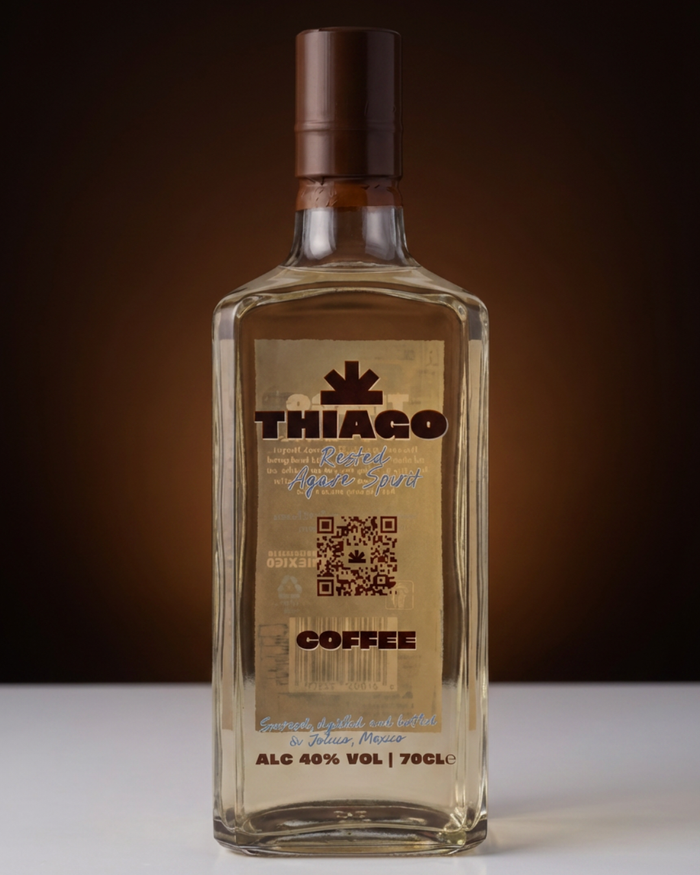
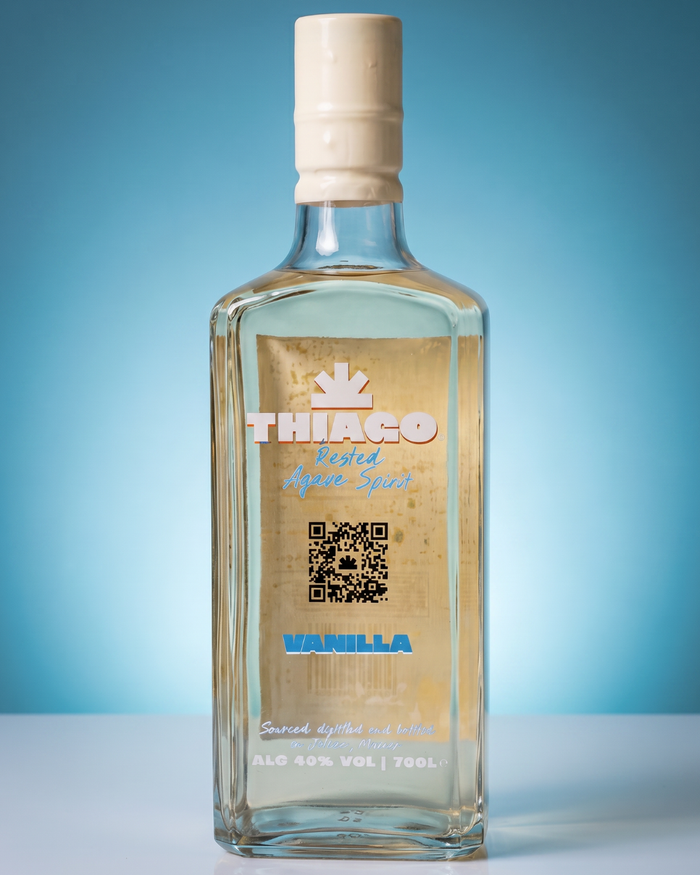
For coffee, look for roast, cocoa and a gentle bitter finish rather than syrup. It should have enough depth for an after-dinner serve, yet remain bright enough to work in a cold coffee cocktail. Vanilla should mirror the softness of rested oak, giving a creamy aromatic lift without becoming cloying. It is one of the easiest profiles to get wrong because familiarity can be mistaken for quality.
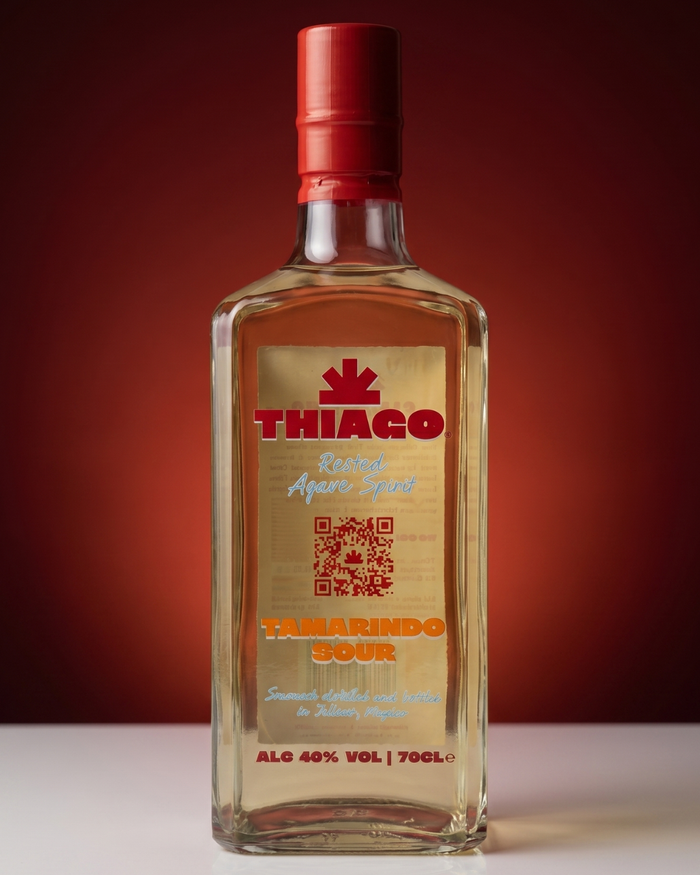
Black cherry tequila is at its best when it brings dark fruit, slight tartness and a lifted aroma, not a candy-shop sweetness. It needs the dry, peppery edge of reposado beneath it. Tamarindo Sour should be judged by its tension: tangy fruit, savoury intrigue and enough agave warmth to keep it grounded. These are not novelty notes when the base is right. They are new ways into a category with genuine heritage.
Thiago Tequila makes that case with a 40% ABV rested agave spirit made from 100% Blue Agave Reposado Tequila from the highlands of Jalisco, enhanced with natural Coffee, Vanilla, Black Cherry and Tamarindo Sour flavours. The point is bold flavour with an adult finish - contemporary enough for the bar, considered enough for the spirits shelf.
Serve the flavour, do not hide it
A premium reposado earns versatility because it has structure. Sip it neat when you want to read the agave and oak clearly. Pour it over quality ice with soda and a citrus peel when you want something longer but still spirit-led. For cocktails, choose ingredients that create contrast rather than piling on sweetness.
Coffee reposado can take cold brew and a small amount of demerara for a dark, clean serve. Vanilla reposado works with cloudy apple and ginger for brightness and spice. Black cherry reposado has the weight for sparkling wine and soda, where bubbles lift the fruit rather than flatten it. Tamarindo Sour belongs with grapefruit soda, fresh chilli or a dry ginger mixer, depending on whether you want tart refreshment or more heat.
The trade-off is straightforward. Complex cocktails can be brilliant, but they can also conceal the reason you bought a premium spirit. Start simple. If a reposado is still interesting with ice and soda, it has earned the right to go further.
The final verdict is in the second pour
A premium reposado should not rely on spectacle. It should reveal quality through precision: real blue agave character, purposeful oak, a composed 40% ABV profile and flavour that stays clean rather than sticky. That standard applies whether you prefer an unflavoured classic or a naturally flavoured expression with more edge.
When choosing your next bottle, trust the one that makes you want another thoughtful sip, not another distraction. The best reposado gives you both a sense of place and a reason to make the night your own.