A bar menu should do more than list what is behind the counter. The best bar menu differentiator ideas give guests a reason to choose your venue over the one next door, make ordering feel easy, and give the team a confident story to tell. That does not require 40 complicated cocktails or a gimmick that disappears after a fortnight. It requires clear points of view.
For modern drinkers, the difference is often in the details: real flavour over syrupy sweetness, serves that look considered without taking ten minutes to build, and a menu that gives every occasion a place. Start there, then make the menu work as hard commercially as it does creatively.
1. Build a signature flavour lane
A menu becomes forgettable when every spirit category looks the same as every other bar in town. A flavour lane gives guests something they can associate with your venue: perhaps bright agave serves, dark-fruit highballs, coffee-led after-dinner drinks, or tart tropical refreshers.
The key is restraint. Pick two or three flavour profiles and repeat them intelligently across the menu rather than trying to cover every possible taste. Black cherry can appear in a tall sparkling serve and a shorter stirred drink; coffee can bridge a dessert-style cocktail and an after-hours pairing. That repetition gives the menu an identity and makes stockholding more manageable.
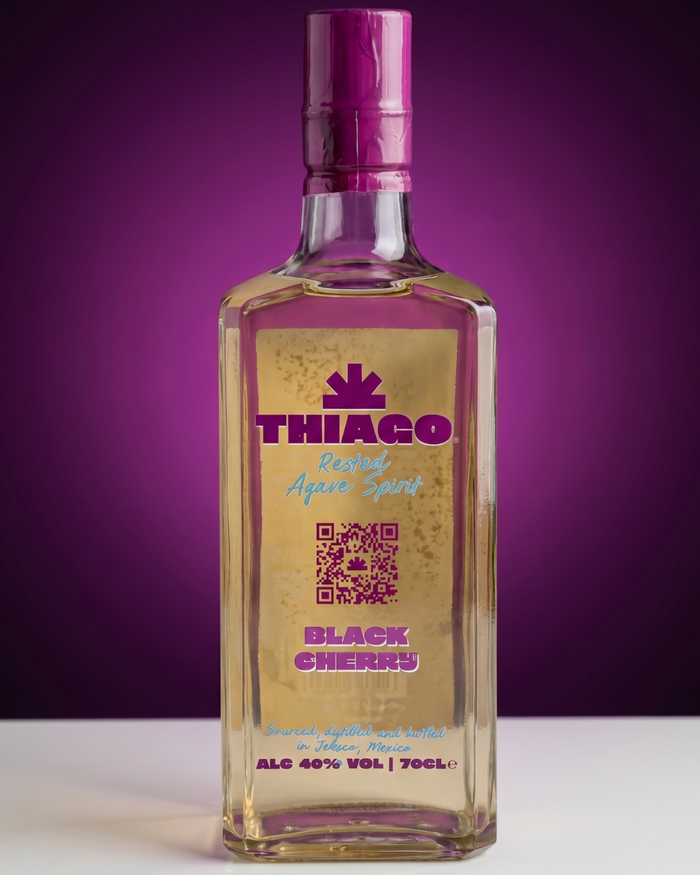
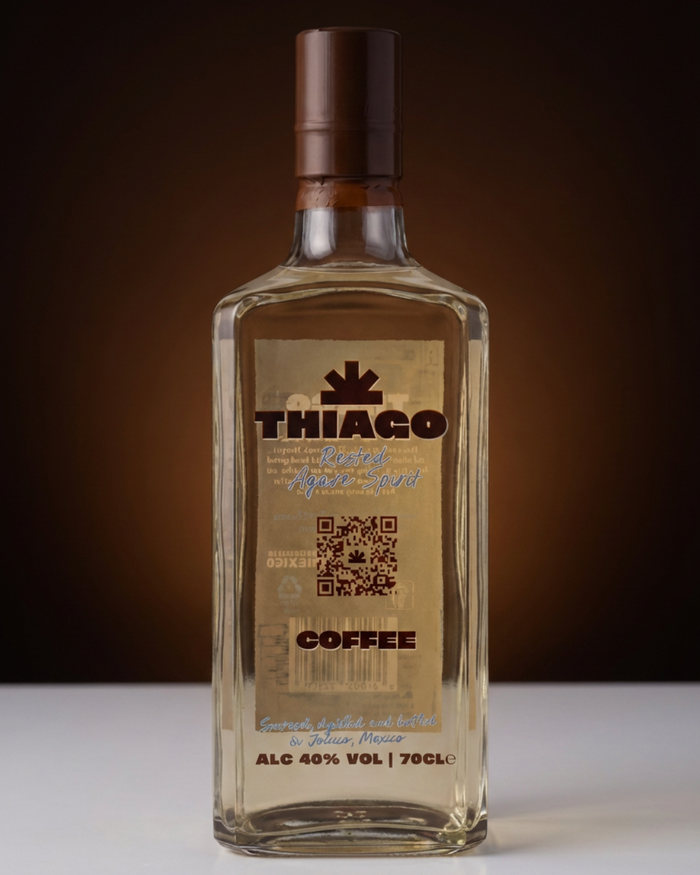
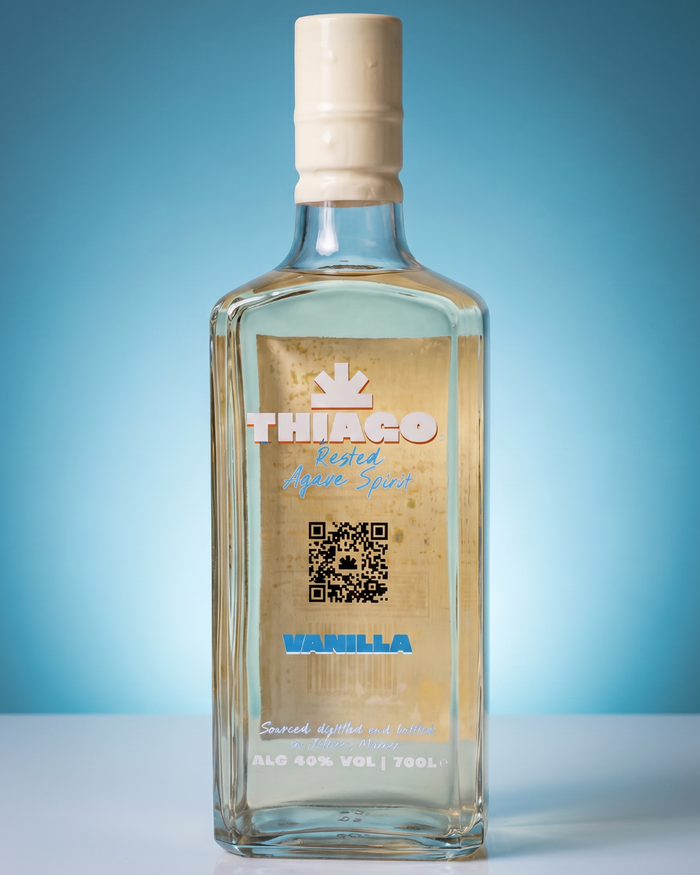
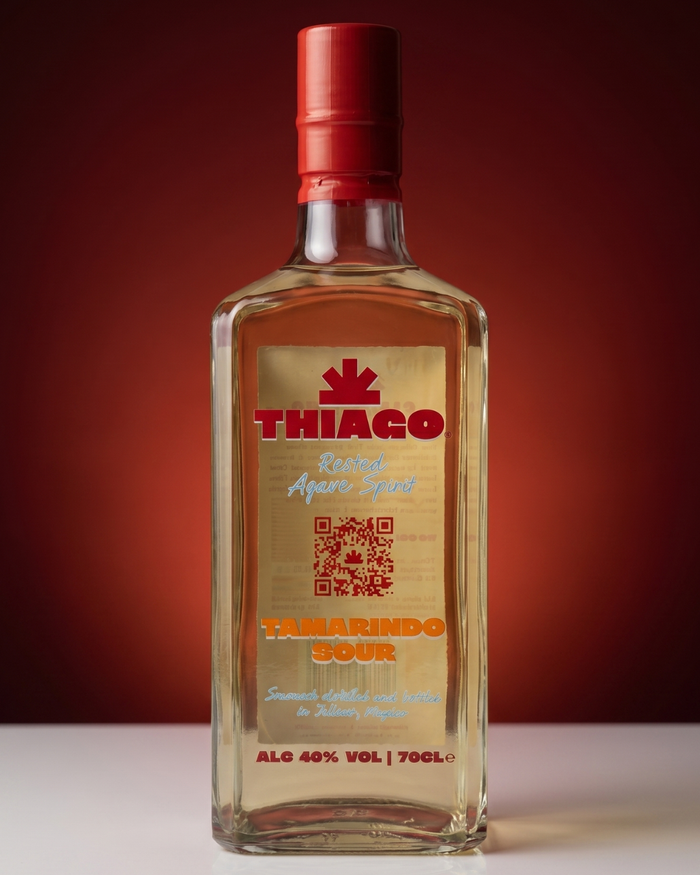
Naturally flavoured reposado tequila is particularly useful here because it brings depth before the bartender adds a dozen modifiers. The flavour has to feel grown-up, though. If the base is quality Blue Agave from Jalisco, the serve can stay clean, crisp and recognisably premium.
2. Give guests a clear route through the menu
Guests do not always order by spirit. They order by mood, timing and confidence. A smart menu helps them find a drink without needing a full consultation at a busy bar.
Instead of dividing everything solely into classics and signatures, consider useful signposts such as Bright & Bubbly, Rich & Indulgent, Fresh & Tart, or Built for the Table. Keep descriptions short and specific. “Tamarindo, pink grapefruit, soda, chilli” tells a guest far more than “a refreshing twist”.
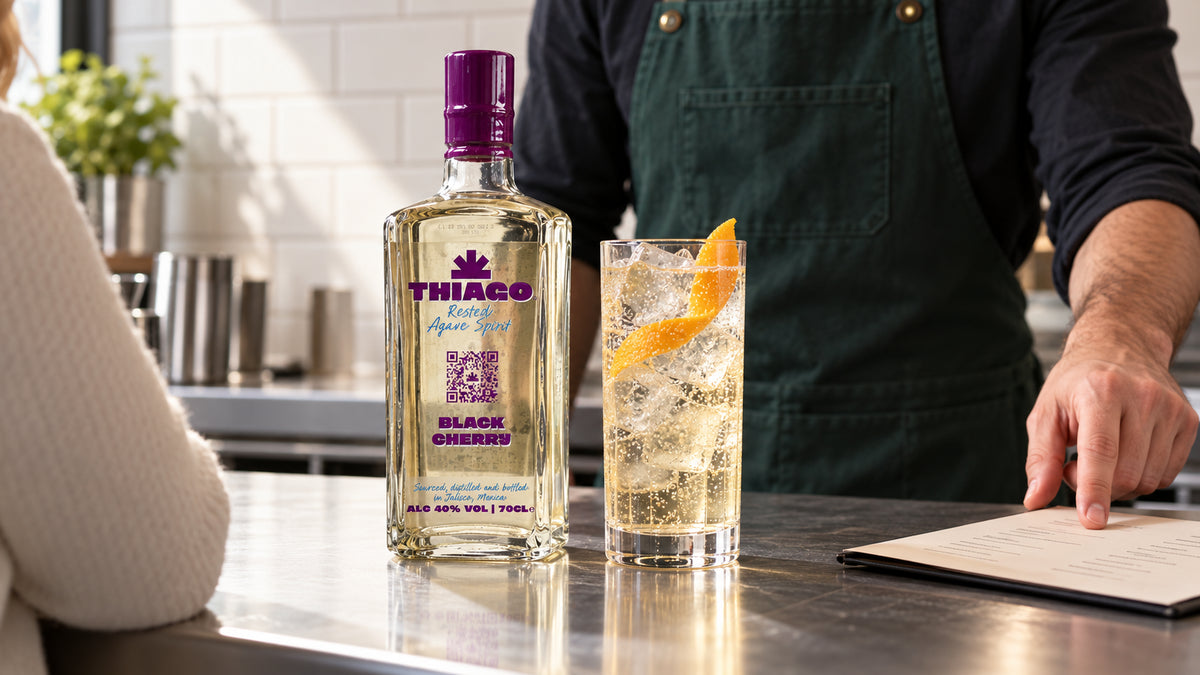
This is one of the most effective bar menu differentiator ideas because it improves the experience without adding labour. It also gives less familiar products a natural entry point. Someone may not arrive intending to order a black cherry tequila cocktail, but they may happily choose it from the Rich & Fruity section.
3. Make the highball your house hero
The highball is commercially powerful for a reason. It is fast, visually clean, easy to reproduce and suited to guests who want a long drink with real flavour. Yet many menus still treat it as an afterthought.
Create a small house highball edit with deliberate glassware, quality carbonation and a garnish that brings aroma rather than clutter. Use a measured build and a repeatable finish so every bartender can deliver the same serve on a packed Friday night. The result should feel like a proper menu choice, not a fallback.
A strong highball also gives a premium flavoured tequila a better stage than a crowded recipe. Coffee with tonic and orange oils can feel dry and unexpected. Black cherry with soda and a bitter aperitif can be elegant rather than overly sweet. Vanilla can work brilliantly with sparkling apple and a pinch of sea salt - used as seasoning, not theatre.
4. Create a two-speed cocktail section
Not every signature needs the same level of complexity. In fact, a menu that treats every drink as a six-ingredient production can slow service and frustrate guests waiting at the bar.
Split your original serves into two clear tiers: quick-build signatures and bartender-led serves. The first should be high-volume drinks that can be built with pace during peak service. The second can feature more technique, distinctive presentation or a seasonal prep, and command a higher price accordingly.
This approach protects consistency while keeping creative energy on the menu. It also helps staff recommend well. A guest heading to a show may want something immediate and refreshing. A group settled into a booth may be ready for a more considered cocktail. Both choices should feel intentional.
5. Use mini formats with a real purpose
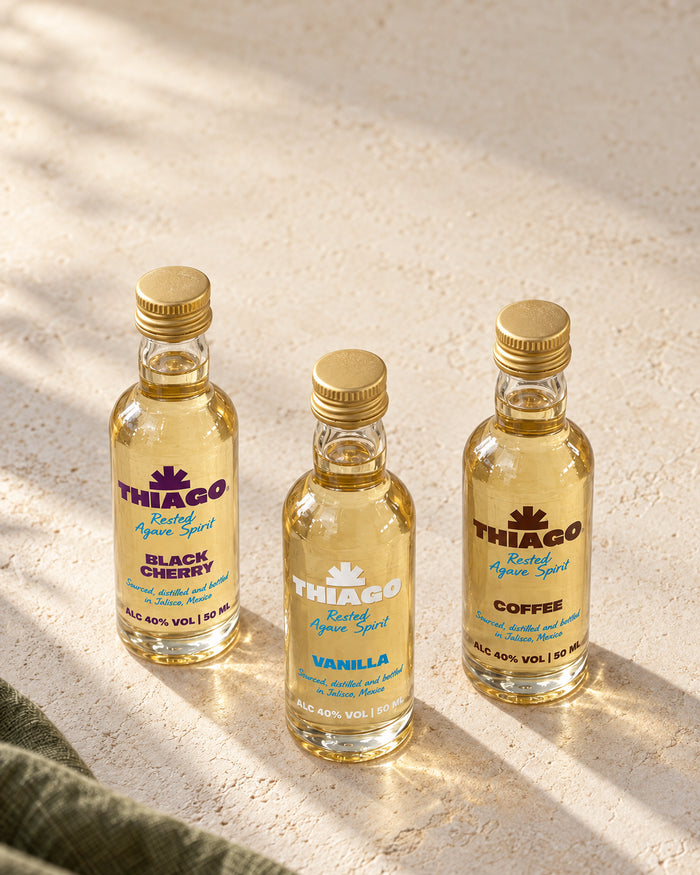
Miniature bottles can be far more than a novelty. A 50ml format is a practical way to bring premium spirits into festival settings, private events, hotel minibars and travel-focused retail. For guests, it creates a neat way to discover a flavour before committing to a full bottle or a longer serve.
On a bar menu, the format works best as part of an experience. Offer a chilled mini alongside a small mixer, or build a compact spritz kit for terrace service and ticketed events. Keep the presentation polished and the choice simple. The appeal is portability and discovery, not clutter.
Thiago Tequila Minis make this particularly credible: 50ml, plane baggage friendly, and designed for people who want to sip, spritz or build a cocktail on the go. For venues with pop-ups, festival partnerships or premium party packages, that flexibility can become a distinct revenue line.
6. Turn provenance into a one-line reason to care
Guests increasingly want to know what makes a bottle worth its place on the back bar. They do not need a lecture. They need one compelling fact, delivered well.
For tequila, “100% Blue Agave Reposado Tequila from the highlands of Jalisco” is meaningful because it speaks to origin, ageing and raw material. Add “natural flavour, zero added sugar, no artificial additives and no colouring” where it is relevant, and the proposition becomes clear: bold flavour without the confectionery profile that puts many drinkers off flavoured spirits.
Use this language in menu copy, but do not overload every description with credentials. Choose one or two proof points that support the drink. A black cherry serve might lead with its dark-fruit character, while a menu key explains the agave provenance and cleaner ingredient approach. The story should sharpen the choice, not slow it down.
7. Design for the camera, but not only for it
A visually strong drink gets noticed. It may earn a post, prompt another order at the table, or give your venue a recognisable visual signature. But a drink built only for a photo often falls apart once the guest takes the first sip.
Prioritise colour, glass shape and garnish that enhance the actual drink. A deep cherry tone against clear ice can look striking without excess decoration. A clean coupe may suit a rich coffee-led serve. A crisp tall glass signals refreshment before a guest tastes it.
There is a trade-off. Highly elaborate garnishes raise costs, slow service and create waste. The best visual decisions are repeatable, flavour-led and realistic for your busiest shift. If a new team member cannot execute it consistently, it may belong in a competition spec rather than on the permanent menu.
8. Train the recommendation, not just the recipe
Your menu is only as distinctive as the way it is introduced. Bartenders do not need a sales script, but they should have a natural answer to three questions: What does it taste like? What makes it different? Who is it for?
A useful recommendation sounds like this: “If you want something fruit-forward but not sweet, try the black cherry highball. It has reposado depth, natural cherry flavour and a dry sparkling finish.” That is precise, inviting and much more effective than saying a drink is “really nice”.
Taste the menu as a team before launch. Give staff the language to describe texture, sweetness, acidity and finish. Then ask what slows them down at the bar. Their feedback may reveal that a beautiful drink needs simpler prep, or that a menu description is too vague to sell.
A differentiated menu is not the loudest list in the room. It is the one guests remember, staff can deliver with conviction, and operators can run profitably week after week. Make each choice feel considered, give flavour a proper point of view, and let the bar become part of the reason people come back.