
Table of Contents
- Authentic Tequila vs Flavored Alternatives: The Core Difference
- Production Methods: Traditional Distillation vs Modern Infusion
- How to Read a Tequila Label and Spot Additives
- Flavor Profiles: Unaged, Reposado, and Infused Options
- Additive-Free Tequila Brands: Quality and Craftsmanship
- Pros and Cons: Which Should You Choose?
- Health and Ingredient Transparency
- Conclusion
Last Updated: August 12, 2026
Authentic Tequila vs Flavored Alternatives: The Core Difference
Authentic tequila and flavored alternatives operate on fundamentally different principles. Authentic tequila starts with 100% Blue Agave, distilled according to strict production standards, with no added syrups or synthetic flavourings. Flavored alternatives begin with a base spirit, often lower-grade tequila or neutral grain spirit, then layer in flavourings, sweeteners, and additives. The distinction is between a spirit that tastes like itself and one designed to taste like something else.
Additive-free spirits are produced without added sugars, syrups, colorants, or synthetic flavourings. The flavour comes entirely from the agave plant, its terroir, and the production method. Flavored alternatives rely on infusions, syrups, and chemical flavourings to create taste, often masking lower-quality base material.
The practical implication: sipping neat or over ice, authentic tequila delivers complexity that flavored alternatives can't match. For cocktails where tequila is one component among many, flavored options might work fine, though they're designed for mixing, not contemplation.
How Flavored Alternatives Are Made
Flavored tequila production begins with a base spirit, then adds flavourings through infusion, maceration, or direct syrup addition. Real-ingredient infusions create more natural results but are labour-intensive and expensive. Most commercial flavored tequilas use concentrated flavour compounds instead.
The syrup-based approach is where cost savings become obvious. A producer can take a neutral, lower-quality spirit and add flavoured corn syrup, colorant, and synthetic compounds to create something that tastes like tequila but isn't. Syrup-based flavored tequilas often leave a cloying residue on the palate, don't mix well in sophisticated cocktails, and are typically higher in calories and sugar content than authentic counterparts.
Production Methods: Traditional Distillation vs Modern Infusion
The production method determines the fundamental character of what you're drinking.
The Distillation Process
Traditional distillation creates authentic tequila. Blue Agave plants are harvested, cooked, fermented with wild or cultivated yeast, then distilled, typically twice, in copper stills. This process concentrates flavour compounds naturally present in the agave, creating a spirit that reflects its origin and the distiller's skill.
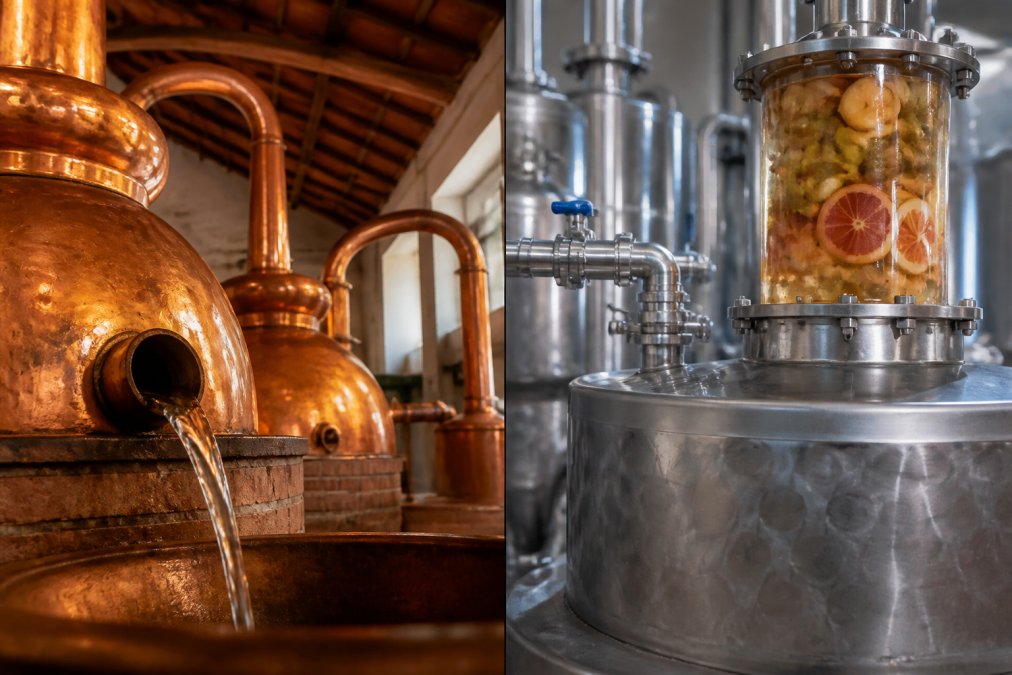
Copper stills remove sulphur compounds that create harsh burns, producing smoother spirits than stainless steel alternatives. Blanco tequilas are bottled immediately after distillation, capturing pure agave flavour. Reposado expressions rest in oak for a minimum of two months, mellowing the spirit and picking up subtle wood notes. Añejo tequilas age at least one year, developing deeper complexity and smoother finish.
Infusion and Flavoring Techniques
Modern infusion techniques introduce new flavours to finished spirits through maceration, steeping, or direct additive injection. Real-ingredient infusions produce more authentic results because flavour compounds come from actual plant material. The challenge is consistency and cost, natural ingredients vary seasonally, making scaling difficult.
Most commercial flavored tequilas use concentrated flavour compounds instead. Syrup-based infusions add flavoured corn syrup or sweetening agents directly to the base spirit, creating fast, cheap, and entirely artificial results.
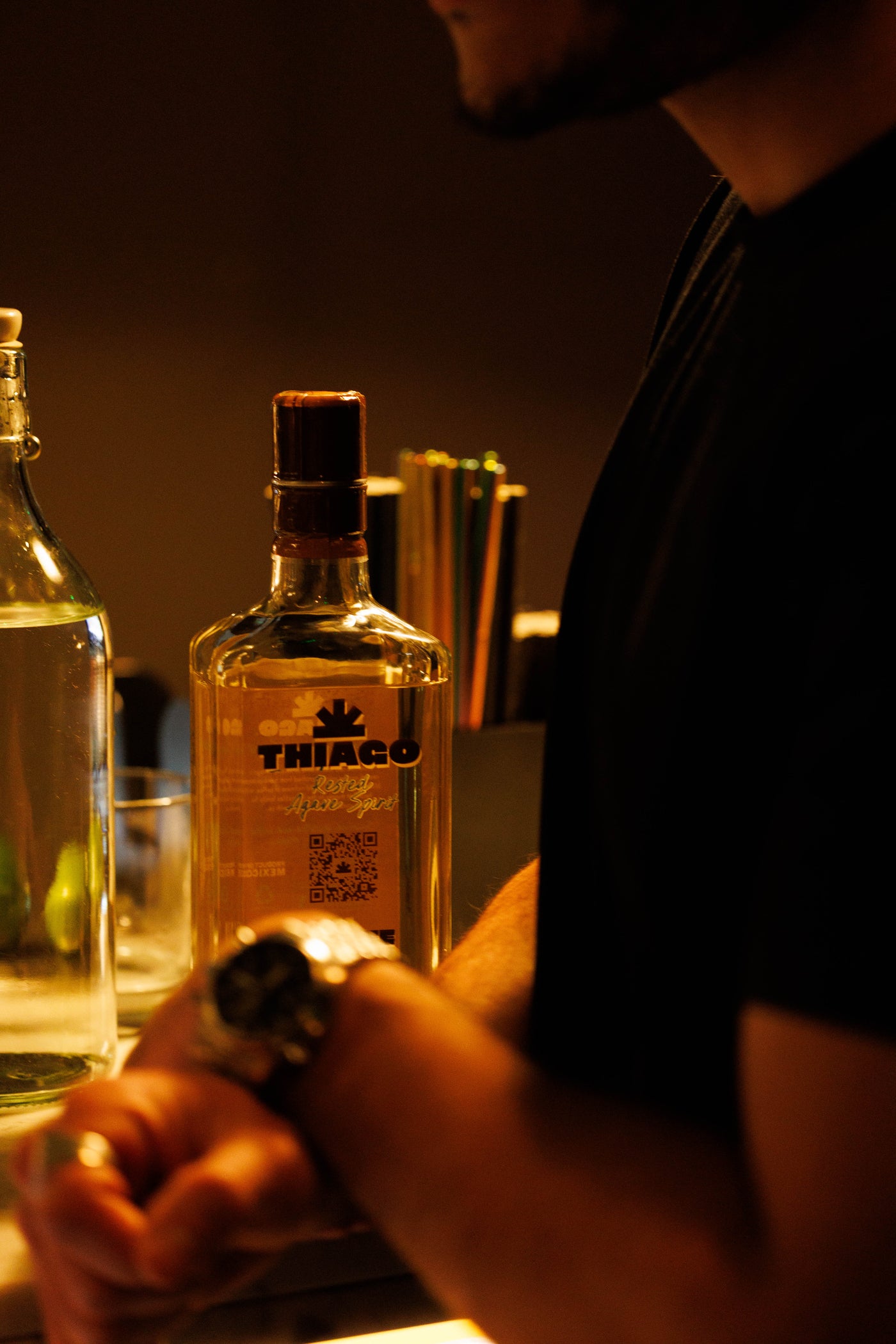
ThiagoTequilaCompany takes a middle path. Our reposado tequila is aged six months in white oak, then infused with real Mexican ingredients, never syrups.
How to Read a Tequila Label and Spot Additives
The label tells you far more than most drinkers realize.
Understanding Labeling Regulations
A bottle labeled "100% Agave" or "100% Blue Agave" must contain only agave sugars, no other sweetening agents. If a label doesn't say 100% agave, it's a mixto tequila, only 51% agave with 49% other sugars, typically corn syrup or cane sugar. Mixto tequilas are cheaper and often harsher.
Authentic tequila must be produced in specific Mexican regions, primarily Jalisco. The label should state the producer's name and location. Age statements tell you how long the spirit rested in oak: Blanco (unaged), Reposado (minimum two months), Añejo (at least one year), or Extra Añejo (at least three years).
Identifying Synthetic Additives and Sugar Content
Look for terms like "caramel colouring," "sugar syrup," "glycerin," or unrecognized ingredients. Authentic tequila needs no colouring; its colour comes from agave and oak aging. Glycerin signals the producer is compensating for deficiencies in the underlying spirit.
Sugar content is rarely listed, but you can infer it from production method. If the label mentions "flavoured with syrup" or uses vague language like "natural flavours," sugar content is likely high. The most transparent producers state exactly what's in the bottle: 100% Blue Agave, aged six months, infused with real Mexican ingredients, no added sugar.
Flavor Profiles: Unaged, Reposado, and Infused Options
Blanco and Unaged Spirits
Blanco tequila captures pure agave flavour in its most vibrant form. Bottled immediately after distillation, it delivers bright, grassy notes with hints of citrus and pepper. The finish is clean but can be sharp, particularly with lower-quality mixto tequilas. Blanco is versatile for cocktails like Margaritas and Palomas, but the alcohol bite makes it less suitable for sipping neat unless you seek that intensity.

Reposado and Aged Expressions
Reposado rests in oak for a minimum of two months, typically six months or longer. This aging mellows the spirit, removes harsh alcohol bite, and introduces subtle notes from the wood, vanilla, caramel, oak spice. This is where authentic tequila truly shines. A quality reposado is smooth enough to sip neat or over ice, yet maintains enough agave character to work beautifully in cocktails.
Añejo tequila, aged at least one year, becomes even smoother with more pronounced wood influence. Some drinkers find it too oaky; others consider it the pinnacle of tequila craftsmanship.
Real Ingredient Infusions vs Syrup-Based Flavoring
Real-ingredient infusions add genuine complexity to aged tequila. A reposado infused with actual vanilla beans picks up natural vanilla compounds, a subtle, nuanced flavour that integrates with the spirit. Syrup-based flavored tequilas add concentrated flavour compounds and sweeteners directly, producing immediate, intense flavour at the cost of authenticity.
try all three minis · £15.99 →
A real-ingredient infusion enhances the tequila; a syrup-based flavored tequila replaces it. Sipping neat or over ice, you'll taste the difference immediately.
Additive-Free Tequila Brands: Quality and Craftsmanship
What Sets Premium Craft Producers Apart
Premium craft tequila producers source agave from specific regions known for quality, use traditional production methods including copper stills and natural fermentation, age spirits properly, and refuse to add syrups or synthetic additives. The result is a spirit that tastes like itself, flavour comes from the agave, terroir, and distiller's skill, not marketing.
Cost is higher, but quality justifies it. A premium craft tequila delivers smoothness, complexity, and authenticity that mass-market alternatives can't match.
Thiago: Real Ingredients, No Syrups
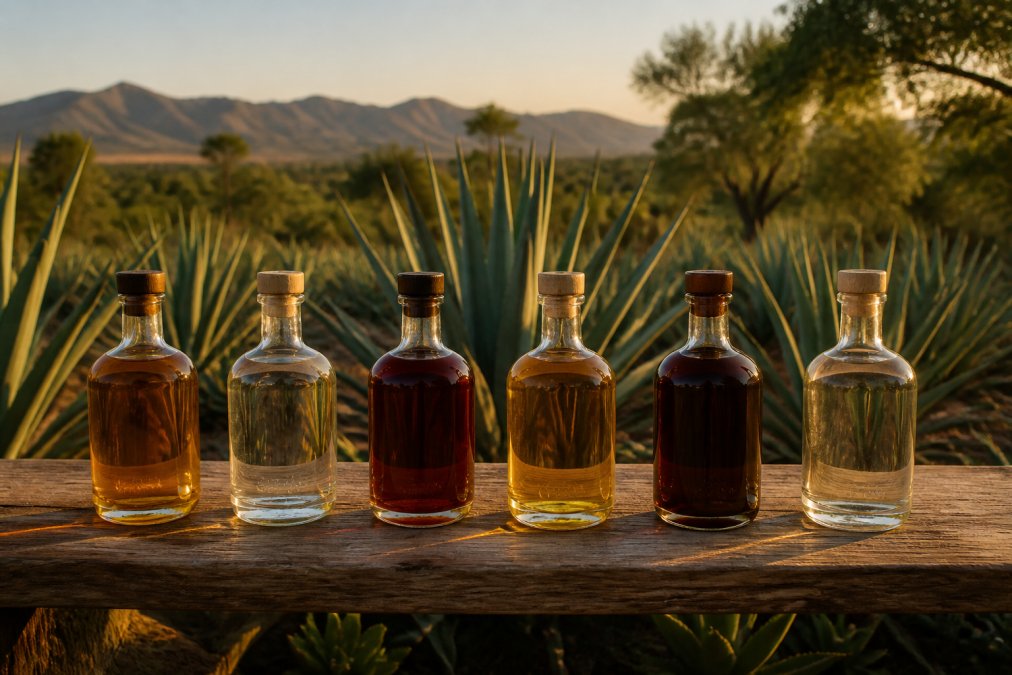
ThiagoTequilaCompany represents this commitment to authenticity. Our 100% Blue Agave Reposado Tequilas are sourced, distilled, and bottled in the highlands of Jalisco. Each expression is aged six months in white oak, then infused with real Mexican ingredients rather than syrups.
Our Black Cherry expression uses actual cherry rather than cherry-flavoured syrup, delivering genuine smoothness with real fruit notes that integrate with the spirit. No added sugar. No artificial aftertaste. Our Vanilla expression uses real vanilla pods, creating complexity that syrup-based alternatives can't achieve. Our Coffee expression has become the go-to base for Espresso Martinis at premium venues, including Albert's Schloss across Manchester, London, Birmingham, and Liverpool, because it delivers genuine coffee flavour without cloying sweetness.

Comparing Smoothness and Finish
Smoothness comes from three factors: agave quality, production method, and aging process. Lower-quality mixto tequilas are harsh because they're made from inferior agave and contain added sugars. Premium craft tequilas achieve true smoothness through meticulous attention to every production stage.
The finish, the aftertaste that lingers after swallowing, is equally important. A harsh finish indicates lower quality or additives. A smooth, clean finish suggests authentic production. When comparing options, notice whether the finish is clean or cloying, whether flavour tastes natural or artificial, and whether smoothness comes from genuine aging or added glycerin.
Pros and Cons: Which Should You Choose?
When Authentic Tequila Wins
Authentic tequila is the clear winner when sipping neat or over ice. The smoothness, complexity, and clean finish simply can't be replicated by flavored alternatives. For health-conscious drinkers, authentic tequila contains no added sugar, no artificial sweeteners, no additives.
For sophisticated cocktails, authentic tequila provides a foundation that elevates the entire drink. Margaritas made with quality blanco tequila taste fundamentally different from those made with mixto or flavored alternatives. For those seeking to understand tequila as a category and develop their palate, authentic tequila is essential.
When Flavored Alternatives Make Sense
Flavored alternatives have legitimate use cases. If you're mixing cocktails where tequila is one component among many strong flavours, the distinction matters less. For casual mixed drinks at social events where cost is a priority, flavored alternatives are acceptable.
Some drinkers genuinely prefer the sweeter taste of flavored alternatives. If your palate gravitates toward sweetness, there's no shame in choosing what you enjoy. But be honest: you're choosing a flavored spirit that happens to contain tequila, not tequila itself.
Health and Ingredient Transparency
Sugar Content and Digestive Impact
Authentic tequila contains no added sugar. The fermentation process converts agave's natural sugars into alcohol, leaving minimal residual sugar. A standard serving contains negligible sugar and roughly 100 calories from alcohol.
Flavored alternatives, particularly syrup-based versions, contain significant added sugar. A standard serving can contain 5-15 grams of added sugar. The added sugar affects how your body processes alcohol, potentially leading to faster intoxication and worse hangovers. Authentic tequila passes through the digestive system without the complications that added sugar introduces.
Artificial Sweeteners vs Natural Agave
Some flavored tequilas use artificial sweeteners instead of sugar, avoiding caloric and blood sugar impact but introducing synthetic compounds. The taste is often noticeably artificial, and some people report digestive sensitivity.
Natural agave, used in authentic tequila, contains no added sweeteners. For drinkers seeking maximum transparency and minimal additives, this is the only acceptable option.
Choosing between authentic tequila and flavored alternatives comes down to what you value in a spirit. If smoothness, authenticity, and ingredient transparency matter to you, authentic tequila, particularly premium expressions like those from ThiagoTequilaCompany, delivers uncompromising quality. Our 100% Blue Agave Reposado range, infused with real Mexican ingredients and free from added sugar, offers the smoothness and versatility you're seeking. Try all three minis for £15.99 with free delivery, and experience the difference genuine craftsmanship makes.
| Aspect | Authentic Tequila | Flavored Alternatives |
|---|---|---|
| Base Spirit | 100% Blue Agave | Often mixto or neutral grain |
| Flavouring Method | Aging in oak, real ingredients | Syrups or synthetic compounds |
| Added Sugar | None | Typically 5-15g per serving |
| Smoothness | From aging and quality | From additives and glycerin |
| Taste Profile | Complex, authentic agave | Artificial, masked base spirit |
| Best Use | Sipping neat or premium cocktails | Mixed drinks, casual entertaining |
| Health Impact | Minimal additives | Added sugar and synthetic compounds |
| Price Point | Premium | Budget to mid-range |
Frequently Asked Questions
What is the difference between 100% agave tequila and flavored alternatives?
100% agave tequila is made entirely from blue Weber agave through fermentation and distillation, containing no added syrups or synthetic flavoring. Flavored alternatives are often based on mixto (51% agave) or blended spirits, with synthetic additives, glycerin, or caramel coloring added post-distillation. Authentic tequila delivers the terroir and natural agave character; flavored versions prioritise sweetness and ease of drinking. Additive-free brands like Thiago infuse real Mexican ingredients into 100% agave reposado, creating genuine flavor without artificial additives.
How do I identify additive-free tequila on the label?
Look for '100% Agave' or '100% Blue Agave' on the front label, which guarantees no mixtos or syrups. Check the ingredient list for 'natural flavoring' or specific ingredients (vanilla, coffee, black cherry) rather than vague terms like 'flavoring compound' or 'caramel coloring'. Verify the producer's location, authentic tequila must be made in Jalisco or designated regions. Avoid labels listing 'added sugars,' 'high fructose corn syrup,' or 'artificial sweeteners.' Premium additive-free brands will transparently state their infusion method and ingredient sourcing.
Why do some tequilas taste smoother than others?
Smoothness depends on agave quality, fermentation length, distillation method, and aging. 100% blue agave spirits are naturally smoother than mixtos because they contain more complex sugars and fewer harsh congeners. Reposado tequilas aged 6 months in oak develop rounded mouthfeel and vanilla notes that mask the alcohol burn. Traditional copper pot distillation produces smoother spirits than industrial column stills. Real ingredient infusions like those in Thiago's range integrate seamlessly into the base spirit, creating a cohesive palate rather than the synthetic bite of syrup-based flavoring.
Are flavored tequila alternatives considered real tequila?
Not all flavored spirits are legally classified as tequila. Only spirits made in designated Mexican regions from at least 51% blue agave can carry the 'tequila' label. Many strawberry creams or syrup-infused brands are technically liqueurs, not tequila. Authentic additive-free brands like Thiago use 100% agave as the base and infuse with real Mexican ingredients, maintaining tequila classification while delivering genuine flavor. Always check labeling, if it says 'tequila-flavored' or 'liqueur,' it's not true tequila.
This article was written using GrandRanker