Order a flavoured vodka soda in one bar and a reposado tequila serve in the next, and you can taste the gap in ambition straight away. The conversation around tequila versus flavoured vodka is not really about which bottle shouts loudest from the back bar. It is about what is actually in the glass, how it is made, and whether flavour has been built with care or simply piled on top.
For drinkers who want more from a flavoured spirit, that difference matters. Not every flavoured bottle is created equal. Some are designed to taste quick, sweet and obvious. Others start with a proper spirit, then layer in flavour without flattening its character. If you care about quality, authenticity and a cleaner finish, tequila and flavoured vodka sit in very different places.
Tequila versus flavoured vodka starts with the base spirit
The biggest difference is the liquid underneath the flavouring. Vodka is typically valued for neutrality. That is the point. It is distilled to be clean and stripped back, which makes it easy to infuse, blend and sweeten. Flavoured vodka often leans on that blank-canvas quality. The base spirit is there to carry flavour, not to contribute much identity of its own.
Tequila works differently. True tequila is made from blue agave and, when it is produced well, the agave is not something to hide. It brings depth, texture and a distinct sense of place. Reposado tequila adds another layer, with time in cask softening the edges and introducing rounded notes that give the spirit more shape.
That means a flavoured tequila built on a proper reposado starts from a position of strength. The flavour is not covering an anonymous spirit. It is interacting with one that already has weight, structure and provenance.
Why flavour lands differently
Flavoured vodka can be bright and fun, but it often aims for instant impact. Think confectionery profiles, exaggerated fruit, and sweetness that arrives early and stays a bit too long. There is a market for that, clearly. On a busy night out, some people want exactly that style.
But there is a trade-off. When flavour is pushed hard and the base spirit is neutral, the result can feel one-dimensional. You get the headline note and not much underneath it. One sip tells the whole story.
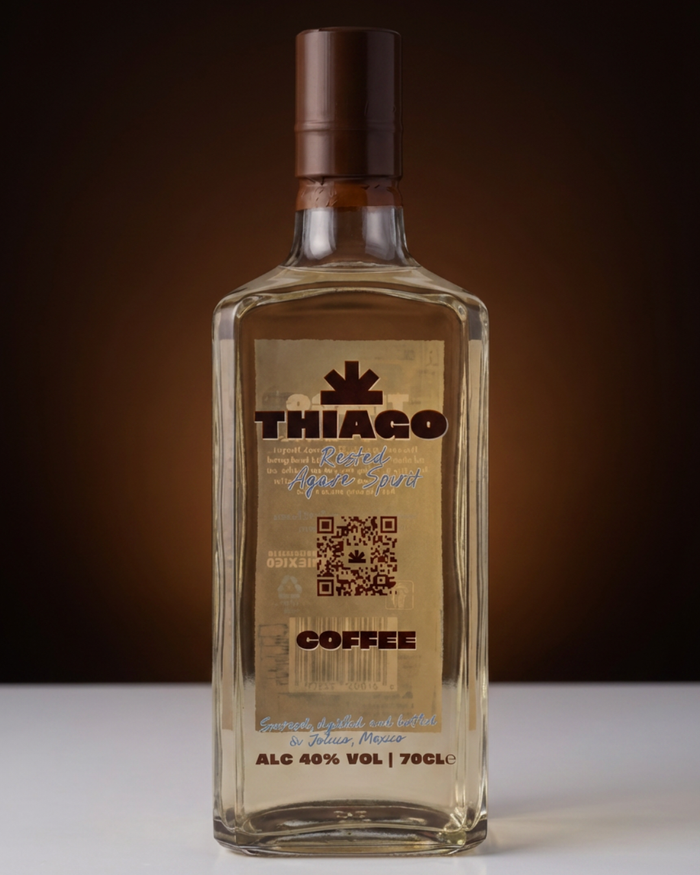
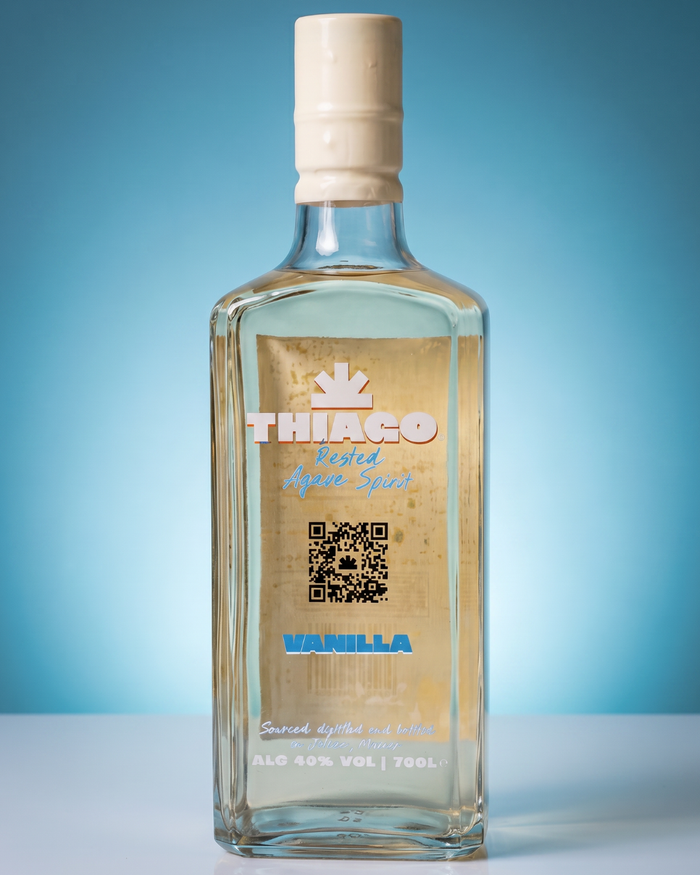
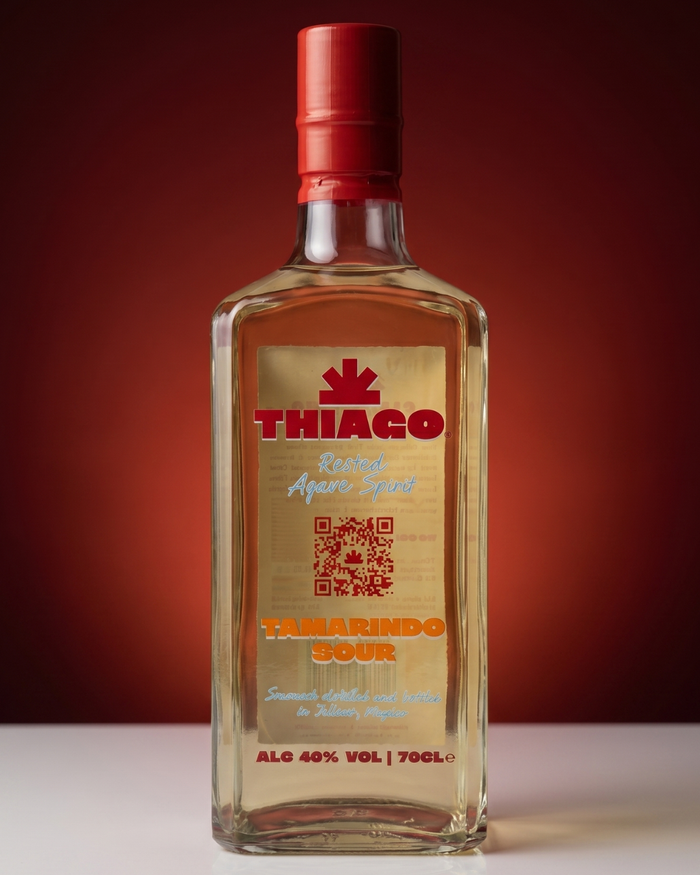
Flavoured tequila has more room to move. Coffee on top of reposado can feel dark, warm and dry rather than sticky. Vanilla can read smooth and layered instead of syrupy. Black cherry can bring fruit depth without turning medicinal. Tamarindo sour can cut through with proper tension rather than tasting like a sweet-shop shortcut.
That is where premium flavoured tequila starts to separate itself. It can still be bold. It just does not have to be loud for the sake of it.
Sugar, additives and what drinkers notice now
A lot of consumers have become sharper about labels. They want flavour, but they are also paying attention to sugar, artificial additives and colouring. That has changed the flavoured spirits category. Sweetness is no longer automatically seen as quality. In many cases, it is the thing putting people off.
Flavoured vodka has long been associated with heavily sweetened serves, especially at the mainstream end of the market. That does not mean every flavoured vodka is overloaded, but the category has earned a reputation for sweetness first, spirit second.
Tequila has an opportunity here, especially when it is naturally flavoured and built without added sugar. The finish tends to feel cleaner, the flavours more defined, and the drink more useful across different occasions. You can pour it simply, mix it confidently and still recognise the spirit.
For a modern drinker, that balance is a smarter choice. You do not need to sacrifice flavour to avoid a syrupy profile.
Tequila versus flavoured vodka behind the bar
From a hospitality perspective, these two categories do different jobs. Flavoured vodka is easy to place because guests already understand it. It drops neatly into simple mixed drinks, and bars know how to shift it. But easy does not always mean memorable.
Premium flavoured tequila brings more personality to a menu. It gives bartenders a base with flavour already built in, but still enough integrity to work in elevated serves. That matters in venues where every bottle has to earn its position. If a spirit can move between neat pours, highballs and cocktails without losing its premium edge, it becomes far more useful.
There is also a visual and cultural factor. Tequila carries energy. It feels contemporary, social and relevant in a way that some flavoured vodka brands now struggle to match. For bars trying to keep their list current, tequila has momentum. For drinkers looking for something that feels premium rather than predictable, it has appeal.
Authenticity is not a side detail
One reason tequila stands apart is that origin is part of the product. Authentic tequila comes from Mexico, from a defined raw material, with a protected identity. That gives it a foundation flavoured vodka does not naturally have. Vodka can be well made, certainly, but it rarely carries the same sense of place.
For premium buyers, that provenance counts. It shapes the story, but more importantly, it shapes the liquid. A tequila made from 100% blue agave reposado has a credibility that cannot be engineered through branding alone.
This is exactly why naturally flavoured tequila feels more current than old-school flavoured spirits. It answers two demands at once. People want distinctive flavour, and they want products with real roots. A tequila that is sourced, distilled and bottled in Jalisco, then enhanced with natural flavour, speaks to both.
Which is better for sipping and simple serves?
If the question is pure versatility, tequila has the stronger case. A premium reposado with natural flavour can be bold enough to enjoy neat, especially if the flavour is integrated rather than sugary. It can also handle simple serves without disappearing.
Flavoured vodka tends to be more mix-dependent. Because the base is neutral, the drink often relies on the mixer to create shape and interest. On its own, it can feel a bit linear. In a long drink, that may be fine. In a more stripped-back serve, the limitations show.
This is where quality separates premium flavoured tequila from novelty. If the spirit has body, depth and a dry enough finish, it does more than one thing well. It works for the guest who wants a clean highball and for the one who wants to sip something with character.
It depends on what you want from flavour
There is no point pretending flavoured vodka has no place. If someone wants a straightforward, sweet, familiar pour for easy mixing, it can absolutely deliver. It is accessible, often lower-risk for casual drinkers, and widely recognised.
But if the brief is more ambitious - better ingredients, more depth, less sugar, stronger provenance, and flavour that still respects the spirit - tequila is in a different league. Not all flavoured tequila reaches that standard, of course. If it is overloaded with sweeteners or built without care, it falls into the same trap. The category only wins when the tequila itself remains central.
That is why the best examples feel disruptive in the right way. They offer flavour innovation without compromising quality. One premium expression doing this well is Thiago Tequila, which takes 100% Blue Agave Reposado Tequila from the highlands of Jalisco and builds natural flavour into the spirit without added sugar, artificial additives or colouring. That model is where the category gets interesting.
The real decision at the shelf
Tequila versus flavoured vodka is really a choice between two ideas of flavour. One treats flavour as a shortcut. The other treats it as an extension of a spirit with something to say already.
If you want a bottle that feels easy, sweet and familiar, flavoured vodka still has a lane. If you want depth, authenticity and a more polished drinking experience, premium flavoured tequila is moving the conversation on. It feels cleaner, sharper and far more in step with how people are drinking now.
The better question is not which category is louder. It is which one still tastes like it respects the person drinking it.