A great agave pour should tell you where it came from before it tells you what to mix it with. That is the real point behind tequila versus agave spirit: one is a tightly protected Mexican category with clear production rules; the other is a wider description that can mean very different things in the bottle.
For drinkers who care about flavour, provenance and a cleaner finish, the distinction is more than bar trivia. It shapes the agave used, the place of production, the way a spirit is aged, and whether a bold flavour profile feels genuinely considered or simply sweetened up.
Tequila versus agave spirit: the short answer
Tequila is an agave spirit, but not every agave spirit is tequila. Think of tequila as a specific expression within a much bigger family.
To carry the name tequila, a spirit must meet Mexican regulations. It must be made from Blue Weber Agave, produced in designated areas of Mexico - principally Jalisco, alongside limited municipalities in several surrounding states - and made according to the category’s recognised production standards. A tequila labelled 100% agave is made solely from sugars derived from Blue Weber Agave.
Agave spirit, by contrast, is a broad term. It can refer to tequila, mezcal, raicilla, bacanora, sotol-adjacent serves that appear on menus, or a spirit simply made using agave outside tequila’s protected designation. The detail on the label matters. “Agave spirit” does not automatically tell you which agave was used, where it was made, whether it was matured, or how much care has gone into the finished liquid.
That does not make one category inherently better than another. It means they should not be treated as interchangeable. A smoky mezcal, for example, is designed to speak very differently from a bright highland reposado tequila. Both can be exceptional. They just have different rules, raw materials and personalities.
What makes tequila distinct
Tequila begins with Blue Weber Agave, a plant that takes years to mature. The harvested heart of the plant, known as the piña, is cooked to convert its natural carbohydrates into fermentable sugars. It is then crushed, fermented and distilled. The liquid may be bottled unaged or rested in oak, depending on the style.
The production process has room for real variation. Cooking methods, fermentation choices, water source, distillation cuts and barrel selection all influence the final profile. That is why two tequilas with the same age statement can taste miles apart.
Highlands character has a point of view
Jalisco’s highlands are especially prized for their red, mineral-rich soils and higher elevation. Blue agave grown there is often associated with generous cooked-agave character, lifted fruit notes and a rounded texture. It is not a shortcut to quality - careful production still decides the bottle - but it gives producers a distinctive starting point.
For a contemporary drinks cabinet, that highland profile works brilliantly. It has enough presence to enjoy neat, enough freshness for a long serve, and enough depth to hold its own in a cocktail without disappearing behind mixers.
100% agave is a meaningful signal
When a bottle says 100% Blue Agave Tequila, it signals that all fermentable sugars used in production come from Blue Weber Agave. This is different from mixto tequila, which is permitted to use a proportion of other sugar sources under the regulations.
The phrase is not a substitute for personal taste. Some drinkers may prefer a particular mixto in a familiar mixed serve. But for those seeking a more direct expression of agave, 100% agave tequila is the category to look for.
Where reposado fits in
Reposado means “rested”, and it is where freshness meets structure. By definition, reposado tequila is matured in oak containers for a minimum period, gaining subtle barrel influence while retaining the character of the agave.
Expect the raw brightness of tequila to soften into warmer notes: vanilla bean, gentle spice, toasted wood and a silkier mouthfeel. The best examples do not bury the agave under oak. They let it broaden.
This balance makes reposado one of the most versatile styles in the category. Blanco is often all energy and immediacy. Añejo moves further into oak-led richness. Reposado sits in the middle, equally at home as a refined sip or the backbone of a serious cocktail.
It also explains why a well-made reposado base is such a smart foundation for natural flavour. When the underlying tequila has character, flavour can be layered on top rather than used to disguise a thin spirit.
Flavoured tequila and flavoured agave spirits are not the same thing
This is where labels deserve a closer look. Once flavour is introduced, the legal description on a bottle can change depending on the formulation and market. A product may be described as a tequila-based spirit drink or a naturally flavoured agave spirit rather than simply tequila. That wording is about category compliance, not necessarily a compromise on quality.
The question to ask is simpler: what is underneath the flavour?
A premium flavoured agave spirit should begin with credible tequila, not neutral alcohol dressed up with artificial flavouring and sugar. It should still carry cooked agave, oak character and a proper 40% ABV structure. Then the flavour should bring contrast, lift or depth without turning the drink into a syrupy novelty.
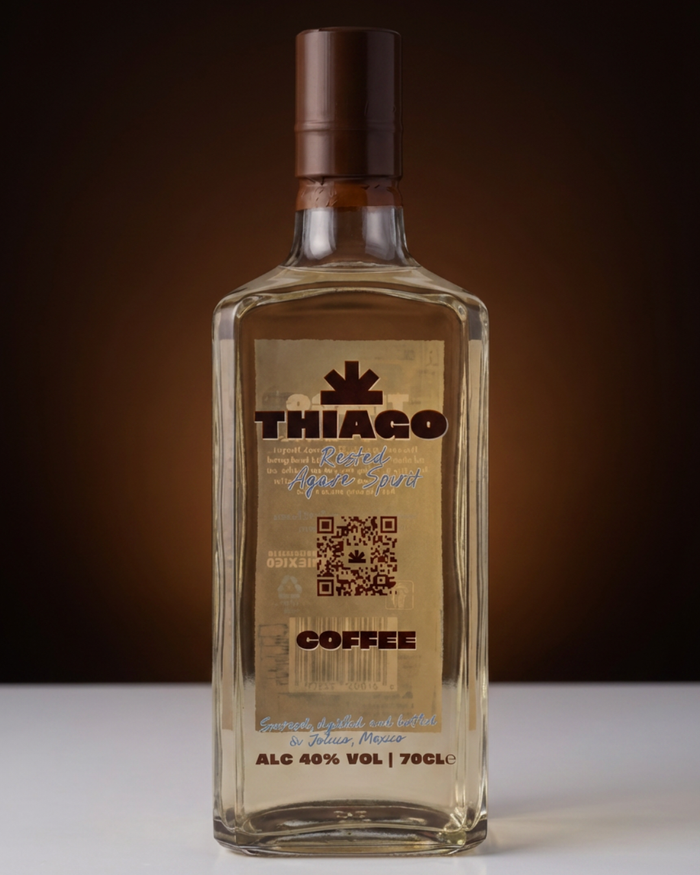
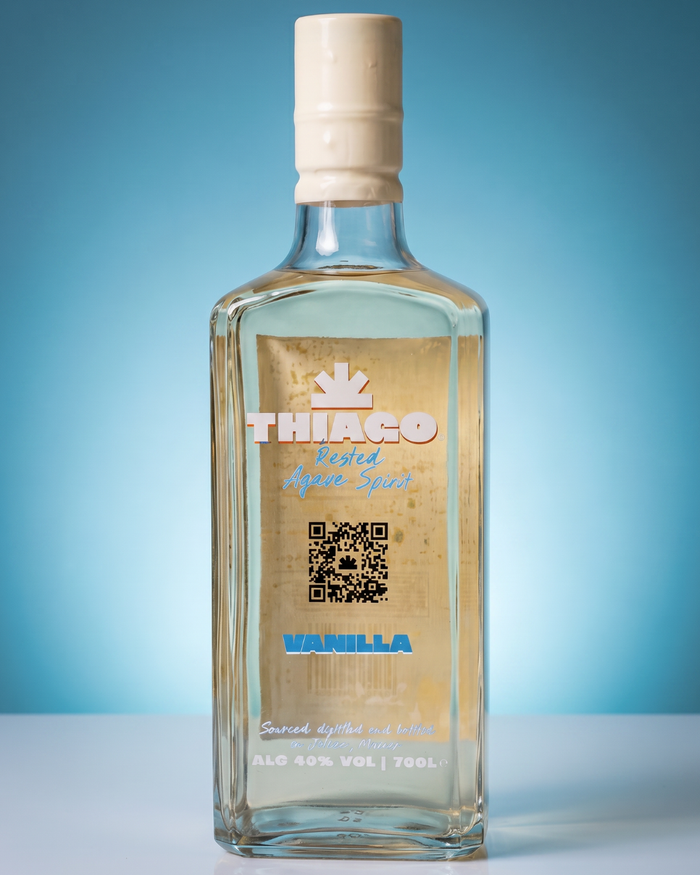
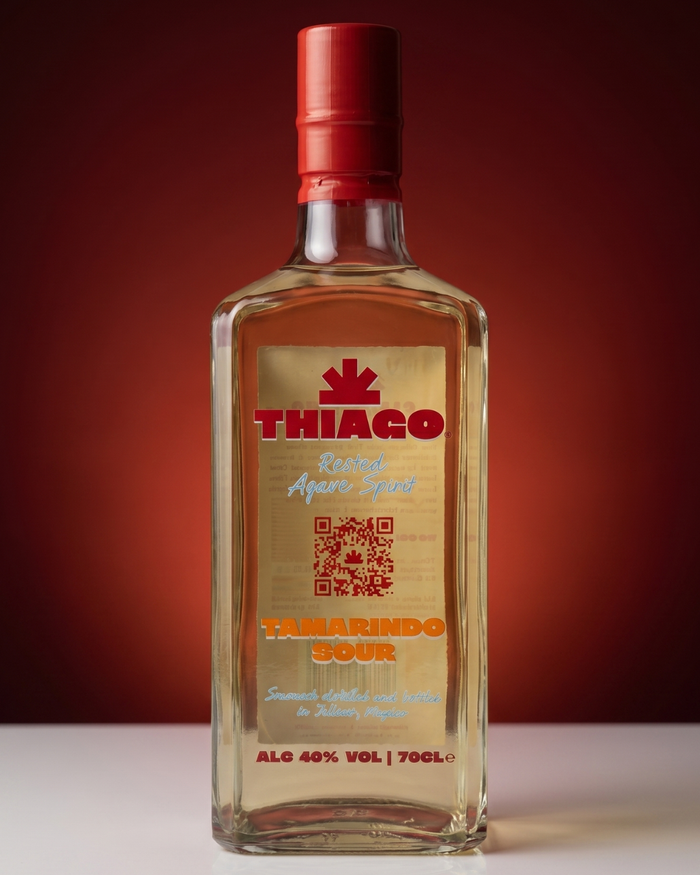
Coffee can add roasted bitterness and late-night edge. Vanilla can amplify a reposado’s natural barrel warmth. Black cherry can bring dark fruit and acidity when handled with restraint. Tamarindo Sour can lean into sweet-sour tang, spice and energy without flattening the spirit beneath it.
Zero added sugar, no artificial additives and no colouring are not empty lifestyle claims when they protect the drinking experience. They help keep the finish clean and the flavour recognisable. The result should be bold enough to enjoy neat, not something that only works once buried in a heavily sweetened serve.
How to choose the right bottle for the moment
If you want the clearest possible expression of Blue Weber Agave, reach for an unflavoured 100% agave tequila and pay attention to whether it is blanco, reposado or añejo. If you want smoke, wild-herb character or a more regional style, explore other agave categories on their own terms rather than expecting them to taste like tequila.
If the plan is a social occasion, a flavour-led reposado-based agave spirit can be the more interesting move. It gives you a defined flavour direction without sacrificing strength or quality. Build around the profile rather than fighting it: pair coffee with cold brew and tonic, black cherry with soda and a twist of orange, or tamarindo with sparkling water and fresh ginger.
The occasion matters too. A bottle for slow conversation calls for complexity and texture. A house party needs versatility. A festival weekend rewards smart format as much as great liquid. Thiago Tequila Minis bring 50ml serves of naturally flavoured reposado-based agave spirit for sipping, spritzing or quick cocktails on the move. Their size is cabin-bag friendly under the usual 100ml liquid-container limit, subject to airport and airline security rules.
Read beyond the front label
A premium-looking bottle can still be vague. Turn it around and look for specific, useful information: the agave type, Mexican origin, tequila base, ABV, ageing style and ingredient approach. Clear details suggest a producer has something worth saying.
Be equally alert to the flavour promise. “Natural flavour” does not mean every product will suit your palate, but it is a more purposeful starting point than an artificially coloured, heavily sweetened profile. At 40% ABV, a reposado-based flavoured spirit also has the body to stay present in a drink, rather than reading like a liqueur.
The smartest choice is not to declare tequila the winner over every agave spirit. It is to choose with intent: respect tequila for the protected, Blue Agave category it is, explore other agave spirits for their own distinctive traditions, and demand more from flavour when it enters the picture. Your glass should taste like a decision, not a distraction.