Tequila marketing has a problem when it treats every bottle like a party prop. Premium drinkers have moved on from one-note messaging. They want to know where a spirit comes from, what is in it, how it tastes at 40% ABV and whether it earns a place in a considered serve. The brands winning attention are not shouting louder. They are giving people a sharper reason to choose.
For modern tequila brands, the opportunity sits where heritage and flavour innovation meet. Mexico matters. Blue Agave matters. So does the confidence to create something contemporary without covering up the character that made tequila worth drinking in the first place.
Tequila marketing starts with a product truth
The strongest campaigns do not invent a personality and then look for a product to support it. They begin with a truth that is specific enough to be believed and clear enough to repeat.
For a premium flavoured reposado, that truth might be the combination of 100% Blue Agave Reposado Tequila, highland Jalisco provenance, natural flavour and a full 40% ABV. It is not a sweetened shortcut designed to disguise weak spirit. It is tequila with a new direction.
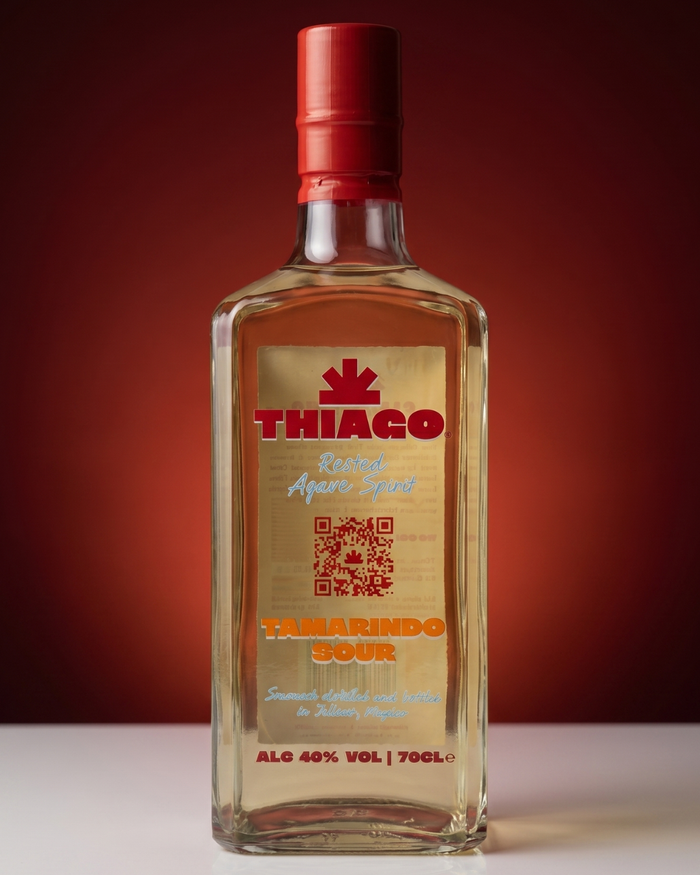
That distinction should shape every product description, trade conversation and social post. Say what the drink is, where it is made and why the flavour belongs there. Coffee can bring roasted depth. Vanilla can round out oak-led warmth. Black cherry can add dark fruit and brightness. Tamarindo Sour can bring a tangy, mouth-watering edge. The point is not to claim that every flavour suits every palate. The point is to show that flavour can be deliberate, balanced and grown-up.
Clean credentials have weight too, but only when they are connected to taste. Zero added sugar, no artificial additives and no colouring tell a useful story for consumers tired of syrupy flavoured spirits. They should not be presented as a bland checklist. Frame them as proof that the agave and the flavour are being allowed to do the work.
Sell the place, not a stereotype
Jalisco is not a decorative detail. It is the source of a premium tequila story. Marketing should give the region enough room to feel real: the highlands, Blue Agave, distillation and reposado ageing all help explain why the liquid has presence before natural flavour is introduced.
That does not require a history lesson in every caption. It means choosing detail over vague claims of quality. A bar manager deciding what deserves a back-bar position needs a concise, credible answer. A shopper comparing bottles needs to understand why this is not just another flavoured option. Mexican production heritage, 100% Blue Agave and a rested tequila base provide that answer.
There is a trade-off. Lean too heavily on origin and the brand can feel distant or overly formal. Lean too heavily on nightlife and bold design, and it can start to look like every other short-lived trend. Premium tequila marketing works when it lets both signals coexist: genuine Jalisco roots, expressed with current energy.
Make flavour the invitation, not the whole argument
Flavour is usually what gets a new customer to pause. It should not be the only reason they buy. The best flavoured tequila UK shoppers are looking for is often flavour-led, but they still expect a proper spirit underneath it.
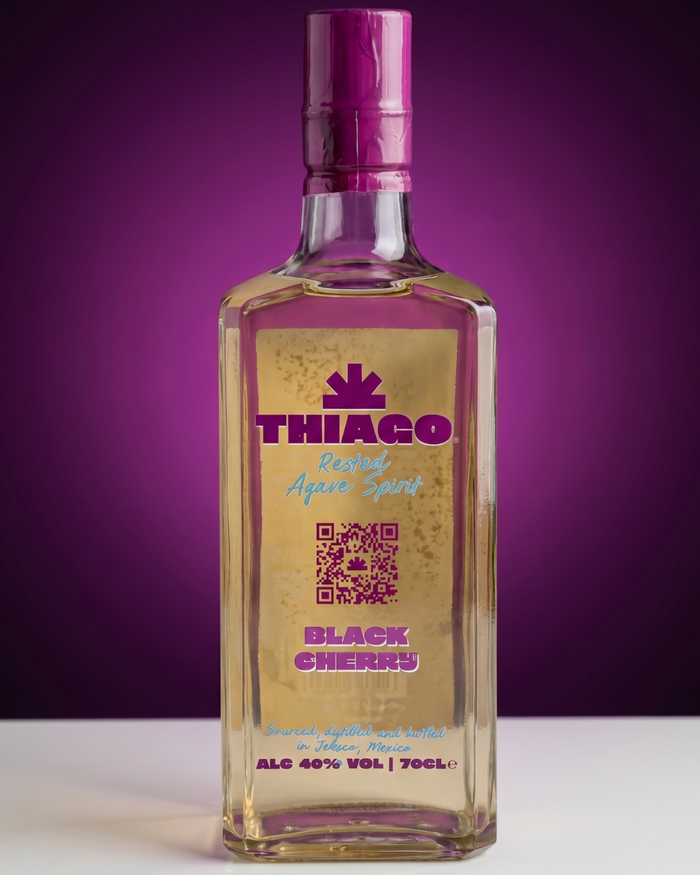
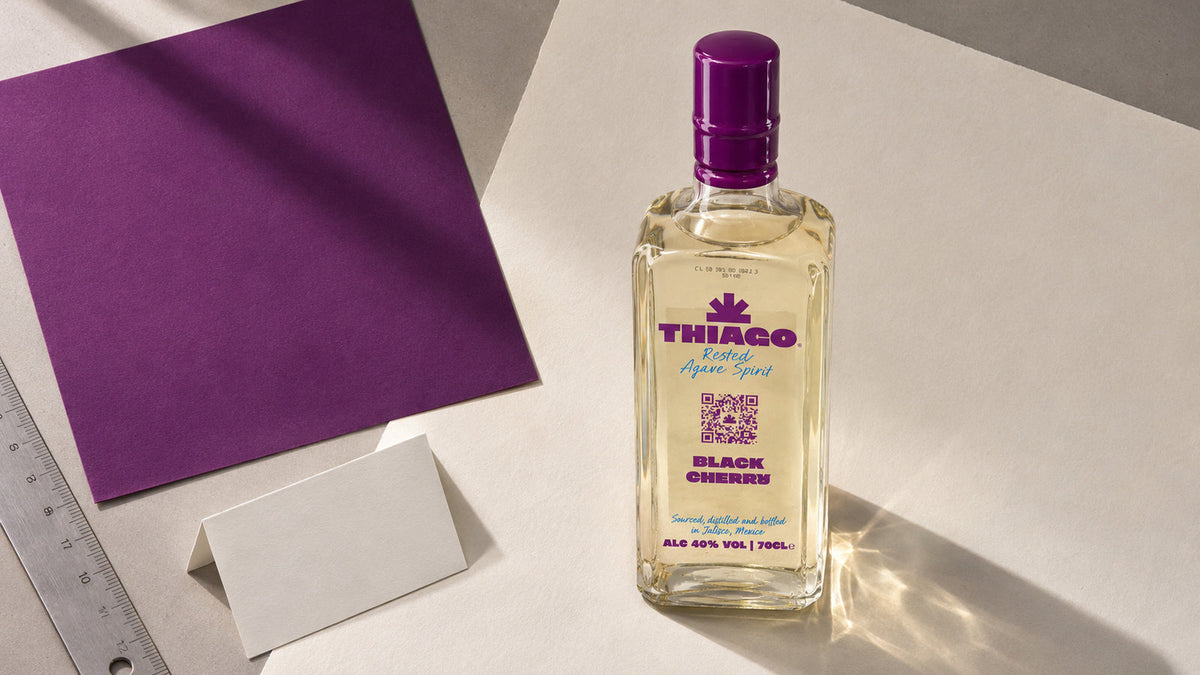
A Black Cherry expression, for example, should be marketed through its drinking moment as much as its tasting note. Think dark-fruit character over ice, topped with soda for a crisp highball, or worked into a long serve with citrus and ginger. The language should feel appetising without promising a sugar rush. Describe a flavour as rich, tart, aromatic or bright only if the liquid supports it.
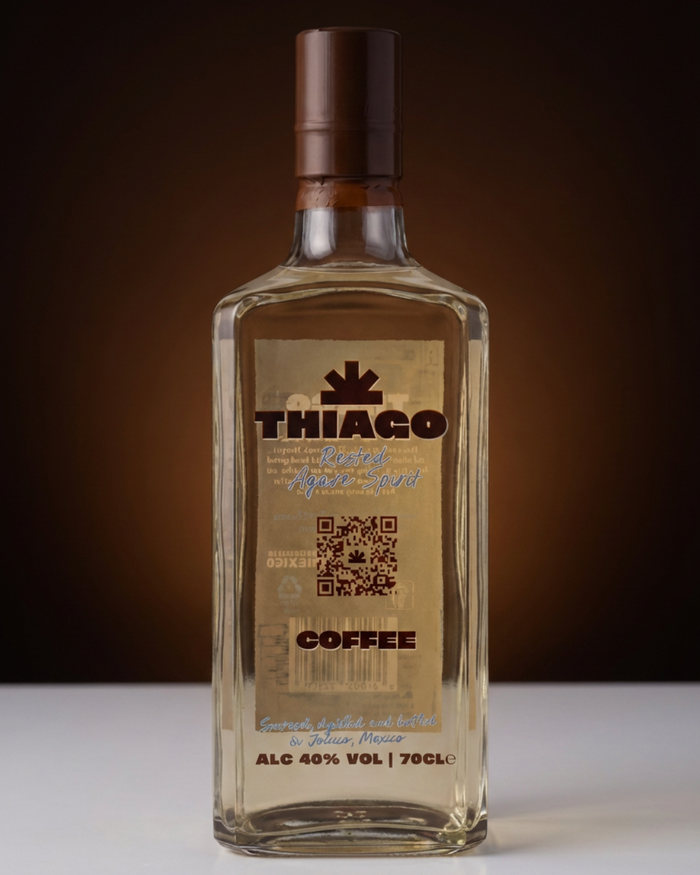
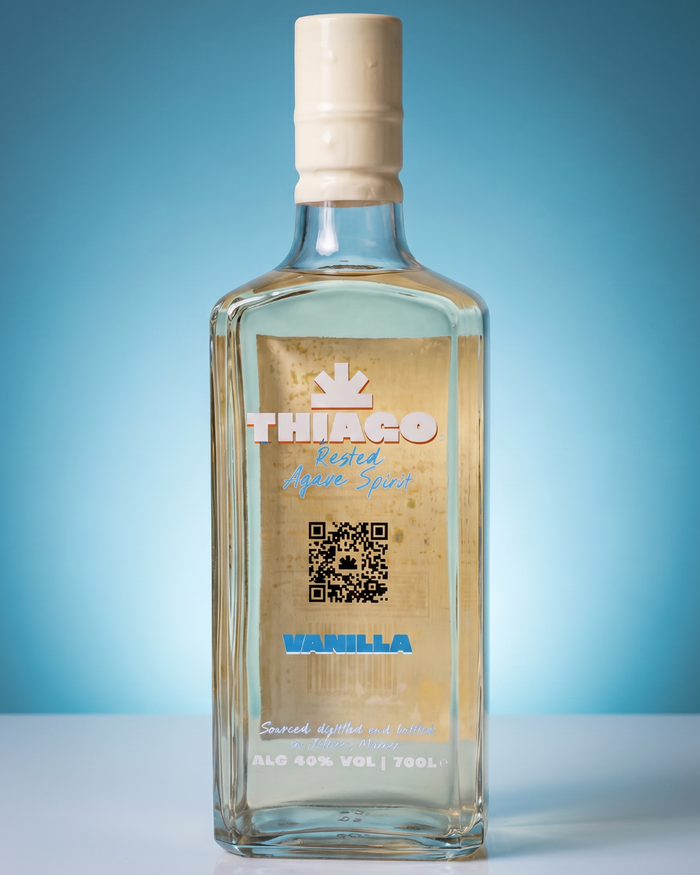
Equally, a coffee expression can earn attention after dinner or in an espresso-led cocktail, while vanilla naturally suits creamy, dessert-adjacent serves when kept balanced. Tamarindo Sour has a different role altogether: it is for drinkers who want tang, texture and a bolder finish. One flavour does not need to perform every job.
That is a useful commercial point. Distinct flavour profiles give retailers and venues multiple reasons to stock the range, while giving customers a reason to return and explore. Thiago Tequila positions this approach confidently: naturally flavoured reposado tequila that is bold enough to enjoy neat, yet built for more than one occasion.
Build content around actual drinking occasions
A product page explains what a bottle is. Great content helps people picture when they will open it. That is where tequila marketing becomes more useful than a polished bottle shot.
Start with the occasions your audience already recognises. A Friday night at home deserves a simple, premium serve that does not require a trolley of ingredients. A dinner party needs a drink that can move between aperitif and late-night conversation. A bar menu needs something guests can understand at a glance. Festival weekends call for portability and pace, without leaving quality behind.
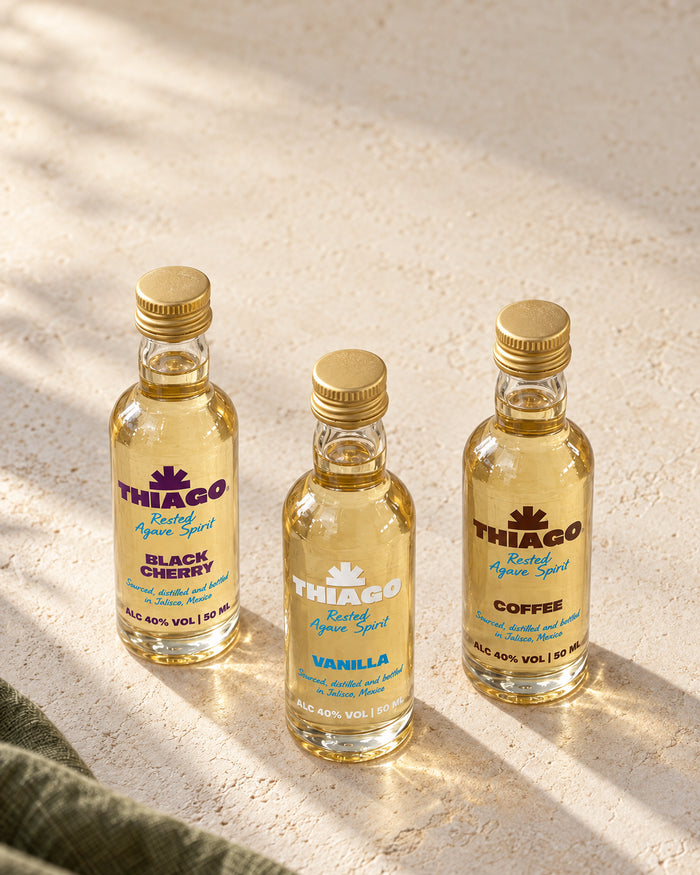
The Minis bundle has a particularly clear role here. At 50ml, each miniature is cabin-baggage friendly and easy to bring along when a full bottle is not practical. For legal-drinking-age festival-goers, it creates a more considered on-the-go option: sip it chilled, lengthen it into a spritz, or make a quick cocktail at the destination. The message is not excess. It is choice, portability and better flavour wherever the plans lead.
Content should show the serve in context. A clean glass, good ice, a citrus peel, soda or ginger beer can communicate more than an over-styled studio scene. It also gives consumers permission to keep things simple. Premium does not have to mean complicated.
Give bartenders a reason to care
Consumer buzz is valuable, but a bottle earns long-term credibility when hospitality teams can use it well. Trade-facing tequila marketing should therefore be more practical than lifestyle-led.
A venue wants to know whether the product has a recognisable story, a fair margin, visual impact and enough versatility to work across serves. It needs to make sense for bartenders during a busy shift. A reposado tequila with natural flavour can answer that need when it makes a menu more distinctive without demanding a new prep routine.
Reposado tequila cocktails are a strong route into that conversation. Instead of forcing classic formulas to carry a new flavour, build serves around what is already there. Black cherry can sit confidently with soda, ginger and bitters. Coffee pairs naturally with espresso and a touch of cacao. Tamarindo Sour can bring tension to a sparkling long drink. Keep recipes disciplined, test them in service and name them with enough clarity that guests know what they are ordering.
Training matters as much as the menu. Give staff a short, repeatable product story: 100% Blue Agave Reposado Tequila from Jalisco, naturally flavoured, 40% ABV, zero added sugar. Then let them taste it. A team that understands the liquid can recommend it without sounding scripted.
Create a recognisable world, then protect it
Premium brands are remembered through repetition. The bottle, photography, language and serve style should feel like they belong to the same world. Contemporary does not mean chasing every trend. It means knowing which details are yours and using them with intent.
For tequila, that might mean rich colour, confident type, high-energy hospitality scenes and close-up liquid cues that make flavour feel tangible. Avoid generic visual shorthand that says nothing about the liquid. The product already has a more compelling story: agave, Jalisco, rested tequila and natural flavour with backbone.
Consistency also makes paid social and retail work harder. A person who first sees a Black Cherry serve on a night out should recognise the same attitude on a shelf, in a product description and in a cocktail menu. That familiarity builds trust before they have even tasted it.
Measure the signals that lead to loyalty
Reach can make a campaign look successful while sales stay flat. Better tequila marketing tracks the moments that show genuine intent: product-page visits, flavour-specific searches, email sign-ups, repeat orders, menu placements and staff recommendations.
Look closely at which flavour brings people in and which one makes them buy again. The answer may differ. A striking Black Cherry tequila campaign may drive discovery, while Coffee becomes a quiet favourite for gifting and after-dinner occasions. That is not a failure of the headline flavour. It is useful intelligence for stock, creative and future serves.
Premium positioning also needs patience. Discounting too quickly may shift units, but it can train customers to wait for a lower price. Add value through limited serves, thoughtful bundles, venue partnerships and useful occasion-led content before reaching for a price cut.
The brands that stay relevant will make tequila feel both rooted and ready for what is next. Put the liquid first, make flavour feel credible and give people a serve they genuinely want to share.