Table of Contents
- What Are Tequila Additives and Why Brands Use Them
- Natural Tequila Flavouring: Real Ingredients, Real Taste
- Synthetic Flavouring in Tequila: Chemical Additives Explained
- How to Identify Additive-Free Tequila: Reading Labels and Sensory Cues
- Best Flavoured Tequila: Choosing Quality Over Shortcuts
- Thiago Tequila Minis Bundle: Premium Naturally Flavoured Spirits On the Go
- The Environmental and Health Impact of Additives in Mass Production
- Conclusion
Last Updated: August 21, 2026
What Are Tequila Additives and Why Brands Use Them
Most mass-market tequilas contain additives, compounds added after distillation to enhance colour, sweetness, mouthfeel, or flavour intensity. These aren't always disclosed on the front label.
Additives serve a practical purpose in industrial production: they standardise taste across batches, mask harsh notes from lower-quality agave, and create the smooth, predictable profile consumers expect. Caramel colouring darkens the liquid to suggest age it doesn't have. Glycerin thickens mouthfeel. Vanilla extract and oak compounds add complexity without proper barrel ageing. Sweeteners amplify the perception of flavour.
The regulatory framework in the UK allows tequila to contain additives and still be labelled as tequila (food.gov.uk). This flexibility enables mass production and separates premium craft spirits from industrial products. Understanding what's in your bottle requires reading between the lines of the label and recognising sensory signals.
Natural Tequila Flavouring: Real Ingredients, Real Taste
Natural tequila flavouring uses real botanical ingredients, fresh fruit, spices, herbs, and plant extracts, infused directly into the spirit after distillation. The difference is chemical and sensory.
When you infuse a 100% Blue Agave Reposado with locally sourced black cherry, vanilla bean, or tamarind, you're introducing actual organic compounds from those sources. These integrate with the spirit over time, creating a flavour profile that evolves and deepens. The result tastes like what it is: tequila with real fruit or spice, not engineered approximation.

How Natural Infusions Work in 100% Blue Agave Spirits
The process begins with a high-quality base spirit. A 100% Blue Agave Reposado, rested six months in white oak, already has complexity: mineral notes, subtle sweetness, and the characteristic warmth of aged agave. When you introduce natural flavouring, you're layering, not masking.
Real Mexican vanilla bean contains vanillin and hundreds of other organic compounds (peer-reviewed research). These change how the spirit sits on your palate, how it finishes, and how it behaves in a cocktail. A naturally flavoured tequila with vanilla performs differently in a Margarita than a synthetic version; the vanilla integrates with the agave rather than competing against it.
Proper infusion allows time for botanical compounds to dissolve and bond with the ethanol. This is why naturally flavoured spirits often improve with a few months in the bottle, as the flavour continues to mature.
Mouthfeel and Sensory Profile of Naturally Flavoured Tequila
Natural infusions don't add glycerin or thickening agents. Instead, botanical compounds themselves create texture. A naturally flavoured tequila feels silky without feeling heavy. It coats the mouth with subtle warmth rather than a slick residue. When you sip it neat, you taste the agave first, then the flavouring emerges as a secondary note. The finish is clean, with no artificial aftertaste.
Synthetically flavoured spirits often feel thicker because of added glycerin. The flavour hits immediately and intensely, then fades abruptly. The finish can feel sticky or leave a chemical taste. Experienced drinkers pick up on this instantly.
Synthetic Flavouring in Tequila: Chemical Additives Explained
Synthetic flavouring relies on chemical compounds engineered to mimic natural flavours. These aren't necessarily harmful, many are approved food additives, but they function differently than real ingredients.
A synthetic vanilla flavouring is typically vanillin produced through chemical synthesis or extracted from wood pulp. It's chemically identical to natural vanillin but lacks the hundreds of companion compounds that give real vanilla its complexity. The result is one-dimensional sweetness that tastes "vanilla-like" rather than authentically vanilla.
This approach exists because it's cost-effective and consistent. For a brand producing millions of units annually, standardisation is valuable. For a drinker seeking genuine flavour, it's a compromise.
Common Synthetic Additives: Glycerin, Caramel Colouring, and Oak Extract
Glycerin thickens the spirit and adds perceived sweetness without calories or sugar. It makes thin spirits feel luxurious but creates a slick, oily mouthfeel that experienced drinkers associate with lower quality. Glycerin also mutes the subtler notes of agave.
Caramel colouring is a brown pigment created by heating sugars, added to make young tequilas appear aged. It adds no flavour, purely visual deception. However, the regulatory framework permits it, and many consumers judge tequila by colour.
Oak extract is a concentrated compound designed to simulate barrel ageing without the time and cost. Real oak ageing is a slow process where the spirit gradually absorbs vanillin, tannins, and other compounds. Oak extract attempts to compress this into a chemical shortcut, resulting in woody but flat taste that lacks subtle integration.
Synthetic flavouring compounds like ethyl vanillin and benzyl acetate are also common. These trigger specific taste receptors but lack the depth and complexity of real ingredients.
Why Artificial Sweetness Differs from Natural Agave Character
Natural agave contains fructans, carbohydrates that break down during fermentation into simpler sugars. The fermentation process creates compounds that give agave its characteristic mineral, slightly peppery character. When you taste naturally flavoured tequila, you're tasting the interaction between agave-derived compounds and real botanical flavouring.
Synthetic sweeteners bypass this interaction. They add sweetness as a separate layer that doesn't integrate with the agave character. This is why synthetically sweetened tequilas often taste "off" to experienced drinkers.
A naturally flavoured tequila with real black cherry derives its sweetness from the cherry itself, a complex mix of natural sugars, acids, and phenolic compounds. This sweetness feels balanced because it's part of the fruit's entire chemical profile. The acids in the cherry interact with the agave's mineral notes, creating a more dynamic sensory experience.
How to Identify Additive-Free Tequila: Reading Labels and Sensory Cues
Tequila labels don't always disclose additives clearly. Learning to read between the lines and trust your senses is essential.
What Label Transparency Reveals About Production Standards
Start with the ingredient statement. If a tequila lists only "tequila" or "100% Blue Agave tequila," that's a good sign. If it specifies "natural flavouring" (e.g., "naturally flavoured with black cherry"), that's even better.
Red flags include vague language like "flavouring" without "natural," or a complete absence of ingredient disclosure. If a brand won't tell you what's in the bottle, there's usually a reason.
Look for statements about production method. Phrases like "infused with real Mexican vanilla bean" or "naturally flavoured with locally sourced tamarind" suggest the brand is proud of its ingredients. Compare this to generic language like "smooth" or "premium," which tells you nothing about what's actually in the bottle. For broader agave spirits, understanding production standards is key.
The origin statement matters too. A tequila distilled and bottled in Jalisco, Mexico, from 100% Blue Agave is more likely to be made with care. This isn't a guarantee, but it's a signal of commitment to quality.
try all three minis · £15.99 →
Tasting Notes That Signal Natural vs Synthetic Flavouring
Your palate is a better detector than any label. When you taste a tequila, pay attention to the initial impact, mid-palate, finish, and aftertaste.
Naturally flavoured tequila shows a layered progression. The agave comes first, mineral and warm. The flavouring emerges as a secondary note, integrating gradually. The finish is clean and dry, with the flavour lingering subtly. There's no chemical aftertaste.
Synthetically flavoured tequila hits harder and faster. The flavouring dominates immediately, a burst that feels artificial. The mid-palate often feels thick or sticky from added glycerin. The finish is abrupt, sometimes leaving a chemical taste or coating on your tongue.
Pour two tequilas side by side and taste them neat, no ice, no mixer. The natural version will feel more complex and refined. The synthetic version will feel simpler and more obviously "flavoured."
Best Flavoured Tequila: Choosing Quality Over Shortcuts
The market has expanded significantly, with more premium, additive-free options available. Quality flavoured tequila is made from 100% Blue Agave, aged properly (at least six months in oak for Reposado), and flavoured with real ingredients rather than syrups or synthetic compounds. The price reflects this investment.

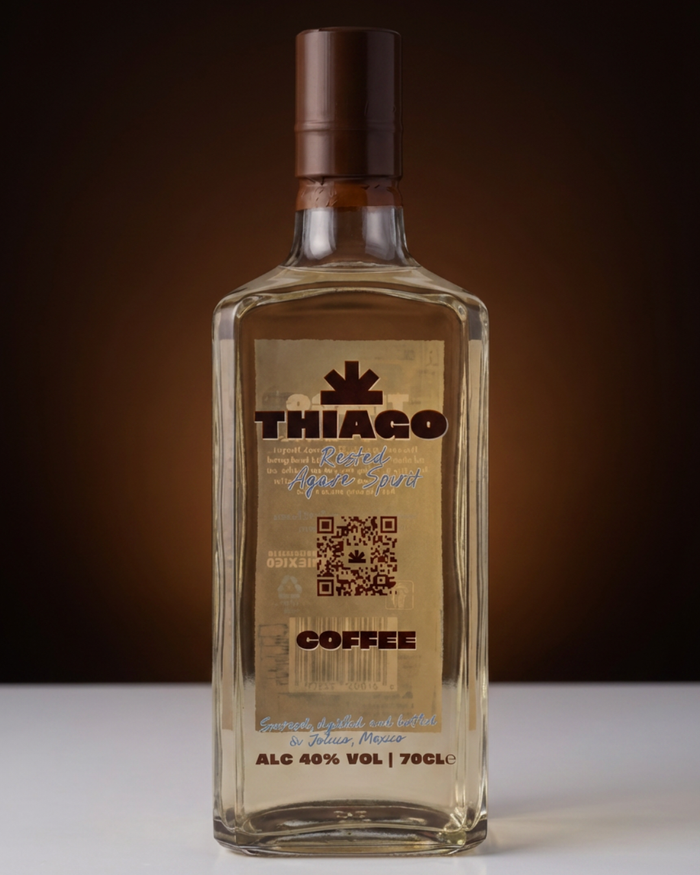
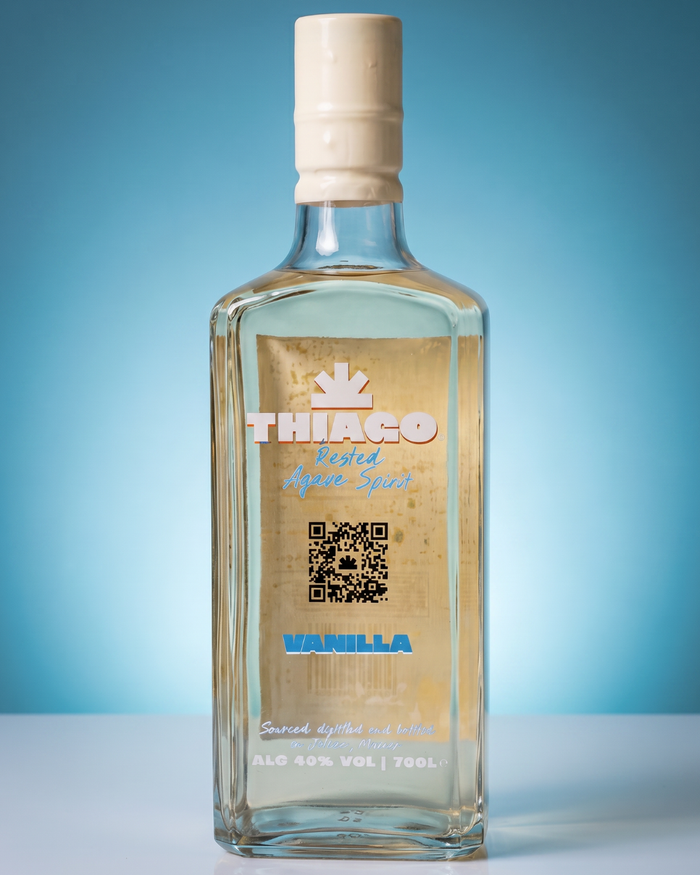
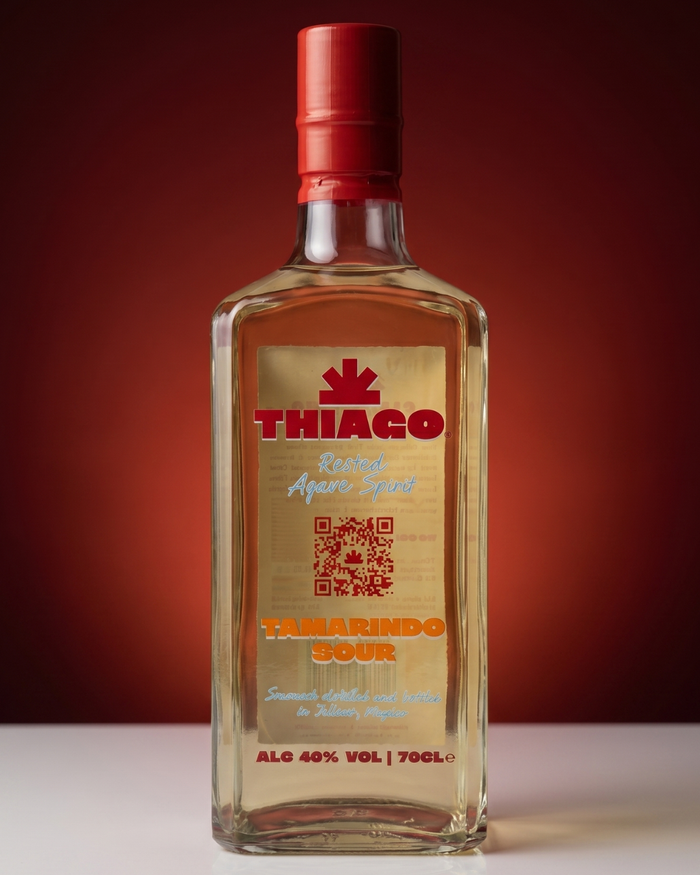
Thiago Tequila represents this approach. Each expression, Black Cherry, Vanilla, Coffee, Tamarindo Sour, is crafted from 100% Highland Blue Agave Reposado, rested six months in white oak barrels, then infused with locally sourced Mexican ingredients. No added sugar. No synthetic flavouring. No glycerin or caramel colouring. The result is naturally flavoured spirit that tastes like what it is: premium tequila with real fruit or spice.

Thiago Black Cherry Tequila - 70cl exemplifies this philosophy. The black cherry is real, sourced locally in Mexico, infused into a mature spirit that's already complex. You taste the agave first, then the cherry emerges as a sophisticated secondary note. It finishes clean and performs whether sipped neat, served over ice, or built into a Margarita.
For those exploring the range, Thiago Vanilla Tequila - 70cl offers warmth and depth, whilst Thiago Coffee Tequila - 70cl (proudly poured at Albert's Schloss across Manchester, London, Birmingham, and Liverpool) transforms an Espresso Martini into something genuinely elevated. The Thiago Tamarindo Sour Tequila - 70cl, a limited release, captures the bold, tangy character of one of Mexico's most beloved flavours.

Thiago Tequila Minis Bundle: Premium Naturally Flavoured Spirits On the Go
Premium spirits in smaller formats make it possible to experience multiple naturally flavoured expressions without committing to full-size bottles. The Thiago Minis bundle, three 50ml bottles, makes premium tequila portable and accessible.
This format serves festival-goers and party hosts who can carry premium tequila without the weight or baggage restrictions of 70cl bottles. A 50ml mini fits comfortably in a jacket pocket or weekend bag. At 40% ABV, it delivers genuine flavour in a single serve or two. You're not compromising on quality; you're choosing convenience without sacrificing taste.
The minis bundle is also an intelligent entry point for drinkers unfamiliar with Thiago. Rather than buying a full bottle and risking disappointment, you can try all three core expressions and discover which resonates with your palate.
For home entertaining, minis offer flexibility. Set out the three expressions and let guests choose. Build a tasting flight. Use them as components in a cocktail menu where each drink showcases a different flavour. The premium positioning, naturally flavoured, no added sugar, 100% Blue Agave, makes them feel like a thoughtful gift or distinctive addition to any gathering.
The Environmental and Health Impact of Additives in Mass Production
The scale of additive use in industrial tequila production has broader implications.
From an environmental perspective, synthetic flavouring production requires chemical synthesis and energy-intensive processes. Caramel colouring production involves heating sugars, generating waste. Glycerin is often derived from petroleum or palm oil, raising sustainability concerns. Natural infusions require only the botanical ingredient itself. A brand using real Mexican vanilla bean sources it from existing agricultural systems; there's no additional chemical manufacturing footprint.
Barrel ageing, the traditional method for developing colour and complexity, requires time and storage space but no additives. Mass production shortcuts this process with synthetic alternatives, trading environmental impact for speed and cost.
From a health perspective, additives used in tequila are generally recognised as safe by food regulatory bodies. However, "approved" doesn't mean "necessary." Many drinkers prefer to minimise additive consumption where possible, particularly those managing sugar intake or following specific dietary approaches.
Naturally flavoured tequila eliminates this consideration entirely. You're drinking agave, water, ethanol, and real botanical ingredients, nothing more. For health-conscious consumers, this simplicity is valuable.
Conclusion
The difference between natural and synthetic tequila flavouring comes down to ingredients, chemistry, and sensory experience. Synthetic additives are cost-effective and consistent; natural infusions are complex and authentic. Neither is inherently "wrong," but they're fundamentally different products.
If you value craftsmanship, transparency, and genuine flavour, naturally flavoured tequila is worth seeking out. The price is higher, but it reflects real ingredients and proper production methods. Your palate will notice the difference immediately.
Thiago Tequila solves the challenge of finding genuinely premium naturally flavoured tequila by infusing 100% Highland Blue Agave Reposado with real Mexican ingredients, no syrup, no synthetic compounds, no added sugar. Whether you're sipping neat, mixing cocktails, or exploring the range with the portable Minis bundle, Thiago delivers the smooth, sophisticated experience that defines elevated flavoured tequila. Discover why discerning drinkers choose authenticity over shortcuts.
Frequently Asked Questions
How can you tell if tequila has synthetic flavouring?
Synthetic flavouring typically leaves a chemical aftertaste or artificial sweetness that lingers unnaturally. Check the label for vague terms like 'flavourings' without specifics, or look for glycerin and caramel colouring listed separately. Natural tequila flavouring should name the actual ingredient, vanilla bean, black cherry, or coffee, and the finish should feel clean rather than sticky or cloying.
What are the additive-free tequila benefits compared to brands using additives?
Additive-free tequila delivers the true agave character without synthetic masks. You taste the terroir of Jalisco, the oak influence from resting, and genuine flavour notes rather than sugar-driven sweetness. No glycerin means no artificial mouthfeel. No caramel colouring means you see the spirit's authentic colour. For sipping neat, the difference is immediate, smoother finish, cleaner palate, and no harsh burn that additives often mask.
Is naturally flavoured tequila actually more expensive than synthetic alternatives?
Premium naturally flavoured tequila costs more to produce because real ingredients, sourced locally in Mexico, require careful selection and integration into the distillation process. Synthetic additives are cheaper to manufacture at scale. However, quality naturally flavoured options like Thiago's range sit at a competitive price point for the craftsmanship involved. The value lies in what you're actually drinking: real flavour, not chemical approximation.
Why do some brands use synthetic sweeteners in reposado tequila?
Mass production favours synthetic sweeteners and additives because they're cost-effective, shelf-stable, and deliver consistent results across millions of bottles. Natural infusions require precision timing, ingredient sourcing, and quality control. Synthetic glycerin, caramel colouring, and oak extract standardise the product and mask lower-quality base spirits. Craft distillers skip this approach because their reputation depends on transparency and actual flavour integrity.