Table of Contents
- What Defines Premium Tequila Made in Jalisco
- The Tequila Production Process Explained
- Understanding the Difference Between Blanco, Reposado and Añejo
- NOM Verification and Authenticity Standards
- Small-Batch Versus Industrial Production Methods
- How to Drink Premium Tequila Properly
- Why Jalisco Terroir Matters for Flavour
- Conclusion
Last Updated: August 11, 2026
What Defines Premium Tequila Made in Jalisco
Premium tequila made in Jalisco represents far more than a spirit at a higher price point. At ThiagoTequilaCompany, we've analysed what separates genuinely excellent tequila from marketing hype: source material, production method, and terroir.
The foundation is 100% Blue Weber Agave grown in Jalisco's designated regions. The highlands, particularly Los Altos, produce agave with higher sugar content and more complex flavour compounds than lowland varieties. Premium tequila showcases this terroir advantage.
The second marker is production integrity. Premium producers use traditional methods: stone-mill crushing (tahona), extended fermentation, and careful distillation in copper stills. Industrial producers cut corners with mechanical processing and accelerated fermentation, resulting in noticeably different taste.
Third is transparency. Legitimate premium tequila displays a NOM (Norma Oficial Mexicana) number on the bottle. This four-digit code identifies the specific distillery where the spirit was produced. Many brands don't distil their own tequila; they source from larger producers and add their label. When paying premium prices, you want to know exactly where your spirit comes from.
The Tequila Production Process Explained
Understanding how premium tequila made in Jalisco is produced reveals why certain bottles command higher prices and deliver superior taste.
Blue Weber Agave Cultivation and Harvesting
Blue Weber Agave plants mature for 7-10 years before harvest. Highland agave grows more slowly than lowland varieties, forcing the plant to develop higher sugar concentrations and more complex chemical compounds. This is why highland terroir matters: volcanic soil, altitude, and climate create conditions that produce superior agave.
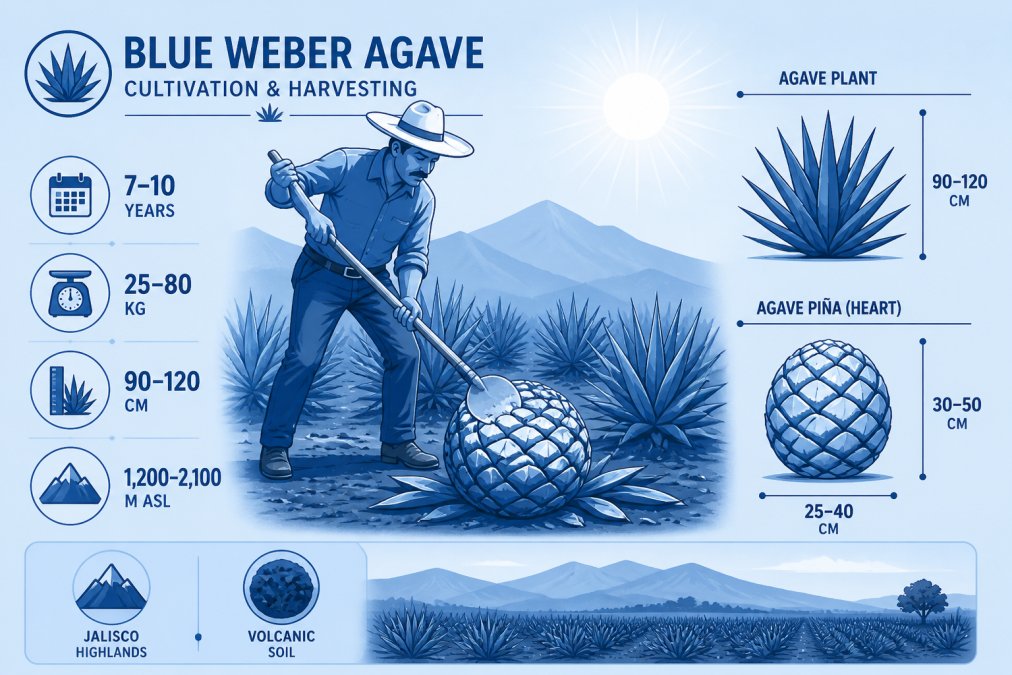
Harvesting requires skill. Jimadores use a traditional tool called a coa to strip away leaves and extract the piña, the heart of the plant. A mature piña weighs 40-90 kilograms. Premium producers harvest by hand, selecting only mature plants. Industrial operations use machinery, which damages the agave and introduces oxidation that affects flavour.
Harvest timing influences sugar content. Agave harvested too early lacks sufficient sugars for fermentation; harvested too late, the plant deteriorates. Small-batch producers time their harvest based on soil conditions and weather, an attention to detail that separates smooth spirits from rough ones.
Distillation and Maturation in White Oak
After harvest, the piña is cooked to break down complex carbohydrates into fermentable sugars. Premium producers use traditional brick or stone ovens that cook slowly over 24-48 hours, preserving delicate flavour compounds. Industrial producers use autoclaves that cook in hours, prioritising speed over flavour.
The cooked agave is crushed, traditionally using a tahona (a large stone wheel), which extracts juice without over-processing fibres. The extracted juice ferments for 5-7 days in premium operations, sometimes extending to 14 days to develop more complex yeast-derived flavours.
Distillation happens in copper stills. Premium tequila is typically distilled twice, sometimes three times. Copper removes undesirable compounds and adds subtle complexity that stainless steel cannot replicate.
For aged expressions, the spirit rests in white oak barrels. Reposado tequila ages for 2-11 months; Añejo for 1-3 years; Extra Añejo for over 3 years. The wood imparts vanilla, caramel, and spice notes while the spirit oxidises slightly, rounding out harsh alcohol burn. Thiago's Reposado expressions rest for six months in white oak, balancing agave character and oak influence.
Understanding the Difference Between Blanco, Reposado and Añejo
The category of tequila you choose determines its flavour profile, smoothness, and best use case.
Blanco tequila is unaged, bottled immediately after distillation. It showcases pure agave character: herbaceous, peppery, sometimes floral notes. Blanco is the most versatile for cocktails because its bright agave flavour doesn't get muddied by oak. However, blanco can taste sharp or harsh if distillation wasn't precise or if additives were used to mask flaws. Thiago Organico Blanco represents what quality blanco should taste like: clean, crisp agave without synthetic smoothing.

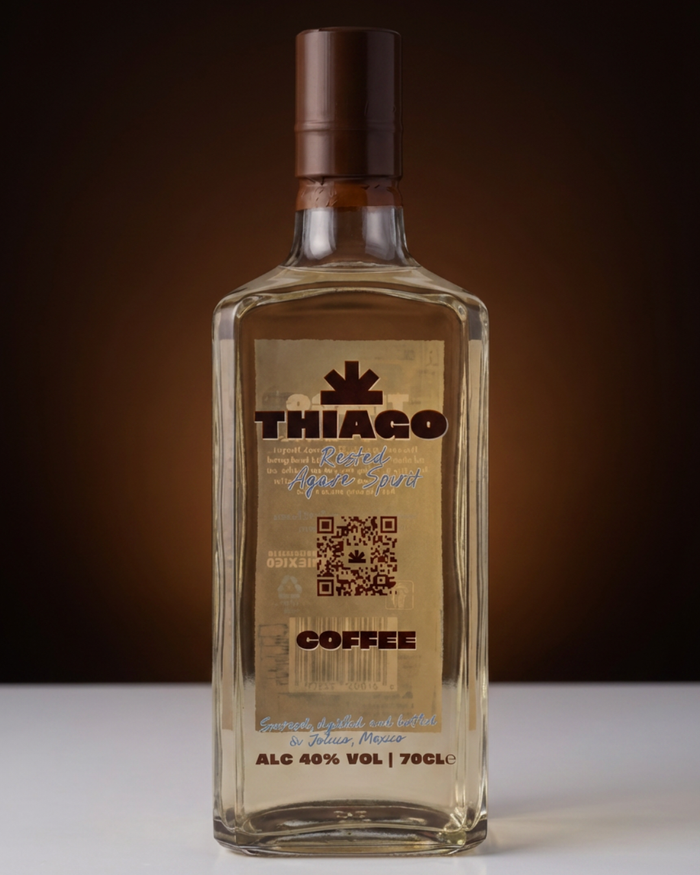
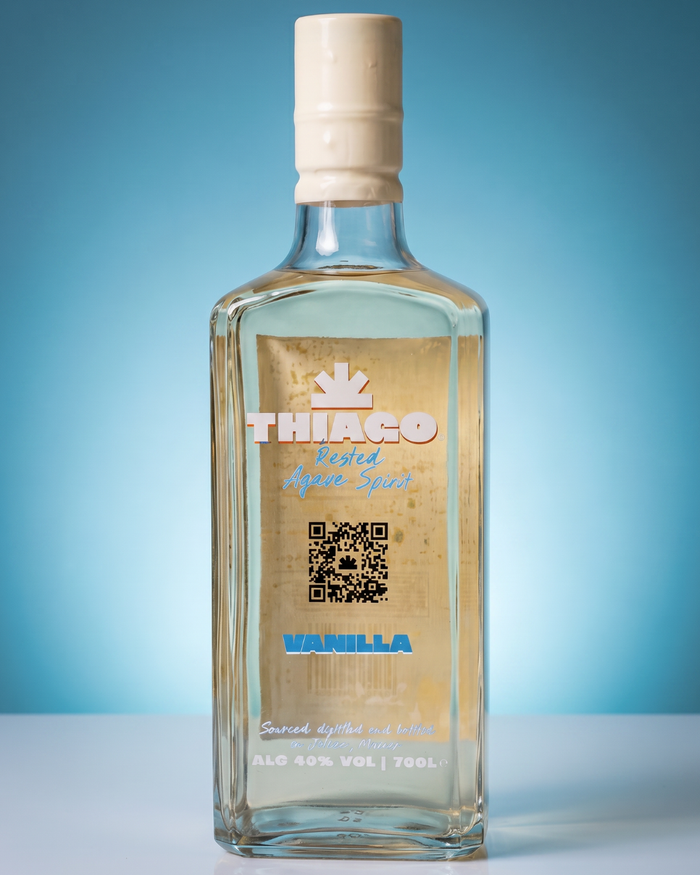
Reposado tequila ages for 2-11 months in white oak, mellowing the agave sharpness while introducing subtle oak influence, vanilla, caramel, and light spice. Reposado occupies the sweet spot between agave authenticity and approachability. It works beautifully sipped neat or over ice, and elevates cocktails without overwhelming them. Thiago's Black Cherry and Vanilla expressions are six-month reposados, meaning the base spirit has been matured in white oak before Mexican ingredients are added.
Añejo tequila ages for 1-3 years, developing deeper oak character, darker colour, and pronounced vanilla and caramel notes. Aged tequila is meant for sipping neat, ideally at room temperature. The oak becomes a dominant flavour note, sometimes overshadowing the agave. Añejo commands higher prices but not all Añejo is better than reposado; over-oaked expressions can taste like wood rather than tequila.
The difference comes down to how much oak influence you want in your glass: Blanco = pure agave. Reposado = agave plus oak balance. Añejo = oak forward with agave as supporting player.
NOM Verification and Authenticity Standards
The NOM system is your most reliable tool for separating authentic, quality-made tequila from counterfeits and mass-produced imposters.
NOM stands for Norma Oficial Mexicana, Mexico's official standard for tequila production. Every bottle of legitimate tequila displays a four-digit NOM number identifying the specific distillery where the spirit was produced. This is a legal requirement. If a bottle doesn't have a NOM number, it's not tequila.
However, a brand name and NOM number don't always match. Many tequila brands don't own their own distilleries; they purchase bulk tequila from larger producers and bottle it under their own label. This is legal and doesn't necessarily indicate poor quality, but it means the brand isn't controlling production. When you buy from a brand with its own NOM number, you're buying from a producer with direct oversight of every step from agave to bottle.
Thiago operates within this framework, sourcing and distilling in the highlands of Jalisco under verified production standards. To verify authenticity, cross-reference the NOM number on any bottle with the official Tequila Regulatory Council database. If the brand claims one thing and the NOM database shows another, you've found a discrepancy worth investigating.
Small-Batch Versus Industrial Production Methods
The scale at which tequila is produced directly affects its flavour, consistency, and price.
Small-batch producers typically make 5,000-50,000 litres per year. They control every variable: agave selection, fermentation temperature, distillation timing, barrel selection for aging. This oversight allows them to adjust processes based on each harvest's characteristics. Small-batch tequila reflects the terroir and vintage variation of a specific year and place.
Industrial producers manufacture 500,000+ litres annually. Consistency trumps character. They standardise every step: mechanical agave processing, temperature-controlled fermentation in massive tanks, high-speed distillation, and often additives (caramel colouring, oak extract, glycerin) to achieve uniform products year after year.
The price difference reflects this reality. Small-batch tequila costs more because labour-intensive processes, smaller batch sizes, and lower production efficiency increase per-bottle costs. Industrial tequila can be cheaper due to machinery and volume economics.
Thiago positions itself as a small-batch producer, which is why sourcing, distillation, and bottling all happen in the highlands of Jalisco. This control allows for real Mexican ingredients rather than syrups, and genuine sugar-free profiles without additives masking industrial shortcuts.
How to Drink Premium Tequila Properly
Premium tequila made in Jalisco deserves to be appreciated rather than rushed.
For blanco tequila, serve at room temperature or slightly chilled in a traditional caballito glass. Sip slowly, allowing the spirit to warm slightly in your mouth. This releases volatile compounds and reveals the agave's complexity. Cold temperatures numb these qualities, so avoid ice unless making a cocktail.
For reposado tequila, a rocks glass with a single large ice cube is ideal. The ice cools the spirit without excessive dilution. Reposado's oak influence pairs beautifully with slight dilution as ice melts. Alternatively, sip neat at room temperature to experience the full oak and agave balance.
For Añejo tequila, always drink neat at room temperature. Extended aging creates flavours that cold temperatures suppress. A snifter or rocks glass allows you to nose the spirit before tasting. Añejo is a contemplative spirit.
The common mistake is chilling premium tequila aggressively or adding mixers that mask flavour. If you've paid for quality, let it speak. For cocktails, use blanco or reposado. Their vibrant agave character cuts through other ingredients. Thiago's flavoured reposados, Black Cherry, Vanilla, and Coffee, are designed to elevate cocktails while remaining balanced enough to sip neat.

Why Jalisco Terroir Matters for Flavour
Terroir, the concept that a spirit's character is shaped by its environment, applies to tequila as powerfully as it does to wine. Jalisco's geography creates conditions that produce superior agave and superior tequila.
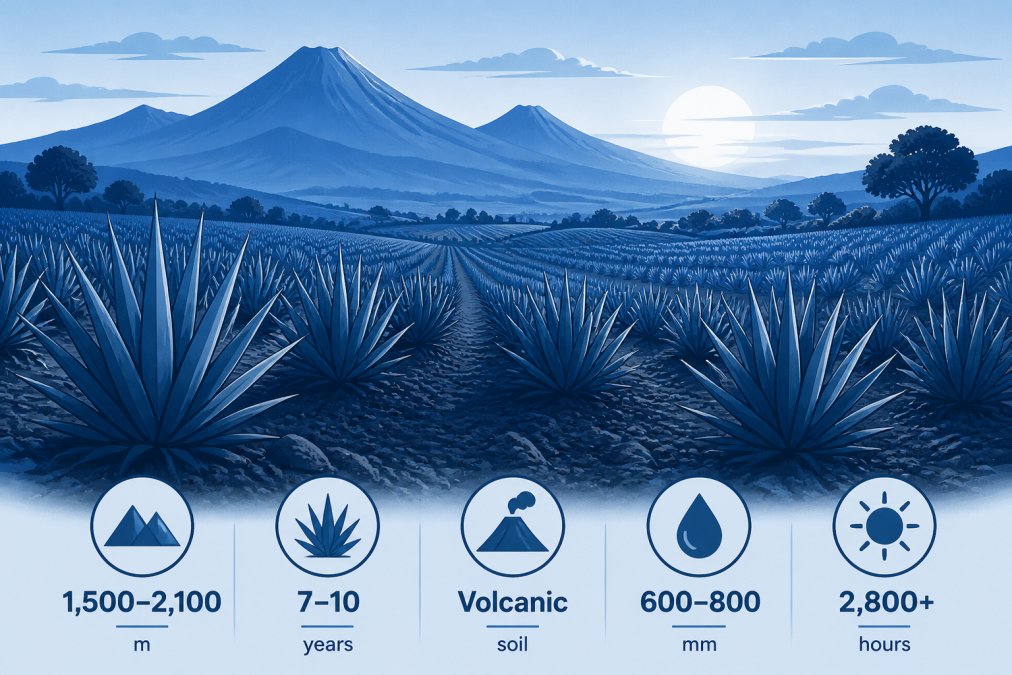
The highlands of Jalisco, particularly Los Altos, sit at 1,500+ metres elevation. At this altitude, agave grows more slowly, concentrating sugars and developing more complex chemical compounds. The volcanic soil is mineral-rich, imparting subtle mineral notes to the agave. Cooler temperatures and higher rainfall create different fermentation conditions than lowland regions, resulting in different yeast activity and flavour development.
Lowland agave matures faster but with lower sugar concentration and less complexity. Lowland tequila tends to be lighter, more straightforward, sometimes grassy or vegetal. Highland tequila is richer, more full-bodied, with caramel, fruit, and spice notes emerging from slower maturation and mineral-rich soil.
This is chemistry, not subjective preference. Jalisco's highlands produce agave with different sugar profiles and precursor compounds that develop into flavour during fermentation and distillation. When you taste a genuinely smooth, complex premium tequila made in Jalisco, you're experiencing geography, geology, and climate working together over years.
The Denomination of Origin protects this advantage. Only tequila produced in specific Mexican regions, primarily Jalisco, can legally be called tequila. This geographic protection ensures that when you buy tequila, you're getting a spirit from a region where centuries of cultivation have optimised production.
Premium tequila made in Jalisco represents a commitment to quality that begins in the agave fields and continues through every production decision. The difference between genuinely excellent spirits and mediocre ones often comes down to details most drinkers never see: harvest timing, fermentation length, distillation precision, and barrel selection.
When evaluating premium options, use NOM verification to confirm authenticity, understand the difference between production scales, and appreciate how terroir shapes flavour. Thiago's range, from the crisp, organic Blanco to the complex six-month Reposado expressions, demonstrates how quality sourcing and careful production create spirits worth savouring. Try all three minis for £15.99 with free delivery, and experience why discerning drinkers choose tequila made with integrity over mass-produced alternatives.
| Tequila Type | Ageing Period | Best Served | Flavour Profile |
|---|---|---|---|
| Blanco | Unaged | Room temperature or chilled | Pure agave, herbaceous, peppery |
| Reposado | 2-11 months | Over ice or neat | Agave balanced with vanilla, caramel |
| Añejo | 1-3 years | Neat at room temperature | Oak forward with caramel, spice |
| Extra Añejo | 3+ years | Neat at room temperature | Deep oak, chocolate, dried fruit |
Frequently Asked Questions
What makes premium tequila from Jalisco different from other tequilas?
Premium tequila made in Jalisco must meet strict Denomination of Origin standards and be made from 100% Blue Weber Agave. The region's volcanic soil, altitude, and climate create distinct flavour profiles. Authentic Jalisco tequilas carry a NOM (Norma Oficial Mexicana) number on the bottle, verifying production standards. Small-batch distilleries often use traditional methods like tahona crushing and double distillation, creating smoother, more complex spirits than industrial producers.
How can I identify authentic 100% agave tequila?
Check the label for 'Tequila' (not 'Tequila Style') and '100% Agave' or '100% Blue Agave'. Verify the NOM number on the bottle, this four-digit code confirms the distillery and production standards. Authentic tequilas list the distillery location in Jalisco. Avoid bottles claiming added sugars or syrups; premium options use only agave, water, and real ingredients. Colour in aged tequilas (reposado and añejo) should come from barrel aging, not additives.
What's the difference between blanco, reposado and añejo tequilas?
Blanco tequila is unaged and bottled immediately after distillation, offering crisp, pure agave flavour. Reposado is aged 2-12 months in oak barrels, developing vanilla and caramel notes while maintaining agave character. Añejo is aged at least one year (often 2-3 years), creating deeper, complex flavours with oak dominance. Blanco suits cocktails; reposado works for sipping or mixing; añejo is best enjoyed neat to appreciate its complexity.
How should I drink premium tequila to appreciate its quality?
For aged tequilas (reposado and añejo), sip neat or over ice to fully experience the flavour profile and smooth finish. Use a copita or snifter glass to concentrate aromas. Blanco tequilas work beautifully in premium cocktails or over ice. Avoid mixing premium spirits with sugary mixers, quality tequila deserves simple partners like lime and salt, or excellent tonic. Let the spirit sit briefly before tasting to open up its character.
This article was written using GrandRanker