Table of Contents
- Why Sipping Reposado Tequila Matters
- Choosing the Right Glassware for Sipping Reposado
- Preparing Your Palate Before You Sip
- The Best Reposado Tequila for Sipping: What to Look For
- Step-by-Step: How to Taste Tequila Like a Pro
- Temperature and Serving Suggestions for Reposado
- What to Pair with Reposado Tequila
- Common Mistakes to Avoid When Sipping Reposado
Last Updated: August 10, 2026
Why Sipping Reposado Tequila Matters
Learning to sip reposado tequila properly transforms the entire experience. Most people treat premium spirits carelessly, missing the complexity that distillers spent months developing. Reposado tequila sits in oak barrels for six months, developing vanilla, caramel, and subtle oak notes that reward careful attention. The difference between gulping and sipping is the difference between hearing background noise and listening to music.
At ThiagoTequilaCompany, we've crafted our reposado range specifically for sippers who value authenticity. Our spirits are made from 100% Blue Agave, rested in white oak, and infused with real Mexican ingredients rather than syrups. The technique matters because your palate, glassware, and approach all affect what you actually taste.
Choosing the Right Glassware for Sipping Reposado
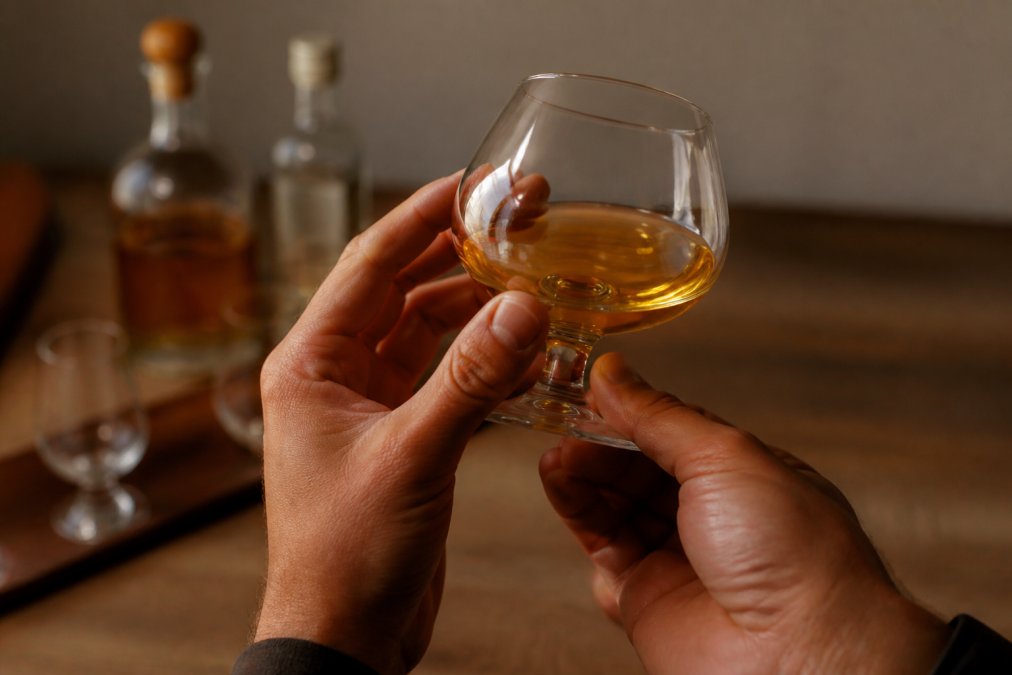
Your glass choice directly impacts how the spirit reaches your nose and palate. A snifter is the classic choice for sipping reposado tequila. Its wide bowl allows you to swirl the spirit and release aromatic compounds, while the narrower opening concentrates those aromas toward your nose. The shape also lets you warm the glass gently in your hand, releasing additional complexity from the oak-aged spirit.
Some prefer a sipping glass or tasting glass, which is slightly smaller and more refined. These glasses have a similar shape to snifters but with a more delicate profile, excellent for longer tasting sessions.
Avoid shot glasses, highball glasses, and anything with ice unless you're mixing cocktails. The glassware science matters because surface area, temperature management, and aroma concentration all influence how your palate perceives the spirit. A snifter's bowl shape maximises contact between the liquid and air, accelerating oxidation and releasing volatile compounds that create the aroma profile.
Preparing Your Palate Before You Sip
Your palate needs to be clean and ready before you begin. Drink still water at room temperature to clear your mouth and hydrate your tissues, making them more receptive to flavour. Avoid strong flavours like mint, spice, citrus, and coffee immediately beforehand, as these linger and compete with the tequila's natural profile.
Palate fatigue is real. If you're tasting multiple spirits in one session, begin with lighter, younger tequilas and progress toward richer, oak-aged reposados. Professional tasters often limit themselves to 3-5 spirits per session and take breaks between tastings. Temperature also affects palate readiness; your mouth should be at a comfortable temperature, neither too hot nor too cold.
The Best Reposado Tequila for Sipping: What to Look For
Not all reposado tequilas deliver the same experience. Look for 100% Blue Agave on the label. Blended tequilas can contain up to 49% other sugars, creating a thinner body and synthetic finish.
The origin matters significantly. Tequila can only be produced in specific regions of Mexico, with Jalisco being the most prestigious. Highland regions produce agave with more complexity and natural sweetness compared to lowland varieties.
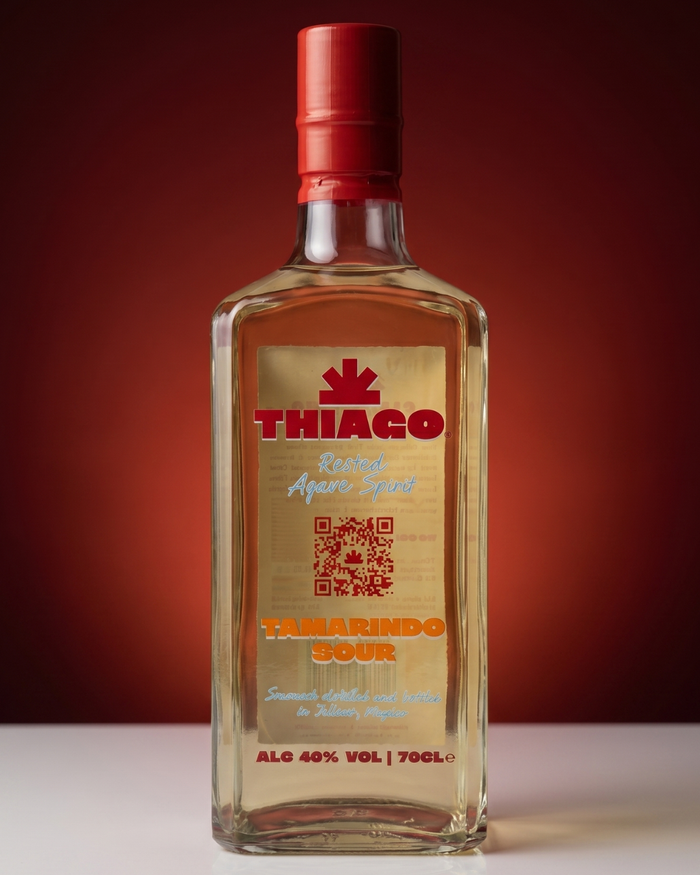
Check the resting period. Reposado means the spirit has aged in oak for at least two months but less than a year. Most quality producers rest for six months, creating the ideal balance between agave character and oak influence. Real ingredients matter more than you'd think. Many commercial tequilas use caramel colouring and artificial flavouring, while premium reposados infuse real Mexican ingredients like vanilla, coffee, black cherry, and tamarindo rather than syrups.
Proof typically sits at 40% ABV for most reposados. For sipping, 40% ABV is the sweet spot, providing enough body and complexity without overwhelming your palate.
Step-by-Step: How to Taste Tequila Like a Pro
Step 1: Visual Inspection and Colour Assessment
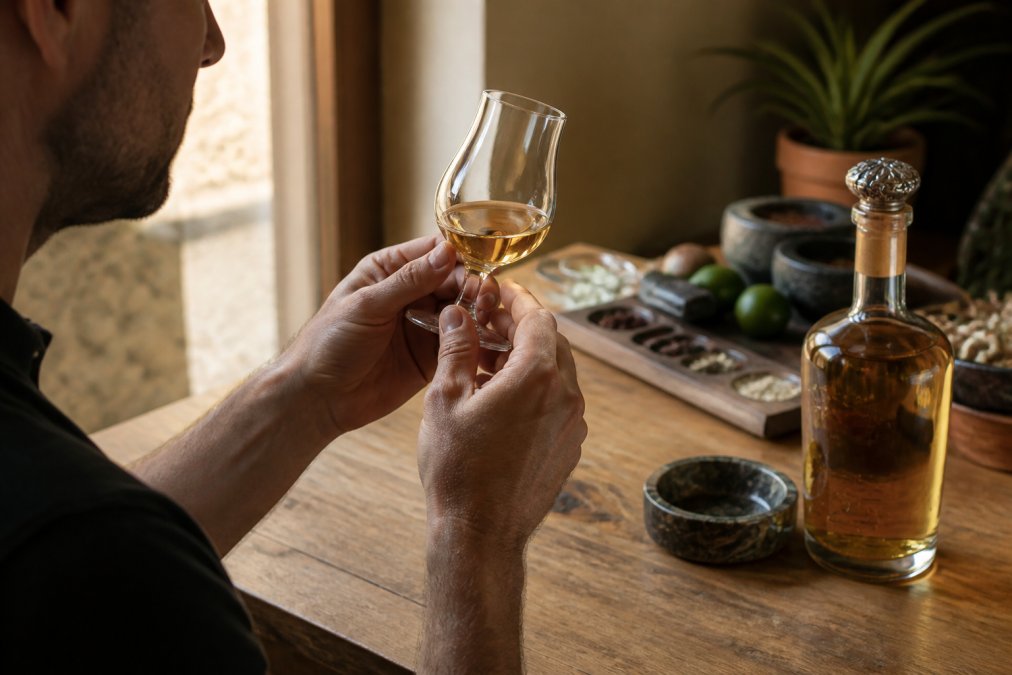
Before you taste anything, look at the spirit. Pour roughly 30-45ml into your snifter and hold it up to natural light. Reposado tequila should display a golden to amber colour, depending on how long it's rested and the specific oak used. Deeper colours usually indicate more oak influence and a richer mouthfeel.
Tilt the glass slightly and observe the viscosity. Quality spirits leave visible legs, a coating of liquid that clings to the sides of the glass and slowly drips back down. These legs indicate body and texture. Check for clarity; the spirit should be transparent with no cloudiness or sediment.
Step 2: Nosing the Spirit and Detecting Aroma
Bring the glass to your nose and inhale gently, not a deep breath, but a soft, steady inhalation. Your nose should be just inside the rim of the glass, where the aromas concentrate naturally. Hold this for two to three seconds.
In a quality reposado, you should notice initial aromas of vanilla, caramel, and oak from the barrel aging. After the first gentle inhale, wait a moment and take a second sniff. Subtler notes emerge: floral hints, earthy undertones, or spice depending on the specific spirit.
Swirl the glass gently while holding it below your nose. This increases the surface area of the liquid exposed to air, releasing more volatile aromatic compounds. Avoid breathing in sharply or repeatedly; ethanol vapours numb your olfactory receptors after three or four strong inhalations. The aroma preparation is critical because your sense of smell accounts for roughly 80% of what you perceive as flavour.
Step 3: The First Sip and Initial Palate Contact
Take a small sip, roughly a teaspoon's worth. Don't swallow immediately; let the spirit sit on your palate for a moment. In a quality reposado, you should taste sweetness from the agave, balanced by oak and vanilla notes from the barrel aging. The mouthfeel should be smooth and slightly viscous, not harsh or thin.
Move the spirit around your mouth. Let it coat your tongue, your cheeks, and the roof of your mouth. Different areas of your tongue detect different flavours: sweetness on the front, bitterness on the back, salt on the sides. After 5-10 seconds, swallow and notice the finish, the flavours that linger after you've swallowed.
try all three minis · £15.99 →
Step 4: Swirling and Releasing Complexity
Swirl the glass more deliberately. This accelerates oxidation, which releases additional aromatic and flavour compounds that weren't apparent in the initial sip. Swirl gently in circular motions, holding the glass by the stem or base so your hand doesn't warm the spirit prematurely. Swirl for 10-15 seconds, then let the liquid settle.
Take a second sip after swirling. You'll notice the flavour profile has shifted. Notes that were subtle now emerge more prominently. This is where the difference between a mediocre spirit and an exceptional one becomes obvious. A quality spirit reveals new dimensions: additional vanilla, deeper oak notes, perhaps floral or spice undertones.
Step 5: Understanding the Finish and Aftertaste
The finish is the lingering flavour after you've swallowed. A quality reposado should have a finish that lasts 30 seconds to a minute. The flavours should fade gradually and pleasantly, without harsh burn or unpleasant bitterness.
Notice whether the finish is warming or burning. A warming sensation is normal and desirable; a harsh burn suggests lower quality or excessive proof without adequate smoothness. In exceptional spirits, the aftertaste is subtle and pleasant, perhaps a lingering sweetness or a dry, clean sensation. Take a moment between sips to let your palate recover.
Temperature and Serving Suggestions for Reposado
Room temperature, roughly 18-22°C, is ideal for sipping reposado neat. At this temperature, all the spirit's characteristics are present: aromas are volatile, flavours are balanced, and the mouthfeel is smooth.
Some prefer their reposado slightly chilled, around 10-15°C. Chilling slightly numbs your palate, which can reduce perception of harsh elements in lower-quality spirits. However, it also mutes subtle aromas and flavour nuances. Never serve reposado ice-cold or on the rocks unless you're mixing cocktails.
For entertaining, serve your reposado in the snifter at room temperature. Some drinkers enjoy a drop of water alongside their reposado. A small glass of still water at room temperature can actually open up the spirit further; the water dilutes the ethanol slightly, allowing your palate to detect aromas and flavours that the pure spirit's alcohol content might otherwise overwhelm.
What to Pair with Reposado Tequila
Dark chocolate is the classic pairing. The cocoa's bitterness balances the spirit's sweetness, while the chocolate's richness mirrors the oak-aged body. Aged cheeses like Cotija or aged Oaxaca cheese provide contrast to the spirit's sweetness while their umami depth complements the oak character.
Citrus, particularly fresh lime or grapefruit, cuts through the richness and provides brightness. Nuts, especially roasted almonds or pecans, pair well because their toasty flavour echoes the oak notes in the reposado.
Avoid heavy, spicy foods immediately before sipping. For home entertaining, create a simple tasting board: dark chocolate, aged cheese, lime wedges, and roasted nuts. Let guests sip, then try a pairing, then return to the spirit.
Common Mistakes to Avoid When Sipping Reposado
The most common mistake is treating premium reposado like a shot. Don't add ice unless you're mixing cocktails; ice dilutes the spirit and suppresses aromas. Avoid nosing too aggressively; gentle, measured breathing lets you detect aromas without overwhelming your receptors.
Don't skip the visual inspection. Never sip immediately after brushing your teeth or drinking coffee. Don't feel pressured to detect every flavour note described on the bottle; your palate is unique. Avoid comparing cheap and premium reposados side by side in your first attempt. Don't rush the tasting; allow at least 10-15 minutes per spirit.
The difference between drinking reposado tequila and sipping it is the difference between consuming alcohol and experiencing craftsmanship. When you follow proper technique, the right glassware, palate preparation, and measured approach, you discover why distillers spend months developing these spirits.
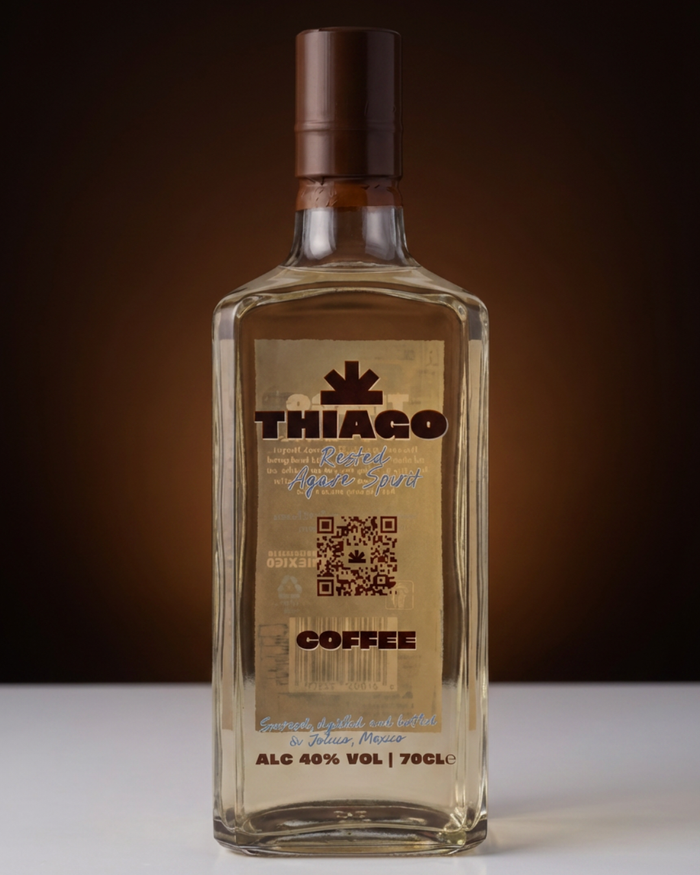
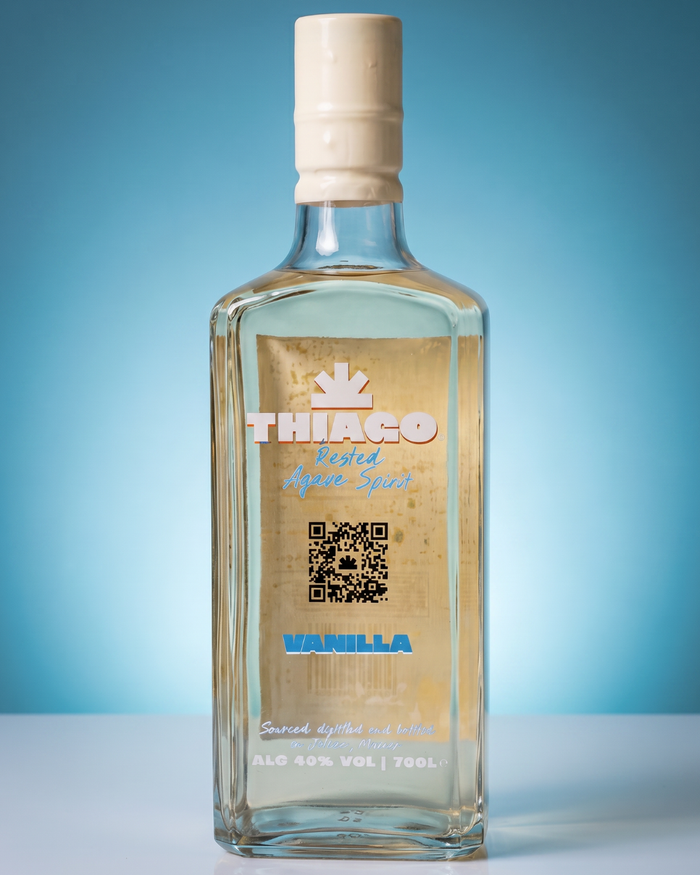
ThiagoTequilaCompany's reposado range is specifically crafted for sippers who value authenticity. Our 100% Blue Agave spirits, rested six months in white oak and infused with real Mexican ingredients rather than syrups, reveal complexity and smoothness that cheap alternatives simply cannot match. Start with our Thiago Vanilla Tequila (£54.99) for a classic introduction to reposado sipping, or explore our Black Cherry variant (£54.99) for something bolder. Get started with ThiagoTequilaCompany and transform how you experience premium spirits.


Frequently Asked Questions
Can you sip reposado tequila neat, or should you always add ice?
Absolutely, you can sip reposado tequila neat. In fact, sipping neat is the best way to experience the full complexity of the spirit. Reposado tequila, aged six months in oak barrels, develops layers of vanilla, caramel, and subtle oak notes that are only detectable when you taste it without dilution. Adding ice or water will mute these flavours. That said, if the ethanol burn feels too intense for your palate, a single large ice cube or a few drops of water can help acclimate your mouth without destroying the tasting experience.
What is the difference between sipping and shooting reposado tequila?
Sipping reposado tequila means slowly savouring small amounts to detect aroma, flavour notes, and finish. Shooting means consuming it quickly in one gulp, which bypasses your palate's ability to register subtleties and often results in a harsh alcohol burn. Reposado is crafted for sipping, the oak ageing, the infusion with real Mexican ingredients, and the balanced proof all reward careful tasting. Shooting wastes the craftsmanship and is more likely to cause discomfort.
How do I know if a reposado tequila is high quality before I buy it?
Look for 100% Blue Agave on the label, this guarantees the spirit is made entirely from agave, not mixed with cheaper sugars. Check for 'reposado' certification, meaning it's aged at least six months in oak. Premium brands avoid artificial sweeteners and syrups, using real Mexican ingredients instead for genuine flavour. Thiago Reposado, for example, is sourced, distilled, and bottled in Jalisco's highlands and flavoured with real Mexican ingredients, delivering a smooth, sugar-free profile without synthetic notes. Read customer reviews specifically mentioning smoothness and finish, these signal quality craftsmanship.
Does reposado tequila need to be chilled before sipping?
Reposado doesn't require chilling, but temperature matters. Room temperature (18-21°C) allows the full complexity of aroma and flavour to emerge, the vanilla, caramel, and earthiness are most detectable when the spirit is not too cold. However, if you prefer a colder sip and your palate is sensitive to ethanol burn, chilling to 10-15°C can smooth the experience without muting flavours entirely. Avoid freezing, which numbs your palate and suppresses the subtle notes you're trying to detect.