A packed bar no longer guarantees a packed menu. The nightlife drinks trends shaping 2026 are less about fluorescent novelty and more about drinks with a point of view: real flavour, recognisable ingredients, proper strength and a serve that looks as good in hand as it tastes. For drinkers who care what is in the glass, the era of overly sweet, anonymous mixers is losing ground.
The shift is especially clear in tequila. Premium agave spirits are moving beyond one-note serves because people want more from a night out: an origin story, a flavour worth discussing and enough versatility to take them from early drinks to the last table reservation. The best venues are responding with concise menus that make every pour count.
Nightlife drinks trends are getting more intentional
The modern drinks list has become a filter. Guests are not asking for endless choice; they are looking for a reason to choose. That may mean a naturally flavoured spirit with no added sugar, a cocktail built around one exceptional base, or a ready-to-pour serve that does not sacrifice quality for speed.
This is not a rejection of fun. It is a higher standard for it. A drink can be playful, bold and built for the dancefloor while still respecting the character of its ingredients. In a market crowded with loud labels and predictable flavour profiles, quality is now part of the occasion.
Real flavour beats sugar-heavy theatre
Fruit-forward drinks are still firmly on the agenda, but the flavour conversation has changed. Guests are becoming more alert to the difference between something that tastes ripe and expressive and something that simply tastes sweet. Black cherry, tamarind, coffee and vanilla all have a place behind the bar when they bring depth rather than disguise the spirit underneath.
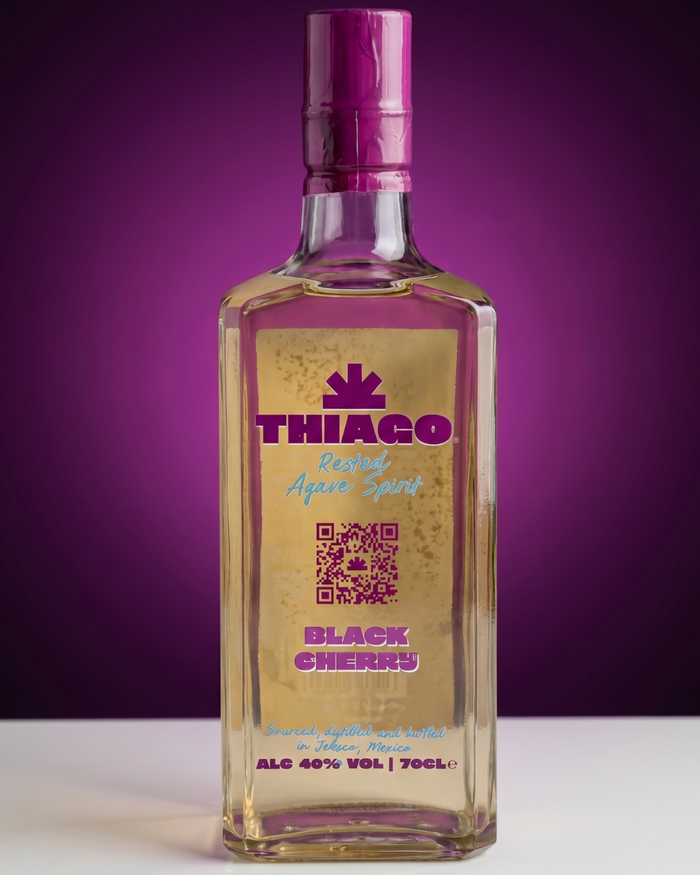
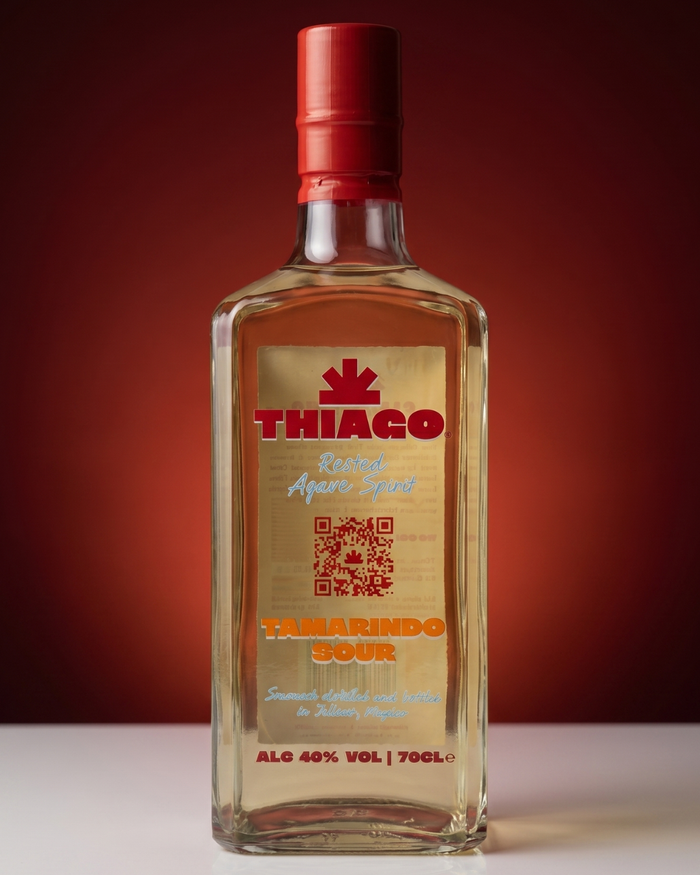
That is why black cherry tequila is gaining attention as a serious after-dark option. Cherry has enough dark-fruit richness to work with a rested agave profile, especially when balanced with bitterness, citrus oils or dry sparkling wine. It can feel luxurious rather than confectionery, provided the tequila remains present from first sip to finish.
The trade-off is simple: flavour-led spirits need restraint around them. Add too many syrups, juices and garnishes and the drink loses definition. A sharp, stripped-back build gives a premium flavoured reposado the space to do its job.
Agave with provenance is the new calling card
Tequila drinkers are asking better questions. Where was it made? What is the base spirit? Is it genuinely tequila, or a tequila-inspired product? Those details matter because they change the drinking experience.
A 100% Blue Agave Reposado Tequila from the highlands of Jalisco carries more than a place name. It signals a specific production heritage and a category with real character. Reposado tequila spends time resting in oak, which can bring softer edges and subtle warmth without losing the cooked agave notes that make tequila distinctive. That combination makes it a natural fit for nightlife: complex enough to sip, confident enough to anchor a cocktail.
For bars, provenance also gives staff a better story to tell in a few seconds. A clear origin and an honest ingredient standard stand up in conversation far better than vague claims about being “premium”. For guests, it means choosing a drink with substance, not just a photogenic colour.
Reposado tequila cocktails favour precision
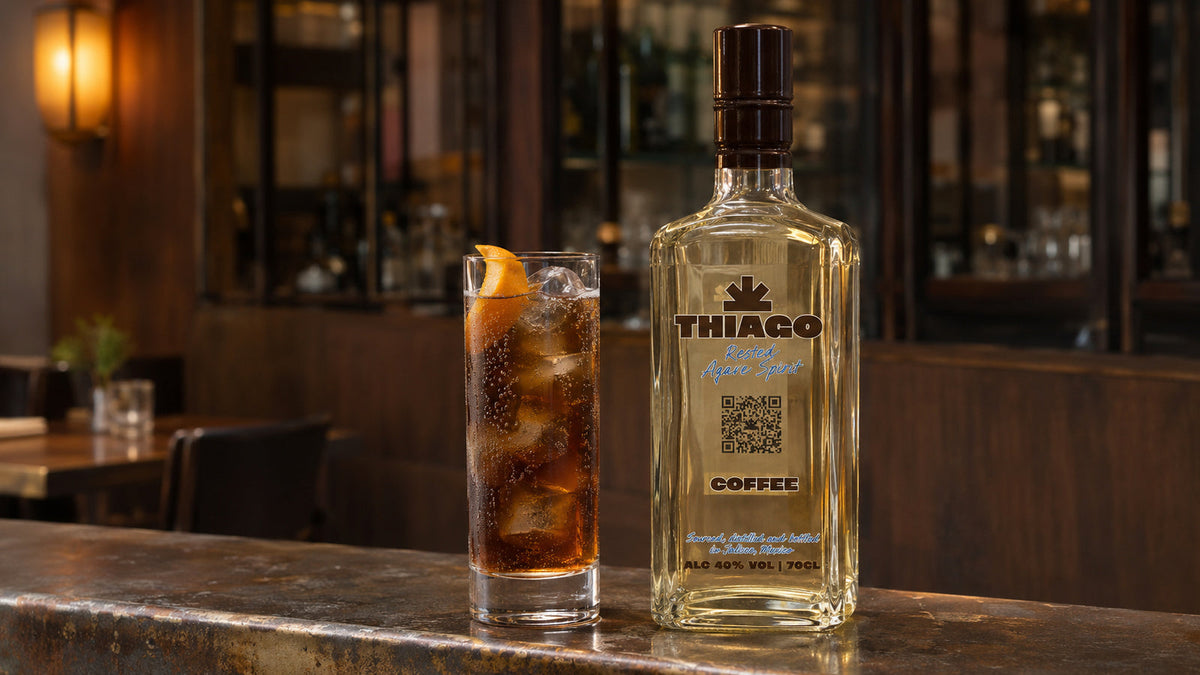
The strongest reposado tequila cocktails are not overloaded. They use contrast intelligently: tartness against oak softness, spice against fruit, coffee against agave brightness. Think of a black cherry and soda highball with a bitter aperitif edge, or a coffee reposado serve lengthened with chilled tonic and an orange twist. These are drinks with tension, not clutter.
Carbonation is central to this direction. A well-built spritz can keep a 40% ABV spirit feeling fresh and social, particularly in busy venues where guests want a drink that stays lively from bar to terrace. The formula is flexible - spirit, dry fizz, soda and one deliberate finishing note - but it depends on quality at the base. If the spirit is thin, bubbles will not rescue it.
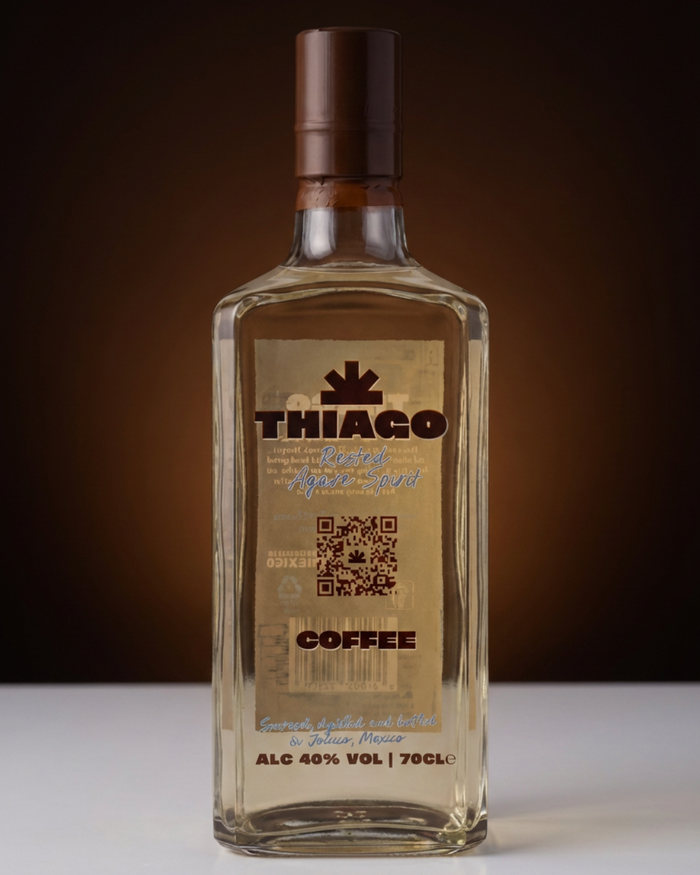
Coffee is another flavour moving out of predictable territory. Rather than treating it as a dessert cue, bartenders are using coffee notes for roast, bitterness and late-night depth. It is a natural partner for rested tequila, whether served short over ice or built into an espresso-led cocktail that is dry, aromatic and far removed from syrupy excess.
Smaller formats are changing how people party
Convenience has grown up. The best portable drinks formats do not ask people to choose between quality and ease; they make a considered serve possible wherever the plans go next. That matters for festivals, house parties, weekend trips and pre-venue gatherings where carrying full-size bottles is impractical.
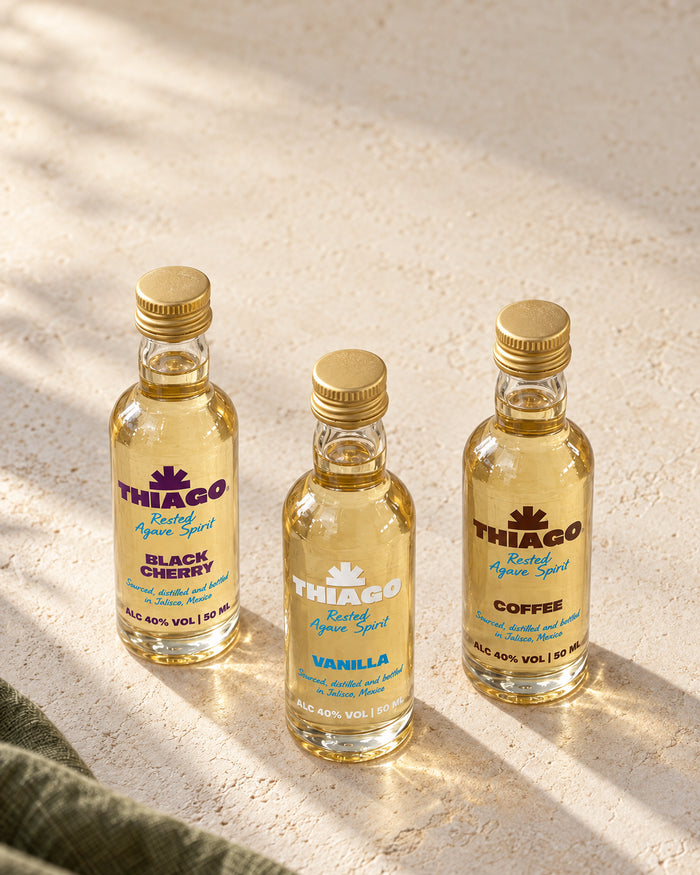
A 50ml format has particular appeal because it is measured, shareable and easy to chill. It gives guests the freedom to sip neat, build a quick spritz or create a simple cocktail without opening a large bottle for one occasion. It also makes flavour discovery less of a commitment. Try coffee one night, black cherry the next, then find the expression that earns a permanent place in the drinks cabinet.
Thiago Tequila Minis bundle brings that idea into focus: naturally flavoured 40% ABV reposado tequila in portable 50ml bottles, designed for flavour-led social plans rather than sugary shortcuts. For travellers, 50ml bottles are generally compatible with hand-luggage liquid allowances, although airport rules and total liquid limits always vary, so checking before travelling is sensible.
The format is not only for travel. It suits the new rhythm of nightlife, where one evening can begin at a friend's flat, move to dinner and finish somewhere louder. A compact bottle does not replace a great bar programme, but it does extend the occasion with more control and less waste.
The best menus are editing harder
One overlooked nightlife trend is menu discipline. A shorter selection, built around a few excellent spirits and distinct flavour families, feels more assured than a page of near-identical options. It speeds up decisions, supports service and makes the drinks easier to remember.
For hospitality buyers, this has practical value. A versatile tequila can support a neat pour, a highball, a spritz and several signature serves, reducing the need for a back bar full of single-use bottles. For guests, that versatility creates familiarity without boredom. They can return to the same spirit in a different mood and still feel they are trying something new.
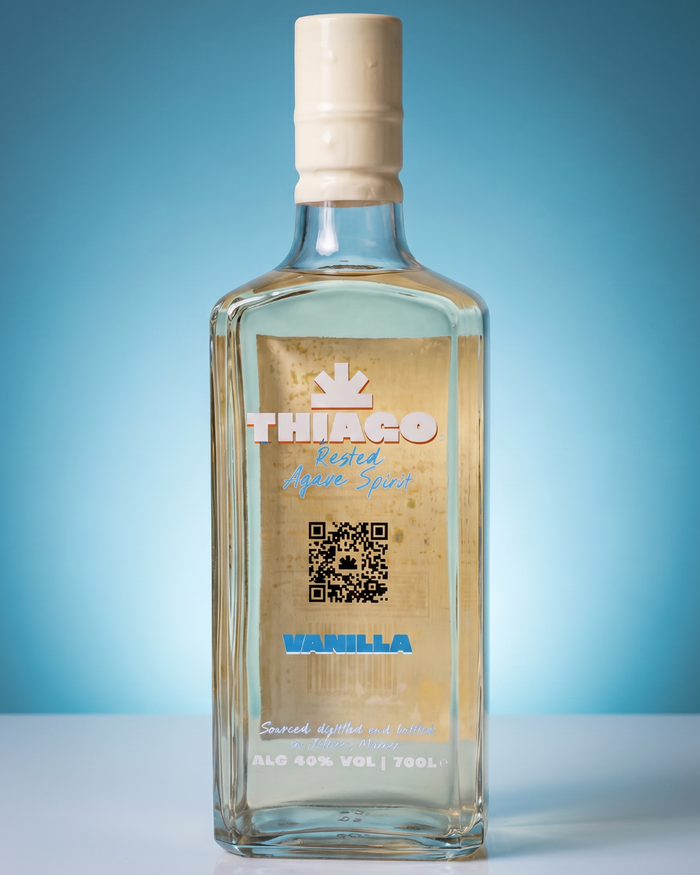
This approach works best when the venue understands its crowd. A late-night music bar may lead with crisp, sparkling serves; a restaurant might use a richer coffee or vanilla expression after dinner. Neither approach is automatically better. The key is matching flavour, pacing and strength to the occasion rather than chasing every trend at once.
What to look for when ordering after dark
A premium nightlife pour should be easy to recognise before it reaches the table. Look for a clear base spirit, natural flavour cues and a level of sweetness that lets the agave show through. If a menu mentions Blue Agave, Jalisco or reposado, those are useful signals, but the final test is balance. A good drink should feel complete, not artificially loud.
Ask how it is served if you are unsure. A confident bar team should be able to explain whether the drink is designed for sipping, lengthening or mixing, and what flavour notes to expect. That exchange is part of the experience. The modern premium drinker is not looking for a lecture, but they do appreciate a choice that feels considered.
The next great night out will not be defined by the most complicated cocktail on the menu. It will be shaped by the drink that delivers flavour, character and a little flexibility - something bold enough to remember, and balanced enough to order again.