A crowded bar is not automatically a successful tasting. To plan bar tasting events that guests remember, talk about and return for, every pour needs a purpose. The strongest nights feel social rather than sales-led, but they are built with clear commercial intent: introduce a distinctive spirit, give people a reason to stay for another serve, and leave the team confident recommending it long after the event ends.
For premium venues, a tasting is a chance to turn flavour discovery into genuine loyalty. It is also where the difference between a considered tequila-based spirit and a sugary novelty bottle becomes obvious. Get the format right and guests do not just taste the product. They understand why it belongs on the back bar.
Start with one clear reason to gather
A vague “tequila night” gives guests very little to hold on to. A focused idea gives the event energy before anyone arrives. Build the evening around a flavour, a seasonal moment, a cocktail style or a food-led collaboration. Think Black Cherry After Dark, Reposado and Espresso, or a late-summer spritz session with bold agave serves.
The concept should make sense for your venue. A cocktail bar can lean into technique and flavour structure. A neighbourhood bar may get better results from an accessible guided tasting followed by a social DJ set. A restaurant should let the kitchen lead, pairing small plates with each serve. There is no universal format, and trying to appeal to everyone usually produces an event that feels flat.
Set one measurable goal before you decide on décor, music or glassware. It may be selling a set number of bottles, generating new cocktail-menu trials, collecting bookings for a future event, or giving regulars a reason to visit on a quieter night. That goal will shape your guest list, ticket price and service plan.
Build a tasting that moves, not a lecture
The best bar tasting events have pace. Guests want to learn something, but they have come out to enjoy themselves. Keep the formal guided section to around 30 to 45 minutes, then let the room shift naturally into relaxed drinking and conversation.
Three serves is usually the sweet spot. It provides enough contrast to tell a flavour story without dulling guests’ palates or slowing service. Start with a neat, measured taste so people can understand the base spirit. Follow it with a simple long serve that shows versatility. Finish with a concise cocktail that feels like a proper bar order, not a demonstration.
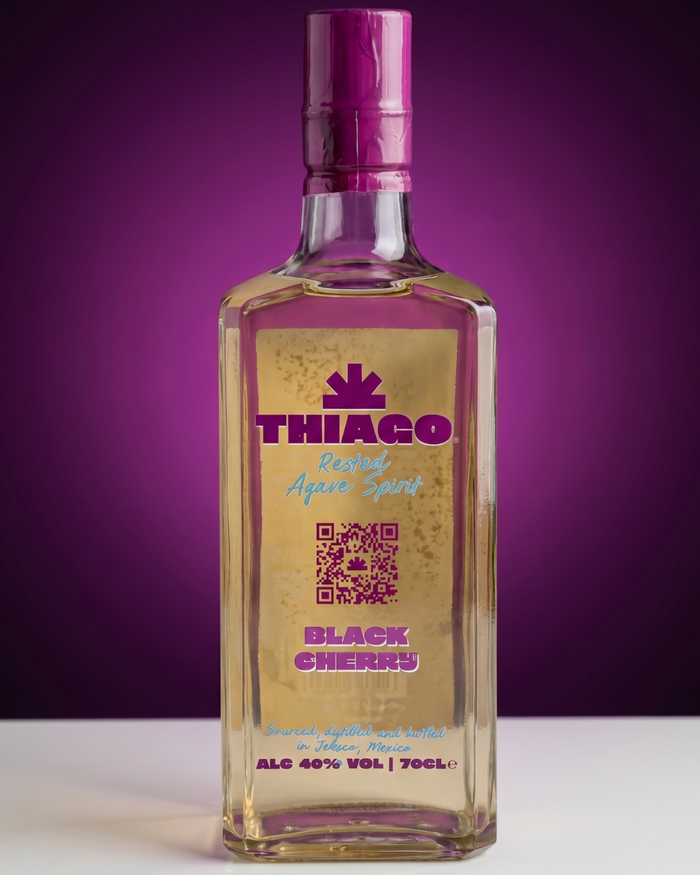
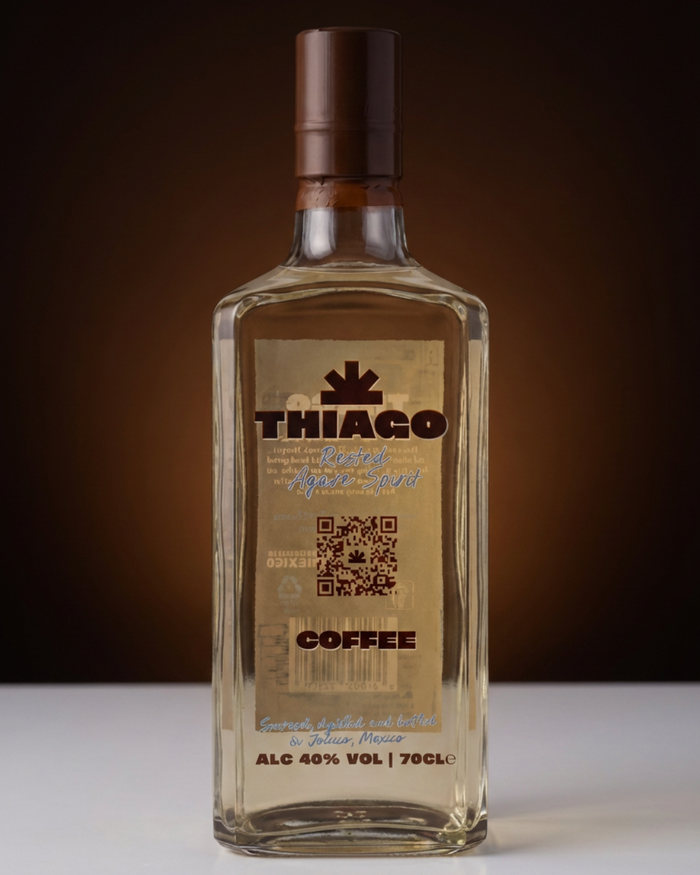
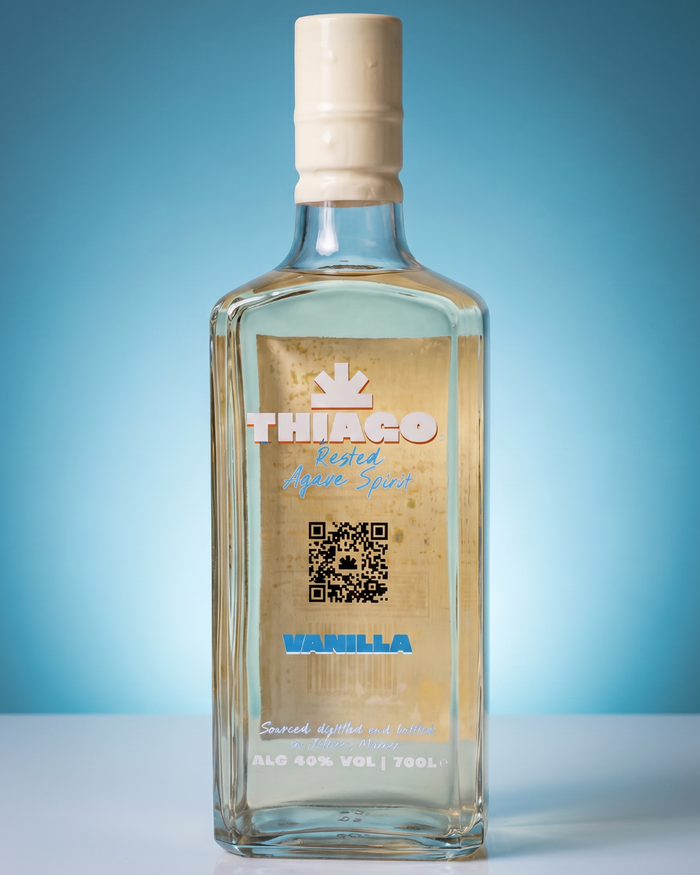
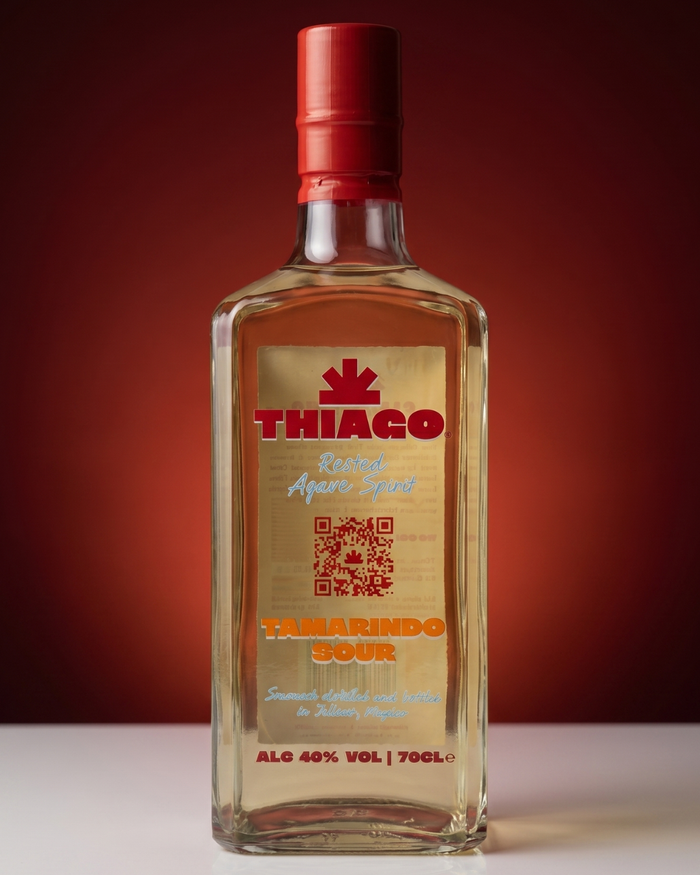
A flavour-led reposado tasting could begin with the richness and gentle oak character of 100% Blue Agave Reposado Tequila, then move through Vanilla or Coffee in a chilled highball-style serve before finishing with Black Cherry in a dark, elegant cocktail. The point is not to show off complexity for its own sake. It is to make each flavour feel intentional and easy to enjoy in a real night out.
Avoid pouring too much too early. Smaller measures sharpen attention, protect the guest experience and let people choose what they want to order afterwards. Water should be available throughout, and food is not an optional extra when alcohol is the main focus. A small savoury bite between serves can reset the palate and make the event feel more generous.
Give the host a story worth telling
A tasting host does not need to perform like a brand ambassador reading from a script. They need a handful of facts that sound good out loud and answer the question guests are already asking: why is this different?
Give them a clear narrative. The agave is grown, distilled and bottled in the highlands of Jalisco, where altitude and climate shape the character of the spirit. Reposado tequila spends time resting, bringing a softer, more rounded profile while allowing the agave to remain present. Natural flavour can build on that foundation without covering it in excess sweetness, artificial additives or colouring.
That story should be delivered in short, vivid moments between pours. Keep the language sensory and direct. Talk about the roasted agave depth underneath Coffee, the rounder edge Vanilla brings to a serve, or the ripe-fruit lift of Black Cherry against a reposado base. Guests remember a flavour connection far more readily than a production lecture.
Brief every member of the bar team before doors open. They should know the three serves, the key ingredient credentials, the suggested food matches and the next drink to recommend. If one guest asks a question and receives three different answers from three bartenders, the premium positioning starts to unravel.
Price for commitment, not a bargain crowd
Free tastings can work for a shop floor or a quick brand activation, but a bar event needs a ticket that creates commitment. A paid ticket reduces no-shows, gives the venue a reason to invest in staffing and creates permission to offer a considered experience. The price does not need to be high. It needs to match what is included and feel fair for the audience.
A smart approach is to include the guided serves and a small food pairing, then give guests a reason to stay with a time-limited offer on full serves or bottles after the tasting. Avoid heavy discounting. A premium spirit should not be introduced as a cheap deal. Better value can come through an exclusive menu serve, a reserved table area, or an additional cocktail for ticket holders.
If your objective is trade engagement rather than consumer sales, keep the guest list tighter. Invite local hospitality teams, buyers and bartenders who can put the product into rotation. Their experience should be less theatrical and more useful: tasting notes, serve costs, menu placement ideas and honest discussion about what sells in their venue.
Make the room look as good as the liquid tastes
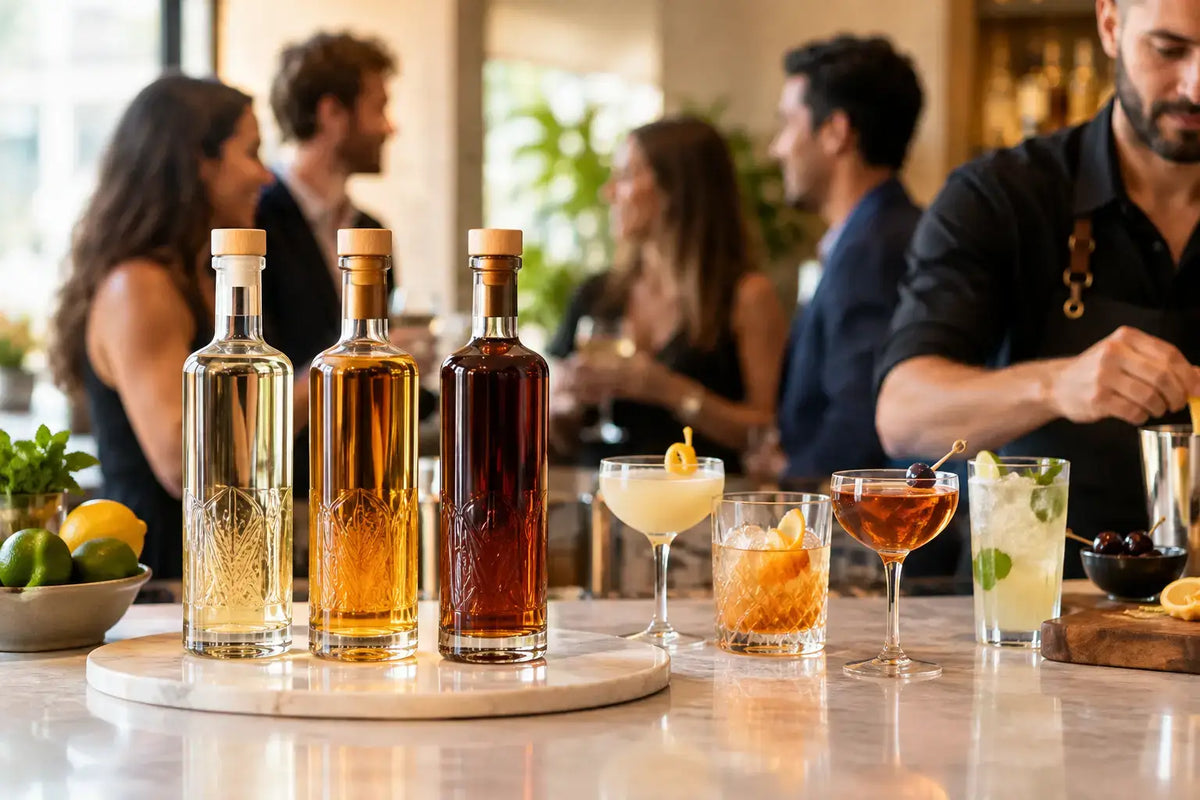
Visuals matter because guests will share what feels worth sharing. That does not mean covering the bar in props. It means creating one strong visual moment: a clean flavour-colour cue, elevated menus, considered lighting and glassware that suits the serve.
Keep the bar itself functional. A beautiful display that blocks the bartender or leaves guests waiting is not premium hospitality. Put stock, ice, garnishes and batch bottles where the team can work quickly. The event’s most valuable photograph may be the first cocktail served perfectly, but the most valuable outcome is a guest ordering a second without having to flag someone down.
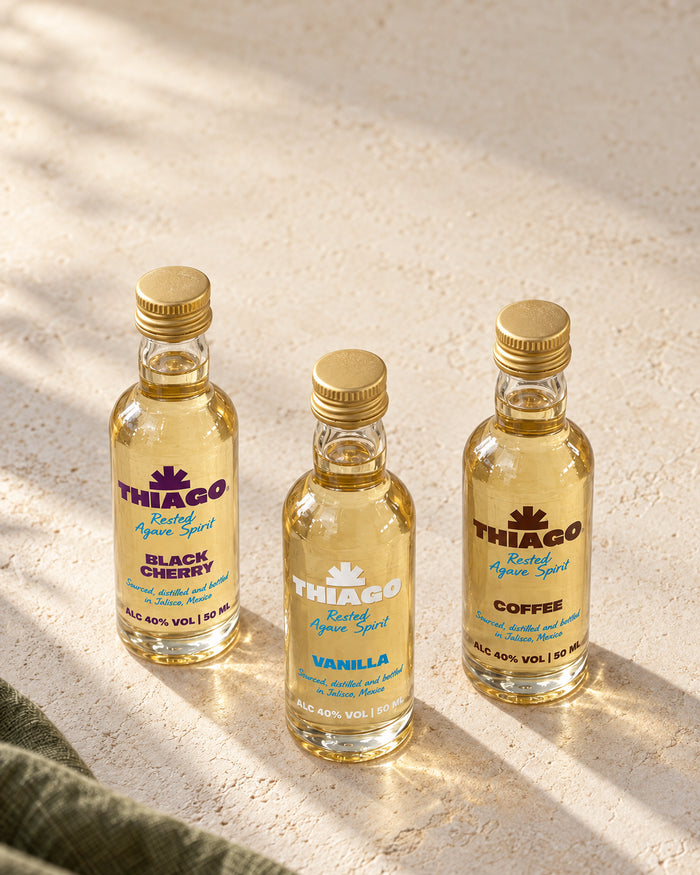
For festivals, house parties and travel-led occasions, smaller formats can extend the story beyond the bar. Thiago Tequila Minis give guests a 50ml, plane baggage-friendly option for sipping, spritzing or building a quick cocktail on the go. They work particularly well as a limited ticket-holder addition or a take-home touchpoint, provided the venue presents them as part of the flavour experience rather than a throwaway freebie.
Promote the experience, not just the date
“Tickets on sale now” is not enough to fill a room. Tell people what they will taste, what they will learn and what kind of night they can expect. Lead with the concept, then the practical details. A guest should be able to picture the atmosphere before they book.
Use a short sequence of promotion rather than one announcement. First, reveal the theme and date. Next, introduce the featured flavours or menu serves. Then show the host, the food partner or the room setup. In the final days, create urgency with a genuine reason to book: limited seats, a first-pour time, or a ticket-holder-only serve.
The guest list matters as much as reach. Regulars bring trust, while local cocktail lovers bring curiosity. Hospitality people bring influence. If you have a small budget, put it into excellent photography, a confident bartender-host and a targeted local audience rather than broad, forgettable promotion.
Measure what happens after the final pour
Do not judge the night by attendance alone. Track ticket sales, show-up rate, post-tasting full serves, bottle purchases and which flavour prompted the most conversation or repeat orders. Ask the team what guests questioned, where service slowed down and which serve they would confidently keep on the menu.
A quick follow-up matters. Thank attendees, share the featured serves in a simple format and invite them back for the next flavour-led event. If your bar captured bookings or opted-in contacts, use that relationship with restraint. One useful message is better than a stream of generic offers.
The real test comes in the following weeks. When a guest returns and asks for the drink they discovered at your tasting, the event has done its job. Give them a serve with a point of view, a story they can repeat and a reason to order it again.