Table of Contents
- Understanding Blue Weber Agave: The Foundation
- Reading the Label: The NOM Number and 100% Agave Certification
- Spotting Additives: How to Verify Additive-Free Spirits
- Is Flavoured Tequila Actually Healthy: Understanding Sugar and Ingredients
- Best Flavoured Tequila UK: Identifying Premium Quality
- Step-by-Step: Your Verification Checklist
- Common Mistakes to Avoid When Selecting Agave Spirits
- Conclusion
Last Updated: August 23, 2026
According to the UK's Food Standards Agency guidance on spirits labelling, identifying authentic agave spirits requires more than a glance at the bottle. At ThiagoTequilaCompany, we've spent years helping drinkers distinguish genuine 100% Blue Agave tequila from the synthetic alternatives flooding the market. This guide walks you through exactly how to identify real agave, from reading the label's hidden codes to spotting additives your palate would reject anyway.
Understanding Blue Weber Agave: The Foundation
The Blue Weber Agave plant is unmistakable once you know what to look for. It's the only agave species legally permitted in tequila production, and it grows almost exclusively in the highlands of Jalisco. The plant develops a distinctive rosette form: thick, waxy grey-blue leaves arranged in a tight spiral around a central heart. That heart, called the piña, is what distillers harvest. It resembles a massive pineapple, which is exactly why Spanish conquistadors named it that way.

Botanical characteristics and plant identification
Real Blue Weber Agave reaches maturity between seven and ten years. The leaves grow up to two metres long and develop a distinctive waxy coating that protects the plant from the intense highland sun. The plant stores fermentable sugars in its piña for years before harvest, which is why timing matters so much for flavour development.
The piña itself can weigh anywhere from 40 to 90 kilograms when mature. A healthy piña has a pale yellow-white interior when cut open, with a slightly sweet aroma. This raw material quality is what separates authentic tequila from mixto (which blends agave with other sugars).
How to distinguish agave from lookalikes
Other agave species grow in Mexico, but they're not tequila. Agave americana and Agave salmiana look similar at first glance but have broader, lighter-coloured leaves and different rosette structures. Only Blue Weber Agave has that distinctive waxy coating and tight, compact form.
If you're buying tequila, the label does the identification for you. But understanding the botanical difference explains why authentic tequila costs what it does. Growing Blue Weber Agave in Jalisco's specific terroir, waiting seven to ten years for maturity, and harvesting at peak sugar content is labour-intensive and expensive.
Reading the Label: The NOM Number and 100% Agave Certification
The NOM number is your first defence against counterfeit spirits. NOM stands for Norma Oficial Mexicana, Mexico's official standard for tequila production. Every legitimate distillery receives a unique NOM number, and it's printed on every bottle they produce. This number tells you exactly which distillery bottled your spirit.
What the NOM number tells you about authenticity
The NOM appears on the front or back label, usually in small print. It reads like "NOM-1234-DOF" or similar. When you see a NOM number, you can trace that bottle directly to a specific distillery in Jalisco. No NOM number? The spirit isn't legally tequila, regardless of what the label claims.
Research from the Consejo Regulador del Tequila (CRT), Mexico's official tequila regulatory body shows that counterfeit spirits often omit the NOM entirely or use fake numbers. A quick online search with the NOM number reveals the distillery's name, location, and production capacity. Legitimate distilleries are listed in the CRT's public database. If a number doesn't appear there, the bottle is fraudulent.
100% Blue Agave versus Mixto: The critical difference
"100% Blue Agave" on a label means exactly what it says: the spirit contains only fermentable sugars derived from Blue Weber Agave. No corn syrup, no cane sugar, no other additives for fermentation. Mixto tequila can contain up to 49% non-agave sugars, a massive difference in both flavour and production cost.
Mixto isn't necessarily bad, it's simply cheaper to produce. But the result is a spirit that tastes thinner, harsher, and often requires heavy flavouring or colouring to mask those characteristics. Premium tequila drinkers reject mixto immediately because they can taste the difference.
The label must state "100% Blue Agave" or "100% Agave" if that's what's inside. If the label says only "Tequila" with no percentage claim, it's mixto. This is the single most important distinction you'll make when shopping. Thiago's entire range uses 100% Blue Agave Reposado, rested six months in white oak barrels, no shortcuts, no mixto blends.
Spotting Additives: How to Verify Additive-Free Spirits
Commercial tequila producers add dozens of ingredients after distillation. Glycerin smooths the mouthfeel. Artificial sweeteners mask harsh notes. Colouring agents create a golden hue that consumers associate with age and quality. None of these are required by law, but they're common cost-cutting measures.
Common additives used in commercial tequila
Glycerin is the most widespread additive. It creates a silky texture on the palate but masks the true character of the spirit. Artificial sweeteners like aspartame or sucralose appear in lower-quality brands to compensate for thin, unbalanced flavour profiles.
Caramel colouring is added to make young tequila look aged. Real ageing in oak barrels creates colour naturally over time. Artificial colouring achieves the same visual effect instantly and at a fraction of the cost. Vanillin (synthetic vanilla flavour) and other aromatic compounds are sprayed onto the spirit after distillation, creating the illusion of complexity without any actual craftsmanship.
Sensory verification techniques for detecting artificial ingredients
Your palate is your best detector. Real agave spirits have a clean, slightly sweet aroma with subtle earthiness. Artificial additives create a perfumed, almost chemical smell. On the palate, authentic 100% Blue Agave tequila should feel smooth without being oily. If it feels unnaturally silky or leaves a sticky residue on your tongue, glycerin is present.
The finish is where additives reveal themselves most clearly. Authentic tequila has a clean, warm finish that fades gradually. Glycerin-laden spirits leave a sticky, lingering mouthfeel. Artificially sweetened spirits finish with a chemical tang. Genuine Mexican ingredients create a natural, integrated finish that feels like part of the spirit itself.
Is Flavoured Tequila Actually Healthy: Understanding Sugar and Ingredients
This question matters because flavoured spirits occupy a marketing grey area. Some brands use the word "flavoured" to mean "infused with real ingredients." Others use it to describe spirits loaded with syrup and artificial sweeteners.
Sugar content in authentic versus synthetic flavoured spirits
Real agave contains natural sugars, but fermentation converts those sugars into alcohol. A finished tequila spirit contains negligible residual sugar, typically less than 0.5 grams per 50ml serving. This is true whether the tequila is plain or flavoured with real Mexican ingredients.
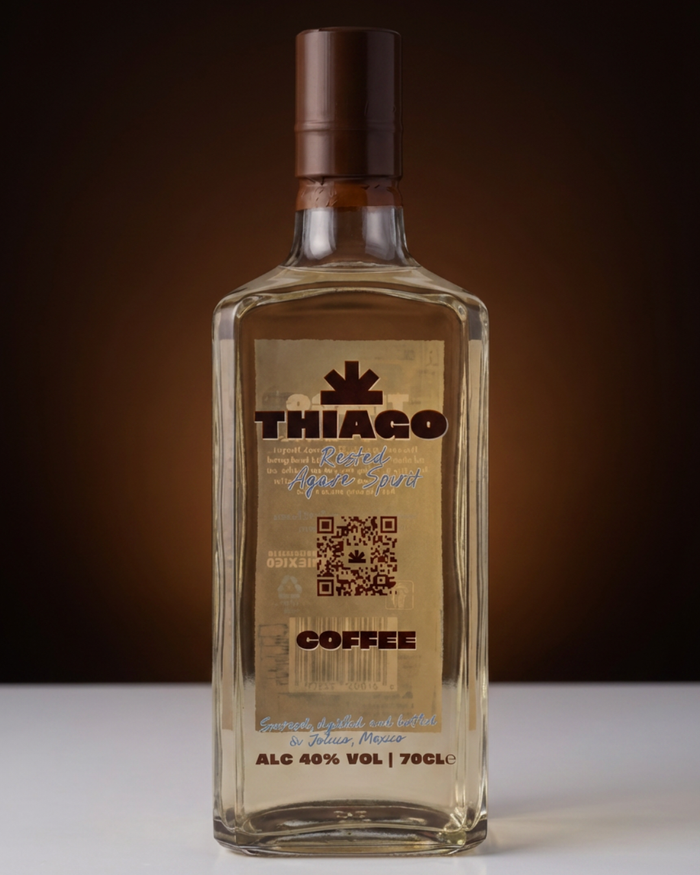
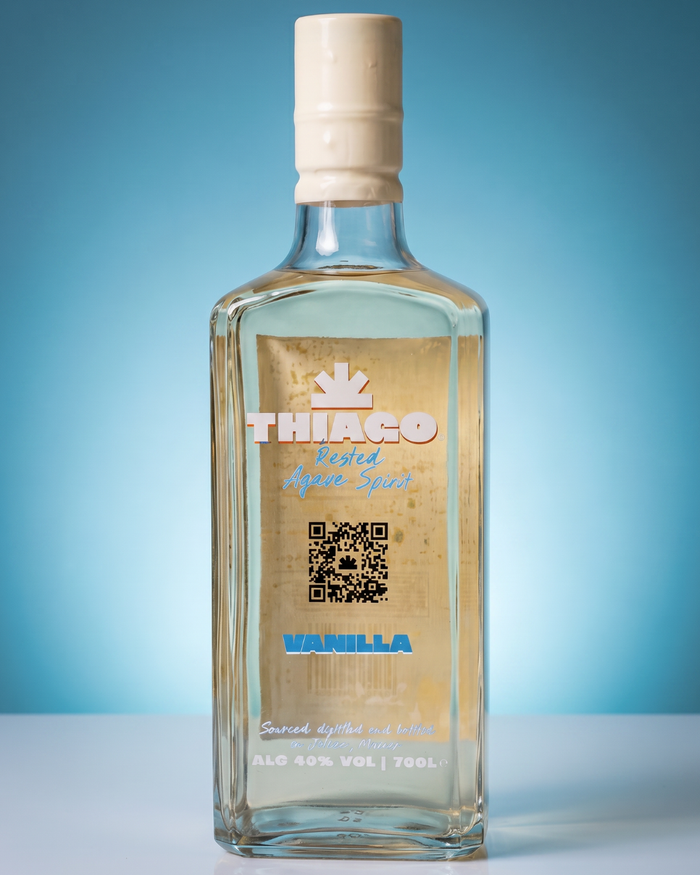
Synthetic flavoured tequilas often contain added sugars or sugar alcohols to enhance flavour. Brands that use syrup-based flavouring add 3-8 grams of sugar per serving, depending on the product. Thiago's approach is straightforward: real Mexican ingredients, zero added sugar. Black cherry tequila contains actual black cherry infusion. Vanilla tequila uses Mexican vanilla beans. Coffee tequila incorporates locally sourced coffee. No syrups, no artificial sweeteners, no compromise.
Real Mexican ingredients versus syrup-based alternatives
Real ingredient infusion happens during or immediately after distillation, when the spirit's proof and temperature allow proper extraction. The ingredient integrates with the spirit chemically, creating genuine flavour complexity. This method is expensive and time-consuming.
Syrup-based flavouring is sprayed or mixed into the finished spirit. It's fast, cheap, and creates consistent results, but the flavour never integrates properly. When evaluating flavoured tequila, check the ingredient list. If it lists "natural flavours" or specific ingredients like "black cherry" or "vanilla bean," you're looking at a real ingredient approach. If it lists "caramel colour," "glycerin," "artificial flavours," or vague terms like "flavouring compound," it's syrup-based.
Best Flavoured Tequila UK: Identifying Premium Quality
Premium flavoured tequila shares specific characteristics. It starts with 100% Blue Agave Reposado as the base, aged six months in white oak for smoothness and depth. The flavouring comes from real, identifiable Mexican ingredients. The distillery is transparent about its production methods and can be traced through its NOM number.
What separates authentic craft tequila from commercial blends
Craft tequila prioritises ingredient quality and production integrity over volume and profit margin. Craft producers use traditional production methods: slow fermentation, small-batch distillation, careful barrel selection for ageing. Commercial producers optimise for speed and consistency.
try all three minis · £15.99 →
Thiago sits firmly in the craft category. Each batch uses 100% Blue Agave Reposado from Jalisco's highlands, infused with real Mexican ingredients, and bottled at 40% ABV. The brand prioritises smoothness without harsh burn, something that requires careful distillation and quality control. You can taste the difference immediately: no chemical aftertaste, no sticky glycerin residue, no artificial sweetness masking thin spirit underneath.
The role of terroir and Jalisco production standards
Terroir, the influence of geography, climate, and soil on flavour, matters for agave just as it does for wine or whisky. Jalisco's highland region, where Thiago sources its agave, has specific volcanic soil composition and altitude that shape the agave plant's sugar development.
The CRT's terroir documentation recognises five official tequila regions, each with distinct characteristics. Jalisco highlands produce agave with higher acidity and more mineral notes, the foundation for smooth, complex spirits. Jalisco production standards are strict. Distilleries must use agave harvested from designated regions. Water sources are regulated. Fermentation and distillation methods are monitored. These standards exist precisely to protect authenticity and consistency.
Step-by-Step: Your Verification Checklist
Use this checklist every time you evaluate a new tequila. It takes two minutes and eliminates almost all counterfeit or low-quality spirits.
Visual inspection and sensory assessment
Step 1: Check the NOM number. It should appear on the front or back label in small print. Search the CRT database online to confirm the number is real and matches the claimed distillery. No NOM number means the spirit isn't legally tequila.
Step 2: Verify the percentage claim. The label must state "100% Blue Agave" or "100% Agave" if that's what you're buying. If it says only "Tequila" with no percentage, it's mixto.
Step 3: Examine the colour. Blanco (unaged) tequila is crystal clear or very pale. Reposado (aged 2-11 months) is golden. Añejo (aged 1-3 years) is darker amber. If the colour doesn't match the stated age category, artificial colouring is likely present.
Step 4: Smell the spirit. Real agave has a clean, slightly sweet aroma with subtle earthiness. Artificial additives smell perfumed, chemical, or cloying. Trust your nose.
Step 5: Taste a small amount neat. Authentic tequila should feel smooth without being oily. You should detect agave character, not just sweetness or artificial flavouring. The finish should be clean and warm, not sticky or chemical.

Label verification and regulatory compliance
Check for these specific label elements:
| Label Element | What It Means | What to Look For |
|---|---|---|
| NOM number | Distillery identification | Valid, traceable in CRT database |
| 100% Agave claim | No non-agave sugars used | Must appear if spirit is 100% agave |
| Age statement | Barrel ageing duration | Blanco, Reposado, Añejo, or Extra Añejo |
| Proof/ABV | Alcohol by volume | Typically 35-55% ABV |
| Country of origin | Production location | Must state "Product of Mexico" |
| Ingredient list | What's actually in the bottle | Real ingredients vs. additives |
Regulatory compliance indicates whether the producer respects legal standards. A brand that includes all required information and can be traced through its NOM number is far more likely to be legitimate than one with vague labelling or missing details.
Common Mistakes to Avoid When Selecting Agave Spirits
Mistake 1: Assuming darker colour means better quality. Colour indicates age, not quality. Judge quality by flavour and smoothness, not appearance.
Mistake 2: Trusting marketing language over label facts. Brands use terms like "premium," "craft," and "authentic" liberally. The actual facts, NOM number, percentage claim, ingredient list, tell the real story.
Mistake 3: Confusing price with quality. Expensive tequila isn't always better. A moderately priced 100% Blue Agave Reposado from a reputable distillery often outperforms a pricey brand using mixto or heavy additives.
Mistake 4: Ignoring the ingredient list. This is where additives hide. Glycerin, caramel colour, artificial sweeteners, and synthetic flavouring all appear here.
Mistake 5: Buying based solely on bottle design. Beautiful packaging doesn't guarantee quality spirit inside. Some of the best tequilas come in simple bottles.
Mistake 6: Not tasting before committing to a brand. If possible, try a small amount neat before buying a full bottle. Your palate is the final arbiter.
Identifying real agave spirits is straightforward once you know the markers: a valid NOM number, a 100% Blue Agave claim, clean sensory characteristics, and transparent ingredient sourcing. The market for authentic tequila has expanded dramatically in recent years, but so has the volume of counterfeit and low-quality alternatives. Armed with this checklist, you'll navigate that landscape with confidence.
For those seeking a proven example of authentic craft tequila, Thiago's Black Cherry Reposado demonstrates every principle covered here. It's 100% Blue Agave from Jalisco, aged six months in white oak, infused with real Mexican black cherry, and contains zero added sugar. No glycerin, no artificial sweeteners, no shortcuts. The smoothness speaks for itself, sipped neat, over ice, or in a cocktail, you taste the agave and the cherry, nothing else. For those on the move, Thiago Tequila Minis offer the same premium quality in 50ml bottles, perfect for party goers, festival goers, and travellers seeking plane baggage-friendly spirits to sip, spritz, or cocktail on the go.
Frequently Asked Questions
How can I tell if a tequila is 100% agave or mixto?
Check the front label for '100% Blue Agave' or '100% Agave', this is legally required. Mixto spirits will state a percentage or simply say 'tequila' without the 100% claim. Look for the NOM number on the back label, then verify it through official tequila regulatory databases. Authentic 100% Blue Agave tequila will have a cleaner taste profile without artificial sweetness, whereas mixto blends often contain added sugars and additives that create a syrupy finish.
What does the NOM number actually verify about a tequila?
The NOM (Norma Oficial Mexicana) number identifies the specific distillery where the spirit was produced. It's a four-digit code that appears on every authentic tequila bottle. You can cross-reference this number with official regulatory records to confirm the distillery's location, production methods, and compliance with Mexican tequila standards. A legitimate NOM number proves the spirit was genuinely distilled in an authorised facility in the designated tequila region, typically in Jalisco. If a bottle lacks a NOM or has an invalid number, it's not authentic tequila.
Is flavoured tequila actually healthy compared to regular tequila?
The health profile depends entirely on how the flavouring is added. Authentic flavoured tequila made with real Mexican ingredients and zero added sugar is no less healthy than unflavoured 100% Blue Agave tequila, both contain 40% ABV with no added sugars. However, many commercial flavoured spirits use syrup-based additives, artificial sweeteners, and glycerin, which can increase calorie content and create digestive discomfort. When selecting flavoured tequila, verify the label states 'no added sugar' and check the ingredient list for real botanicals rather than artificial flavourings or colouring agents.
What's the difference between real agave and agave lookalikes?
True Blue Weber agave has thick, waxy grey-blue leaves arranged in a tight rosette, typically reaching 1.5-2 metres in height. The leaves are rigid, sword-shaped, and curve slightly inward. Common lookalikes include aloe vera (which has thinner, translucent leaves), century plants (which have sharper spines), and other agave species with different leaf colouration or texture. The piña (the heart harvested for tequila production) in genuine Blue Weber agave is large, dense, and pale when cut. If you're examining a bottle rather than a plant, the spirit itself should be clear if it's blanco, or golden if it's been aged in oak, never artificially coloured or cloudy.