A cocktail can be perfectly measured and still fall flat if the tequila disappears beneath the mixer. Knowing how to choose tequila for cocktails is less about chasing the most expensive bottle and more about choosing a spirit with enough real agave character, texture and purpose for the drink in front of you.
The right tequila gives a serve shape. It can bring bright pepper and citrus lift to a long drink, rounded vanilla and oak to a richer cocktail, or a distinctive fruit note that turns a familiar order into the one people remember. Start with the style of cocktail you want to make, then choose a tequila that has something worthwhile to say in it.
How to choose tequila for cocktails by style
The first decision is not the garnish or glassware. It is whether your cocktail needs freshness, depth or flavour-led impact. Tequila styles are defined in part by ageing, and that ageing changes how they work with other ingredients.
Blanco for brightness and clean agave character
Blanco tequila is generally the most direct expression of blue agave. Expect lively herbal notes, citrus-like lift, pepper and an earthy edge, although the exact profile changes with where and how it is made. It is the natural choice when you want tequila to cut cleanly through sparkling mixers, sharp fruit, herbs or a saline-style ingredient.
Choose blanco for cocktails that are tall, crisp and refreshing. Think agave-led highballs, grapefruit builds, shaken citrus drinks and any recipe where you want a clean finish rather than oak influence. A good blanco should remain present after dilution. If it tastes thin when served over ice, it may struggle once several ingredients enter the glass.
Reposado for texture, warmth and versatility
Reposado tequila is rested in oak, creating a bridge between vivid agave and rounded barrel character. That can mean soft spice, cooked agave, vanilla, light caramel and a fuller texture, without losing the identity of the spirit. For many home bars and hospitality teams, it is the most flexible starting point.
Reposado tequila cocktails work especially well when the drink has richness or spice already built in. Coffee, ginger, dark fruit, aromatic bitters and warming spices all find a natural partner in its rounded profile. It can also bring polish to a simple two-ingredient serve, where the tequila has nowhere to hide.
Do not assume all reposados are sweet. The best examples use barrel ageing to build texture and length, not to cover the agave. If you prefer cocktails that finish dry and composed, look for a reposado that tastes balanced rather than heavily woody.
Añejo for slower, spirit-forward serves
Añejo tequilas spend longer in oak, often bringing deeper notes of baking spice, dried fruit, chocolate and toast. They suit drinks built more like a classic stirred serve, where the spirit is the main event and dilution is controlled.
That said, añejo is not automatically the best choice for every premium cocktail. Its richer oak character can fight bright citrus or delicate floral ingredients, while its higher price can be hard to justify in a recipe with a lot of other flavours. Use it when you want depth, not simply because it is more aged.
Look for 100% blue agave, then taste beyond the label
For cocktails with genuine tequila character, start with 100% blue agave tequila. It signals that the spirit is made entirely from blue agave sugars, giving you the distinctive cooked agave profile that makes tequila more than a neutral base with a Mexican name.
But the label is the beginning, not the finish. Two 100% blue agave tequilas can behave very differently in the same cocktail. One may be bright and grassy, another richer and more peppery; one may lead with citrus, another with earth and roasted agave. If possible, taste a small measure over ice with a splash of water before mixing. You are looking for a flavour that stays clear, not one that vanishes after the first cold sip.
Highland tequila from Jalisco often has a more fruit-forward, floral profile, while lowland styles can feel earthier, greener and more mineral. Neither is inherently superior. Highland character can be brilliant with berry, tropical fruit and sparkling serves. A more savoury style can bring authority to spicy or herb-led cocktails. Match the personality, rather than treating origin as a quality ranking.
Choose flavour with intention, not extra sweetness
Flavoured tequila has moved on from syrup-heavy novelty bottles. The smarter choice is a premium tequila base with natural flavour that adds a new direction without burying the agave underneath sugar, artificial colour or confectionery sweetness.
This matters because cocktails already have moving parts. Add a sweet flavoured spirit to a sweet mixer and the drink quickly loses definition. A naturally flavoured tequila with zero added sugar gives you more control. You can build sweetness where you need it, rather than spending the entire serve trying to balance it back out.
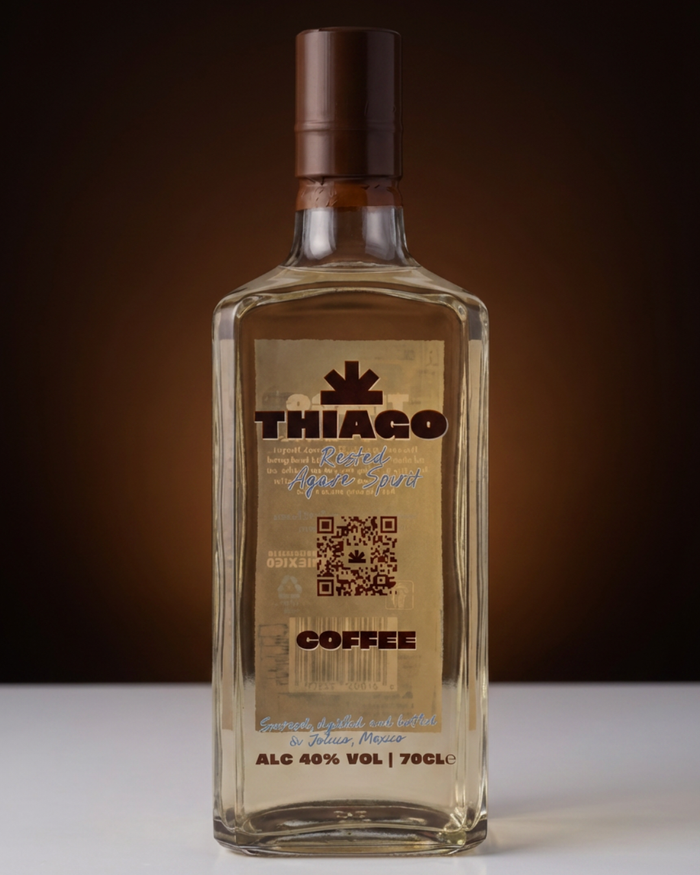
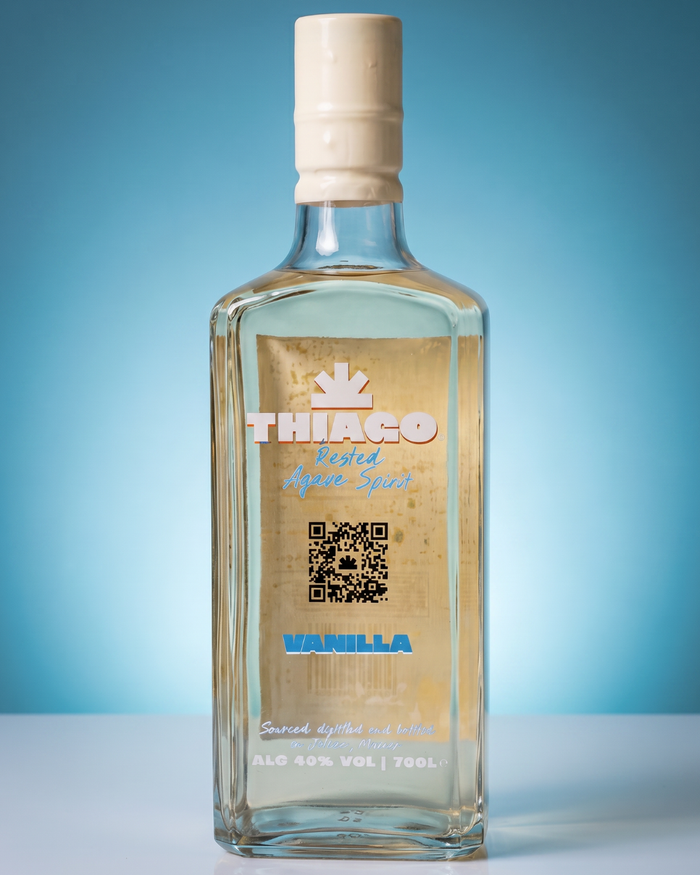
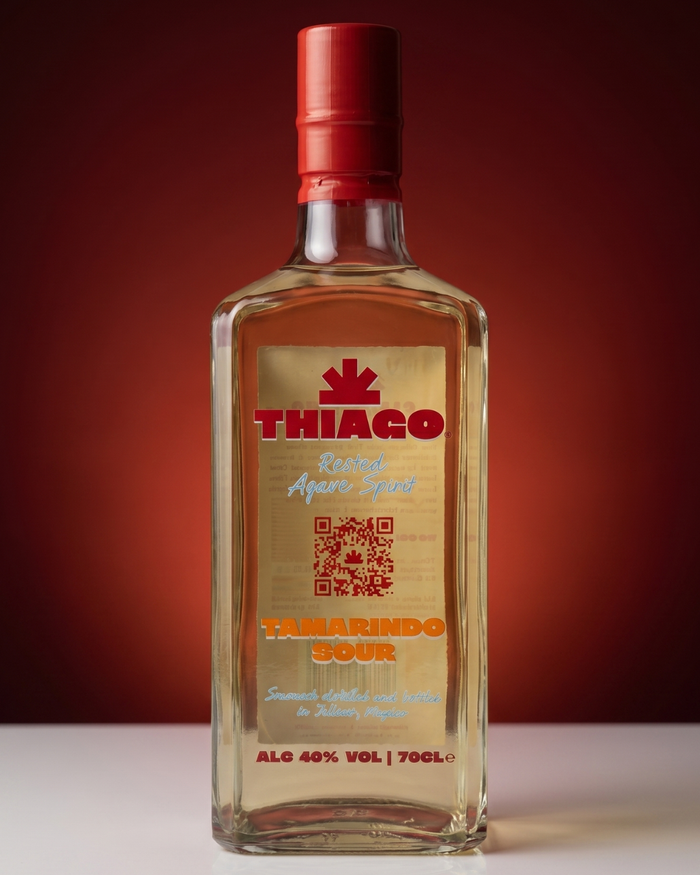
Black cherry tequila, for example, can bring dark-fruit depth to a sparkling aperitif-style serve or a cooler evening cocktail, especially when paired with bitter citrus, soda or a dry sparkling element. Coffee-led tequila can add roasted complexity to an after-dinner drink without requiring a cupboard full of liqueurs. Vanilla works beautifully with stone fruit, ginger and creamy textures, while tamarindo sour delivers tang, spice and a savoury-sour edge that can replace several ingredients at once.
The trade-off is simple: the more distinctive the flavour, the more disciplined the recipe should be. Let one bold note lead. Do not crowd a black cherry tequila with three competing fruit juices, or obscure tamarindo with overly sweet syrups. Premium flavour is there to make better cocktails with fewer compromises.
Build around strength, dilution and occasion
ABV changes the way tequila performs. A full-strength 40% ABV spirit brings structure, aroma and enough presence to carry ice, soda or juice without becoming anonymous. This is particularly useful in long drinks, where dilution is part of the experience rather than a flaw.
For a short, spirit-forward cocktail, a richer reposado at 40% ABV can feel confident and complete with only a few supporting elements. For a daytime terrace serve or a longer party drink, the same strength means you can extend it with quality soda and still taste the tequila. The goal is balance, not maximum intensity.
Also consider the setting. A considered dinner cocktail may call for a more layered reposado build. A busy house party needs a recipe that can be made quickly and consistently. Festivals and weekend trips call for portability as much as flavour. Thiago Tequila Minis bundle naturally flavoured 50ml reposado serves that are easy to pack for a party, spritz or cocktail on the go, and fit within plane cabin baggage liquid rules when carried in the required clear bag.
Three quick tests before committing to a bottle
First, smell it. A good cocktail tequila should offer more than alcohol heat. Look for cooked agave, fresh fruit, pepper, spice or oak, depending on the style. If the aroma is vague, mixing will not improve it.
Second, taste it cold with a little dilution. Most cocktails are served chilled and often over ice, so assess the tequila under similar conditions. Does the flavour broaden, or does it collapse? A spirit that retains its character here is likely to work hard in the glass.
Third, imagine the pairing. Bright and grassy tequila wants citrus, herbs and fizz. Rounder reposado wants dark fruit, coffee, ginger or spice. A natural flavour expression may need only one dry mixer and a thoughtful garnish. If you cannot picture the role the tequila will play, it is probably not the right bottle for that recipe.
Let the tequila do more of the work
The best cocktails do not rely on a long list of ingredients to feel premium. They begin with tequila that brings its own quality, provenance and character. Choose a 100% blue agave base, decide whether you need brightness or barrel-aged depth, and use flavour with a clear point of view.
Then keep the build honest. When the tequila is bold enough to enjoy neat and balanced enough to mix, the cocktail does not need to shout to make an impression.