Table of Contents
- What Makes Premium Tequila Different
- Understanding 100% Blue Agave Tequila and How to Verify It
- The Difference Between Blanco and Reposado Tequila
- Premium Tequila for Sipping: What to Look For
- Reposado Tequila Cocktails: Choosing the Right Spirit
- Reading the Label: Your Checklist for Authenticity
- UK Price Bands and Value Assessment
- Your Premium Tequila Selection Guide
- Frequently Asked Questions
Last Updated: October 6, 2026
What Makes Premium Tequila Different
Premium tequila separates itself through agave quality, production methods, and ageing. Learning how to choose premium tequila in the UK means investing in a spirit crafted with intention rather than volume.

It starts with the agave. Standard tequilas use agave from various regions and ages; premium options source 100% blue agave from highland areas where the plant develops deeper flavours and higher sugar content.
At Thiago Tequila, we source blue agave from the highlands of Jalisco, where elevation and soil create natural complexity. Distilled properly and aged in oak, it becomes smooth without harsh edges.
Ageing is where premium tequila stands out. An unaged blanco is fresh and bright; a reposado rested six months develops warmth and depth; an añejo aged over a year becomes mellow and rich.
What separates premium from standard:
- Source: 100% blue agave vs. mixed agave blends
- Production: Traditional methods vs. industrial shortcuts
- Ageing: Oak barrel rest vs. no ageing
- Flavour: Smooth, balanced palate vs. harsh alcohol burn
- Transparency: Clear labelling and provenance vs. vague sourcing
The taste difference is immediate: premium tequila slides across your palate, standard tequila burns. That's quality, not tradition.
Understanding 100% Blue Agave Tequila and How to Verify It
100% blue agave tequila means the spirit is made entirely from the blue Weber agave plant. No added sugars. No mixed agave varieties.
Regulations allow up to 49% non-agave sugars, so a bottle labelled "tequila" might contain less than half agave, the rest corn syrup, cane sugar, or fillers.
When you see "100% agave" on the label, every drop comes from the plant, no shortcuts, no sweeteners masking poor quality.
How to verify 100% agave on the label:
Look for these exact words: "100% Agave" or "100% Blue Agave." If the label says only "tequila" without the percentage claim, it's a mixed product.
Check the NOM number. Every tequila producer in Mexico has a Norma Oficial Mexicana (NOM) registration number.
Look for the producer's name and location.
Examine the ingredient list. It should read "blue agave" and possibly "water", nothing else. For flavoured expressions, real ingredients matter more than synthetic ones.
Red flags on the label:
- No percentage claim (means it's not 100% agave)
- Missing NOM number (means unverified origin)
- Vague producer information
- Long ingredient lists with unrecognizable names
- Price too low for claimed quality
The label is your first defence against marketing tricks. Spend 30 seconds reading it, it tells you everything.
The Difference Between Blanco and Reposado Tequila
Blanco tequila is unaged spirit, bottled immediately after distillation. Crystal clear and vibrant, it expresses pure agave character: fresh citrus, peppery finish, clean and sharp.
Reposado tequila is aged in oak barrels for two months to a year. The oak mellows the spirit, adds warmth, and develops vanilla and caramel notes, shifting the colour to pale gold or amber.
The choice between blanco and reposado depends on how you plan to drink it.
Blanco tequila excels in cocktails. Bright, clean flavours cut through mixers, margaritas, palomas, tequila sunrises. It also works for shots and neat sipping if you want pure agave.
Reposado tequila is better for sipping. Oak ageing smooths the alcohol burn and develops complexity, vanilla, caramel, and subtle oak alongside the agave. It's a spirit you sit with.
Some drinkers prefer reposado in cocktails too: a reposado margarita tastes richer than a blanco version, and a reposado paloma gains warmth and spice.
Blanco vs. Reposado comparison:
| Aspect | Blanco | Reposado |
|---|---|---|
| Ageing | None (bottled fresh) | 2-12 months in oak |
| Colour | Clear | Pale gold to amber |
| Flavour | Bright citrus, peppery | Vanilla, caramel, oak |
| Mouthfeel | Sharp, clean | Smooth, warm |
| Best use | Cocktails, fresh taste | Sipping, complex drinks |
| Alcohol burn | More noticeable | Mellowed by oak |
Agave quality matters in both: a premium blanco tastes cleaner than a standard one, and a premium reposado tastes smoother and more balanced.
Premium Tequila for Sipping: What to Look For
Choosing tequila for sipping means prioritising smoothness, balance, and flavour depth, where premium expressions shine.
Look for balance. Premium sipping tequila doesn't dominate any single note, agave should sit alongside oak, vanilla, and subtle spice. If one element overpowers the rest, craft was sacrificed.
Smoothness is non-negotiable. Neat or over ice, you should feel warmth, not burn, a harsh finish means corners were cut on production or ageing.
What premium sipping tequila tastes like:
- Initial taste: Agave sweetness with citrus or floral notes
- Middle palate: Vanilla, caramel, or chocolate from oak ageing
- Finish: Warm, lingering, balanced, no sharp edges
Nose it first: bring the glass to your nose without inhaling sharply. Premium tequila smells clean and inviting; industrial tequila smells hot and one-dimensional.
Take a small sip and let it sit on your tongue. Premium tequila reveals layers; standard tequila tastes flat.
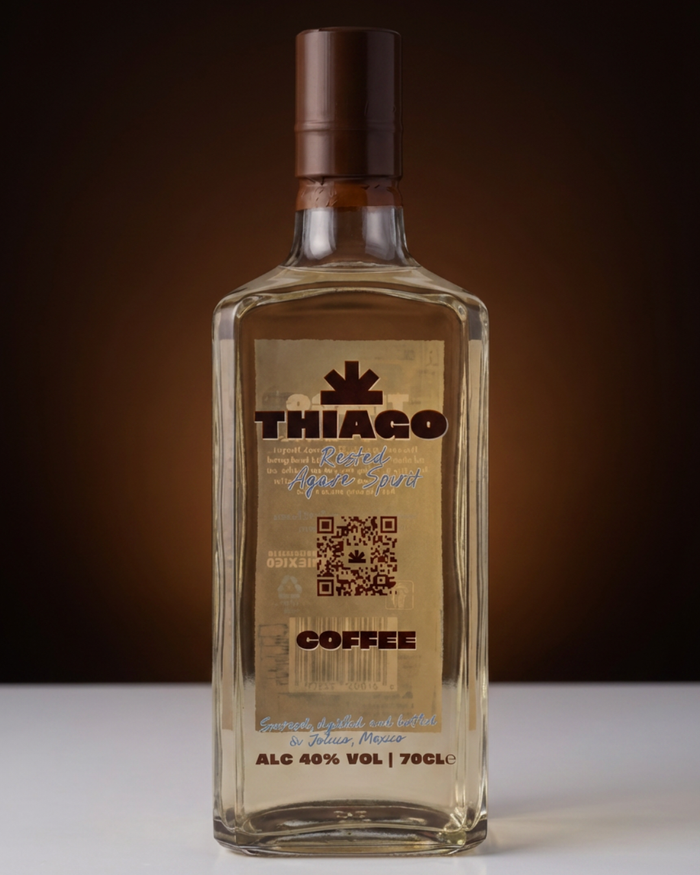
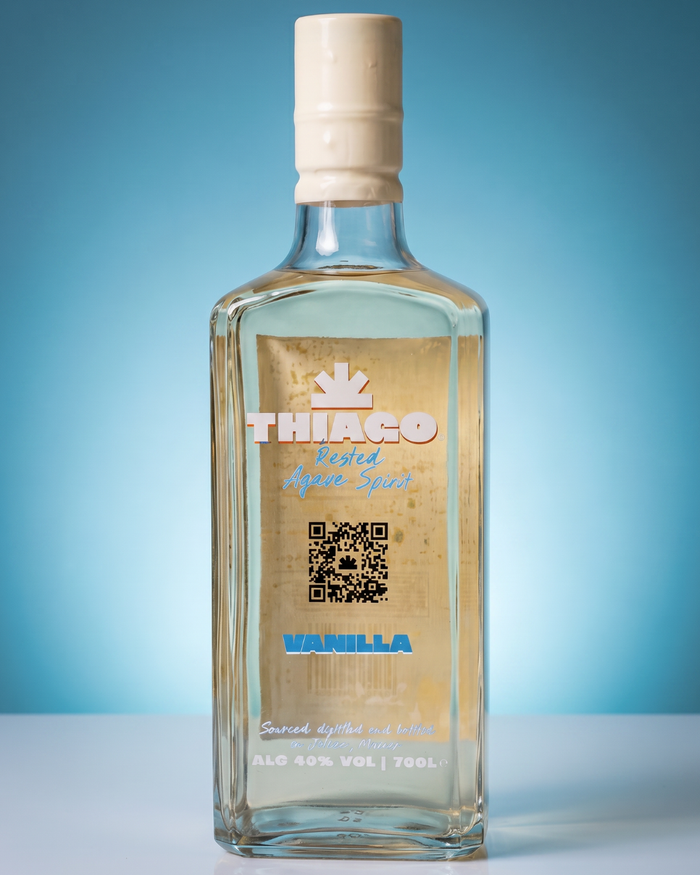
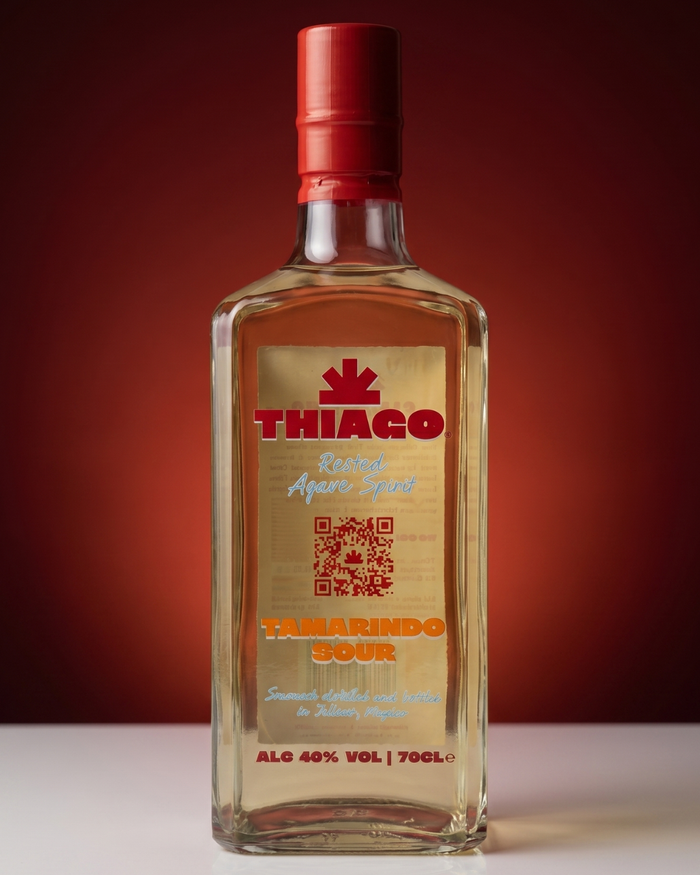
Thiago's reposado expressions are built for this experience. Six months in oak barrels creates a smooth, balanced spirit. Real Mexican ingredients, vanilla, black cherry, coffee, add depth without synthetic taste. No added sugar.

Reposado Tequila Cocktails: Choosing the Right Spirit
Reposado brings richness to cocktails that blanco can't match, oak ageing and subtle sweetness create more complex drinks.
Classic cocktails that shine with reposado:
- Margarita (especially with citrus-forward recipes)
- Paloma (the oak complements grapefruit)
- Old Fashioned style drinks (oak and agave work well together)
- Sours (reposado adds depth to lime and egg white)
- Spritzes (oak mellows the alcohol, adds warmth)
Match the reposado's flavour profile to your mixer: a vanilla-forward reposado works beautifully in a margarita with fresh lime and orange liqueur, while caramel notes pair well with ginger beer in a paloma.
If it has fruit notes, pair it with citrus mixers; chocolate or coffee notes suit dessert-style cocktails or coffee drinks.
Why reposado works better than blanco in some cocktails:
- Adds body and warmth
- Smooths rough edges in spirit-forward drinks
- Complements darker flavours (chocolate, coffee, spice)
- Creates richer mouthfeel
- Develops more interesting flavour combinations
When you're building a cocktail menu or experimenting at home, start with reposado. It's more forgiving than blanco. It adds character without requiring perfect balance in your recipe.
Thiago's Black Cherry Reposado is exceptional in cocktails. The fruit note adds sophistication to a margarita. Mix it with lime, orange liqueur, and a touch of agave nectar.

The Vanilla Reposado works brilliantly in spritzes. Mix with sparkling wine, a splash of lime, and fresh ice. The vanilla adds warmth. The agave provides subtle sweetness. No cloying taste. Just balanced, elegant drinking.
Thiago Organico Blanco Tequila – 70cl →
Reading the Label: Your Checklist for Authenticity
The label tells you everything about what's in the bottle. A thorough read takes 30 seconds and reveals whether you're buying quality or marketing.
Start with the percentage claim. Look for "100% Agave" or "100% Blue Agave." This is the first filter.
Find the NOM number. This four-digit code identifies the producer and distillery. Every legitimate tequila has one. It appears somewhere on the back label.
Check the producer's name and location. Premium producers list their distillery name and the region where the tequila was made. Jalisco is the primary tequila region.
Look for the age statement. Blanco means unaged. Reposado means aged 2-12 months. Añejo means aged 1-3 years. Extra Añejo means aged over 3 years.
Examine the ingredient list. It should be short. "Blue agave," "water," and possibly "yeast" are the only essentials.
Certification marks to watch for:
- DO (Denominación de Origen), guarantees Mexican origin
- Certified Organic, if claimed, look for the certifier's name
- Fair Trade, if relevant to your values
- Kosher, if you need it
Price alignment matters too. Premium tequila costs more because quality costs more.
Trust your instincts. A well-made label is clear, honest, and easy to read.
UK Price Bands and Value Assessment
Premium tequila in the UK typically ranges from £40 to £100+ per 70cl bottle, depending on age and quality.
Entry premium (£40-60): These are solid, well-made tequilas that represent good value. Thiago's Organico Blanco at £48 sits here.
Mid-premium (£60-85): Reposado tequilas typically fall here. Six months of oak ageing justifies the price.
Super-premium (£85+): Aged tequilas (Añejo and Extra Añejo) command higher prices. Extended oak ageing, limited production, and brand reputation drive costs up.
Value assessment beyond price:
Look at what you're actually getting.
Consider the production method. Traditional copper pot distillation costs more than industrial stainless steel. That cost difference shows up in smoothness and flavour complexity.
Check the sourcing story. Brands that tell you exactly where the agave comes from and how it was processed are usually investing in quality.
The minis bundle offers unique value. Thiago's three 50ml bottles at £15.99 let you try three flavour expressions.
Value red flags:
- Suspiciously low prices for "premium" claims
- No information about agave sourcing
- Marketing language instead of production details
- Unclear age statements
- Confusing ingredient lists
Premium doesn't mean expensive. It means intentional. You're paying for craft, transparency, and quality ingredients. That's always worth the money.
Your Premium Tequila Selection Guide
Start with your use case. Are you sipping neat? Building cocktails? Gifting? Each scenario points toward different tequila styles.
For sipping, prioritise reposado or añejo. The ageing creates smoothness. The complexity rewards attention. Drink it neat or over ice. Notice the flavours that emerge.
For cocktails, reposado offers more character than blanco without becoming too heavy. The oak adds body. The subtle sweetness balances citrus mixers.
For gifts or festival occasions, the minis bundle is unbeatable. Three 50ml bottles, three flavour profiles, plane baggage friendly.
Your selection checklist:
Verify 100% agave on the label. No exceptions.
Check the NOM number and producer information. You should know who made it and where.
Read the ingredient list. Real ingredients only.
Match the style to your purpose. Blanco for cocktails, reposado for sipping or versatility.
Assess price against quality. Premium costs more because it should.
Trust your palate. If it tastes good to you, it's the right choice.
Thiago Tequila checks every box. 100% blue agave from Jalisco highlands. Whether you choose the Organico Blanco for fresh, clean sipping, the Black Cherry Reposado for sophisticated cocktails, or the Vanilla Reposado for warm, elegant drinks, you're getting craft tequila that respects both the agave and your palate.

The minis bundle gives you a risk-free way to explore. Festival-friendly format. Try all three minis at £15.99 and discover why discerning drinkers choose Thiago.
Choosing premium tequila shouldn't require a chemistry degree or a trip to Mexico. Start your exploration with our minis bundle and taste the difference craft makes.
Frequently Asked Questions
How can I tell if tequila is 100% blue agave?
Check the label for '100% Agave' or '100% Blue Agave', this must appear clearly on the bottle. Look for the NOM (Norma Oficial Mexicana) number, a four-digit code that identifies the distillery. Bottles labelled simply 'Tequila' without the 100% declaration contain mixto tequila (51% agave, 49% other sugars), which lacks the complexity and smoothness of premium 100% blue agave spirits. Authentic producers like those sourced from Jalisco's highlands will display their certification and production details transparently.
What's the actual difference between blanco and reposado tequila?
Blanco tequila is unaged and bottled immediately after distillation, delivering bright, fresh agave flavours with citrus and peppery notes. Reposado is aged for a minimum of two months up to one year in oak barrels, which mellows the spirit, adds warmth, and introduces vanilla, caramel, and subtle wood notes. Reposado offers more complexity and a smoother palate, making it ideal for sipping neat or over ice, while blanco's crisp character excels in margaritas and fresh cocktails. For premium sipping, reposado provides the refined depth that defines a quality experience.
Is premium tequila with real flavours actually sugar-free?
Authentic premium tequila flavoured with real Mexican ingredients, not syrups, can be completely sugar-free. Producers infusing natural vanilla bean, black cherry, or coffee into 100% blue agave reposado don't need added sugars because the agave itself provides subtle natural sweetness. However, many commercial flavoured tequilas use artificial syrups and added sugars to mask lower-quality spirits. Always check the label for 'natural flavours' and verify there's no added sugar declaration. Genuine craft producers in Jalisco prioritise ingredient transparency, making sugar-free flavoured tequila possible without compromising taste or smoothness.
What's the best way to assess quality when tasting premium tequila?
Pour a small measure neat into a tulip-shaped glass and observe the colour, premium aged spirits show amber or golden hues. Nose the spirit first to catch the aroma profile: look for agave, citrus, vanilla, or caramel notes rather than harsh alcohol burn. Take a small sip, let it coat your palate for a moment, and notice the texture, premium tequila feels silky and warm, not sharp or thin. The finish should linger pleasantly without a harsh burn. If you're sipping at room temperature or over ice, the spirit should maintain its flavour complexity without thinning out. This sensory approach reveals whether a tequila truly delivers the craftsmanship its price suggests.