The first time an espresso martini lands flat, it is rarely the coffee’s fault. More often, the base spirit is either too sharp, too sweet or too anonymous. If you are looking for the best tequila for espresso martini, the real question is not whether tequila can work. It can. The question is which style gives you coffee intensity, texture and proper agave character without turning the drink into a novelty.
Vodka made the espresso martini famous because it stays out of the way. Tequila does the opposite. It brings structure, aroma and attitude. Done well, that is exactly why the drink feels more modern with tequila than with vodka. Done badly, it becomes noisy, bitter or oddly disjointed.
What makes the best tequila for espresso martini?
Start with balance, not category hype. Espresso martinis rely on tension between bitter coffee, sweetness and alcohol. Tequila changes that equation because agave already carries natural savoury, peppery and sometimes lightly sweet notes. The best bottle for the job needs enough character to register, but not so much oak, smoke or sugar that it fights the espresso.
In most cases, reposado is the sweet spot. A good reposado brings roundness and a little vanilla or soft spice from barrel ageing, which sits naturally alongside fresh espresso and coffee liqueur. It can make the drink feel fuller and more polished without losing its edge. Blanco can work too, especially if you want a brighter, cleaner serve with more obvious agave lift. A heavily oaked añejo is usually less convincing. It can read too woody and push the drink towards dessert.
Quality matters more than age statement. Look for 100% blue agave tequila with a clean finish and no syrupy aftertaste. If the spirit tastes muddled on its own, it will not become elegant just because there is espresso in the shaker.
Why tequila works so well with coffee
Coffee and agave share more than people expect. Both can bring earthiness, roasted notes, sweetness and bitterness, depending on how they are produced. Tequila from the highlands often shows softer fruit and floral character, while coffee contributes roast, crema and depth. Put them together and you can get a drink that feels layered rather than merely strong.
Reposado in particular has an advantage here. Time in cask can bring notes of vanilla, toasted spice and gentle caramel, all of which echo what people already like in coffee cocktails. The drink still needs precision, though. Too much sugar and you lose definition. Too much aggressive alcohol and the espresso gets buried.
That is why naturally flavoured expressions can be useful when they are built properly. A premium coffee-led reposado with zero added sugar and no artificial additives can sharpen the profile rather than cheapen it. It gives you flavour alignment without the cloying finish that drags so many modern cocktails down.
Blanco vs reposado for an espresso martini
There is no single right answer, but there is a clear style difference.
Blanco gives you lift
Blanco tequila keeps the drink taut. Expect fresher agave, more pepper, more citrus and a leaner finish. If you like your espresso martini brisk, drier and less creamy in profile, blanco can be a very smart choice. It is particularly good when the coffee element is already rich and sweet, because the tequila cuts through.
The trade-off is texture. Some blancos can feel too angular, especially if the coffee liqueur is lightweight or the espresso is slightly bitter. In that case, the drink can seem split in two - bright spirit on one side, dark roast on the other.
Reposado gives you harmony
Reposado usually makes the cocktail easier to love. The small amount of barrel influence rounds the edges and joins the coffee notes more naturally. Vanilla, spice and soft oak can make the drink taste more complete, with less need for extra sugar.
That does not mean every reposado is automatically the best tequila for espresso martini. Some are too oaky, some too sweet, and some lose their agave identity altogether. The best examples still taste like tequila first, just with more polish.
What to avoid when choosing tequila for this cocktail
If the goal is an espresso martini with edge and elegance, a few styles tend to miss the mark.
Mixto tequila is the obvious one. If it is not 100% agave, the flavour often feels thinner and less refined. In a cocktail as concentrated as this, flaws are hard to hide.
Overly sweet flavoured spirits are another problem. Coffee and vanilla can sound perfect on paper, but if the bottle tastes sticky or artificial, the drink becomes heavy fast. You want flavour with definition, not a sugar rush in a glossy bottle.
Añejo can work for drinkers who want a richer, after-dinner style serve, but it is less versatile. The deeper oak influence can dominate fresh espresso and flatten the brighter top notes. For most bars and most home cocktails, reposado remains the stronger all-rounder.
How to spot a bottle that will actually perform
Read the spirit the way a bartender would. First, check the base. It should be 100% blue agave tequila, ideally with clear provenance from Jalisco. Then think about flavour architecture. Ask whether the bottle brings brightness, texture and finish, or just sweetness.
For an espresso martini, the most useful notes are roasted coffee, vanilla, cacao, soft spice and clean agave. Citrus-heavy tequila can work, but it needs a measured hand elsewhere in the recipe. Bottles with obvious artificial flavouring or confectionery sweetness tend to collapse once shaken with espresso.
ABV matters too. A proper 40% spirit holds its shape in the shaker and still reads clearly after dilution. Lower-strength options can disappear behind the coffee, leaving the drink tasting confused rather than layered.
A modern answer: coffee-led reposado tequila
If you want the easiest route to the best tequila for espresso martini, a premium coffee-flavoured reposado is hard to ignore - provided it is built on real tequila credentials. That means 100% blue agave, proper reposado structure, natural flavouring and none of the usual shortcuts.
This is where the category is finally getting interesting. A strong coffee profile woven into reposado tequila can make the cocktail cleaner and more intentional. You get continuity from spirit to espresso instead of trying to force two separate flavour worlds together in the glass.
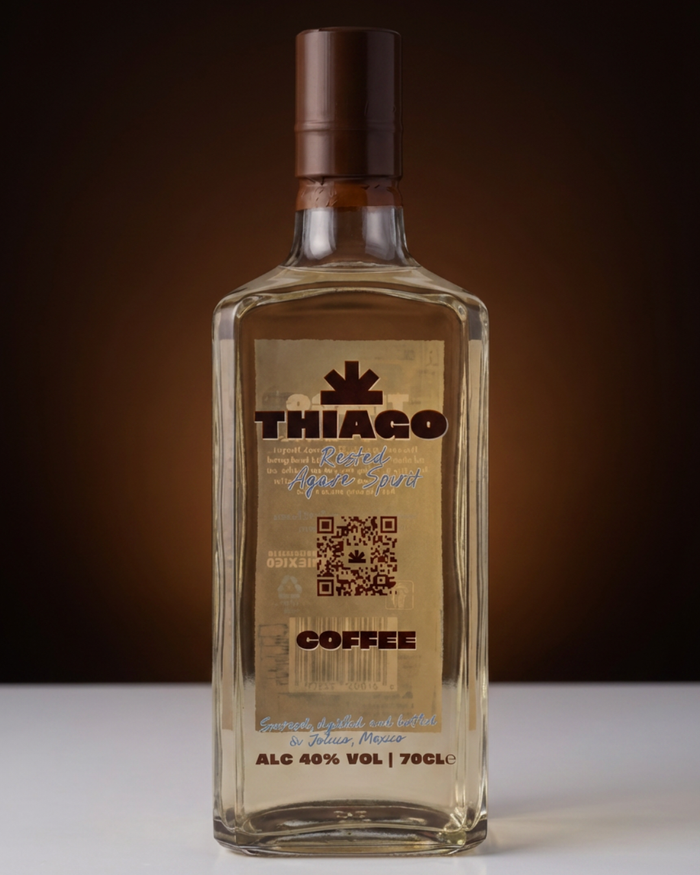
Used properly, it also reduces the need for excess coffee liqueur or sugar. The result is a drink that feels drier, bolder and more premium. Thiago Tequila Coffee is a good example of that direction - naturally flavoured, rooted in highland Jalisco reposado, and bold enough to keep its agave identity intact.
How to build a better tequila espresso martini
The bottle matters, but so does the build. Fresh espresso is non-negotiable. If the coffee is stale or thin, no tequila will save it. Shake hard enough to get proper chill and texture, but not so long that you over-dilute the drink.
If you are using a straight tequila, keep the sweetener under control. Coffee liqueur already brings sugar, and reposado often brings perceived sweetness through vanilla and oak. Start drier than you think. You can always adjust the next round.
If you are using a coffee-led tequila, the whole drink can become tighter. In many cases, you need less liqueur and occasionally none at all, depending on the style you want. That is the difference between a cocktail that tastes engineered and one that feels effortless.
A simple flavour framework
Think in three layers: agave, roast and sweetness. Agave should still be present. Roast should taste like coffee, not burnt bitterness. Sweetness should smooth the drink, not dominate it. When one layer gets too loud, the cocktail loses shape.
That is also why garnish should stay restrained. The point is the aroma coming off the espresso and the spirit beneath it, not visual theatre.
So what is the best tequila for espresso martini?
For most people, it is a clean, premium reposado with enough body to stand up to espresso and enough restraint to let the coffee speak. If you prefer a brighter, sharper profile, choose a high-quality blanco. If you want the most cohesive and contemporary result, a naturally flavoured coffee reposado can be even better than a standard bottle, because it closes the gap between tequila and espresso without relying on syrupy extras.
The smart choice is the one that keeps the drink confident. Not too sweet. Not too woody. Not stripped of agave character. The espresso martini does not need tequila to imitate vodka. It needs tequila that makes the whole drink more interesting.
Choose a bottle with real provenance, proper strength and flavour that feels deliberate. Then let the espresso do its job. That is when the cocktail stops chasing a trend and starts earning a place on the menu.