A flavoured spirit should taste like its name, not like a dessert menu. That is the appeal behind zero sugar spirits: real character, cleaner flavour and none of the heavy, syrup-led finish that can flatten a good drink. But the phrase deserves a closer look. Zero sugar, zero added sugar and low sugar are not interchangeable, particularly when natural flavour, agave and premium production are involved.
For drinkers who care what is in the glass, the smarter move is to look beyond the front-label shorthand. Start with the base spirit. Then ask where the flavour comes from, whether sugar has been added, and whether the liquid has enough quality to stand up neat, over ice or in a properly built cocktail.
What “zero sugar spirits” actually means
At its most direct, zero sugar spirits are products with no sugar present in the finished drink. In practice, terminology can vary by product, formulation and labelling rules, so it pays to read the detail rather than treating every clean-looking bottle as identical.
The distinction most people need is between zero sugar and zero added sugar. A zero-added-sugar spirit has not had sugar introduced during production to sweeten or round out the flavour. That matters because many flavoured spirits rely on sugar, syrups or sweeteners to make their flavour immediately obvious. The first sip can be loud, but the finish often feels sticky, artificial or one-dimensional.
A naturally flavoured agave spirit can take another route. It begins with a flavourful base, then uses natural ingredients to add a defined profile without burying the tequila beneath sweetness. The result should still taste like a spirit first: aromatic, structured and full at 40% ABV, with the chosen flavour bringing contrast rather than concealment.
Why the base spirit changes everything
Not all clear or flavoured bottles are built on the same foundation. A quality tequila-based spirit begins with 100% Blue Agave Tequila, made in Mexico under the rules that protect tequila’s origin and production. For reposado tequila, the spirit is rested in oak, adding a softer, more rounded dimension while keeping the expressive agave character intact.
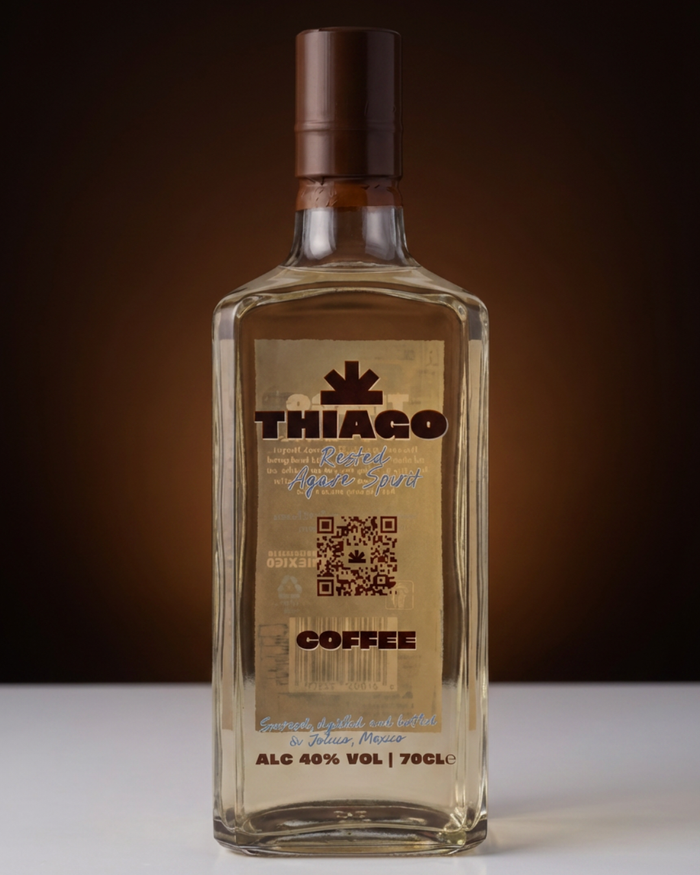
The highlands of Jalisco are particularly prized for Blue Agave with vivid fruit and herbal notes. Altitude, red soil and a slower growing environment all influence the raw material. That character is not a marketing extra. It is what gives a premium reposado the depth to work with natural coffee, vanilla, black cherry or tamarindo sour flavours without needing a sugar-heavy safety net.
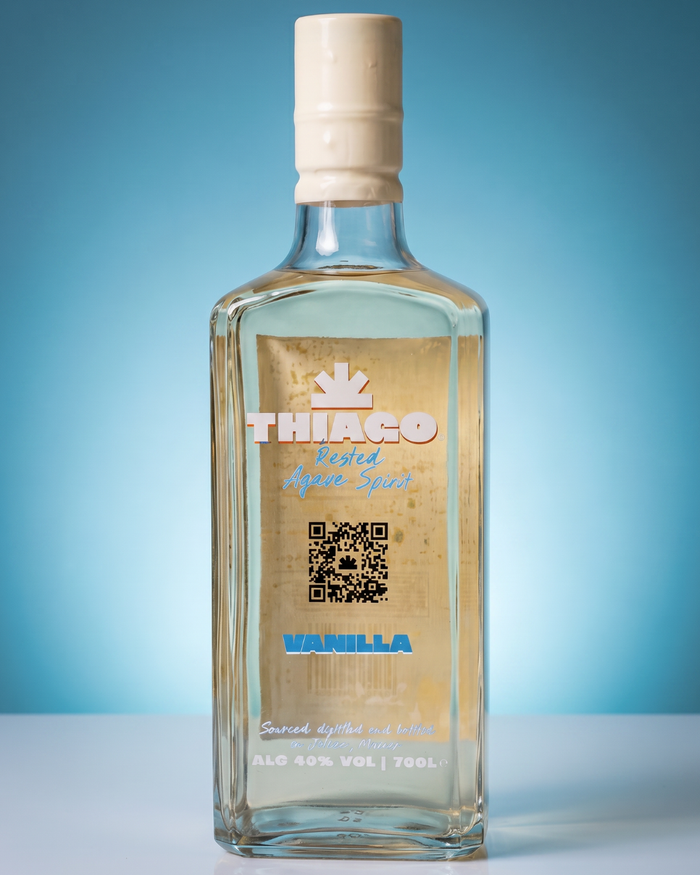
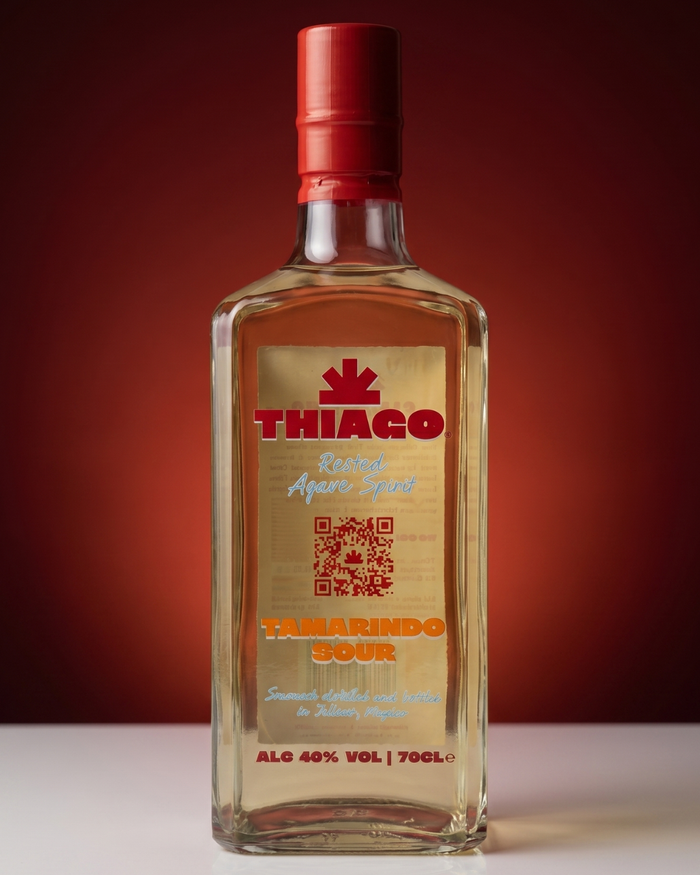
This is where zero-added-sugar flavour feels different. Coffee can bring roasted bitterness and warmth. Vanilla can lend soft spice and creaminess without turning the pour into confectionery. Black cherry can be dark, juicy and sharp rather than overly candied. Tamarindo sour brings tang, savoury depth and a mouth-watering edge. Each has a job to do, but none should erase the tequila beneath it.
Flavour without the syrupy finish
Sweetness is not automatically a problem. It has a place in drinks, especially when a cocktail calls for balance. The issue is relying on sweetness as a substitute for quality, or using it to hide a thin spirit base.
A zero-added-sugar approach creates more room for the drinker. You can build sweetness into a cocktail when you want it and keep it restrained when you do not. You can pair a black cherry tequila with soda and a citrus peel for something long and bright, or use a coffee-led reposado in an after-dinner serve where the roasted notes do the talking. The bottle is not making every decision for you before it is opened.
It is also a more useful format for bars. A bartender can work with bold flavour that has definition, rather than compensating for a sugary base with extra acidity or dilution. That flexibility matters on a menu, where a spirit needs to perform in more than one serve.
How to choose a cleaner flavoured spirit
Ingredient transparency should be the first filter. Look for clear language around the base, flavouring and added sugar. A premium producer should be comfortable telling you whether the product is built on 100% Blue Agave Tequila, where it is made and how it gets its flavour.
Next, consider ABV. A spirit at 40% ABV has enough body and presence to retain its identity in a mixed drink. Lower-strength products can absolutely suit certain occasions, but they may read more like a ready-made liqueur than a versatile premium spirit. If you want a bottle that can move from a simple highball to a considered cocktail, strength and structure matter.
Finally, taste for the finish. A good naturally flavoured reposado should leave a clear, dry-ish impression rather than a coating sensation. Expect agave, oak and flavour notes to arrive in layers. If everything tastes sweet from the first second to the last, the product may be prioritising easy impact over genuine complexity.
Better serves for zero-added-sugar flavour
The best serves are usually the least fussy. Give the spirit enough space to show its character, then add freshness, texture or lift.
For a black cherry tequila, try a tall glass with plenty of ice, chilled soda and an orange twist. The dark-fruit notes feel sharper and more adult against carbonation, while the tequila remains visible through the serve. A coffee reposado works brilliantly stirred with cold brew and a small measure of rich demerara syrup if you want a more indulgent profile. The key is that you control the sweetness.
Vanilla reposado has an easy home in a sparkling long drink with soda, grapefruit and a squeeze of fresh juice. Tamarindo sour can handle ginger beer or sparkling water, with a little agave syrup only if the finished drink needs it. These are not rules. They are starting points for drinks that stay fresh rather than cloying.
For a party, choose a flavour that can work across the room. Some guests will want a short, spirit-forward serve; others will prefer a lighter spritz. A serious flavoured reposado can do both. That is far more useful than a bottle designed for one novelty moment.
Small format, serious spirit
There is a reason 50ml bottles have become a fixture in smart party bags, festival plans and weekend packing lists. They are compact, easy to chill and simple to carry when a full bottle is excessive. They also fit within the usual 100ml liquid limit for hand luggage, provided they are packed in line with airport security requirements.
Thiago Tequila Minis bring that same premium proposition into a format made for movement: 40% ABV reposado tequila-based flavour, naturally flavoured, with zero added sugar and no artificial additives or colouring. They are made for choosing your serve on the spot - sip over ice, top with soda for a fast spritz, or build a proper cocktail when the occasion calls for it.
A mini should not mean a compromise. For a festival, it can be a measured, flavour-led starting point before you add chilled mixer. For a house party, it lets guests try different flavour profiles without opening several full-size bottles. For a trip, it makes the pre-dinner pour feel deliberate rather than improvised.
The trade-off worth understanding
Zero sugar spirits are not a free pass, and they are not necessarily lower in calories simply because no sugar has been added. Alcohol itself contributes energy, while serving size and mixers can quickly change the final drink. If your goal is moderation, measure your pour, choose a lighter mixer and pace the night accordingly.
There is also a taste trade-off, although it is one many drinkers actively prefer. Without syrupy sweetness, flavours can seem more grown-up, more aromatic and occasionally more challenging. Tamarindo’s tart edge will not suit everyone. Coffee can be dry and roasted. A high-quality flavoured tequila is not trying to please every palate with one sugary note. It is offering something with more shape.
That is the point of choosing well. Look for a spirit with Mexican provenance, real agave at its core and flavour that adds dimension rather than distraction. Then serve it simply, share it generously and let the bottle prove that clean does not have to mean quiet.