
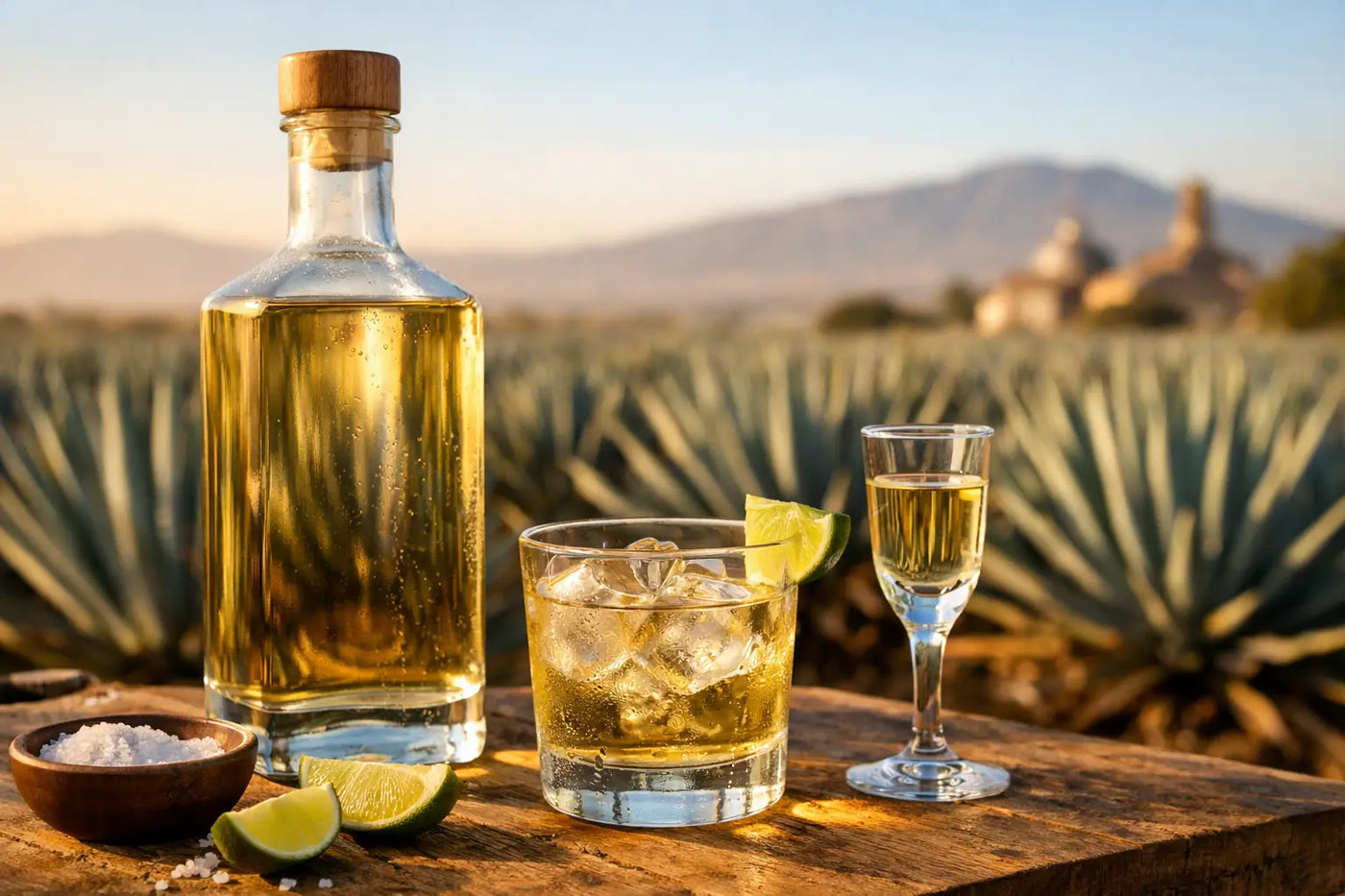
A tequila can be clear, gold or deeply amber, but the real giveaway is what happens after the first sip. Why is agave tequila smoother? It starts long before bottling, with the slow-growing Blue Weber agave grown in Jalisco, then comes down to how carefully that raw material is cooked, fermented, distilled and rested.
Smooth does not mean bland. The best examples still have a proper agave backbone: earthy, peppery, mineral and lightly sweet, with a finish that feels clean rather than harsh. For drinkers moving beyond forgettable party pours, that balance is the point.
Why Is Agave Tequila Smoother at Its Source?
Tequila is made from Blue Weber agave, a desert plant that takes years to mature. It is not a cactus, and it is not made from agave syrup. The heart of the plant, known as the piña, stores natural sugars that become the foundation of the spirit.
When an agave plant is allowed sufficient time to ripen, those sugars are more developed and concentrated. Mature agave brings depth: roasted sweetness, green vegetal character and a soft earthiness that cannot be manufactured at the end of production. Starting with quality agave gives a distiller more flavour to work with and less need to cover up rough edges.
The growing region matters too. Highland Jalisco, or Los Altos, sits at a higher altitude than the valley around Tequila town. Its red, mineral-rich soil and cooler conditions often produce larger agave plants with a fruit-forward, rounded profile. You may notice notes that lean towards cooked agave, citrus, pepper and tropical fruit. Valley-grown tequila can be excellent as well, often showing more herbal, mineral or earthy intensity, but Highland expressions are especially associated with a softer, fuller palate.
That is not a rule that makes one region automatically superior. It is a flavour preference. A great tequila should taste like it came from somewhere specific, rather than simply tasting alcoholic.
The Production Choices That Shape a Softer Sip
Agave quality sets the potential. Production is where that potential is either respected or lost.
Cooking turns starch into character
Raw agave contains complex carbohydrates, not ready-made fermentable sugar. Cooking the piñas breaks those carbohydrates down, creating sweet juices that can be fermented. Traditional brick ovens, autoclaves and diffusers all handle this stage differently, and each can create a distinct profile.
Slow cooking can encourage rich, roasted agave notes. Faster methods can be efficient and consistent. Neither approach alone guarantees quality, because results depend on the producer's decisions throughout the process. What matters for smoothness is avoiding burnt, bitter or overly aggressive flavours that can carry through the spirit.
Fermentation builds more than alcohol
Once the cooked agave juice is extracted, yeast converts its sugars into alcohol. This is one of tequila's quietest but most influential stages. Fermentation can build fruit, spice, floral notes and texture before the liquid ever reaches a still.
Time, temperature, water quality and yeast selection all play a part. A controlled fermentation helps preserve the character of the agave while limiting unwanted harshness. Push it too hard or handle it carelessly, and the spirit can feel thinner, hotter or less refined.
Precise distillation makes the difference
Distillation does not magically turn poor liquid into premium tequila. It does, however, allow skilled distillers to refine the spirit by separating different compounds as the liquid heats.
The earliest and latest portions of a distillation run can carry sharper, heavier or less desirable flavours. Careful cuts keep the clean, flavourful heart of the distillate while leaving behind more of the roughness. This is one reason a well-made 40% ABV tequila can feel composed and easy on the palate rather than fiery.
Smoothness should never mean stripping tequila of its identity. Over-refining can leave a spirit neutral and empty. The sweet spot is clean but expressive: real cooked agave at the centre, supported by spice, fruit and gentle warmth.
Reposado Ageing Adds a Rounder Edge
If blanco tequila is direct, lively and agave-led, reposado is where that profile begins to settle into something more rounded. By law, reposado tequila is aged in oak for a minimum of two months and up to 12 months. During that time, the spirit takes on subtle influence from the wood.
Oak can soften the sharper edges of fresh tequila and add notes of vanilla, toasted spice, caramel, dried fruit or gentle nuttiness. It also changes texture. A good reposado often feels more integrated across the tongue, with less of a sudden alcohol spike and a longer, warmer finish.
More ageing is not always better. Heavy wood can overwhelm the agave that makes tequila distinctive in the first place. For versatile drinking and cocktails, reposado often hits the right balance: enough barrel character to add smoothness, while keeping the bright personality of Blue Agave in view.
That balance is why a premium reposado works so well neat, over good ice or in a simple serve where the spirit is still expected to lead. It has structure, but it does not need a cupboard full of mixers to become interesting.
Does 100% Agave Make Tequila Smoother?
Usually, it is the better starting point. A bottle labelled 100% agave tequila is made exclusively from sugars derived from Blue Weber agave. By contrast, mixto tequila can use other permitted sugars alongside agave, which can create a different profile and, at the lower end of the category, a less characterful drinking experience.
Still, 100% agave is not an automatic quality stamp. A rushed or poorly balanced 100% agave tequila can taste rough, while a well-made bottle relies on many decisions beyond the label. Look at the whole picture: agave origin, production standards, distillation, barrel handling and what has, or has not, been added after distillation.
Some tequilas use permitted additives to adjust sweetness, colour, oak character or mouthfeel. That does not make every such bottle poor, but it can make a spirit taste softer in a way that is not entirely the result of agave, craft or ageing. For drinkers who care about a cleaner profile, transparency matters. A naturally smooth tequila should not need to disguise itself as dessert.
Smooth Flavour Is Not the Same as Sweet Flavour
This distinction matters particularly in flavoured tequila. Too often, flavour is used as a shortcut: heavy sugar, artificial-tasting sweetness and a spirit that disappears beneath it. That may taste easy at first, but it rarely has the depth to stay interesting.
A better flavoured reposado starts with tequila worth drinking on its own. Natural flavour should build around the agave and oak instead of burying them. Coffee can bring roasted depth. Vanilla can lift the barrel's natural warmth. Black cherry can add dark-fruit richness. Tamarindo can bring a sharp, tangy edge that wakes up the palate.
Thiago Tequila takes that route with a 40% ABV, 100% Blue Agave Reposado base from Highland Jalisco, natural flavours, zero added sugar, no artificial additives and no colouring. The aim is not to make tequila taste like a sugary novelty. It is to give a proper reposado a new direction while keeping its Mexican character intact.
For the home bar, that makes a difference. A black cherry tequila can bring depth to a chilled long drink without turning it syrupy. Coffee-flavoured reposado can add a darker finish to an after-dinner serve. Vanilla works beautifully with sparkling mixers and fresh citrus. The spirit remains present, which is exactly where premium flavour should begin.
How to Spot a Tequila That Will Feel Smoother
The word “smooth” is subjective, so use it as a prompt rather than a promise. If you like rounded, easy-drinking tequila, look for 100% agave on the label and consider a reposado from Jalisco. Read beyond the marketing and seek clear information about origin, ABV, ageing and ingredients.
Then taste with attention. Does the aroma suggest cooked agave and real spice, fruit or oak? Does the first sip have texture? Does the finish fade cleanly, or does it leave a blunt burn? A little warmth is normal at 40% ABV. The difference is whether that warmth feels integrated with flavour.
The smoothest tequila is not necessarily the sweetest, oldest or most expensive bottle on the shelf. It is the one where mature agave, precise craft and considered flavour all pull in the same direction - bold enough to enjoy neat, flexible enough to make the night your own.