A cocktail list tells you quickly whether a bar is paying attention. The top cocktail flavour trends are moving away from one-note sweetness and towards contrast: bright acid against dark fruit, gentle spice against rich coffee, and real agave character beneath every serve. For drinkers who want flavour without the sugary finish, that is a very good shift.
This is not about making cocktails unnecessarily complicated. The most relevant new serves are often the simplest: a quality spirit, a deliberate flavour pairing, good dilution and a garnish that earns its place. The difference is that every ingredient now has to pull its weight.
Top cocktail flavour trends shaping UK menus
Dark fruit is getting drier
Black cherry, blackberry, damson and sour plum are taking the place of overly candied berry flavours. They bring colour, aroma and depth, but the best versions keep a tart edge. That makes them useful in an aperitif-style highball, a long sparkling serve or a short, stirred drink where the base spirit still needs to speak.
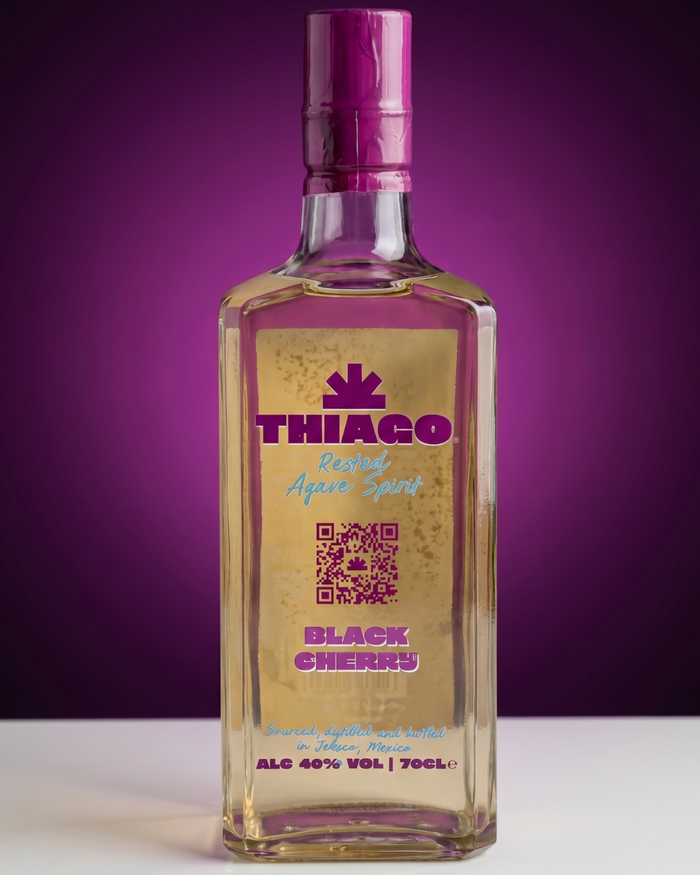
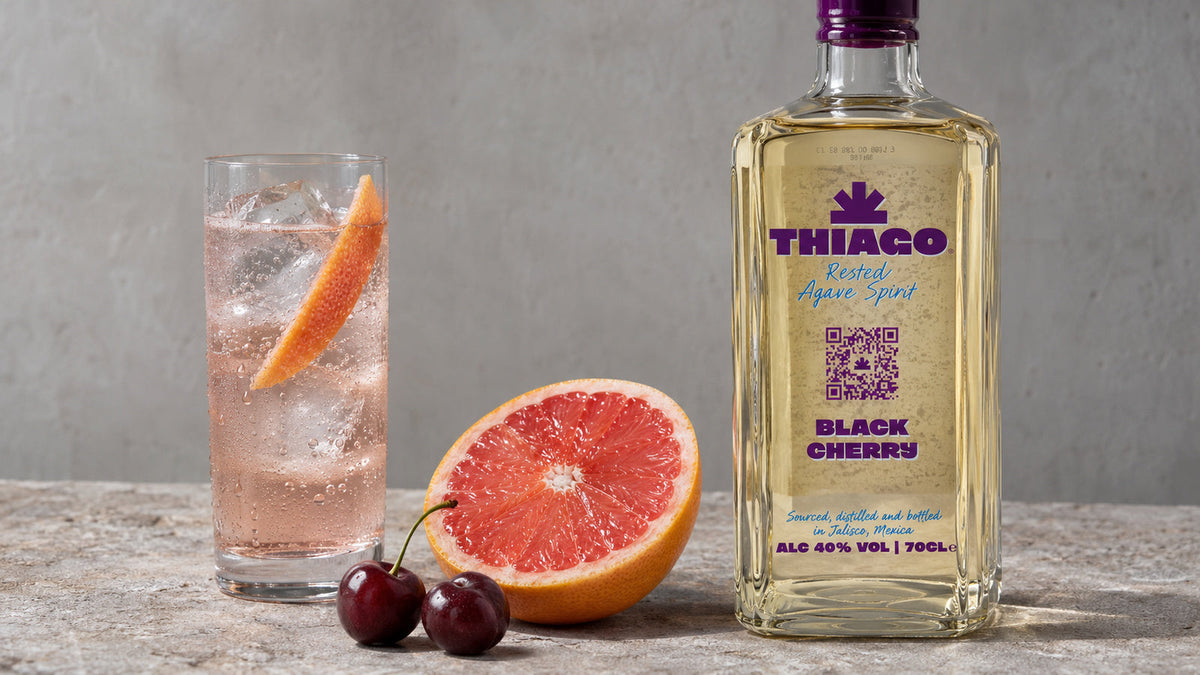
Black cherry is especially strong because it can move in two directions. Paired with citrus and soda, it feels crisp and lively. Set against cacao, coffee or a bittersweet botanical note, it becomes darker, more late-night and more grown-up. The trade-off is obvious: too much sweet fruit can flatten a cocktail. A dry mixer, fresh lemon or a touch of saline is often what keeps the flavour in line.
For black cherry tequila, the aim should never be to disguise agave. Reposado’s soft oak, cooked agave and subtle spice give dark fruit a more structured backbone than neutral spirits can offer.
Savoury citrus has replaced sugary sourness
Citrus remains essential, but bartenders are using it with more restraint. Think grapefruit peel, yuzu, preserved lemon, lime leaf, calamansi and gentle saline rather than a flood of sweet-and-sour mix. The result is sharper, more aromatic and far more refreshing.
Savoury citrus works because it gives a drink length. Grapefruit’s pithy bitterness, for example, can lift a rested agave spirit without covering its character. Lime leaf adds fragrance rather than obvious juice-led acidity. A few drops of saline can round off bitterness and make fruit flavours taste more precise, not saltier.
This is a trend worth taking home. Start with a tall glass, plenty of ice, a measure of flavour-led reposado tequila and a clean sparkling mixer. Add a strip of grapefruit peel or a bruised herb, then taste before adding anything sweet. Most drinks need less sweetness than people think.
Tamarind and tangy spice are becoming the new heat
Heat still has a place, but the era of chilli for chilli’s sake is fading. The more interesting direction is layered spice: tamarind, ginger, black pepper, pink peppercorn, warming cinnamon and a measured flash of chilli. These ingredients bring tang, aroma and depth, rather than simply testing someone’s tolerance.
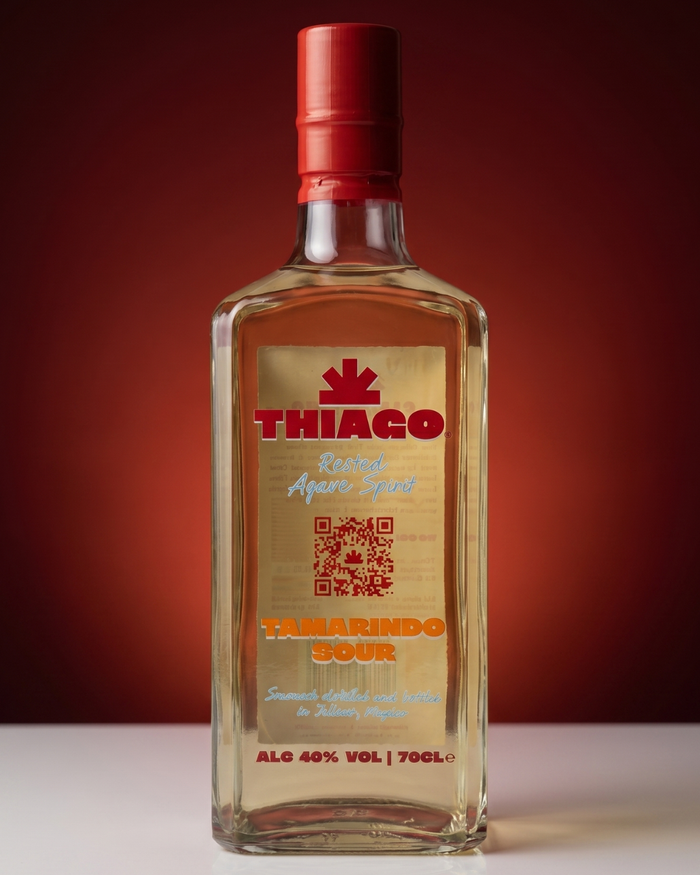
Tamarind is particularly suited to agave spirits. Its sweet-sour profile has enough intensity to stand up in a mixed drink, while its earthy edge sits naturally alongside the vegetal notes of blue agave. Used well, it gives a cocktail tension. Used heavily, it can dominate, so balance it with soda, fresh citrus or a dry sparkling wine rather than extra syrup.
A tamarind-led serve also proves why flavour innovation does not have to mean novelty. The strongest combinations are culturally grounded, technically balanced and easy to drink again. That matters more than a dramatic garnish.
Coffee is moving beyond dessert drinks
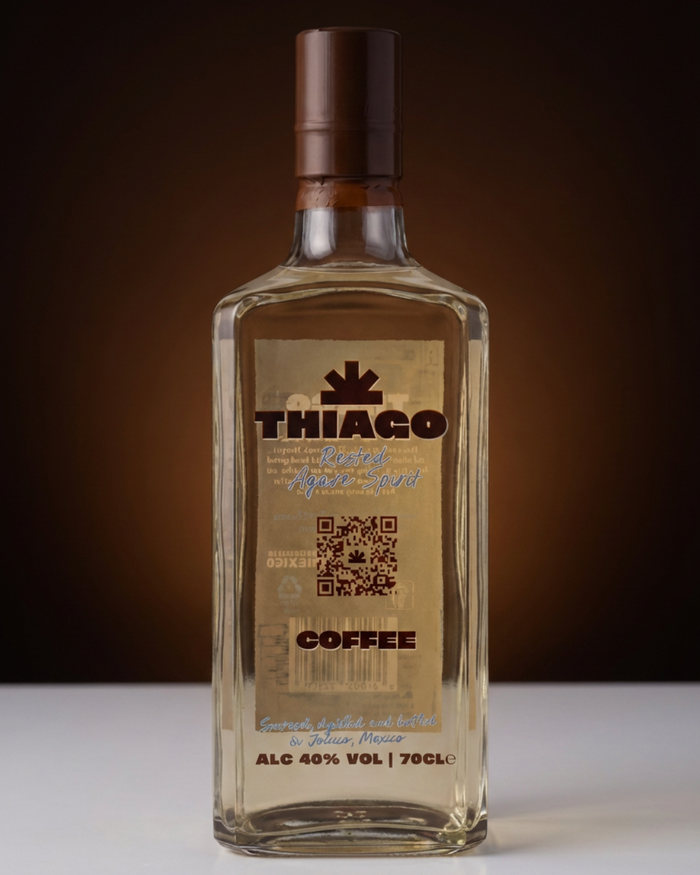
Coffee cocktails are no longer confined to creamy, after-dinner territory. Cold brew, espresso, cacao nib and roasted chicory are now appearing in cleaner, more spirit-forward serves. The appeal is texture and bitterness: coffee gives a cocktail a roasted edge that can make vanilla, cherry and oak feel more sophisticated.
With reposado tequila, coffee works best when it is treated as an accent, not a blanket. A small espresso pour can amplify barrel notes and create a sharp contrast with naturally sweet cooked agave. A cold-brew highball, topped with soda and orange oils, feels lighter than it sounds and has real menu appeal.
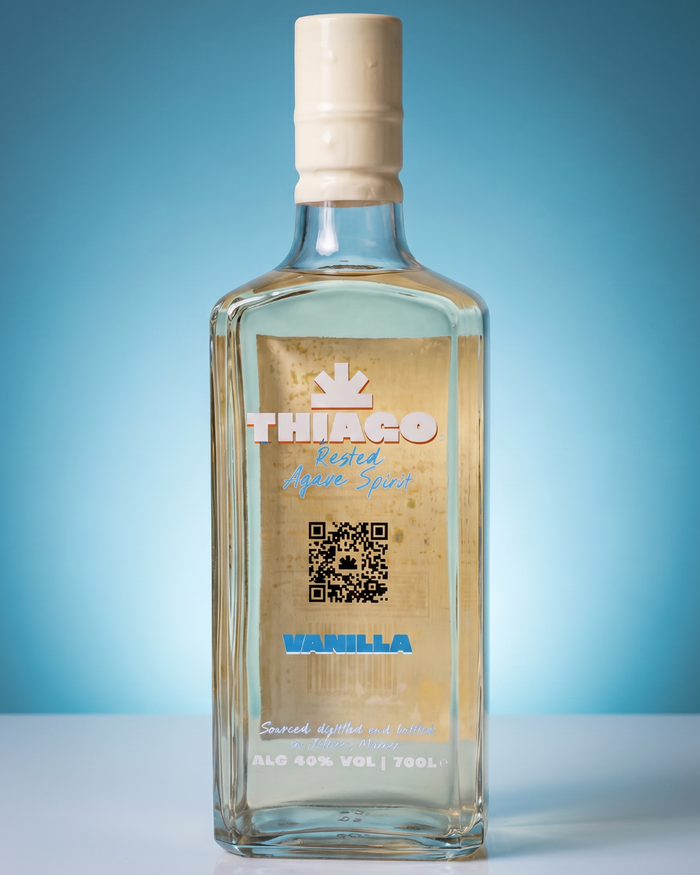
Vanilla belongs in this conversation too. Real vanilla can soften spice and make a drink feel rounded, but it should read as aromatic warmth rather than cake-shop sweetness. The difference lies in dosage, quality and the decision to leave room for the base spirit.
Texture is now part of the flavour brief
The next generation of cocktails is not only about what tastes good. It is about how a drink lands on the palate. Bartenders are using carbonation, coconut water, tea, verjus, clarified juice and a little saline to create body, lift or softness without relying on heavy sugar.
This gives premium flavoured spirits a real advantage when the flavour is clean. A naturally flavoured reposado can carry a simple serve without needing layers of liqueur. Carbonation makes dark fruit brighter. Tea adds tannin and dryness. Coconut water can make spice feel softer and more tropical, although it needs careful handling to avoid turning a drink flat or cloying.
The lesson is simple: texture should support flavour, not become a gimmick. If a serve looks dramatic but drinks like a sugar bomb, it will not earn a second order.
Why premium agave is central to the shift
The best flavour trends do not ask a spirit to become something else. They give its existing character a sharper setting. That is why 100% Blue Agave Reposado Tequila has become such a compelling base for contemporary cocktails. It brings cooked agave, peppery lift and rested-oak depth, all of which hold their own beside fruit, coffee and spice.
Origin matters here. Tequila sourced, distilled and bottled in the highlands of Jalisco carries a production story that deserves more than to be buried under artificial colourings or syrupy flavourings. For bars and drinkers alike, cleaner-label choices are increasingly part of the premium cue: natural flavour, no added sugar and no artificial additives make a serve easier to frame with confidence.
That does not mean every cocktail must be austere. A bold flavour can still be generous, playful and built for a busy Saturday night. It simply needs a proper structure. If the agave disappears completely, the drink has lost the point.
Better serves for parties, festivals and travel
Great flavour should travel well. At house parties, day festivals and weekends away, people want a drink that feels considered without bringing a full bar setup. Small-format bottles make that possible: easy to chill, easy to share and far less effort than carrying multiple mixers and ingredients.
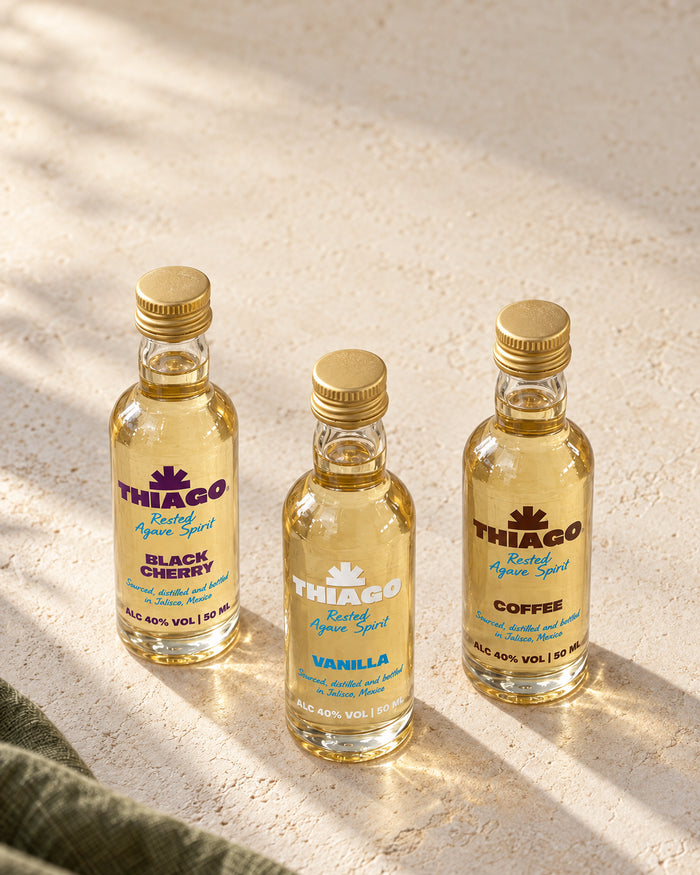
The Thiago Tequila Minis Bundle brings Coffee, Vanilla, Black Cherry and Tamarindo Sour into a 50ml format made for sipping, spritzing or building a quick cocktail on the go. Each mini is cabin-baggage friendly within standard liquid allowances, though travellers should always check their airline and airport security rules before packing. More importantly, the format lets a group try different flavour directions without committing to one full bottle.
For a festival-ready serve, keep it stripped back. Black Cherry with sparkling water and grapefruit peel gives you dark fruit and bite. Tamarindo Sour with ginger beer creates tang and warmth. Coffee with a premium cola and orange zest feels bold after dark. Vanilla with cloudy apple and soda brings soft spice without tipping into sweetness. Pack ice if you can, choose a decent mixer, and let the spirit do the work.
The trend worth backing
The strongest cocktail flavours are becoming more specific, not louder. Drinkers are looking for tartness instead of syrup, aroma instead of artificial intensity, and a spirit that still tastes like itself once the glass is built. That leaves plenty of room for black cherry, tamarind, coffee and vanilla - provided they arrive with balance.
When choosing your next bottle or writing your next drinks list, start with one question: does this flavour reveal something in the agave, or hide it? The serves people remember are usually the ones confident enough to do the former.