A back bar can make reposado tequila vs whisky look like an obvious contest: agave on one side, grain on the other. In the glass, it is far more interesting. Both spirits can bring oak, spice, depth and a proper 40% ABV presence. The difference is where that character begins - and what you want from the occasion.
Reposado tequila has a bright, lifted energy that holds its own in a late-night serve or a clean, considered cocktail. Whisky can be smoky, malty, spicy or richly sherried, depending on its style. Neither is automatically more premium, more complex or better for sipping. They simply speak different flavour languages.
Reposado tequila vs whisky: the defining difference
Reposado tequila starts with blue agave. For authentic tequila, that means blue Weber agave grown and produced within Mexico's protected tequila region, with Jalisco at its heart. The cooked agave is fermented, distilled and rested in oak for a minimum of two months and less than a year. That time softens the spirit and adds barrel character, while allowing agave to remain the headline.
Whisky begins with grain - commonly barley, corn, rye or wheat - plus water and yeast. It is distilled and matured in casks, often for years. The category is vast: Scotch, Irish whiskey, bourbon, rye and Japanese whisky all work to different production traditions. A whisky's final profile may lean towards cereal, orchard fruit, baking spice, dried fruit, smoke, vanilla or charred oak.
The practical distinction is simple. Reposado is agave-led with oak in support. Whisky is grain-led, with maturation often playing a larger role in defining the finished spirit. If you enjoy freshness, pepper, citrus-like lift and a touch of toasted sweetness, reposado has the edge. If you want dense malt, deep oak, smoke or long-developed dried-fruit notes, whisky is likely your lane.
What does reposado tequila taste like?
A well-made reposado should never taste as though the barrel has swallowed the agave. Its appeal is contrast: earthy cooked agave, gentle pepper and herbal brightness against vanilla, caramelised oak, toasted nuts or soft spice. High-altitude Jalisco agave is often prized for a naturally fruit-forward, rounded character, although every producer's process and barrel programme changes the result.
That balance makes reposado unusually flexible. It can be bold enough to enjoy neat, but it is not locked into one kind of drink. Give it length with sparkling water and fresh fruit, build it into a coffee-led serve, or use it as the backbone of a stirred cocktail where its natural spice can cut through richer ingredients.
Whisky offers flexibility too, but it often arrives with more established expectations. A smoky Islay Scotch has a powerful point of view. A rye brings dry spice. A bourbon tends towards sweeter vanilla and oak. That range is a strength, but it also means choosing whisky for a cocktail requires a little more attention to style. Reposado is generally more immediately social: expressive, layered and easy to pair with bright or aromatic flavours.
Ageing is not a quality scoreboard
Longer ageing does not automatically mean a better drink. A mature whisky can be extraordinary, but wood can also dominate a spirit if the balance is wrong. The same applies to tequila. Reposado's shorter resting period is intentional. It preserves the character of the agave while refining texture and adding a polished oak frame.
Think of reposado as a spirit built around clarity rather than sheer barrel weight. It is an excellent choice for drinkers who enjoy whisky's warmth but want something more vivid and less cereal-driven.
Choosing by serve, not by category
The best choice depends on the moment. For a slow pour after dinner, whisky may suit you if you are drawn to dark fruit, malt, smoke or old-cask richness. A quality reposado is equally at home neat, especially when you want softer oak with a fresher finish.
For cocktails, reposado tequila often creates more room to play. Its agave profile brings definition without turning every drink into a heavy, brown-spirit affair. Coffee, vanilla, ginger, grapefruit, pineapple, cherry and tamarind can all work beautifully when the spirit has enough structure behind it.
This is where naturally flavoured reposado can make a serious case for itself. Flavour should amplify the tequila, not bury it beneath syrup or artificial sweetness. A black cherry tequila, for example, can bring dark-fruit depth to a short, chilled serve while the reposado supplies oak, agave and a dry, grown-up finish. Coffee and vanilla notes can create a richer after-dinner direction without needing the dense sweetness associated with many flavoured spirits.
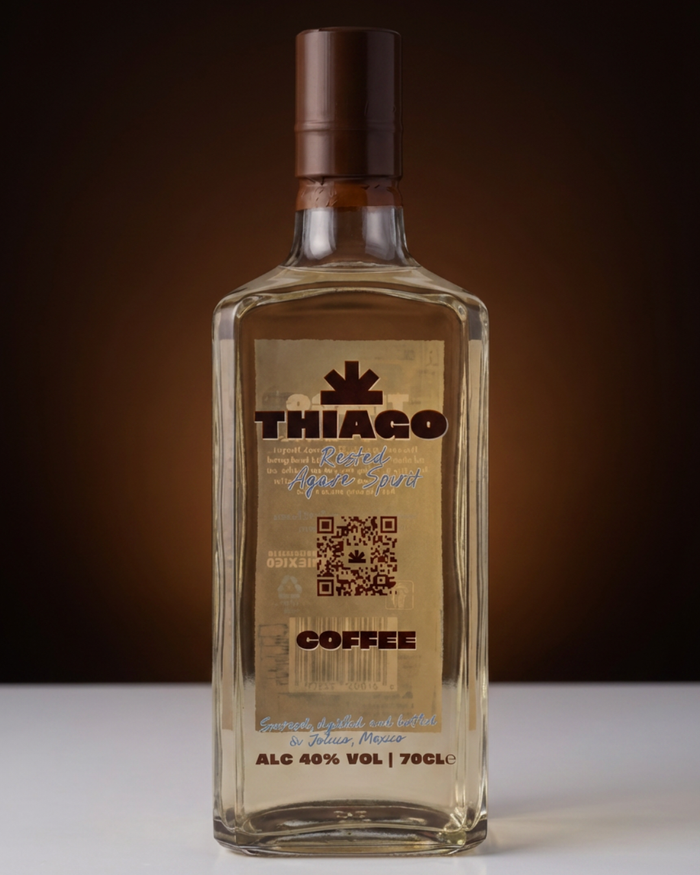
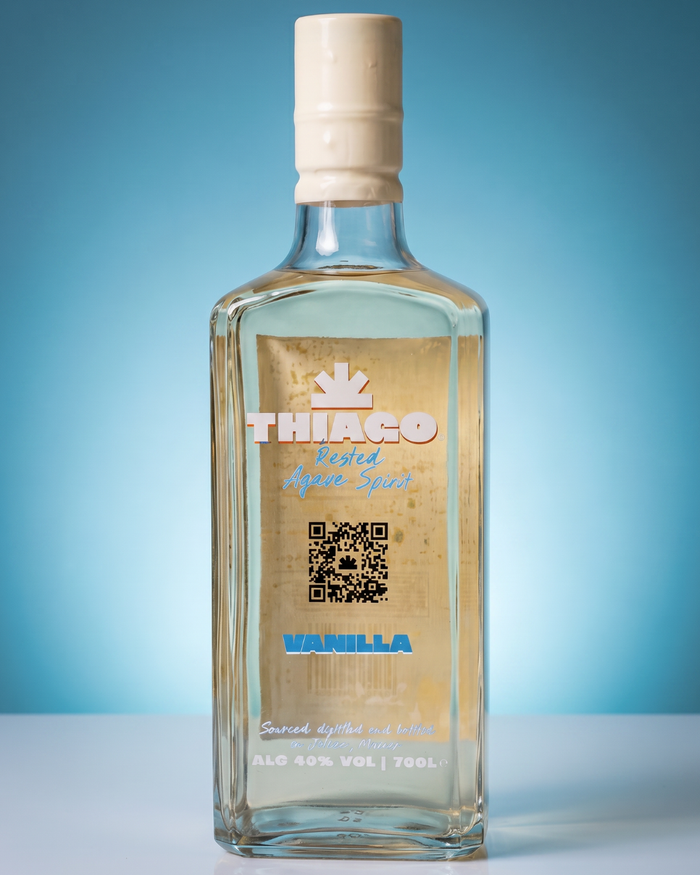
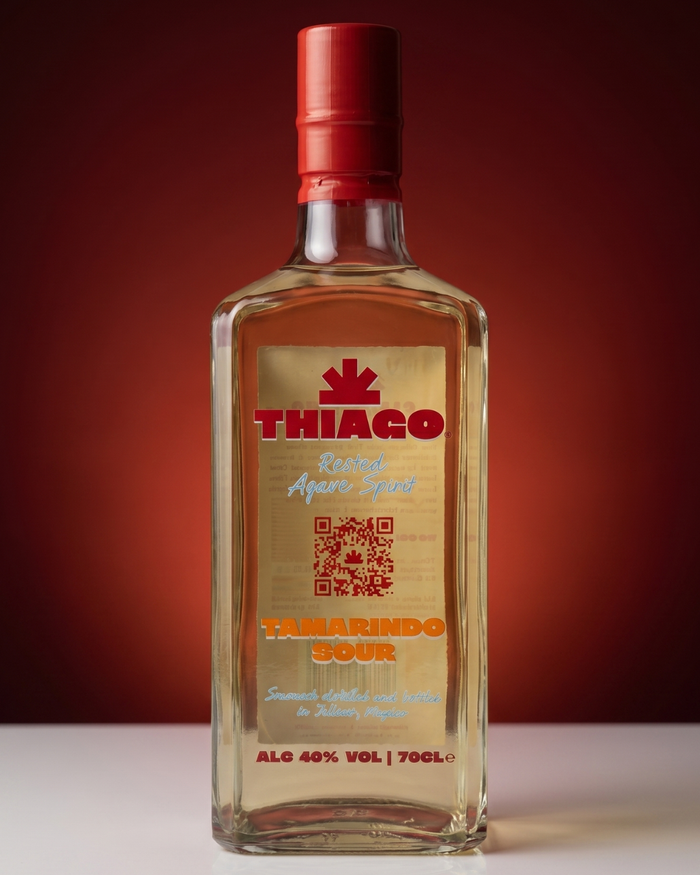
Thiago Tequila takes that approach with 100% Blue Agave Reposado Tequila from the highlands of Jalisco, naturally enhanced with flavours including Coffee, Vanilla, Black Cherry and Tamarindo Sour. At 40% ABV, with zero added sugar, no artificial additives and no colouring, it is designed as tequila first - not a novelty drink in premium packaging.
Where whisky still has the advantage
Whisky has earned its place for a reason. Its breadth is enormous, and few categories offer the same spectrum of cask influence. If your taste runs towards peat smoke, leather, Christmas cake, roasted grain or the deep vanilla-char of American oak, whisky can deliver profiles that reposado is not trying to copy.
It is also a natural fit for cooler evenings and spirit-forward classics where weight and aged intensity matter. A full-bodied bourbon or a sherried Scotch can bring a concentrated, contemplative feel that is difficult to replicate with any agave spirit.
But preference is not a personality test. You do not need to choose one camp and stay there. Plenty of whisky drinkers move towards reposado because it has oak familiarity without the heaviness. Plenty of tequila fans return to whisky when they want smoke, grain and a longer cask story.
A smarter bottle for modern occasions
Reposado has particular appeal when the plan is less formal than a whisky tasting and more considered than simply grabbing whatever is available. It works at a dinner party, on a rooftop, at a festival pre-drink or as the bottle that gives a home cocktail line-up more edge.
For parties and weekends away, 50ml tequila minis make that flexibility even easier. They are made for a quick chilled sip, a simple spritz or a compact cocktail serve without opening a full bottle. They are also convenient for hand luggage within standard airport liquid allowances, although travellers should always check their airline and airport rules before packing.
The point is not to make tequila behave like whisky. It is to recognise that reposado brings a different kind of premium: Mexican provenance, blue agave character, deliberate oak ageing and a flavour profile with enough energy to move from early evening to last orders.
So, which should you pour?
Choose whisky when you want grain-led depth, pronounced cask character or smoke. Choose reposado tequila when you want oak with lift, spice with freshness and a spirit that moves confidently between sipping and cocktails. If flavour is part of the brief, seek products that retain the integrity of the tequila rather than masking it with sugar.
The most interesting bottle is not the one that follows the old rules. It is the one that fits the night you are actually having - and gives every serve a little more character.